As an Amazon Associate, we earn from qualifying purchases. Some links on this site are affiliate links at no extra cost to you. Our recommendations are based on thorough research and editorial judgment.


How Do I Train for My First Century Ride?

To train for your first century ride, we must understand key phases: Base, Build, and Specialty. We’ll start with low-intensity rides, increasing to three sessions weekly, then to four. Long rides of 50-65 miles should help build endurance, simulating the century distance. We’ll mix in interval training for speed and strength. Nutrition is essential—focus on hydration and proper fueling. Regular recovery rides will support adaptation. Stick with these principles, and you’ll be well-prepared for the challenge ahead.
Key Takeaways
- Begin with a solid base phase, focusing on low to moderate intensity rides three times a week to build endurance.
- Gradually increase ride durations by about 10% each week, including a long ride of 50-65 miles.
- Incorporate interval training sessions to improve speed, such as VO2 max and sweet spot intervals.
- Ensure proper nutrition before, during, and after rides to fuel performance and aid recovery.
- Monitor your body’s response to training to avoid overtraining and adjust your schedule as needed.
Understanding the Training Phases
You may be interested


When we set out to train for a century ride, it’s crucial to grasp the different phases of training. Understanding these training phases allows us to implement effective periodization strategies, enhancing our performance.
Base Phase:
We begin by establishing our aerobic foundation. This phase focuses on low to moderate intensity rides, aiming for three sessions per week. Our goal is to build muscular endurance through steady-state rides while supporting recovery with rest days. Incorporating windproof cycling jackets can help maintain comfort during early morning rides in cooler temperatures.
Build Phase:
Next, we increase both volume and intensity. This includes interval sessions and a weekly long ride, progressing toward 75% of our century distance.
Specialty Phase:
Lastly, we sharpen our event-specific skills, tapering volume while maintaining intensity. Practicing nutrition and hydration strategies guarantees we’re well-prepared for race day.
Developing Your Weekly Training Schedule

To develop an effective weekly training schedule for a century ride, we need to approach it with a structured plan that accommodates increasing intensity and volume as we progress.
Ride Frequency
Initially, we should target three rides per week, gradually increasing to four rides in the latter half of our training. Each week, aim for a total mileage that peaks near or above 150 miles for experienced riders.
Workout Intensity
We need to incorporate a mix of workout intensities. One long ride should be scheduled weekly, aiming for at least 75% of our century target. During recovery days, we should focus on easy rides, while hill climbing and interval sessions will build strength and performance. Remember, we must listen to our bodies and adjust accordingly to prevent overtraining. Additionally, consider integrating wind bike trainers into your routine for enhanced indoor cycling sessions.
Recommended Products

Innovative design creates a realistic feel and accurate-to-life riding position; virtual shifting even simulates the sensation of changing gears

Now in its third generation, the KICKR BIKE PRO delivers the ride feel serious cyclists expect from the KICKR name. A precision flywheel and integrated motor recreate real-world resistance with every stroke. Feel every gradient, from punchy climbs to steep descents, and gear changes that respond almost immediately. Built on athlete feedback and years of innovation, this is indoor training at the cutting edge.

ElliptiGO 11R: The 11R is the only elliptical bike on the market that offers our patented running-like pedaling motion, vibration-dampening carbon-fiber drive arms, and a folding-steering column for easy transport. With 11 gears, the 11R can take on the steepest hills and push the pace on flats. 250lb Weight Limit. Ships Almost Fully-Assembled. No Tools Required.
Building Your Endurance and Aerobic Base

Building endurance and establishing a solid aerobic base form the backbone of our preparation for a century ride. A strong endurance foundation begins with consistent, low-intensity rides, which should comprise about 75-85% of our total training time. These rides improve aerobic conditioning by focusing on sustained efforts in Zone 1 to Zone 2 heart rate zones.
We should gradually increase our ride duration, starting with shorter distances and adding mileage by approximately 10% each week. Long rides of 50-65 miles are important, simulating century ride demands. Recovery rides at an easy pace promote muscle adaptation and prepare us for higher workloads. Consistency in our training promotes the physiological adaptations essential for long-distance cycling, preventing injury and maximizing our performance. Additionally, using bike chainstay protectors can help maintain your bike’s aesthetics and frame integrity during training.
Recommended Products

BIKE TRAVEL PROTECTION: Forget painstakingly taping or zip tying pipe insulation to your bike. Each universal frame protection kit comes with 7 easy-to-install pieces, including different tube shapes and a complete rear triangle that covers the chainstays and seatstays.
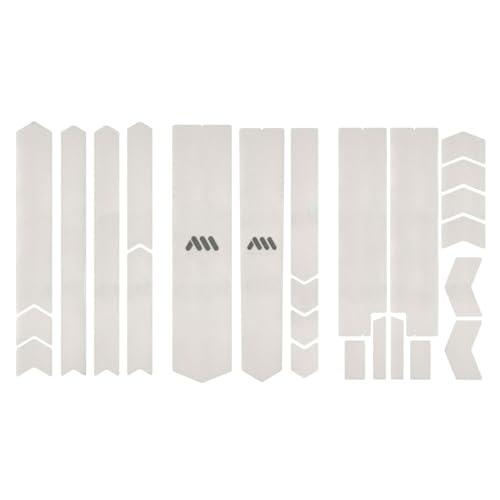
🛡️ TOTAL PROTECTION. Eliminate damage from cable wear and impacts with our universal frame guard kit
Add protection to surfaces that are prone to scratching or chipping
Incorporating Interval and High-Intensity Training

Incorporating interval and high-intensity training into our cycling regimen is essential for enhancing performance in a century ride. This type of training offers interval benefits that improve cardiovascular fitness and endurance capacity.
Workout Types:
- Sweet Spot Intervals: 10–20 minutes at 85–95% of FTP for sustained power.
- VO2 Max Intervals: 3–5 minute high-intensity efforts.
- Sprint Intervals: 15–30 second all-out efforts to build anaerobic capacity.
- Threshold Intervals: 20-minute efforts at FTP to increase endurance.
- Climbing Intervals: Hill repeats focus on strength and power.
We should integrate these workouts once or twice a week, progressively increasing duration or intensity. This structure balances our endurance rides, maximizing speed and aerobic capacity efficiently. Additionally, using proper daytime running lights can enhance safety during training rides, ensuring visibility and awareness on the road.
Recommended Products

Adjust ball frequency from 5–120 balls per minute for your ideal pace. Fine tune timing with IFC.

Perfect footwork, strokes, & other skills. Select a pre-saved drill, press start, and begin playing.
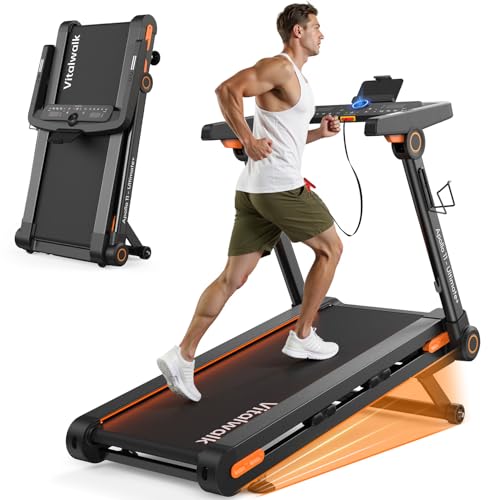
🏃【Full Deck - DeckMax, Commercial Foldable Treadmill】Innovative Full-Deck Belt-to-Body (hidden motor) design delivers 30% more usable running belt in a more compact frame. Commercial 18"x49" extra-wide belt extends to borderless edges - enjoy a roomier stride without the bulk. The robust 3.5HP brushless motor delivers 10 MPH speeds and a 350 lbs capacity, this walking pad treadmill comfortably supports users of all sizes.
Planning Long Rides and Pacing Strategies

Planning long rides and pacing strategies is essential for our preparation for a century ride, especially as we seek to build endurance and enhance performance.
Long Ride Techniques
We should plan at least one long ride each week, gradually increasing distance to 70-75% of the century goal. Scheduling these rides consistently on weekends helps establish routine. Aim for varied terrain to simulate event conditions and build strength.
Pacing Tactics
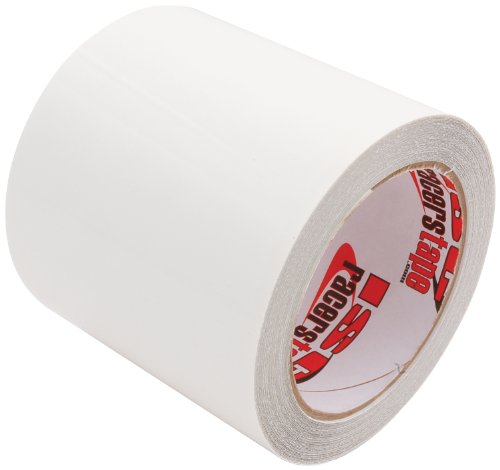
A steady, sustainable pace is vital to conserve energy. Avoid starting too fast, as this can lead to fatigue. We can use perceived exertion or heart rate zones to guide our pacing, not just speed. Practicing pacing during these long rides helps us develop our ideal race pace while ensuring we’re prepared for anything on ride day. Additionally, incorporating reflective tape on our gear can significantly enhance visibility during early morning or late evening rides, improving safety on the road.
Recommended Products

AUTOMATIC AIRBAG DEPLOYMENT: Vest inflates within milliseconds when the rider is separated from the bike, helping protect the spine, chest, neck, and hips during impact.

Enjoy a FREE 30-day trial of the Echelon Premier Membership with access to more than 3,000 live and on-demand connected fitness classes led by the world's best instructors through the Echelon Fit App. Enjoy exclusive content, class playlists, and music from top record labels, including your favorite hits from artists like Pitbull, Old Dominion, Lady Gaga, Daddy Yankee, and more. Classes range from 5 to 45 minutes and are designed for everyone from beginner to pro athletes. Explore classes like Cycling, Rowing, Running, HIIT, Kickboxing, Strength Training, Yoga, Pilates, and more. One membership allows up to five users, so your friends and family can enjoy the Echelon experience together.

WINDPROOF & WATERPROOF: These AmFIB tights are for the road and gravel, including 360-degree wrapped high-stretch AmFIB softshell fabric that protects from wind and water. The lofted thermal fleece lining provides cozy wicking layer next to skin
Focusing on Nutrition, Recovery, and Equipment
To guarantee success in our century ride, we must focus on nutrition, recovery, and equipment.
Pre Ride Nutrition
We should have a medium-sized breakfast about two hours before starting. Aim for complex carbs and some protein, totaling 750-1,000 calories. At the start, we need two water bottles: one with water and the other with an electrolyte drink.
During the Ride
Our hydration strategies must include 40-60 grams of carbs per hour, increasing in intensity with simple sugars at rest stops. Additionally, using a hydration system can significantly enhance our ability to stay hydrated without slowing down.
Post Ride Recovery
Within 60 minutes post-ride, we should consume a meal rich in carbs, protein, and fats. Adequate hydration throughout will aid muscle repair and reduce cramping.
Equipment Essentials
Ensure we carry essential tools: insulated bottles, easy-access food storage, and electrolyte supplements for peak performance.
Recommended Products

Pack of 6, 12 oz. bottles

MASSIVE BULK SUPPLY: Receive one full pallet containing 54 individual cases. Each case holds 24 bottles (20 fl oz each), totaling 1,296 bottles. Ideal specifically for warehouse restocking, large-scale industrial crews, emergency relief planning, and high-volume events.

Canned water in eco-friendly aluminum, not plastic
Frequently Asked Questions
What Type of Bike Is Best for a Century Ride?
For a century ride, we believe a quality road bike or a comfortable hybrid bike suits best. They enhance our endurance and riding experience, ensuring comfort throughout the long distance while fitting our unique preferences.
How Can I Prevent Saddle Soreness During Training?
Did you know that up to 80% of cyclists experience saddle soreness? To prevent it, we should focus on proper saddle adjustment and wear high-quality padded shorts, ensuring ideal comfort and reducing friction during our training rides.
Should I Train Solo or With a Group?
We think both approaches have value. Solo training offers focused skill work and flexibility, while group rides provide motivation and camaraderie. Balancing both can enhance our cycling experience and improve our overall performance.
What Should I Wear for My First Century Ride?
For our first century ride, we’ll need proper cycling apparel, focusing on comfort and weather considerations. Think breathable jerseys, padded shorts, and waterproof jackets, ensuring we stay dry and visible throughout the journey.
How Do I Mentally Prepare for the Ride?
Like a painter envisioning their masterpiece, we can mentally prepare by using visualization techniques and positive affirmations. Imagining success not only calms our minds but also boosts our confidence as we tackle the ride ahead.


