As an Amazon Associate, we earn from qualifying purchases. Some links on this site are affiliate links at no extra cost to you. Our recommendations are based on thorough research and editorial judgment.


How Often Should I Check My Bike Tire Pressure?

To guarantee peak performance and safety, we should check our bike tire pressure regularly, varying by bike type. For road bikes, it’s best to check before every ride, with regular pumping once or twice a week. Mountain and hybrid bikes should be checked weekly or before rides, while fat bikes benefit from weekly checks as well. E-bikes require pre-ride checks. Proper maintenance enhances efficiency and ride comfort, and we’ll explore detailed tips to maintain tire pressure effectively.
Key Takeaways
- Road Bikes: Check tire pressure before every ride and pump regularly once or twice a week.
- Mountain Bikes: Conduct weekly pressure checks to avoid flats, especially before challenging rides.
- Hybrid Bikes: Ensure weekly checks or pre-ride inspections for optimal comfort and efficiency.
- Fat Bikes: Perform weekly checks to maintain performance on soft terrains where slow air loss occurs.
- E-Bikes: Always check tire pressure prior to rides to manage weight and ensure stability.
Recommended Frequency for Different Bike Types
You may be interested


When it comes to checking bike tire pressure, the frequency largely depends on the type of bike we ride.
Road Bikes: We should check tire pressure before every ride due to rapid air loss and the high PSI range (80-130 psi). Regular pumping is advised once or twice a week. A properly inflated tire enhances performance, similar to how aerodynamics influence helmet efficiency.
Mountain Bikes: Weekly checks are recommended, especially before demanding rides. Proper inflation prevents flats and improves control on rough terrain.
Hybrid Bikes: Checking pressure weekly or before every ride is vital for comfort and efficiency across various surfaces.
Fat Bikes: Weekly checks enhance performance on soft terrains, despite slower air loss.
E-Bikes: Pre-ride checks are essential to manage heavier weight and higher speeds, ensuring stability and optimizing battery range.
Recommended Products

【COMPATIBILITY】Compatible with 2015-later Harley Road Glide Special FLTRXS models

【COMPATIBILITY】Compatible with 2018-2022 Harley CVO Road Glide FLTRXSE models

4000W PEAK MOTOR & 50MPH TOP SPEED - This fast electric bike is equipped with a 2500W brushless permanent magnet motor (4000W peak power) that delivers non-stop strong torque—easily tackling slopes up to 40° with stable climbing performance. Its max speed hits 50MPH to slash travel time, while the motor’s heat-dissipating alloy casing prevents overheating even during long hours of high-power use. (Default speed is 20MPH for daily safety; please contact us if you need more)
Importance of Regular Tire Pressure Checks

Checking tire pressure regularly is essential for ideal bike performance and safety. The importance of maintaining correct tire pressure is clear: it improves efficiency and speed while reducing rolling resistance. Adequate pressure enhances bike handling, ensuring we can maneuver safely and comfortably.
- Safety: Properly inflated tires mitigate the risk of flats and accidents by improving traction and stability.
- Maintenance: Tires naturally lose air; consistent checks prevent significant pressure drops.
- Ride Quality: Correct pressure results in a smoother ride, enhancing comfort and reducing rider fatigue. Additionally, maintaining the right pressure specifications for your tire size is crucial for optimal performance.
Incorporating regular tire pressure checks into our routine not only boosts performance but also protects our investment, saving us money in the long run.
Effects of Temperature on Tire Pressure

Understanding the effects of temperature on tire pressure is essential for ensuring ideal bike performance and safety. Tire pressure increases with temperature fluctuations, impacting our rides. According to the ideal gas law, a rise of 10°C (~18°F) can increase tire pressure by about 2.5 psi. For example, if we inflate our tires to 75 psi at 18°C, they could reach around 79 psi at 34°C.
Mechanical factors, like friction and brake heat, can further cause transient pressure adjustments. Consequently, it’s critical to monitor these changes, especially during hot days or when tires are near maximum ratings. Ignoring temperature’s influence can jeopardize safety and performance, so let’s be proactive in our pressure management. Regular calibration frequency of pressure gauges is also vital to ensure accurate readings during these fluctuations.
Recommended Products

International products have separate terms, are sold from abroad and may differ from local products, including fit, age ratings, and language of product, labeling or instructions.
International products have separate terms, are sold from abroad and may differ from local products, including fit, age ratings, and language of product, labeling or instructions.
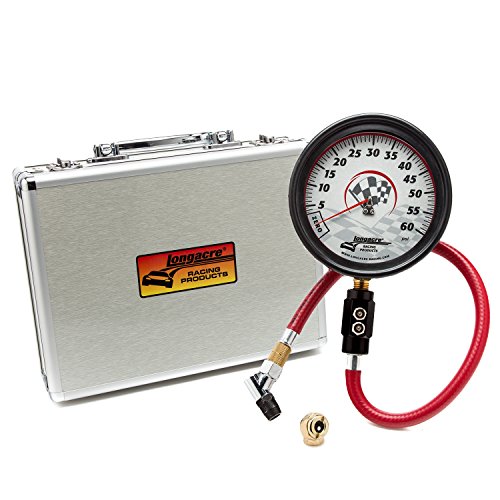
The large, 4" glow-in-the-dark face makes this tire pressure gauge easy to read and use any time and comes with a protective carrying case
How to Properly Check Tire Pressure

To guarantee peak bike performance and safety, we must check tire pressure accurately and routinely. First, we’ll locate the recommended PSI printed on the tire’s sidewall. This confirms we’re within the specified range for our tire type. Next, we need to identify the valve types: Presta (tall and skinny) or Schrader (short and thick). This step is vital for using the correct pressure gauge.
To measure, we’ll securely attach the pressure gauge to the valve stem. If it’s a Presta valve, lift the lever before attaching. We then check the PSI reading, adding air until we reach the recommended level. Regular checks will enhance our riding experience and keep our tires in good condition, especially when combined with safety protection features that helmets provide for overall rider safety.
Recommended Products
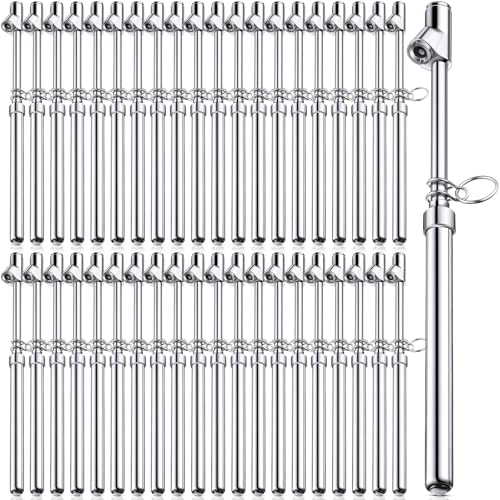
Package Includes: you will get 40 pieces of portable dual head tire pressure gauge, length approx. 31 cm/ 12 inches, stretch length approx. 40.7 cm/ 16 inches; You can put them in the garage or in your car, using to test the wheel pressure regularly, especially before long distance travel, which can improve the driving experience, and ensure the driving safety

1. LONG ZINC ALLOY DUAL HEAD DESIGN : Straight foot air chuck are deisghed for inner wheels or difficult reached valve as well as the 30°reverse chuck are for outer wheels.A good choice for testing your tire pressure

Specially designed for tubeless: the Airspy TL is equipped with an integrated aluminium valve for converting to tubeless tyres. Available in various valve lengths from 60mm - 81mm.
Consequences of Incorrect Tire Pressure

Incorrect tire pressure can greatly impact bike performance, safety, and overall ride quality. The consequences of incorrect tire pressure manifest in various ways.
Recommended Products

1.ZINC ALLOY DUAL HEAD DESIGN : Dual head air chuck are deisghed for inner wheels or difficult reached valve as well as the 30°reverse chuck are for outer wheels.A good choice for testing your tire pressure

This digital air gauge is performance tested and includes a protective, shock-resistant bumper and hard carrying case for longer life

The Longacre air pressure gauge features a large 3-1/2" glow-in-the-dark face, making it easy to read any time and comes with a hard carrying case
Rolling Resistance Impact
Lower tire pressure increases rolling resistance, causing about a 0.2% loss in efficiency for every 1 psi decrease. Conversely, excessively high pressure can lead to a rigid ride, diminishing grip and traction on rough terrains.
Ride Comfort and Safety
Incorrect pressures compromise comfort and handling. Low pressure improves grip, while high pressure can lead to instability and increased risk of pinch flats.
Tire Wear and Damage
Inadequate pressures lead to faster tire wear and potential mechanical failures. Over-inflation increases the likelihood of blowouts, while under-inflation increases drivetrain stress. Additionally, the power transfer and comfort of the cycling experience can be adversely affected by improper tire pressure, leading to inefficient rides.
Tips for Maintaining Optimal Tire Pressure
Frequency of Checks:
- We should check tire pressure before every ride or at least weekly.
- For daily riders, checking every three days is advisable.
- Always inspect pressure before riding after storage and during temperature drops.
Tools and Techniques:
- Using a quality floor pump with a gauge guarantees accuracy.
- Refer to the recommended PSI printed on the tire sidewall for guidance.
- Keeping records of tire pressure and ride conditions can improve future adjustments.
- Utilizing high-pressure capabilities of an electric or manual pump can ensure optimal tire inflation.
Maintenance Tips:
- Regularly clean tires to remove debris that may cause punctures.
- Inspect for wear or damage monthly to guarantee peak performance.
Recommended Products

20 Gallon Air Compressor: Our 3KW oil-free motor drives the compressor up to a speed of 1680 r/min and 10.6 CFM@ 90 PSI air delivery. It is ideal for supporting a variety of pneumatic and air tools, such as nail gun, impact wrench, spray gun, pneumatic screwdriver, best for tire inflation, auto repair, spray painting, woodwork nailing, etc.
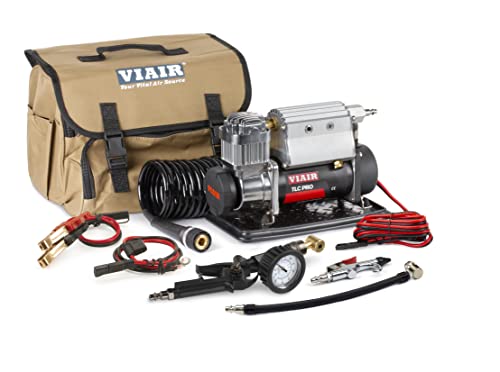
COMPACT COMPRESSOR ON-THE-GO - Whether you are a rider, adventurer, or road-tripper, VIAIR's TLC PRO is your go-to portable air compressor for all of your bicycle and vehicle maintenance needs.

The Role of Riding Frequency in Pressure Maintenance
Riding frequency greatly influences tire pressure maintenance, impacting safety and bike performance. Our riding habits determine how quickly we lose air. Frequent rides can lead to a typical loss of 10-20 psi weekly, requiring regular pressure checks.
For daily cyclists, checking tire pressure before each ride is essential, ensuring optimal air retention and minimizing flats. Conversely, those who ride less frequently, like once a week, should still inspect pressure weekly but may skip checks before every ride. Understanding the connection between riding frequency and tire pressure helps us maintain proper inflation, which is vital for performance and safety. Additionally, using CO2 bike pumps can provide quick inflation during emergencies, ensuring you remain on the road without delay.
Frequently Asked Questions
What Tools Do I Need to Check Tire Pressure Accurately?
To check tire pressure accurately, we need a reliable tire pressure gauge that fits our valve stem. Digital gauges are often best for clarity, while dual-head options guarantee compatibility with different valve types.
How Do I Know if My Tires Are Leaking Air?
We’ve all noticed our tire pressure seems off sometimes, right? To check for air leaks, we should look for visible deflation, feel for softness, and listen for hissing sounds or inspect for bubbles in soapy water.
Can I Use a Car Air Compressor for My Bike Tires?
Yes, we can use a car air compressor for bike tires, but we must guarantee bike tire compatibility and practice proper pressure maintenance to avoid overinflation and potential damage. A reliable gauge is essential for monitoring pressure.
What Should I Do if My Tire Pressure Seems Inconsistent?
If we notice inconsistent pressure, let’s inspect for debris, valve leaks, or temperature changes. Following tire maintenance tips like regular checks and prompt repairs keeps our rides smoother and safer, avoiding future pressure headaches.
How Can I Tell if My Tires Are Overinflated?
When our tires resemble a balloon ready to burst, it’s clear they’re overinflated. Look for tire bulge or feel the pinch flat. If we sense excessive hardness or uneven tread, it’s time to adjust.


