As an Amazon Associate, we earn from qualifying purchases. Some links on this site are affiliate links at no extra cost to you. Our recommendations are based on thorough research and editorial judgment.


What Are the Different Types of Bike Drivetrains and Their Advantages?

We can categorize bike drivetrains into five types, each suited for different needs.
- Chain Drive: Offers efficient power transfer but requires regular maintenance.
- Belt Drive: Low-maintenance and durable, ideal for urban environments.
- Hub Gear: Enclosed system allowing changes while stationary, great for conditions with high dirt exposure.
- Derailleur: Facilitates precise gear shifts but needs ongoing care.
- Electronic: Provides fast, accurate shifting with advanced features.
You may be interested


Continue on to discover the nuances of selecting the right drivetrain for your cycling style.
Key Takeaways
- Chain Drive Drivetrains: Offer efficient shifting and a wide range of gear ratios but require regular maintenance for optimal performance.
- Belt Drive Drivetrains: Provide minimal upkeep, quiet operation, and longevity, making them ideal for commuters and urban cycling.
- Hub Gear Drivetrains: Enclosed design protects against the elements, allowing for easy gear changes and low maintenance in various weather conditions.
- Derailleur Drivetrains: Allow for seamless gear transitions and versatility across terrains but require regular adjustments and maintenance to ensure performance.
- Electronic Drivetrains: Feature fast, accurate shifting with wireless options, enhancing user experience and offering customization for performance-focused cyclists.
Chain Drive Drivetrains
A chain drive drivetrain is a common system used in bicycles that efficiently transfers pedal power to the rear wheel. This system consists of a metal chain, chainrings, a cassette, and derailleurs. Together, they enable smooth gear changes and effective power transmission.
To maintain ideal performance, we must prioritize regular chain maintenance. This includes lubrication and cleaning to reduce friction and wear. The drivetrain’s efficiency relies on suitable gear ratios, often ranging from 10 to 52 teeth across various sprockets. Proper chain tension and alignment are also essential for seamless shifts and to prevent potential issues, such as chain skips. Additionally, investing in quality components can significantly enhance impact protection and durability of the drivetrain system.
Ultimately, understanding the intricacies of chain drive systems enhances our cycling experience, improving both speed and control.
Recommended Products

This oil pump features the same oiling pattern as the 1981-99 Big Twin engines

SILENT AND SMOOTH ROTATION - Our metal turntable bearing provides a smooth rotation experience with its smooth and silent action

THE ULTIMATE GIFT: The Muc-Off Ultimate Bicycle Cleaning Kit is the perfect gift for any bike fanatic. We’ve bundled together a selection of our best products to cover all bases when cleaning your bike – including the tools you need to get the job done.
Belt Drive Drivetrains

Belt drive drivetrains represent an innovative alternative to traditional chain systems, offering distinct advantages in maintenance and usability.
Maintenance and Cleanliness
Belt drives require minimal upkeep, needing no lubrication or adjustments. Cleaning is straightforward, only requiring soap and water, preventing messy grease stains on clothing.
Durability and Longevity
Constructed from carbon fiber materials, these belts can last up to 40,000 km, surpassing traditional chains markedly. They maintain tension and performance without stretching.
Weight and Efficiency
Belt drives are lighter than metal chains and maintain comparable efficiency during cycling. Their design reduces vibration and energy loss.
User Experience
Belt drive configurations often provide a quiet, smooth ride, making them ideal for urban and recreational cycling, particularly for commuters in casual or formal attire. Additionally, the effective ventilation in cycling shoes enhances the overall comfort for riders, especially during longer trips.
Recommended Products
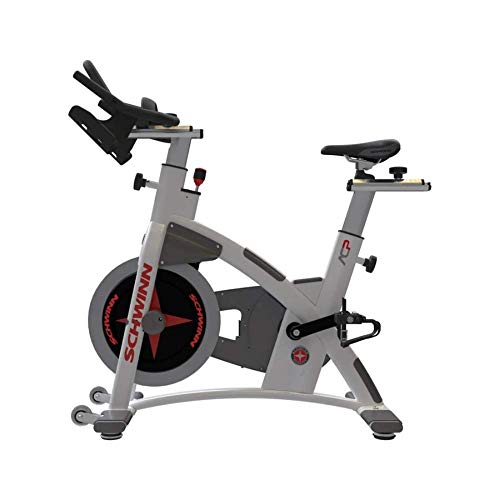
CARBON BLUE DRIVE SYSTEM: LOW MAINTENANCE. The belt never requires lubrication, tension never needs to be adjusted and the carbon fiber reinforcement is incredibly durable. CARBON BLUE BELT replicates the feel of a traditional chain drive giving the rider an authentic outdoor experience.

[Compact & Effortless Setup]: Occupying only 0.77㎡, the T7 fits seamlessly into your home. After the first setup, enjoy pro-level indoor training anytime, no frequent disassembly, no hassle. Just ride and go.

Street American V-Twin > DRIVE > Driveline
Hub Gear Drivetrains

Hub gear drivetrains offer an advanced approach to bicycle gearing, distinct from belt drive systems. These drivetrains utilize planetary or epicyclic gear systems enclosed in the rear hub shell, allowing multiple gear ratios without external derailleurs.
Key Hub Gear Advantages
- Weatherproofing: Enclosed design protects gears from dirt and water.
- Low Maintenance: Requires less cleaning thanks to sealed mechanisms.
- Shifting While Stationary: Allows for immediate gear changes in stop-and-go traffic or under load.
Hub Gear Mechanisms
- Basic models feature 3-speed hubs that switch between different gear settings.
- Advanced hubs can offer up to 14 speeds using multiple planetary stages. Additionally, advanced technologies such as MIPS provide enhanced safety features for cyclists using these drivetrains.
Recommended Products

AXS Pod ULT features a “click and fire” two-button design that transforms the crucial act of rider inputs into a vastly more personal experience for all your AXS controls
AXS Pod ULT features a “click and fire” two-button design that transforms the crucial act of rider inputs into a vastly more personal experience for all your AXS controls

AXS Pod ULT features a “click and fire” two-button design that transforms the crucial act of rider inputs into a vastly more personal experience for all your AXS controls
Derailleur Drivetrains

Derailleur drivetrains represent a common and efficient solution for modern bicycles, allowing us to navigate various terrains with ease. Utilizing advanced derailleur technology, these systems enable seamless gear shifting through precise shifting mechanics. The front derailleur moves the chain between chainrings, while the rear derailleur shifts across cassette sprockets, providing ideal gear selection.
For efficient performance tuning, cable routing is vital. Proper alignment affects shifting accuracy, and we must regularly inspect the derailleur hanger and limit screws to prevent chain drops.
Chain tensioning is managed by the rear derailleur’s jockey wheels, ensuring consistent performance. Following maintenance tips, like adjusting spring tension and cable tension, helps maintain smooth shifting and prolongs drivetrain life, enhancing our overall riding experience. Additionally, proper gear selection is crucial for optimizing performance on varying terrains.
Electronic Drivetrains

When considering advancements in bicycle technology, electronic drivetrains stand out for their innovative design and enhanced performance. Brands like Shimano, SRAM, and Campagnolo have set benchmarks with unique features.
Shimano Innovations
Shimano’s Di2 offers fast, accurate shifting and evolving wireless options, making it popular among serious cyclists.
SRAM Technology
SRAM eTap AXS utilizes removable batteries and fully wireless functionality, ensuring ease of installation and excellent battery longevity of about 1,000 km.
Campagnolo Features
Campagnolo’s EPS system provides extensive customization options, appealing to those who value performance and Italian craftsmanship.
Electronic Advantages
Additionally, electronic drivetrains often incorporate MIPS technology for improved safety and performance, further enhancing the cycling experience.
Singlespeed Drivetrains
Singlespeed drivetrains offer a straightforward yet effective solution for cyclists seeking simplicity and reliability in their rides.
Singlespeed Advantages
The primary benefits include a lighter frame due to fewer components, enhanced efficiency from a direct chainline, and reduced maintenance needs. With no derailleurs or shifters, these systems minimize mechanical complexity and potential points of failure. Moreover, the reduced maintenance needs of singlespeed drivetrains make them an attractive choice for both casual riders and enthusiasts alike.
Singlespeed Disadvantages
However, there are drawbacks. Riders must adapt to a fixed gear ratio, which can be challenging on varied terrain.
Maintenance Tips
For durability, we recommend replacing the chain, chainring, and sprocket simultaneously. This helps maintain drivetrain compatibility and extends overall lifespan.
Proper chainline alignment is essential to prevent wear and guarantee peak performance. By following these guidelines, we can enjoy the benefits of singlespeed drivetrains effectively.
Fixed-Gear Drivetrains
Fixed-gear drivetrains represent a unique approach to cycling that emphasizes simplicity and direct power transmission. These bikes lack a freewheel mechanism, meaning the pedals always rotate when the bike moves. This creates a one-to-one link between pedal and wheel movement, enhancing acceleration and rider control.
In terms of fixed gear aesthetics, these bikes feature fewer components, promoting a clean, minimalist look popular in fixed gear culture. The absence of derailleurs and shifters also means less maintenance.
Riders benefit from improved fitness due to continuous pedaling and leg engagement. However, control requires skill and focus, as coasting isn’t an option. Overall, fixed-gear bikes supply a straightforward yet engaging cycling experience that’s appealing to many enthusiasts. Additionally, they are often seen as a stylish choice among cyclists, similar to how bar end plugs enhance aesthetics for various bike styles.
Comparing Efficiency: Chain vs. Belt
In examining the mechanics of bike drivetrains, we find a significant comparison between chain and belt systems regarding efficiency. Our efficiency analysis shows that at low power outputs, chain drives generally outperform belts due to their ability to run with some slack, reducing tension. However, as power output increases, belts close the gap, nearly matching chain efficiency. In challenging conditions like mud, belts may hold an advantage by reducing friction and resisting contamination.
- Chains offer better baseline efficiency for casual riders.
- Belt longevity surpasses chains by three to four times, enhancing overall efficiency.
- Both systems are affected by the gearbox, creating a notable performance comparison. Additionally, tire sealants can play a crucial role in maintaining optimal performance during rides, especially in diverse terrains.
Ultimately, the choice between chain and belt involves weighing these efficiency factors against your riding needs.
Maintenance Needs Across Different Drivetrains
When it comes to maintaining different bike drivetrains, understanding the specific needs of each type can greatly enhance performance and longevity.
Cleaning Frequency
Chains require the most frequent attention, needing regular cleaning and lubrication. Quick cleaning after each ride helps remove dirt and excess lubricant. A deep clean should occur every 150-300 miles, or when dirt builds up. Regular cleaning improves chain longevity and performance.
Drivetrain Lubrication
Proper drivetrain lubrication is essential. Lubricating at the end of rides allows it to penetrate effectively. For cassettes, chainrings, and derailleur components, targeted cleaning guarantees peak performance.
Maintenance Tips
- Use bike-specific degreasers and brushes.
- Inspect for wear periodically to prevent deeper damage.
- Consider riding conditions when selecting lubricants.
Weight Considerations in Drivetrain Selection
Selecting the right bike drivetrain involves careful consideration of weight, as it can greatly impact overall bike performance. Weight distribution matters, especially between drivetrain types. For example, 1x drivetrains can save around 300 to 400 grams compared to 2x or 3x systems due to fewer components.
Material choice also plays a role; lighter materials can optimize performance, while heavier gearboxes like the Rohloff offer durability. Aerodynamic designs contribute to enhanced speed, which is crucial for competitive cyclists.
We must balance efficiency trade-offs and rider preference. While lighter setups enhance climbing and acceleration, heavier options provide maintenance benefits.
Ultimately, effective design innovation and component compatibility are essential for performance optimization. By weighing these factors, we can make informed decisions for our biking needs.
Gear Range and Versatility
Gear range and versatility are essential elements in choosing the right bike drivetrain, especially as they directly affect performance across various terrains.
When selecting a drivetrain, we consider the gear ratio just as much as the type. A 1x drivetrain, like a 32-tooth chainring paired with a 10-51 cassette, offers a wide range of about 510%, suitable for various cycling terrains. In contrast, a 3x drivetrain provides finer gear steps for steep climbs, enhancing climbing efficiency.
For those looking for a drivetrain upgrade, we also recommend larger cassettes that maximize low gears for climbing and high ratios for speed. Ultimately, the best setup balances between climbing capability and versatility to tackle any terrain we face while riding.
Noise Levels and Riding Experience
Noise levels in a bike drivetrain greatly impact our riding experience, especially when maneuvering varied terrains. Drivetrain noise can be influenced by several factors, including the configuration of the drivetrain. For instance, single-speed drivetrains are generally quieter than multi-speed systems due to fewer moving parts.
High-end pulleys and regular maintenance contribute to lower drivetrain noise. This aspect is fundamental for riding comfort; excessive noise can distract us and detract from the overall experience.
Hub mechanisms also play a role. Loud clicking sounds may indicate performance quality, while sudden changes in this noise could signal mechanical issues. By understanding these characteristics, we can make more informed choices about drivetrain systems that improve our overall riding comfort.
Suitability for Different Riding Styles
When evaluating the suitability of bike drivetrains for different styles of riding, it’s essential to match drivetrain features with terrain and rider needs.
Mountain Biking requires drivetrains with wide-ranging cassettes to guarantee terrain adaptability. Riders can choose 1x setups for simplification and reliability during aggressive rides.
Road Cycling benefits from 2x or 3x configurations that optimize speed and climbing on pavements. Higher-tier groupsets enhance performance.
Commuting favors low-maintenance hub gear systems for urban environments, prioritizing efficiency and reliability.
Gravel Riding often uses 1x drivetrains to handle mixed surfaces effectively while balancing cost implications.
Ultimately, riders need to reflect on their performance preferences, aesthetic choices, weight distribution, speed optimization, and their specific riding environment to make informed decisions.
Frequently Asked Questions
How Do Climate and Terrain Affect Drivetrain Performance?
When it rains cats and dogs, we need to remember that climate effects can accelerate wear, while terrain challenges demand specific gear setups. Choosing the right drivetrain helps us tackle any ride with confidence.
What Are the Most Common Drivetrain Issues Cyclists Face?
We often face common drivetrain issues like chain wear and gear shifting difficulties. Regular maintenance is essential to prevent problems like slipping chains and ineffective shifting, ensuring our rides remain smooth and enjoyable.
Can I Upgrade My Bike’s Drivetrain Easily?
Upgrading our bike’s drivetrain isn’t always easy, but with the right tools and some basic installation tips, we can make it manageable. Let’s prioritize compatibility and seek professional help for complex upgrades to guarantee success.
How Does Weight Distribution Impact Bike Handling?
Like a tightrope walker, our weight distribution affects our bike’s handling by shifting the center of gravity. A balanced handling approach keeps us stable and responsive, enhancing our ride experience through twists and turns.
What Accessories Enhance Drivetrain Longevity and Efficiency?
To enhance drivetrain longevity and efficiency, we should use quality chain lubes and cassette cleaners regularly. Protectors and covers can also help keep dirt out, ensuring our components perform effectively for longer.


