As an Amazon Associate, we earn from qualifying purchases. Some links on this site are affiliate links at no extra cost to you. Our recommendations are based on thorough research and editorial judgment.


How Do I Prevent Chafing on Long Bike Rides?

To prevent chafing on long bike rides, we must focus on several key strategies. First, ensuring proper bike fit can enhance comfort and efficiency. Next, we should apply chamois cream to reduce friction and choose quality cycling shorts with anatomical fits and effective materials. Maintaining hygiene involves regular cleaning and changing out of sweaty clothing. Finally, we must consider our riding technique and environmental factors. These steps can greatly reduce discomfort, and there’s more to explore on this topic.
Key Takeaways
- Use high-quality chamois cream to reduce friction between skin and cycling shorts, preventing chafing during long rides.
- Invest in properly fitting cycling shorts made from breathable materials like Lycra, ensuring comfort and minimal movement.
- Maintain hygiene by regularly cleaning the genital area and promptly changing out of sweaty clothing.
- Wear moisture-wicking base layers and breathable clothing to keep skin dry and reduce sweat-related irritation.
- Ensure bike fit is optimized with correct saddle height and reach to minimize friction while riding.
Understanding the Importance of Proper Bike Fit
You may be interested


When we ride our bikes for long distances, understanding proper bike fit becomes crucial for maximizing both performance and comfort. A well-fitted bike enhances bike efficiency, improving our pedaling by up to 20%. Key adjustments include:
- Correct saddle positioning, which guarantees effective power transfer and reduces energy waste.
- Optimized handlebar reach increases aerodynamics and energy conservation.
- Cleat placement affects torque and power output.
Comfort optimization is equally important. It evenly distributes weight to prevent pressure on sensitive areas and minimizes discomfort in the back, neck, and knees. By confirming proper saddle height and angle, we avoid skin irritation and fatigue. Additionally, adjustable fit mechanisms play a significant role in enhancing comfort and stability, allowing riders to tailor their helmets for a personalized fit. Addressing these variables helps us maintain longer, more enjoyable rides while markedly reducing injury risk.
Recommended Products

Dual-Screen Console

Extra Wide Swivel Seat

Ipsilateral Motion - Ipsilateral side to side cross training motion is different than any other Recumbent Cross Trainer on the market!
The Role of Chamois Cream and Lubricants

Chamois cream and lubricants play an essential role in enhancing comfort and preventing chafing on long bike rides. The benefits of chamois cream include reduced friction between our skin and cycling shorts, which greatly lowers the risk of chafing. High-quality options, such as Assos or Mad Alchemy Pro+, provide long-lasting protection, ideal for long-duration rides. Additionally, using bar end plugs can help protect your bike’s handlebars during long rides, preventing potential damage from falls or crashes.
When considering lubricants, we find distinct differences. Chamois creams offer antibacterial properties, while standard lubricants may cause skin irritation due to clogging. Though some alternatives might be cheaper, they can stain shorts and lack specialized benefits.
Recommended Products

Material: 46% nylon, 38% polyester, 16% Lycra elastane

CYCLING COMFORT: These padded biking shorts for men feature high-quality materials and special padding to increase comfort and reduce fatigue.
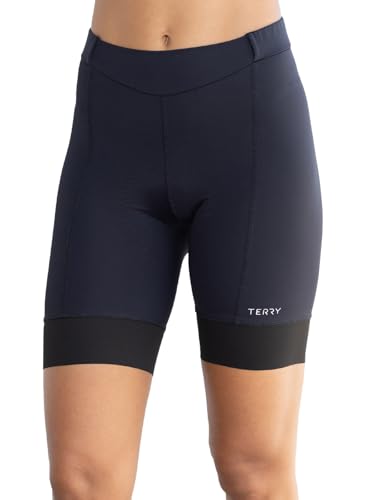
DESIGN: Bella Prima Short is the premium verion of our popular Bella Short featuring a laser-cut leg band and our Flex Air Carbon chamois.
Choosing Quality Cycling Shorts and Chamois

Selecting quality cycling shorts and chamois is essential for maximizing comfort on long rides. Our chamois selection should prioritize anatomical fit, ensuring it matches our body shape to prevent chafing. Look for shorts made of high-quality blends like Lycra and spandex, which provide ideal stretch and fabric breathability.
Consider the inseam length and features like silicone grippers, which keep shorts from riding up. Compression fabrics reduce movement against the skin, enhancing support.
We should also examine seam construction; flatlock seams minimize irritation by reducing bulk. Ultimately, investing in shorts with multi-density padding will distribute pressure evenly, making long rides more comfortable. With these considerations in mind, our rides will be more enjoyable and chafing-free. Additionally, selecting shorts with 4D padding can enhance comfort for longer distances, allowing for a more enjoyable cycling experience.
Recommended Products

COMFORT - The SuperFlow technology in this specialized saddle drastically reduces all physical limitations caused by prolonged pressure in the perineal area when riding

Material: 45% nylon, 38% polyester, 16% elastane
CYCLING COMFORT: These padded biking shorts for men feature high-quality materials and special padding to increase comfort and reduce fatigue.
Maintaining Hygiene and Skin Care Practices

Maintaining hygiene and proper skin care practices is key to preventing chafing and guaranteeing comfort during long bike rides.
Cleaning Regimen: We should prioritize regular cleaning of our genital area. Mild cleansing methods, such as rinsing with clean water post-urination, help minimize moisture and bacterial growth.
Appropriate Underwear: Choosing wool or synthetic underwear prevents bacterial growth and manages sweat more effectively than cotton, which retains moisture.
Moisture Management: Promptly changing out of sweaty clothing is crucial. We can use antibacterial wipes when water isn’t available to maintain hygiene practices.
Washing Technique: On multi-day rides, carrying at least three sets of cycling gear assures we maintain cleanliness. Regular laundering is essential for skin care and infection prevention. Additionally, opting for base layers made from moisture-wicking fabric can enhance comfort and reduce the risk of chafing.
Hydration and Its Impact on Skin Comfort

Hydration plays an essential role in maintaining skin comfort and preventing chafing during long bike rides. By employing effective hydration techniques, we can enhance our sweat response, keeping our skin cool and comfortable. Mild dehydration, even a 1% loss in body mass, can increase core temperature, leading to thermal discomfort.
To optimize hydration, we should:
- Consume 500 to 750 ml of water per hour.
- Pre-hydrate with about 500 ml of cold fluids to prepare our bodies.
- Utilize hydration packs for hands-free drinking during rides.
Adequate hydration helps maintain skin barrier function, reducing irritation risks. By ensuring our bodies stay hydrated, we enhance sweat effectiveness, promote skin cooling, and ultimately prevent chafing. Additionally, using a high-flow design in bike water bottles can facilitate easier hydration on long rides.
Environmental Considerations for Longer Rides
When planning for longer bike rides, we must consider how environmental factors can affect our skin and overall comfort.
Temperature Influence and Humidity Effects
High temperatures and humidity can increase our sweat rates, making skin more susceptible to chafing due to damp conditions.
Air Pressure and Altitude Impact
Changes in air pressure and elevation can alter our breathing and sweat composition, potentially heightening friction risks.
Road Surfaces
Rough paths amplify vibrations, causing additional skin irritation, while smooth surfaces aid in comfort.
Air Quality and Pollution Effects
Pollutants can lead to skin inflammation, necessitating protective creams.
Clothing Adaptations
Wearing breathable, moisture-wicking clothing is essential, as high-quality materials improve comfort during extended rides.
Technique Adjustments for Riding Position
Adjusting our riding position can greatly impact comfort during long bike rides, especially concerning preventing chafing.
Saddle Height
Setting the correct saddle height is vital; our leg should fully extend with a slight knee bend at the bottom of the pedal stroke. A saddle that’s too high leads to hip rocking, increasing friction, while one that’s too low results in poor body positioning, raising friction levels. Proper padding design plays a significant role in minimizing discomfort during long rides.
Pedaling Technique
Smooth pedaling is essential for reducing friction. We should aim for consistent motion, avoiding jerky movements that can rub against the saddle.
Recommended Products

【IoT Smart Anti-Theft】This smart electric bike integrates IoT technology, GPS tracking, and anti-theft alerts, designed for modern adult electric bicycles users who value security and connectivity. The dedicated ENGWE app lets you remotely check battery status, track your routes and instantly receive alert notifications if the bike is moved under anti-theft protection,making every ride safer and more convenient.

【Peak 9000W Dual Motors E-Bike】Single motor mode and dual motor mode can be switched by the red button on the handlebar. The powerful motor allows speeds of up to 40-45MPH. More power to climb 45° inclines with ease. 220 Nm torque. Road, grass, snow, sand or mountain, EYBAIKC can conquer all terrains.

【9000W Peak Dual Motors】Equipped with 9000W high-speed brushless motor, and the idle speed can easily reach 40-45MPH. Due to different loads and road conditions, the actual speed varies between 40-45MPH. The electric bike drive system provides adjustable assistance, allowing you to stay healthy, relax, and exercise This powerful electric adults bike enhances acceleration, torque, and top speed. The boosted power allows you to effortlessly tackle diverse terrains and climb steep slopes up to 45°
The Benefits of Frequent Breaks During Rides
Taking regular breaks during long bike rides is essential for maintaining our overall performance and well-being. Break duration plays a vital role in preventing overexertion. By stopping to rest, we allow our muscles to recover, reducing the risk of soreness and injury. Frequent breaks help manage cardiovascular load, enabling stable heart function.
Incorporating pauses gives us a chance to hydrate and refuel, supporting muscle recovery and endurance. Additionally, these intervals reduce friction on the skin, minimizing the chance of chafing. Attention to our physical state during breaks allows us to assess any emerging discomfort, ensuring we can adjust equipment or posture accordingly. Ultimately, these practices lead to a more enjoyable ride and enhanced cycling performance. Moreover, wearing high-quality cycling gloves can further protect against friction and enhance grip, contributing to a more comfortable experience on long rides.
When to Seek Professional Assistance for Fitting and Technique
Seeking professional assistance for bike fitting and technique can greatly enhance our cycling experience, especially after understanding the impact of frequent breaks. We should consider professional fitting if we face persistent pain, discomfort, or specific injuries during rides.
Indicators to Seek Assistance
- Ongoing pain despite self-adjustments
- Adapting to a new bike
- Desire to optimize performance
Benefits of Professional Bike Fitting
- Customized adjustments for comfort
- Injury prevention through proper alignment
- Enhanced power delivery and efficiency
Technique Adjustments
If we notice uneven pressure distribution or difficulty maintaining posture, seeking expert guidance is essential. Professional fittings use advanced technologies, like motion capture, to refine our technique, ensuring a better ride and reducing potential injuries. Additionally, understanding the importance of proper sizing in helmet selection can further contribute to overall comfort and safety during long rides.
Recommended Products

EXTRA-DURABLE, BUILT TO LAST: The 2" 15-gauge industrial-grade square-tube steel frame is stiffer and sturdier than a round-tube frame; black powder coat finish increases strength and resists corrosion, scratching, and chipping

20 INCH EBIKE with 1500W PEAK MOTOR: Maximize your thrill and shorten your commute with a high-torque 1500W Peak brushless hub motor. Effortlessly keep up with urban traffic, and conquer steep neighborhood hills with ease. It is the ultimate powerhouse for daily street commuting, campus cruising, or trail riding
Hitch receiver compatibility: This BOSS Drop Hitch is designed to fit a 2-inch hitch receiver, offering a robust and reliable connection for your towing needs. Its adjustable trailer hitch feature ensures it fits a variety of setups.
Frequently Asked Questions
Can Dietary Choices Influence Skin Irritation During Cycling?
Yes, our dietary choices can considerably influence skin irritation during cycling. Prioritizing hydration and incorporating anti-inflammatory foods into our meals may help us maintain skin health and reduce irritation while we ride.
What Pre-Ride Stretches Help Reduce Chafing Risk?
To reduce chafing risk, we should incorporate dynamic stretches like lunges and figure four stretches into our routine. These flexibility exercises help warm up our muscles, improving range of motion and decreasing friction during rides.
Does Weight Loss Impact Chafing While Cycling?
Doesn’t weight reduction influence chafing while cycling? Absolutely! As our body composition changes, pressure points shift, potentially reducing friction. However, we must adapt our gear and technique to maintain comfort on long rides.
Are There Specific Skin Types More Prone to Chafing?
Certain skin types, especially those sensitive or thinner in areas like the inner thighs, are more prone to chafing. Maintaining proper skin care and effective friction management helps us minimize discomfort during activities.
How Can Weather Conditions Affect Chafing on Long Rides?
Weather conditions greatly affect chafing during long rides. High humidity increases moisture retention, while temperature variations can either dry our skin or create excessive sweat, both leading to friction and potential irritation. Let’s stay prepared!


