As an Amazon Associate, we earn from qualifying purchases. Some links on this site are affiliate links at no extra cost to you. Our recommendations are based on thorough research and editorial judgment.


How Do I Mount My GPS Computer Securely on My Handlebars?

To securely mount our GPS computer on the handlebars, we must choose the right mount type, such as an out front mount for visibility or a stem faceplate mount for a clean cockpit. We’ll use hex wrenches and a torque wrench to tighten bolts to 5-6 Newton meters. Additionally, we need to verify proper alignment and avoid obstructions to optimize reception. Regular maintenance, including checking for wear and tear, is essential for longevity. There’s more to evaluate for the best setup.
Key Takeaways
- Choose the appropriate mount type (out front, stem faceplate, or clamp) based on your bike design and riding preferences for optimal visibility and stability.
- Use the necessary installation tools like hex wrenches and a torque wrench to ensure proper fit and tighten all components to recommended specifications.
- Secure the mount using rubber pads and bolts while aligning GPS tabs with the mount’s notches for a secure locking mechanism.
- Test stability by conducting simulated riding, and consider weather-resistant mounts for long-term durability in various conditions.
- Regularly check screw tightness, clean the mount, and inspect for wear to maintain secure mounting and performance.
Understanding Different Mount Types
You may be interested


When we consider different types of GPS mounts, it’s important to recognize that each type has distinct features suited for various riding preferences and bike designs.
Mounting Styles
Out front mounts are popular due to their visibility but are best for standard round handlebars. Stem mounts allow versatility but may sacrifice display clarity. Clamp and bolt-on mounts provide durability for non-standard handlebars, offering a secure fit.
Compatibility Variations
Each mount has specific compatibility requirements. For example, integrated and specialized handlebar mounts are designed for unique cockpit shapes, often needing precise measurements. Magnetic and quick-release mounts enable fast shifts but come with necessary adapter limitations. Understanding these nuances will help us make informed choices for our GPS setup, ensuring peak performance on our rides. Additionally, it’s essential to consider the eco-friendly ingredients in cleaning products to maintain your bike’s performance and appearance while using it extensively for navigation.
Overview of Rubber Band Mounts

Rubber band mounts are a practical solution for securing GPS devices on bicycles. They’re made of durable rubber or silicone, providing excellent grip and flexibility. Featuring tabs or hooks, these mounts allow for easy attachment of rubber bands, which wrap diagonally around handlebars or stems for added stability.
Installation Techniques
To install, we position the mount on our chosen spot, looping rubber bands around the tabs and handlebar. Ensuring bands are taut yet not overstretched is vital to prevent snapping.
Durability
Rubber bands last for years with proper care, but failures can occur if bands are reused excessively. Some users reinforce mounts with hair ties or O-rings for additional reliability. Regular inspections help maintain effectiveness, making rubber band mounts a versatile choice for any cyclist. Additionally, ensuring proper tire pressure can enhance overall riding stability and safety, complementing the secure mounting of GPS devices.
Recommended Products

Spacious & Compact Storage (8L Capacity) – Dimensions: 8" W × 11" L (top) × 12" L (bottom) × 8" H. This 8-liter motorcycle tank bag fits essentials like gloves, sunglasses, tools, and snacks—perfect for day rides or long tours.

Small version of the RAM Tough-Claw base is designed to quickly clamp to round, square, and odd-shaped rails and bars ranging from .625" to 1.5" in outer diameter; rubber pads provide stable gripping and protection of mounting surface

Accurate GPS Positioning-BC200 has 3 modes of global positioning, which can provide accurate GPS data for your cycling. BC200 GPS bike computer also supports indoor cycling when GPS is closed. Attention: First time use positioning will take 3-5 minutes.
Advantages of Out Front Mounts

Out front mounts offer multiple advantages that enhance the cycling experience.
Mount Stability
These mounts use robust clamps that securely grip the handlebars, limiting flex and ensuring your GPS unit stays in place. Quarter-turn locking interfaces keep your device attached, even on rough terrain.
Visibility Enhancement
By positioning the GPS directly in our line of sight, we reduce the need to glance down. This placement allows for quick, at-a-glance display reading without disrupting our riding posture. Adjustable angles help optimize screen visibility under various lighting conditions, reducing glare and improving readability.
Aerodynamics
Out front placement can streamline airflow and improve aerodynamic efficiency, which benefits speed and performance. Additionally, many high-quality models feature customizable displays that allow riders to tailor their data views for optimal performance monitoring.
Recommended Products
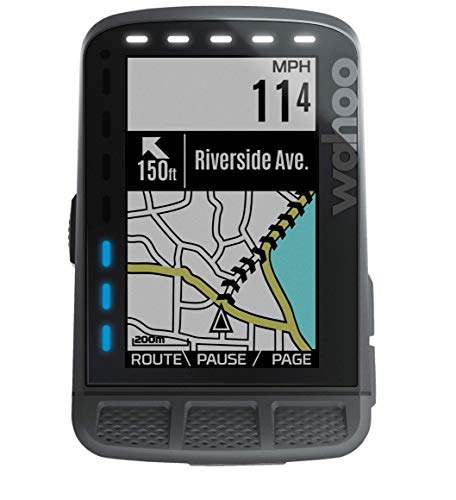
ON-DEVICE TURN BY TURN NAVIGATION - The ELEMNT ROAM will automatically generate turn-by-turn prompts for routes and file types; including GPX files, TCX files, and routes imported from Strava, Ride With GPS, and Komoot. Top LEDs and audible cues let you know, at-a-glance, what your next turn is or if you've gotten off-course.

Bundle Includes - 1 x DJI Osmo Action 4 Standard Combo | 2 x Extra Batteries | 1 x 64GB microSDXC Card | 1 x 58-in-1 Accessory Kit
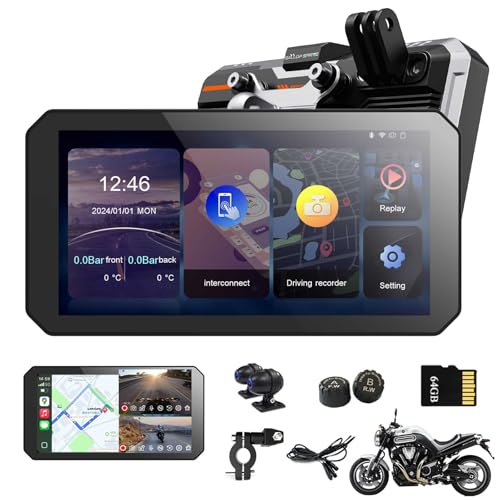
7-Inch Large Display with Expansive 6.3-Inch Viewable Screen: Command your ride with a large 7-inch unit housing an exceptional 6.3-inch viewable IPS screen. The vast, high-resolution display offers unmatched clarity for split-screen multitasking of maps, cameras, and data.
Benefits of Stem Faceplate Mounts

Stem faceplate mounts provide a reliable and efficient way to secure GPS units on bicycles, delivering several advantages that enhance our riding experience.
Central Mount Advantages
These mounts attach directly to the stem’s faceplate, allowing for a centralized position. This helps achieve a clean cockpit design by reducing clutter on the handlebars.
Stability and Compatibility
The close proximity to the stem guarantees stability against vibrations and bumps during rides. Most models fit various bolt spacings, usually between 22-35mm, enhancing compatibility with various bike setups.
Aerodynamic Benefits
The streamlined design minimizes added weight while maintaining bike balance, making them ideal for performance-oriented cyclists. Overall, stem faceplate mounts efficiently optimize both functionality and aesthetics on our bikes. Additionally, weather-resistant designs ensure that your GPS unit remains functional in various outdoor conditions.
Recommended Products


Enhance your cycling setup with the K-EDGE Specialized Future Combo Mount, crafted from CNC machined 6016-T6 aluminum for ultralight durability and corrosion resistance.

Designed with carrying capacity for simultaneous use of light or camera with computer
Features of Modular and Adjustable Mounts

When considering a GPS mount for our bicycles, the features of modular and adjustable mounts stand out for their versatility and functionality.
Modular Customization Options
These mounts feature interchangeable components that allow us to customize for various GPS brands. We can quickly swap devices without removing the entire mount, ensuring compatibility with popular models like Garmin and Wahoo.
Adjustable Positioning Benefits
Most modular mounts support multiple orientations, enabling us to optimize visibility. Adjustments in fore/aft positioning and angle tilt allow for precise control, enhancing our screen readability in different light conditions. Additionally, many mounts are designed to accommodate high-resolution screens, which improve visibility under various lighting conditions.
Recommended Products

Small version of the RAM Tough-Claw base is designed to quickly clamp to round, square, and odd-shaped rails and bars ranging from .625" to 1.14" in outer diameter; rubber pads provide stable gripping and protection of mounting surface

Spring-loaded 'X' design with rubber caps sports great holding power without hiding your phone; includes optional device tether for peace of mind during rugged use

COMPATIBLE WITH ALL WAHOO CYCLING COMPUTERS: designed for full compatibility with all Wahoo models, this mount ensures a secure and stable connection, making it ideal for cyclists who rely on Wahoo devices for performance tracking and navigation during rides.
Compatibility Concerns With Specific Brands
Selecting a GPS mount involves considering compatibility with various brands. Garmin compatibility often requires specific mounts or compatible adapters due to their unique quarter-turn locking system. These mounts, like out-front or handlebar designs, cater to Garmin’s device dimensions.
Wahoo adaptation is slightly easier, with many third-party options supporting both Wahoo and Garmin due to similar mount interfaces. Still, verification of compatibility is essential for secure fittings.
Lezyne mounts diverge from these systems and may need custom solutions or aftermarket options for effective integration. Universal adapters can bridge gaps between different mount designs, providing mixed brand compatibility. Brands like Cane Creek simplify mounting across multiple GPS units, ensuring flexibility and optimized visibility on the ride. Additionally, ensuring robust waterproof ratings can enhance the durability of your GPS computer during varied weather conditions.
Installation Tools You’ll Need
To install a GPS on your handlebars effectively, we’ll need a variety of tools. First, basic hand tools include hex wrenches (typically 3mm, 4mm, and 5mm), screwdrivers, and a torque wrench to guarantee proper tightness according to the installation instructions.
Next, specialized mounting hardware like mounting brackets and rubber shims will help us fit various mount types securely. We also recommend zip ties for stability, along with cleaning supplies such as isopropyl alcohol and microfiber towels for surface preparation.
Measurement tools such as a caliper and level tool will assist us in precise alignment. Always keep gloves, extra mounting screws, and a torque specification guide handy for a smoother installation process. Additionally, using a torque wrench can help ensure that you apply the correct amount of force, which is crucial for the longevity of your bike components.
Recommended Products

Helmet Communicator for Motorcycles, Snowmobiles, ATVs

The Strongest, Most Secure & Versatile Smartphone Motorcycle Handlebar Mount PRO Chrome - Large made from precision CNC-machined chrome-plated aluminum with a black lever and black hardware.

The Strongest, Most Secure & Versatile Smartphone Motorcycle Handlebar Mount PRO Chrome - Large made from precision CNC-machined chrome-plated aluminum with a black lever and black hardware.
Proper Techniques for Secure Installation
Mounting a GPS securely on handlebars requires careful attention to techniques for proper installation. First, we need to choose a mounting location that doesn’t obstruct bike control. The GPS should be positioned upward for better satellite reception, avoiding obstruction from cables and brake levers.
Next, we must secure the mount to the handlebars using rubber pads or manufacturer-provided bands and bolts. It’s essential to tighten the bolts to the recommended torque of around 5-6 Newton meters.
Finally, we should align the GPS’s tabs with the mount’s notches. By ensuring it snaps securely and checking for stability during simulated riding, we achieve a reliable, secure installation that withstands vibrations and movement on our rides. Additionally, choosing a mount designed for weather resistance features can enhance durability during various riding conditions.
Tips for Optimal GPS Computer Placement
When we consider the placement of a GPS on our bike handlebars, various factors come into play that considerably affect visibility and usability.
Optimal Mount Type
Using an out front mount typically enhances visibility without obstructing handlebar controls. Alternatively, stem mounts free up space but might compromise viewing angles based on our riding posture.
Visibility Optimization
We should position the GPS at eye level to minimize glare and guarantee easy access. A slight incline, up to 6 degrees, helps maintain screen readability while reducing distractions. Additionally, ensuring that the GPS is mounted securely can help prevent any unintended movement that might distract from the ride, similar to how rust removers are essential for maintaining bike performance.
Safety and Interaction
It’s essential to position the GPS for one-handed access, confirming a secure grip on the handlebars while riding. By optimizing these factors, we enhance our user experience and improve our overall cycling efficiency.
Factors Affecting Material Durability
Durability of GPS mounts is essential for maintaining performance and avoiding replacements.
Mount Material
Different mount materials impact durability factors considerably. Aluminum mounts boast superior strength, resisting impacts and deformation better than plastic. Reinforced plastics may balance weight and durability but can crack under severe stress. Carbon fiber mounts are light but can be brittle, especially from high impacts. Weather resistance capabilities are also crucial for ensuring the mount can withstand various environmental conditions.
Environmental Resistance
Mounts exposed to UV light degrade faster without stabilizers, while moisture necessitates corrosion-resistant materials. Temperature changes can cause brittleness.
Vibration and Impact Resistance
Metal mounts absorb vibrations better, reducing stress, whereas loose fittings can increase material fatigue. Properly designed mounts with rubber inserts mitigate vibration damage.
Choosing the appropriate mount material guarantees your GPS remains secure and functional during rides.
Exploring Accessory Integration Options
The integration of accessories on GPS mounts offers cyclists enhanced functionality and streamlined setup. By exploring various mount designs, we can increase accessory compatibility. Some options include mounts that allow the addition of lights or cameras, providing a centralized position for all devices.
These modular mounts help maintain organizational benefits by reducing handlebar clutter. For instance, mounts like those from Cane Creek enable us to combine our GPS devices with essential accessories seamlessly.
Additionally, many mounts are designed with adjustable orientations and angles, ensuring a secure fit while accommodating various bike setups. This thoughtful integration enhances performance without sacrificing aesthetics, allowing cyclists to focus on their ride while keeping everything organized and accessible.
Enhancing Safety and Security of Your Mount
To enhance the safety and security of our GPS mounts, we must prioritize effective structural integrity and optimal positioning. Selecting mounts made from aerospace-grade aluminum guarantees superior rigidity and durability. CNC machining enhances mount precision and grip, improving mount stability and reducing vibrations.
For ideal positioning, place the mount centrally on the handlebars or out front to maintain visibility and control. This prevents interference with hand movements and avoids accidents.
Additionally, using mounts with shock-absorbing inserts protects our devices from vibrations and impacts. Implementing locking mechanisms or secured mounts deters theft, while avoiding quick-release options in high-theft areas is essential. Regularly inspecting for wear enhances device protection and prolongs mount reliability.
Regular Maintenance for Longevity
Regular maintenance is essential for ensuring the longevity of our GPS mounts. By following a consistent maintenance schedule, we enhance our mounting safety and prevent issues down the line.
Inspection and Tightening
We should periodically check screws and bolts for tightness, using the appropriate hex keys. Ensuring our rubber pads are intact prevents slippage.
Cleaning and Corrosion Prevention
Wiping our mounts with a damp cloth removes residue that could weaken materials. We must avoid harsh chemicals.
Alignment Checks
We should confirm our GPS device is properly aligned in the mount and check for any looseness during removal and reattachment.
These practices help maintain device performance and reliability, ensuring our rides remain uninterrupted and safe.
Troubleshooting Common Mounting Issues
Even with regular maintenance, we may encounter some mounting issues that affect our GPS performance. First, let’s check for mounting errors. If our GPS loses signal intermittently, we should guarantee the unit is firmly seated and that contacts are clean and dry. Next, inspect for loose connections and verify that the sensor and magnet alignment is precise. Misaligned magnets can hinder speed and distance tracking.
Additionally, it’s critical to evaluate the mounts for cracks or wear. Using the correct mount type for our handlebars is essential for secure attachment. A mismatch can lead to stability issues and increase the risk of detachment during rides. Regular inspections will help us minimize these problems, guaranteeing reliable GPS functionality.
Frequently Asked Questions
Can I Use My GPS Mount on Any Handlebar Size?
While we can’t use every GPS mount on any handlebar size, universal mounts and handlebar adapters can help fit various diameters. We should always check compatibility to guarantee a secure and stable setup.
How Do I Know if My Mount Is Compatible With My GPS Device?
To know if our mount’s compatible with our GPS device, we should check the mount types and compatibility factors like brand specifications, handlebar sizes, and any necessary adapters to guarantee a secure fit and ideal performance.
What Should I Do if My GPS Falls off During a Ride?
When it rains, it pours! If our GPS falls off during a ride, let’s follow these GPS safety tips: stop safely, search the area, and activate our emergency protocols to retrieve it quickly.
Are There Mounts for Both Road and Mountain Biking?
Yes, there’re mounting options suitable for both road and mountain biking. We recommend using adjustable mounts for versatility, and don’t forget to follow installation tips for ideal security and performance on any ride.
How Often Should I Check My Mount for Wear and Tear?
Every ride, we should perform a mount maintenance check, catching wear inspection signs before they become problems. A monthly review keeps our devices secure, ensuring smooth rides without worrying about unexpected failures along the way.


