As an Amazon Associate, we earn from qualifying purchases. Some links on this site are affiliate links at no extra cost to you. Our recommendations are based on thorough research and editorial judgment.


3 Best Wireless Cycling Computers of 2026 – Track Your Rides Like a Pro

To track your rides like a pro in 2026, consider these top wireless cycling computers:
- L4 Entry Level GPS: Compact and lightweight with a 22-hour battery and 1000 km data tracking.
- iGPSPORT BSC100S: Offers a 2.6-inch display, five satellite systems, and tracks over 40 metrics for extensive data.
- CATEYE Velo Wired: Reliable wired function, three-year battery life, and tracks trip distance and speed accurately.
You may be interested
Learn how to choose the right one for you next.
Key Takeaways
- The L4 Entry Level Wireless GPS Bike Computer offers compact design and up to 22 hours of battery life for reliable tracking.
- iGPSPORT BSC100S features a 2.6-inch display and compatibility with five satellite systems for precise location tracking and data storage.
- The CATEYE Velo Wired Bike Computer provides essential speed metrics and a robust three-year battery life for hassle-free usage.
- Choose computers with customizable displays for tailored data views and ensure at least 2.3-inch screens for better readability.
- Look for IPX7 waterproof ratings to ensure durability and reliable performance in various weather conditions while cycling.
L4 Entry Level Wireless GPS Bike Computer
Sale


Navihood L4 Entry Level GPS Bike Computer Wireless, Laminated 2.3" Screen, Ultra Thin and...
- 【Ultra-thin 13.5mm Lightweight 45g】 The L4 bike speedometer is only 13.5mm thick and weighs 45g, thinner and lighter than more than 99% of bike computers, making it...
- 【IPX7 Waterproof & AUTO Backlight】Regardless of weather, the Navihood L4 bike computer is ready for any adventure. Its IPX7 waterproof rating ensures practicality in...
- 【2S Accurate GPS Positioning】Navihood L4 entry-level GPS bike computer provides accurate global positioning, using multiple satellite systems such as GPS and GLONASS...
The L4 Entry Level Wireless GPS Bike Computer is an ideal choice for recreational cyclists looking for essential features without excessive complexity. This compact device measures 3.07L x 1.7W x 0.53H inches and weighs only 45g, making it lightweight and easy to handle during rides.
Key Features
- Display: 2.3-inch anti-glare LCD.
- Battery: Lasts up to 22 hours on a single charge.
- Storage: Tracks up to 1000 km of riding data.
- Water Resistance: IPX7 rating guarantees it withstands wet conditions.
The L4 seamlessly connects via ANT+ and Bluetooth for other sensors, enhancing your cycling experience. Customization options through the Navihood app allow you to select preferred data displays, making this bike computer functional and user-friendly.
Best For: Recreational cyclists seeking a reliable and affordable bike computer with essential features and easy usability.
Pros:
- Lightweight and compact design for easy handling during rides.
- Long battery life of up to 22 hours, suitable for extended cycling trips.
- Customizable display options via the Navihood app enhance user experience.
Cons:
- Some users reported difficulties activating the device after initial use.
- Button size may be challenging to use while wearing gloves.
- Variable battery performance experienced by some users over time.
iGPSPORT BSC100S GPS Bike Computer
Sale

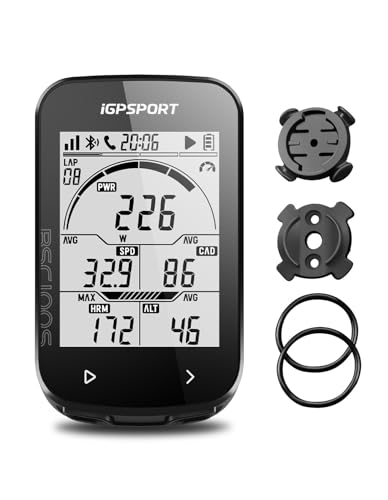
iGPSPORT BSC100S GPS Bike Computer Wireless, 2.6 inch LCD Display 40H Rechargeable Waterproof...
- 【Global GPS Coverage】This bike computer supports 5 satellites positioning (GPS+Beidou+GLONASS+GALILEO+QZSS), which makes it positioning faster and your riding data...
- 【40+ Riding Data】This bicycle computer offers over 40 riding data, such as speed, distance, grade, cadence, calories, time, temperature etc.
- 【Data Analysis and Sharing】This GPS bike computer supports iGPSPORT APP connection, can analyze your riding data, and share your data to Strava, Komoot etc.
For cyclists seeking a reliable and user-friendly device, the iGPSPORT BSC100S GPS Bike Computer offers essential features at an affordable price. Its 2.6-inch LCD display is anti-glare, ensuring clear visibility in various lighting conditions. Weighing only 67g and compatible with waterproof standards (IPX7), it’s durable for all weather conditions.
GPS and Data Tracking
This bike computer supports five satellite systems, ensuring quick and accurate positioning. It tracks over 40 metrics, including speed, distance, and cadence. Plus, it stores 250 hours of riding data.
Connectivity and User Experience
The device integrates easily with ANT+/Bluetooth 5.0 and the iGPSPORT app for enhanced data analysis. Automatic functions simplify your ride experience.
Best For: The iGPSPORT BSC100S GPS Bike Computer is best for budget-conscious cyclists seeking a reliable and user-friendly device for tracking essential performance metrics.
Pros:
- Lightweight design at only 67g, making it easy to mount on any bike.
- Supports multiple satellite systems for fast and accurate GPS positioning.
- Integrates seamlessly with ANT+/Bluetooth 5.0 devices and the iGPSPORT app for enhanced data analysis.
Cons:
- Lacks GPS navigation features that some cyclists may desire.
- Limited customization options for data display settings.
- Concerns about long-term battery longevity despite a strong initial performance.
CATEYE Velo Wired Bike Computer

CATEYE Velo 7 Wired Bike Computer
- ALL YOUR FAVORITE STATS: Displays current, max, and average speed, total distance, trip distance, elapsed time, pace arrow, and clock.
- DON'T SWEAT THE SMALL STOPS: Caught at a red light? Stopping for coffee? We've got you covered. Your CatEye computer knows when you've stopped and automatically stops...
- GO THE DISTANCE: With a battery that lasts up to three years, you can install it and forget about it.
Cyclists new to the sport often seek reliable tools for tracking their performance, and the CATEYE Velo Wired Bike Computer stands out as an ideal choice. This entry-level speedometer and odometer offers essential features for beginners.
Key Features
- Displays current, max, and average speed
- Tracks total and trip distance
- Shows elapsed time and pace arrow
- Built-in clock for easy time management
Auto Functionality
It automatically pauses when you stop riding, guaranteeing accurate data during breaks.
Sensor Technology
Equipped with a wired speed sensor, it guarantees accurate and interference-free speed measurement.
Battery Life
With a battery lasting up to three years, CATEYE Velo is hassle-free to use.
Best For: Beginner cyclists looking for a reliable and straightforward bike computer to track their performance.
Pros:
- Affordable entry-level option that covers essential cycling metrics.
- Auto functionality ensures accurate performance data by pausing when you stop.
- Long battery life of up to three years for hassle-free operation.
Cons:
- Wired sensor may not appeal to those who prefer wireless options for ease of installation.
- Limited advanced features compared to higher-end models, which may not meet the needs of experienced cyclists.
- Basic display may lack the enhanced visibility and data tracking options available in premium bike computers.
Factors to Consider When Choosing a Wireless Cycling Computer

When choosing a wireless cycling computer, several key factors matter. You should consider display size and clarity for easy readability, along with data tracking capabilities to monitor your performance. Additionally, think about battery life, connectivity options, and durability to make certain your device meets your cycling needs.
Display Size and Clarity
Choosing the right wireless cycling computer involves various factors, and display size and clarity are among the most critical.
Display Size
A display size of at least 2.3 inches is recommended for ideal readability while cycling. Larger screens offer more space for multiple data fields, making it easier to track various metrics simultaneously.
Clarity and Visibility
Clear displays are essential for quick data recognition. Higher resolution screens provide sharper text and graphics, improving readability on the move. Anti-glare technology enhances visibility under direct sunlight, while an automatic backlight feature guarantees usability during low-light conditions.
Customization
A customizable display allows you to select your preferred data types and layouts. This focus helps you concentrate on the most relevant information while riding, enhancing your cycling experience.
Data Tracking Capabilities
The effectiveness of a wireless cycling computer greatly hinges on its data tracking capabilities. You’ll want a device that tracks various metrics like speed, distance, cadence, calories burned, and elevation gain. Some high-end models offer over 40 different statistics.
Data storage is also vital. Opt for a computer that can store hundreds of hours of riding data, enabling you to analyze your performance over time.
With GPS-enabled devices, look for integration with multiple satellite systems for enhanced accuracy. Many models support up to five systems.
Customization is key, too. Mobile apps can help you select preferred data displays for easier access while riding. Additionally, features like auto record, auto pause, and auto upload streamline your experience, allowing for hands-free tracking.
Battery Life Expectation
Battery life expectation is an essential factor in selecting a wireless cycling computer. Most models offer between 22 to 40 hours on a single charge, but real-world usage often sees a range of 18-22 hours.
Battery Type
Wireless cycling computers typically use rechargeable lithium-ion batteries. These batteries last longer than standard ones, with some non-rechargeable models extending up to three years.
Consideration for Rides
When choosing, think about your riding frequency. Long rides demand longer battery life to avoid mid-ride charging.
Power-Saving Features
Look for models with power-saving modes. These can enhance battery longevity during extended sessions, making them ideal for endurance cyclists. Always evaluate your cycling habits before deciding.
Connectivity Options Available
Connectivity plays a pivotal role in selecting a wireless cycling computer. The most common options include Bluetooth 5.0 and ANT+, which allow compatibility with various sensors like heart rate monitors and cadence sensors. This connectivity streamlines installation and facilitates real-time data syncing during your rides.
Additionally, many models support multiple satellite navigation systems, enhancing positioning accuracy. Features like GPS, GLONASS, and GALILEO provide reliable navigation data.
App integration is another key factor. It enables you to analyze performance metrics and share ride details on platforms like Strava or Komoot.
Effective connectivity options guarantee you can track a wide range of data types, including speed, distance, and elevation, contributing to a thorough performance overview.
Durability and Waterproof Rating
When choosing a wireless cycling computer, you can’t overlook durability and waterproof ratings. A high waterproof rating like IPX7 indicates the device can withstand heavy rain and splashes, ensuring reliable performance in wet conditions.
Materials Matter
Durability often relates to the materials used in construction. Look for robust designs with lightweight but sturdy plastic or metal. These materials help the computer resist impacts, especially during rough rides.
Mounting Security
A secure mounting system is vital. It prevents vibrations and impacts from damaging the device.
Battery Life
Long-lasting battery life is essential for extended rides. Many wireless models offer 18-40 hours of usage before requiring a recharge. This feature is ideal for long-distance cyclists.
Frequently Asked Questions
How Do I Install a Wireless Cycling Computer on My Bike?
To install a wireless cycling computer on your bike, follow these steps:
- Choose Location: Select a spot on the handlebars or stem for ideal visibility.
- Mount Bracket: Secure the provided mount using the included zip ties or screws.
- Attach Sensor: Position the speed sensor on the front fork and align it with the magnet on the wheel.
- Connect Wires: Route any necessary wires neatly along the frame to avoid damage.
Finally, calibrate according to the manufacturer’s instructions.
Can I Sync My Cycling Computer With a Smartphone App?
Yes, you can sync your cycling computer with a smartphone app. Here’s how:
- Check Compatibility: Confirm your cycling computer supports app connectivity.
- Install the App: Download the corresponding app from your smartphone’s app store.
- Pair Devices: Activate Bluetooth on both your smartphone and cycling computer, then follow the app’s prompts to connect.
- Sync Data: Once paired, your ride data will automatically transfer to the app for analysis and tracking.
What Is the Average Battery Life for These Devices?
The average battery life for wireless cycling computers typically ranges from 10 to 20 hours. Several factors influence this range:
- Usage: Frequent data updates may drain battery life faster.
- Settings: Higher brightness settings consume more power.
- Connectivity: Devices linked to GPS or Bluetooth may experience reduced battery duration.
For peak performance, charge your cycling computer regularly and monitor battery levels during prolonged rides. Keeping software updated may also enhance efficiency.
Are These Cycling Computers Waterproof or Water-Resistant?
Most modern cycling computers are designed to be water-resistant rather than fully waterproof. Here’s a breakdown:
- Water Resistance: They can withstand light rain and splashes.
- IP Ratings: Look for an IP rating of at least IPX4 for reliable protection against water ingress.
While manufacturers emphasize their durability, it’s wise to avoid submerging these devices. Always consult the product specifications to confirm it meets your specific needs for varied weather conditions.
How Do I Reset My Cycling Computer if Needed?
To reset your cycling computer, follow these steps:
- Locate the Reset Button: Check the device’s manual for its specific location.
- Press and Hold: For about 3-5 seconds until the display resets.
- Confirm Reset: Some models may require you to confirm the reset on screen.
If your cycling computer lacks a dedicated reset button, navigate to the settings menu and select ‘Reset to Factory Defaults.’ Always consult your user manual for model-specific instructions.


