As an Amazon Associate, we earn from qualifying purchases. Some links on this site are affiliate links at no extra cost to you. Our recommendations are based on thorough research and editorial judgment.


What Nutrition Should I Consume Before and During Long Rides?

For long rides, our pre-ride nutrition should focus on timing and meal composition. We should consume simple carbohydrates about 30 minutes prior and larger meals 3-4 hours beforehand. Target 60 grams of carbs and 20-30 grams of protein for rides over 60 minutes. During the ride, we need 40-60 grams of carbs per hour and hydration every 10-15 minutes. Following these guidelines guarantees peak performance and recovery, leading to enhanced endurance and strength on our rides. More insights await.
Key Takeaways
- Consume simple carbohydrates, such as fruits or energy bars, 30 minutes prior to long rides for quick energy boosts.
- Eat larger meals with complex carbohydrates and protein 3-4 hours before rides to enhance glycogen stores and prevent discomfort.
- Aim for 40-60 grams of carbohydrates every hour during rides to maintain energy and prevent fatigue.
- Use energy gels every 15-30 minutes during rides for quick energy intake while staying hydrated by sipping fluids every 10-15 minutes.
- Post-ride, consume carbohydrates within 30-60 minutes, targeting a 4:1 carbohydrate-to-protein ratio for effective recovery and muscle repair.
Importance of Pre-Ride Nutrition Timing
You may be interested


When we discuss pre-ride nutrition timing, it’s critical to recognize how it influences our overall performance and energy levels. Proper timing aids in energy availability, maximizing glycogen stores critical for endurance. We should aim to consume simple carbohydrates about 30 minutes prior to our rides; this guarantees quick digestion and energy supply. Larger meals, however, should be scheduled 3 to 4 hours in advance. This timing allows for ideal digestion rates and avoids gastrointestinal discomfort. Delaying intake can hinder glycogen availability, leading to premature fatigue. By strategically timing our nutrition, we not only support immediate energy needs but also enhance our longer-term endurance and performance adaptations. As a result, we must prioritize our pre-ride nutrition timing effectively. Additionally, maintaining adequate tire pressure before rides ensures optimal bike performance and can prevent unnecessary fatigue.
Ideal Pre-Ride Meal Composition

Achieving ideal performance during long rides hinges on the composition of our pre-ride meal. We should focus on complex carbohydrates to enhance glycogen stores, supporting our endurance. Ideal sources include whole-grain pasta, rice, and starchy vegetables, aiming for about 60 grams of carbohydrates if our ride exceeds 60 minutes.
In addition, incorporating lean protein, such as chicken or turkey, is essential. We should target 20-30 grams to enhance muscle repair without slowing digestion. Moderating protein prevents it from dominating the meal, ensuring that energy remains readily available.
Including small amounts of healthy fats, around 5-10 grams, can aid muscle protection. By balancing these macronutrients, we prepare our body for peak performance during challenging rides. Moreover, staying hydrated with a hydration system can significantly improve endurance and energy levels during long rides.
Recommended Pre-Ride Snacks

Choosing the right pre-ride snacks is essential for enhancing our performance and comfort. Our snack choices should focus on easy-to-digest carbohydrates to maintain energy levels without compromising digestive comfort. Recommended options include:
- Fruits: Bananas, dried figs, and watermelon cubes offer simple carbs and antioxidants.
- Energy bars: Clif Bars or similar provide the right balance of carbs, fat, and protein.
- Light protein pairings: Apple slices with almond butter or cheese with whole-grain crackers work well.
- Bagel sandwiches: A combination of lean turkey, lettuce, and tomato is effective.
It’s best to consume these snacks 60 to 90 minutes before riding to avoid gastrointestinal distress while ensuring adequate glycogen stores for peak performance. Additionally, consider the minimum brightness of 200 lumens for optimal safety when riding at night, as good visibility is crucial for performance and safety during long rides.
Recommended Products

High Carb Efficiency: Each PF 30 Chew packet delivers 30g of carbohydrates in a high carb-to-weight ratio, perfect for endurance athletes requiring lightweight and efficient fuel.

Daily Superfood Blend: Every day we are on the go, and with low quality food being readily available, good nutrition can be a difficult to find that’s why we created Plant Meal. Each serving contains 280 calories, 25g of complete plant protein, 23g of carbohydrates, and 8g of fiber per serving.

PLUS = 2x NATURAL ELECTROLYTES – Sourced from Sea Salt, Fruit and Chia Seeds. Double the electrolytes of original Huma Gel. 240-250mg Sodium, 50-145mg Potassium. Contains 100% All-Natural, Real-Food ingredients: Fruit Purees, Powdered Chia Seeds, Fruit Concentrates.
Nutrition Strategies During Long Rides

During long rides, it’s essential to implement structured nutrition strategies to maintain energy levels and prevent fatigue. We should aim to consume 40-60 grams of carbohydrates every hour, with considerations for extra-long rides. Utilizing energy gels is effective, as they provide a quick energy source when taken every 15-30 minutes.
Hydration plays a vital role, too. We must use a hydration pack to guarantee we’re sipping fluids every 10 to 15 minutes, targeting around 500 ml per hour. Mixing water, electrolyte drinks, and carbohydrate-containing fluids will optimize hydration and energy supply. Additionally, observing our urine color helps us monitor hydration status. This balanced approach will sustain our performance throughout the ride. It’s also important to consider carbon soles in your cycling shoes, as they enhance energy transfer efficiency and reduce weight, which can contribute to better overall performance on long rides.
Recommended Products

Independently lab and rider tested, proven to reduce neck forces and neck injuries through transferring the load during an accident away from the fragile bones in the neck.

CE tested and certified as impact protection:
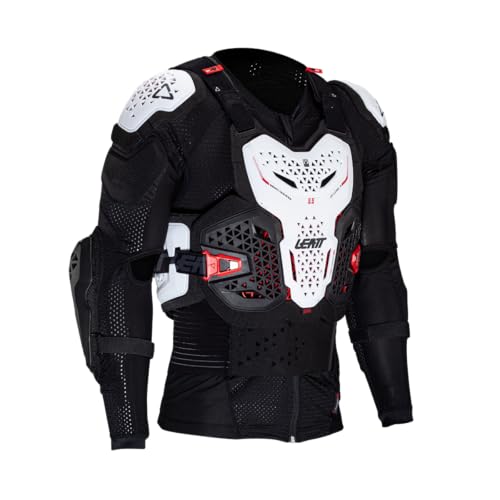
NEW 19% lighter model
Fueling Requirements for Extended Activities

Pre-Ride Nutrition
We should consume at least 2 grams of carbohydrates per kilogram of body weight 3–4 hours before a ride. This top-off of glycogen stores is vital for energy management. A balanced meal with 500–700 calories, emphasizing complex carbohydrates, moderate protein, and low fat, provides sustained energy without digestive issues. Additionally, staying hydrated and considering ventilation and comfort in your cycling gear can enhance overall performance during long rides.
During the Ride
For rides lasting 1–3 hours, we need to intake 30–60 grams of carbohydrates per hour. Carbohydrate-rich snacks help prevent muscle glycogen depletion and early fatigue.
Hydration and Electrolyte Management
Hydration and electrolyte management is essential for ensuring peak performance during long rides. Understanding our sweat rate helps us calculate hydration needs. We should weigh ourselves before and after rides to determine fluid loss. In hot conditions, we may require up to 24 oz of water per hour.
Our hydration strategies should include drinking early and often. Taking 2–3 gulps every 10–15 minutes keeps hydration consistent.
When it comes to electrolyte supplementation, we need to aim for 600–1000 mg of sodium per hour, depending on sweat levels. Using sports drinks with appropriate sodium concentrations is vital, particularly for rides lasting over 90 minutes. Monitoring visible salt loss can indicate a need for increased intake. Additionally, incorporating protective barriers such as bike protectant sprays can help maintain your bike’s performance during these long rides.
Recommended Products


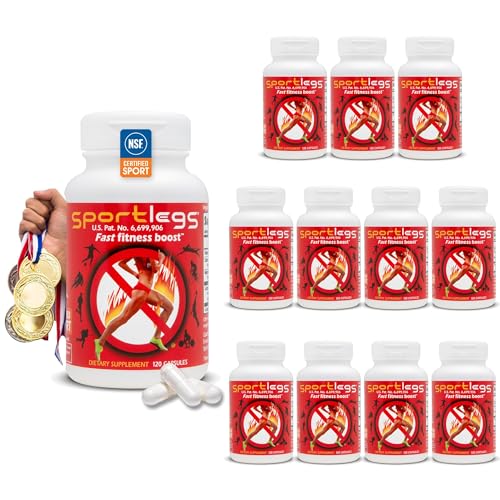
A DIFFERENT KIND OF PRE-WORKOUT. Not a stimulant and not an electrolyte drink. SportLegs prepares working muscles before hard efforts so movement feels smoother and more sustainable from the start.
Post-Ride Recovery Nutrition
Post-ride recovery nutrition is essential for restoring energy and facilitating muscle repair after a ride. To achieve effective glycogen restoration, we need to consume carbohydrates within the first 30-60 minutes post-ride. Our goal should be about 1 gram of carbohydrates per kilogram of body weight, which means roughly 70-75 grams for a 150-pound athlete.
In addition to carbohydrates, we must focus on protein synthesis to aid muscle repair. A 4:1 carbohydrate-to-protein ratio is ideal, equating to approximately 17-19 grams of protein. Incorporating foods like chicken, quinoa, or smoothies with protein powder can meet these needs. Additionally, regular calibration of our nutrition strategy ensures we adapt to our body’s changing requirements over time.
Planning our post-ride nutrition ahead guarantees we refuel promptly and effectively support recovery and future performance.
Recommended Products

The information below is per-pack only

Maximize your Potential: Enhance your active lifestyle with our Maltodextrin powder, designed to support your strength and performance goals. Each serving delivers a substantial 30 grams dose, catering to both fitness enthusiasts looking to push their limits.

Post-Workout Recovery Formula – Scientifically engineered with fast-absorbing protein, glycogen-replenishing carbs, and recovery-enhancing nutrients to help you bounce back faster and stronger.
Complementary Foods for Optimal Performance
To enhance our performance during long rides, we need to focus on the right foods that complement our nutritional strategy. Natural energy sources like bananas, oats, and sweet potatoes offer essential carbohydrates that fuel our rides effectively. We should consider a blend of whole foods and supplements, aiming for 60–90 grams of carbohydrates per hour.
Mid-ride options like honey and raisins provide easily digestible energy. Including monounsaturated fats from avocados and nuts can enhance fat metabolism, supporting our endurance. Additionally, insulated bottles can help maintain hydration temperature, which is crucial for optimal performance during extended rides.
Moreover, protein intake of 1.2–1.6 g/kg/day aids in muscle recovery. Together, these complementary foods guarantee sustained performance enhancement and ideal energy levels throughout our cycling journey, enabling us to ride longer and feel stronger.
Frequently Asked Questions
Can I Eat a Light Meal Right Before Riding?
Picture the sun rising as we glide into our ride. Eating a light meal right before cycling isn’t ideal; meal timing is key. Instead, let’s stick to quick pre-ride snacks for the best energy boost.
What if I’m Lactose Intolerant for Post-Ride Recovery?
If we’re lactose intolerant for post-ride recovery, we should explore alternative protein sources like pea or rice protein. Incorporating lactose-free options guarantees we recover effectively without gastrointestinal issues disrupting our performance.
Is Caffeine Beneficial for Endurance Rides?
Oh, who’d have thought? Caffeine from coffee boosts our endurance! Those caffeine sources enhance performance, sparing glycogen and keeping us focused. Let’s embrace these endurance benefits during rides, ensuring we pedal stronger and longer together!
How Does Altitude Affect My Nutritional Needs?
Altitude adaptation increases our nutritional needs, so we must prioritize carbohydrate intake and micronutrients. Nutritional timing is essential; consuming carbohydrates before and after exercise helps maintain energy levels and supports recovery in hypoxic conditions.
Can I Rely Solely on Energy Gels During Rides?
We can’t rely solely on energy gels during rides. While they’re efficient for quick fuel, incorporating alternate fuel sources like whole foods offers essential nutrients and reduces gastrointestinal issues. A mixed approach enhances our endurance and enjoyment.


