As an Amazon Associate, we earn from qualifying purchases. Some links on this site are affiliate links at no extra cost to you. Our recommendations are based on thorough research and editorial judgment.

The 5 Best Bike Hydration Systems for Staying Hydrated on Your Rides

To stay hydrated on your rides, consider these top five bike hydration systems: Speedfil A2, Profile Designs HSF Aerodrink 880, Xlab Torpedo Kompact 125, Profile Designs FC35, and F2 Hands-Free Hydration. Look for systems with various reservoir capacities (21–35 oz) for different ride lengths. Ascertain quick refilling mechanisms, accessible straw designs, and secure mounting compatibility to keep you safe and hydrated. Each choice prioritizes BPA-free materials and durability. Explore further for detailed insights on each option.
Key Takeaways
- Choose hydration systems with capacities between 21 to 35 ounces to match your cycling distance needs and minimize refill stops.
- Look for models with easy refilling mechanisms like flip caps and dual splash-resistant openings for quick, spill-free hydration on the go.
- Opt for straw designs that allow hands-free sipping and feature bite valves to prevent air intake and ensure a steady flow.
- Ensure that your chosen system is compatible with your bike’s mounting options, fitting securely in aerobars or standard down tube cages.
- Select BPA-free and FDA-approved materials for safety and durability, allowing for easy cleaning and maintenance to prevent bacteria growth.
Speedfil A2 Bicycle Water Bottle Hands-Free Hydration System
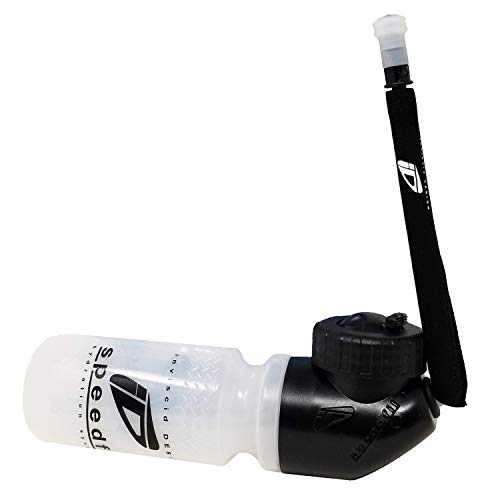
Speedfil A2 Bicycle Water Bottle, Between the Arms Hands-Free Hydration System with Refill Port
- Aerodynamic/ Low Profile
- Patented Zerosplash technology - No splashing on handlebars
- Works with any Specialized thread compatible bottle
You may be interested
The Speedfil A2 Bicycle Water Bottle Hands-Free Hydration System is an excellent choice for cyclists, triathletes, and time-trial participants who prioritize efficient hydration during their rides. With a generous capacity of 621 milliliters (21 ounces), it offers ample hydration without weighing you down.
Key Features
- Aerodynamic Design: Low profile placement reduces drag.
- Zerosplash Technology: Prevents splashing on handlebars.
- Multiple Mounting Options: Flexibility in bottle placement.
User Feedback
- Pros: Hands-free drinking enhances performance.
- Cons: Reports of leaks, affecting usability and ease of cleaning.
Best For: The Speedfil A2 Bicycle Water Bottle is best for cyclists, triathletes, and time-trial participants seeking efficient, hands-free hydration during their rides.
Pros:
- Hands-free hydration improves cycling performance and convenience.
- Aerodynamic design with low profile reduces drag.
- Easy to refill while riding thanks to the standard bottle with refill port.
Cons:
- Reports of leaks from various components can hinder usability.
- Some users experience frustration with straw drainage issues that affect fluid access.
- Difficulty in maintaining proper fluid levels during rides due to straw adjustment challenges.
Profile Designs HSF Aerodrink 880 Drink System – 30oz, Black
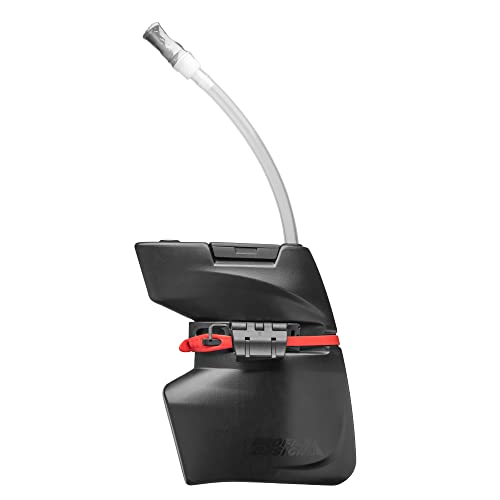
Profile Designs HSF Aerodrink 880 Drink System - 30oz, Black
- Flexible hose with bite valve.
- Flip cap for refill port.
- Now comes with Profile Design BTA tilt bracket!
Profile Designs HSF Aerodrink 880 Drink System is an ideal choice for athletes and cycling enthusiasts seeking an efficient hydration solution during races or long rides.
Design and Capacity
This front-end hydration system mounts easily between your aerobars. With a 30oz capacity, it offers ample hydration while maintaining a lightweight of just 1.9 pounds.
Performance Features
The flexible straw with a bite valve facilitates comfortable drinking, remaining full until empty. However, note that the flip cap isn’t secured and may fall off during use.
User Feedback
With a 4.0-star rating from 78 reviews, users appreciate its stability and light weight, but some report issues with the cap detaching or straw functionality.
Best For: Athletes and cycling enthusiasts looking for a lightweight and efficient hydration system during races or long rides.
Pros:
- High capacity of 30oz allows for ample hydration without frequent refills.
- Stable design ensures the system remains secure during bumpy rides.
- Lightweight at just 1.9 pounds, making it easy to mount on aerobars.
Cons:
- Flip cap is not secured and may detach during use.
- Some users experience difficulty in drawing liquid through the straw.
- Minor concerns reported regarding bracket stability and rubber components.
Xlab Torpedo Kompact 125 Front Hydration System

Xlab Torpedo Kompact 125 Front Hydration System
- Hydration right where you need It – Keep your water bottle right between your arms and your computer directly in front of you. Easy-to-install system stacks hydration...
- Easy to use simple to install – This front hydration system quickly and securely installs onto aerobar extensions using the included SECURECLIP brackets and...
- Computer data in easy view– Over the bottle computer mount positions your computer exactly where you need it for easy viewing. Mount securely grips your computer is...
For triathletes and cyclists seeking superior hydration while minimizing aerodynamic drag, the Xlab Torpedo Kompact 125 Front Hydration System is an excellent choice. Its compact design measures 241 mm in length and includes a 740 mL AQUA SHOT racing bottle, guaranteeing you stay hydrated without sacrificing speed.
Installation and Compatibility
Installing the system is straightforward, requiring just five minutes with two screws. It fits aerobar extensions 70 mm-150 mm apart and includes a computer mount for Garmin devices.
Durable Hydration Features
The VULCAN CAGE grips bottles securely, while BPA-free materials guarantee safety. Enjoy efficient hydration on all terrains.
Best For: Triathletes and cyclists looking for an aerodynamic hydration solution that ensures easy access to fluids during their rides.
Pros:
- Easy Installation: Takes only five minutes to set up with just two screws.
- Durable and Secure: VULCAN CAGE retains bottles firmly, making it reliable even on rough terrains.
- Safety First: BPA-free materials ensure safe hydration without harmful chemicals.
Cons:
- Stability Issues: Some users report stability problems and suggest using additional tie wraps for a more secure attachment.
- Compatibility Modifications: Users experienced mixed results with computer mounts that may require adjustments for non-Garmin devices.
- Limited Aerobar Fit: Designed specifically for aerobar extensions of 70 mm to 150 mm, limiting compatibility with other setups.
Profile Designs FC35 Hydration System, 35oz
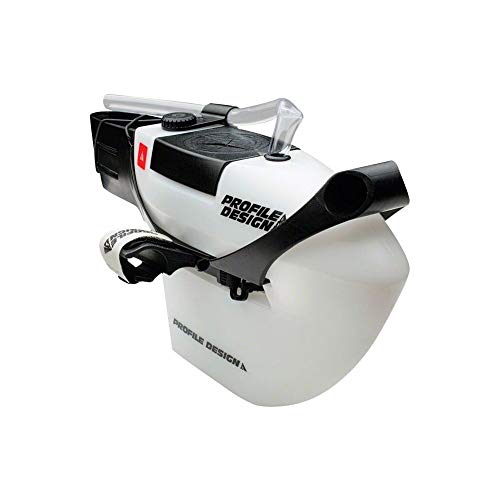
Profile Designs FC35 Hydration System, 35oz
- Engineered, patent-pending no-splash Refill port
- BPA-free, food safe HDPE bottle
- Compatible with Profile Design universal Aero drink bracket
Designed specifically for cyclists seeking effective hydration on the go, the Profile Designs FC35 Hydration System offers a generous capacity of 35 ounces in a compact, low-profile design. Made from BPA-free, food-safe HDPE, it guarantees your drink remains safe and clean.
Key Features
- No-Splash Refill Port: Patent-pending design prevents spills while refilling.
- Integrated Mount: Front computer mount enhances convenience by keeping your devices handy.
User Experience
Cyclists report effective hydration flow and stability during rides. However, some users suggest adjusting straw length for better access. Installation is straightforward, yet watch for compatibility issues with certain bike models.
Best For: Cyclists looking for a convenient and efficient hydration solution during long rides.
Pros:
- Effective hydration flow ensures minimal splashing on bumpy terrains.
- Integrated front computer mount provides easy access to biking devices.
- Low-profile design enhances bike handling and stability.
Cons:
- Higher price point may be a concern for budget-conscious cyclists.
- Installation of the red rubber retaining strap can be challenging.
- Compatibility issues may arise with certain bike models, requiring careful consideration before purchase.
F2 Bicycle Water Bottle Hands-Free Hydration System

Speedfil F2 Bicycle Water Bottle Hands-Free All Purpose Hydration System with Refill Port (F2)
- Works with any standard cage mounted on the down tube. Also works with any Specialized thread compatible bottle
- he bite valve and tubing keep fluid on demand without sucking up air for each drink
- Dual splash resistant opening allows for fast, on the fly refills with minimal splash
The F2 Bicycle Water Bottle Hands-Free Hydration System excels in providing seamless hydration for avid cyclists, particularly those engaging in triathlons or long-distance rides. This system is compatible with any standard cage mounted on your down tube, making it versatile for various bike styles.
Key Features:
- Capacity: Holds Specialized bottles of 21 fl oz or 24 fl oz.
- Design: Dual splash-resistant openings guarantee quick refills.
- Convenience: A bite valve and tubing allow for on-demand hydration without air intake.
- Durability: Made from dishwasher-safe plastic, it’s reusable and easy to clean.
Despite some concerns about taste and assembly, many users report enhanced hydration consistency during rides.
Best For: The F2 Bicycle Water Bottle Hands-Free Hydration System is best for cyclists participating in triathlons or long-distance rides who seek convenient hydration solutions without fumbling for traditional water bottles.
Pros:
- Dual splash-resistant openings allow for quick refills while riding.
- The bite valve and tubing enable fluid access on demand, enhancing hydration consistency.
- Made from reusable and dishwasher-safe plastic, the system is easy to clean and maintain.
Cons:
- Some users report unpleasant tastes and odors from the hose material.
- There can be compatibility issues with non-Specialized water bottles.
- The assembly may pose challenges, with potential issues like the hose wiring not securing properly.
Factors to Consider When Choosing a Bike Hydration System

When selecting a bike hydration system, you’ll want to contemplate several key factors. Think about hydration capacity, as your needs may vary based on the length of your rides. Additionally, evaluate ease of refilling, straw design accessibility, mounting compatibility, and the material’s durability and safety.
Hydration Capacity Necessity
Choosing the right hydration system for your bike ride hinges on understanding your personal hydration needs.
Hydration Capacity
Hydration systems typically range from 21 ounces (621 milliliters) to 35 ounces (1,036 milliliters). If you’re cycling long distances, opt for larger capacities to minimize refill stops, especially in hot weather.
Ride Duration
For short rides or training sessions, a smaller system might suffice, prioritizing quick access over volume.
Weight Consideration
Larger hydration systems can be heavier, potentially affecting bike handling.
Compatibility
Ensure your system fits standard bottle sizes and mounting options, allowing you to carry enough water without sacrificing performance or aerodynamics.
Understanding these factors helps you select a hydration system that best meets your cycling needs.
Easy Refilling Mechanism
Efficiency in hydration is just as important as capacity when selecting a bike hydration system, particularly during long rides or competitive events. An easy refilling mechanism allows you to replenish hydration quickly without stopping, enhancing your riding efficiency.
Key Features to Look For:
- Flip Caps: These facilitate fast access to water while maintaining stability.
- Dual Splash-Resistant Openings: These openings help reduce spills during refills.
- Compatibility with Various Bottle Types: This feature enhances user convenience.
- Quick Access to Refill Ports: It minimizes downtime when hydrating, especially vital in races.
Positioning of Refill Ports: Make sure that refill ports are easily accessible while cycling, avoiding any spills that could disrupt your performance. Prioritize hydration efficiency with a well-designed system.
Straw Design Accessibility
Straw design accessibility is a crucial factor in selecting a bike hydration system, as it directly impacts your ability to hydrate effectively during rides.
Easy Access
A well-designed straw allows you to sip without removing your hands from the handlebars. This enhances riding efficiency and promotes safety while on the road.
Flexible Straws
Opt for flexible straws with bite valves. They deliver liquid on demand while preventing air intake, ensuring steady hydration.
Positioning
Proper straw placement minimizes spills and facilitates complete bottle drainage, which is essential for hydration management.
Adjustability
Look for hydration systems with adjustable straws. This feature caters to various rider preferences and body sizes, enhancing overall accessibility.
Quick Drainage
Efficient straw drainage prevents residual liquid, reducing waste during extended rides.
Mounting Compatibility Options
When selecting a bike hydration system, it’s essential to contemplate the mounting compatibility with your specific bike type.
Fit with Bike Type
Ensure the system fits between aerobars or standard down tube cages. Check dimensions of aerobar extensions or handlebars for secure installation.
Versatile Installation Options
Assess the adaptability of the system to various mounting brackets. This is vital for both narrow and wide setups.
Secure Attachment Mechanisms****
Evaluate attachment mechanisms such as clips or straps. They should hold the hydration system firmly in place during bumpy rides.
Compatibility with Accessories
Look for compatibility with existing accessories, like a computer mount. This can enhance your cycling convenience and functionality.
Material Durability and Safety
Selecting a bike hydration system wisely hinges on understanding material durability and safety. Prioritize BPA-free materials to prevent chemical leaching, ensuring the fluids you consume are safe.
Durability
Evaluate high-strength polymers that resist impact and wear, essential for the demands of cycling.
Easy Maintenance
Select systems that are easy to clean and maintain. Bacteria can thrive in unclean environments, posing health risks.
Safety Standards
Check for FDA-approved materials. Compliance with these standards increases your confidence in the safety of the hydration system.
Weight and Aerodynamic Factors
Though often overlooked, the weight and aerodynamic design of a bike hydration system play essential roles in cycling performance. Choosing a lighter system can enhance your acceleration and climbing efficiency. When weighing options, consider:
- Aerodynamic Design: Systems mounted between aerobars reduce wind resistance and optimize speed.
- Low Profile: Hydration systems with a low profile minimize drag, critical for high-speed rides.
- Material: Lightweight plastics are necessary; they improve performance without compromising durability.
- Placement: A snug fit within your bike’s framework offers a streamlined shape, reducing turbulence.
Cleaning and Maintenance Ease
Choosing a bike hydration system isn’t just about weight and aerodynamics. Cleaning and maintenance ease play a vital role.
Cleaning Requirements:
Many systems are hand wash only, extending your cleaning time. Certain models may have dual splash-resistant openings for quick refills, but you might need to disassemble them for thorough cleaning.
Maintenance Necessities:
Straws and hoses can develop tastes and odors if not properly maintained, making regular upkeep essential. Dishwasher-safe materials can simplify the process, but you may still require specific cleaning tools for straws and tubing.
Access to Internal Parts:
Some designs are challenging to clean effectively, potentially allowing bacteria to accumulate over time. Prioritize systems that offer easy access to all components for better hygiene on your rides.
Frequently Asked Questions
Can I Use My Hydration System for Other Activities Besides Biking?
Yes, you can use your hydration system for activities beyond biking. Whether you’re hiking, running, or engaging in outdoor sports, these systems serve as versatile hydration tools.
Key Features:
- Compatibility: Designed to carry water easily.
- Durability: Built to withstand various environments.
- Portability: Lightweight design enhances convenience.
Ensure you clean it properly after each use, preventing any build-up. A well-maintained hydration system supports your hydration needs across different activities.
How Often Should I Replace My Bike Hydration System?
You should replace your bike hydration system every 1 to 3 years. This timeframe depends on usage, material wear, and cleanliness. Regularly inspect for cracks, leaks, or odors; these may indicate deterioration.
- Bite Valve: Replace if it’s hard to open or leaks.
- Reservoir: Consider replacing if stains or mold develop.
- Tubing: Change if it becomes discolored or hardens.
Staying proactive guarantees ideal performance and safety.
Are Hydration Systems Compatible With Different Bike Models?
Yes, hydration systems can be compatible with different bike models, but compatibility varies. Check the following specifications:
- Mounting System: Verify the hydration system fits within your bike’s frame or designated mounts.
- Size: Verify size compatibility with your bike’s geometry.
- Tube Length: Confirm the drink tube’s length suits your riding posture.
To optimize performance, always consult your bike manufacturer or hydration system guidelines for the best results.
What Materials Are Typically Used in Bike Hydration Systems?
Bike hydration systems commonly use the following materials:
BPA-Free Plastic: This lightweight and durable option protects against harmful chemicals.
Aluminum: Used in some reservoirs, it’s strong and resistant to corrosion.
Silicone: Often found in hoses and valves, it delivers flexibility and durability.
Neoprene: This insulating material keeps your liquids at a stable temperature.
Each material plays a critical role in performance, ensuring your hydration system functions effectively during rides.
How Do I Clean and Maintain My Hydration System?
To clean and maintain your hydration system, follow these steps:
Daily Rinse:
– Rinse the bladder and tubes with warm water after each use.
Deep Cleaning:
– Use a solution of mild soap or vinegar. Let it soak for 30 minutes.
Drying:
– Air-dry completely, ensuring no moisture remains.
Check Components:
– Inspect for leaks or damages regularly. Replace worn parts as needed.
Storage:
– Store in a cool, dry place. Avoid direct sunlight and heat sources.


