As an Amazon Associate, we earn from qualifying purchases. Some links on this site are affiliate links at no extra cost to you. Our recommendations are based on thorough research and editorial judgment.


What Is a Dual-Action Pump and Do I Need One?

A dual-action pump is a fluid transfer device that performs two pumping actions in one unit, enhancing efficiency and performance over traditional single-acting pumps. These pumps utilize dual chambers to create pressure and suction simultaneously, leading to continuous fluid flow. They’re energy-efficient and deliver a steady flow rate, making them ideal for industrial applications. If your system requires consistent performance and high pressure, a dual-action pump might be the right choice for you. Explore further for more insights.
Key Takeaways
- A dual-action pump moves fluids through two distinct cycles, enhancing operational efficiency with simultaneous push and draw capabilities.
- It offers higher pressure capabilities and continuous fluid flow, making it ideal for demanding industrial applications.
- Unlike single-acting pumps, it operates more energy-efficiently, reducing energy costs and minimizing operational downtime.
- Maintenance may be more complex due to its design, but its longevity and reduced energy consumption can lead to long-term savings.
- Consider a dual-action pump if you require high-efficiency fluid transfer and reliability in your operations.
Definition of a Dual-Action Pump
You may be interested



A dual-action pump is a mechanical device designed to move fluids efficiently through two distinct pumping cycles—one during the forward stroke and another during the return stroke. This pump type features two chambers per drive rod, allowing it to push fluid out while drawing fluid in simultaneously.
During each stroke, pressure is generated, enhancing operational efficiency compared to single-acting pumps. Dual-action pumps utilize designs such as pistons or plungers for effective fluid movement. The precise configuration of these chambers can slightly affect output volume and pressure, but most designs guarantee consistent flow rates. Ultimately, dual-action pumps balance performance and mechanical durability, making them a reliable choice for applications requiring efficient fluid transfer. By understanding these mechanisms, we can better appreciate their essential role in various systems, including double action mechanisms that provide faster inflation in bike pumps.
Basic Principle of Operation

Understanding the basic principle of operation of a dual-action pump helps us appreciate its efficiency and functionality. The pump utilizes diaphragm functioning to generate fluid movement. As compressed air enters one air chamber, the diaphragm flexes, pressurizing fluid on that side. Simultaneously, the opposite chamber exhausts air, allowing its diaphragm to retract, creating suction.
This coordinated movement relies on valve synchronization, where check valves open and close based on diaphragm motion. During the diaphragm’s forward stroke, the inlet valve closes, and the outlet valve opens, ensuring unidirectional flow. The process repeats cyclically, with both chambers operating continuously, enhancing fluid flow and minimizing pulsation. This systematic action leads to reliable pumping with consistent output regardless of pressure changes, much like the inflation speed of various portable pumps in cycling.
How Dual-Action Pumps Compare to Single-Acting Pumps

While both single-acting and double-acting pumps serve essential roles in fluid management, their operational differences greatly impact their applications.
Directional Capability
Single-acting pumps generate hydraulic pressure in one direction, relying on external forces for retraction. In contrast, dual-action pumps provide movement in both directions, enhancing mechanical motion within a single unit.
Reliability and Speed
Single-acting pumps are typically faster due to their simpler design, while double-acting pumps guarantee continuous operation, offering reliable fluid pressure throughout both strokes. Additionally, high-pressure capabilities in dual-action pumps make them suitable for various demanding applications.
Complexity and Cost
Single-acting pumps are less complex, leading to lower costs. Double-acting pumps, with their multiple components, may incur higher maintenance but provide benefits for high-demand hydraulic systems.
Efficiency and Performance Benefits

When we evaluate the efficiency and performance benefits of dual-action pumps, it’s clear that their design enhances operational capabilities in various applications. These pumps maintain steady high flow rates essential for industrial and laboratory processes. Their continuous pumping action allows for uninterrupted fluid transfer, which enhances operational consistency. Additionally, dual-action pumps can be compared to electric bike pumps, which also offer enhanced efficiency and convenience for users. Dual-action designs improve energy conservation by requiring less power compared to single-acting pumps. The continuous operation reduces energy losses from start-stop cycles. Additionally, their efficient fluid transfer occurs in a compact design, maximizing space in equipment settings.
Reduced Pulsation in Fluid Delivery

Reduced pulsation in fluid delivery is a significant advantage of dual-action pumps, enhancing their overall performance in various applications. These pumps achieve significant pulsation reduction through designs like dual-head liquid diaphragm systems and 180° phase-shifted diaphragms. By alternating discharge from multiple chambers, they can reduce pulsation by over 70%, leading to improved fluid stability.
- Multi-Diaphragm Systems: Using three or more phase-shifted diaphragms can further diminish pulsations.
- Pulsation Dampeners: Integrated dampeners also help minimize pressure fluctuations.
Together, these systems guarantee smoother flow, reducing the risk of foaming and hydraulic shocks. For those seeking dependable fluid delivery with less disruption, dual-action pumps are an ideal choice, merging technology and efficiency effectively. Additionally, the rapid inflation capabilities of dual-action pumps can enhance their efficiency in specific applications, making them a versatile choice for users.
Applications in Hydraulic Systems
Dual-action pumps play an essential role in hydraulic systems, enabling efficient fluid delivery in applications requiring force and movement in both directions. They are crucial in hydraulic cylinders for construction equipment, allowing controlled movement during extension and retraction. We often use these pumps in hydraulic presses, which need to exert force in both directions for shaping materials. Several factors influencing their effectiveness include the design of the pumping chambers and the sealing mechanisms that minimize leakage. Furthermore, advanced materials used in the construction enhance their durability. Dual-action pumps also find applications in hydraulic steering systems in vehicles, providing precise control. Their ability to deliver continuous fluid flow makes them indispensable in various hydraulic applications where reliable performance is paramount. Additionally, the durability and construction of these pumps are vital for ensuring long-lasting operation under demanding conditions.
Importance in Inflatable Sports Equipment
The role of dual-action pumps extends beyond hydraulic systems; they also play a significant part in inflatable sports equipment. These pumps enhance efficiency through advanced inflation techniques, delivering air on both the upstroke and downstroke. This means we can inflate items like paddleboards and tubes more quickly, achieving higher air volume—approximately 68 gallons in just 60 strokes.
Additionally, dual-action pumps accommodate diverse valve types with various adaptors, preventing air leaks. Their extended hoses provide flexibility during inflation, which is vital when dealing with larger gear. Many models feature built-in pressure gauges for precise inflation, ensuring we avoid over- or under-inflation. Overall, dual-action pumps facilitate a smoother, faster preparation process for all our inflatable sports activities. Furthermore, using multi-tools for repairs can enhance our overall experience by ensuring that our equipment is always in top condition.
Use Cases in Industrial Settings
In various industrial settings, dual-action pumps demonstrate their versatility and efficiency in several applications. These pumps are essential in factory automation, aerospace, military operations, and heavy industrial tasks. Their 100% chemical compatibility guarantees they meet safety standards and industry regulations without degradation over years of service.
Applications include:
- Hydraulic Power Packs: Delivering up to 10,000 PSI, ideal for machinery rigging and automotive repair.
- Medium Flow Rates: Suitable for extrusion and airless spray, facilitating flow rates of 420 to 504 liters per hour.
- Precise Dosing: The dual-piston design is critical for chemical processing and high-pressure dispensing.
This robust performance and durability make dual-action pumps a reliable choice in challenging environments, maintaining consistency even under high back pressure. Additionally, the environmental impact of the materials used in these pumps ensures they align with sustainable practices in industrial applications.
Technical Setup for Optimal Performance
Pump Design and Operation
Dual-action pumps feature two chambers per drive rod. This design allows fluid to be pushed out or drawn in on both strokes, creating a continuous flow.
Sealing and Efficiency
Robust sealing mechanisms around the piston and packing enhance pump efficiency. Proper sealing is essential for peak fluid dynamics.
Drive System and Materials
Typically, a crankshaft converts rotational motion to linear motion. High-grade materials like aluminum and steel guarantee durability, supporting extended lifespans and consistent performance.
Pressure and Flow Control
The design promotes equal pressure and flow rates, which is fundamental for maximizing pump efficiency. Monitoring mechanisms help maintain ideal operational conditions, securing reliability. Additionally, understanding duration of protection in various applications can help users select the right pump features for their needs.
Recommended Products
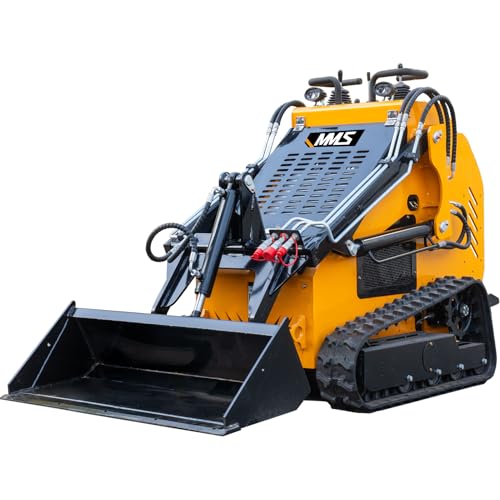
Powerful Power: Equipped with 23HP RATO R740-1 gasoline engine, dual start with flashlight, smooth start, economical fuel consumption, stable performance, able to easily cope with various complex working conditions, greatly improving work efficiency

Laser Class 2, 0.874 mW output power | Model Number:SH-G570
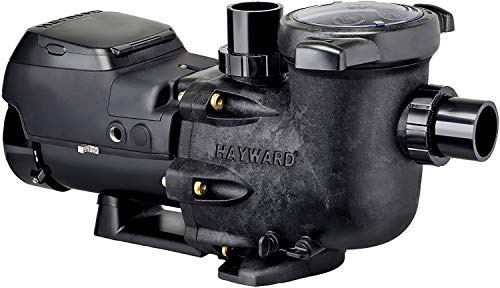
The Hayward TriStar VS Variable-Speed 2.7 HP is a variable speed pool pump that delivers the ultimate in energy efficiency, saving up to 90%, or $1,500 per year, on energy costs and may be eligible for local utility rebates
Control Considerations for Dual-Action Pumps
When considering control options for dual-action pumps, it is crucial to implement systems that guarantee peak performance and reliability. Two common control mechanisms are duplex control panels and lead-lag arrangements. Duplex panels alternate pump operation each cycle, distributing wear evenly, while lead-lag setups use one pump as the primary and activate the secondary only as needed.
Alarm integration enhances system safety. Visual indicators and alarms alert us to high liquid levels and pump statuses. Extensive monitoring features track pump runtime, cycles, and potential issues, ensuring prompt responses. Additionally, optimal ventilation positioning can improve overall system efficiency and performance.
Flexible control panel configurations allow precise activation points through multiple float switches. This adaptability helps optimize energy efficiency and extends pump lifespan while maintaining reliable operation under fluctuating demands.
Differences in Construction and Maintenance
The construction and maintenance of dual-action pumps differ considerably from their single-acting counterparts, influencing both performance and upkeep requirements.
Structural Complexity
Dual-action pumps have two pumping chambers, making their internal components more complex than those found in single-acting pumps. This complexity requires precision manufacturing and increases initial costs.
Maintenance Challenges
With dual-action pumps, we face higher wear due to pressure on both strokes. The intricate sealing systems and alignment demands necessitate specialized tools and expertise. In contrast, single-acting pumps require less frequent maintenance due to simpler structures.
Repair Strategies
When repairs are needed, dual-action pumps require coordinated work across multiple chambers. This increases service time and complexity, often necessitating skilled technicians and specialized parts, which can drive up operational costs.
When to Choose a Dual-Action Pump
Choosing the right pump can greatly impact efficiency and effectiveness in various tasks. A dual-action pump is especially beneficial when we need faster inflation speed and user comfort. These pumps deliver air on both the upstroke and downstroke, effectively doubling the air delivery per cycle.
We should consider a dual-action pump for large inflatables like paddleboards or air mattresses. It minimizes time and effort, reducing physical strain during prolonged use.
Furthermore, if we need to maintain consistent pressure, dual-action pumps excel in scenarios with extended or continuous inflation. They offer rapid air throughput, making them ideal for both recreational and industrial settings where precision and speed are paramount. By choosing this pump type, we streamline our inflation processes considerably.
Recommended Products

INFLATABLE KAYAK FEATURES a V-Bottom woven drop-stitch floor, 3 separate independent safety air chambers, and electrifying graphics
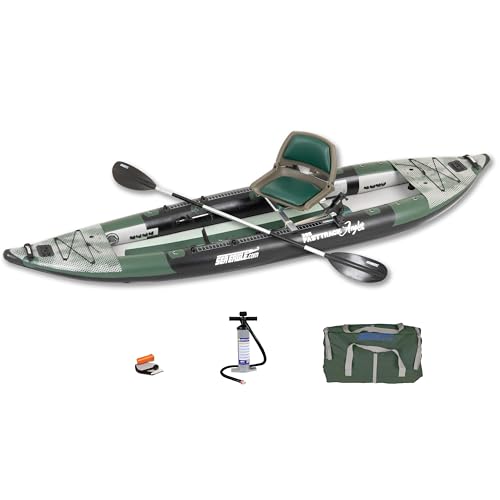
Inflatable Kayak, state of the art, external, rigid, inflatable NeedleKnife Keel for true tracking
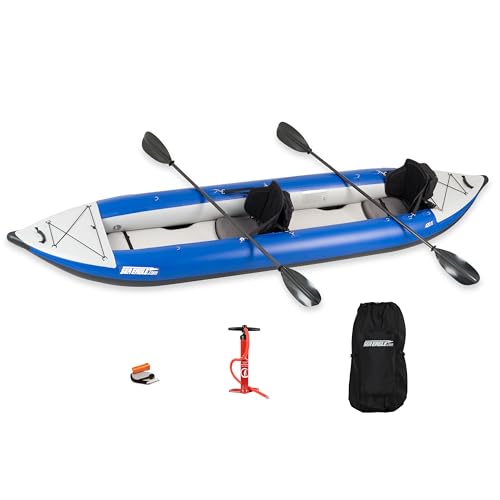
GREAT WET OR DRY BOATS - they are tough enough for class four whitewater, but stable, dry, and comfortable on flat-water. The high-pressure DS floor provides great rigidity and super responsive paddling performance.
Evaluating System Requirements for Pump Selection
To select the right pump, we must evaluate specific system requirements that align with our overall operational goals. First, matching the flow rate to the system demand is essential. We need to measure this in gallons per minute or liters per second. Pressure requirements, both operating and maximum, must also be considered for system compatibility.
Next, fluid characteristics like viscosity, temperature, and chemical composition directly affect our pump choice. We must ascertain pumps are suited for these conditions to guarantee pump efficiency.
Finally, understanding our system design and configuration helps us coordinate pumps with motors for peak performance. This thorough evaluation guarantees reliable operations and prolongs pump lifespan while minimizing inefficiencies.
Recommended Products

Useful for all types of pipe fitting, from waterworks to plumbing

✔【270 PINT DEHUMIDIFIER】Capacity industrial dehumidifiers are ideal for water damage restoration projects, its high efficiency rotary compressor ensures the maximum moisture extraction.Our commercial dehumidifier remove up to 270 pints (under 95°F,90%RH condition) of moisture per day ,coverage up to 3000 sq. ft.It is a dehumidifier perfect for many sites with high moisture such as scientific researching, commodity storage, underground engineering.

Pallet truck with hand brake for lifting and transporting pallets
Cost vs. Efficiency Analysis
When evaluating cost versus efficiency in pump selection, we must recognize that dual-action pumps often present a more advantageous option despite their higher initial investment.
Cost Analysis
Dual-action pumps generally have a higher upfront cost due to their complex design. However, one dual-action pump can sometimes replace two single-acting pumps, which reduces initial capital expenditure.
Efficiency Comparison
In terms of efficiency, dual-action pumps offer remarkably better volumetric efficiency and lower energy consumption, often achieving up to 79% efficiency. This leads to lower yearly energy costs and reduced power loss.
Conclusion
While specialized components for dual-action pumps can increase costs, their long-term savings from lower energy use and maintenance make them a compelling choice. Considering both cost analysis and efficiency comparison helps in making an informed decision.
Frequently Asked Questions
What Maintenance Is Required for Dual-Action Pumps?
To keep our dual-action pumps in top shape, we need routine checks and pump maintenance. This includes cleaning, lubricating moving parts, replacing worn components, and storing them properly to extend their lifespan.
Can Dual-Action Pumps Handle Different Fluid Types?
Dual-action pumps boast incredible fluid compatibility and pump versatility. They’re like the superheroes of fluid handling, effortlessly managing everything from slurries to solvents without breaking a sweat. We’ve found them indispensable for diverse industrial applications!
How Is Pump Size Determined for Specific Applications?
We determine pump size by evaluating pump capacity against flow and pressure requirements specific to each application. This guarantees application efficiency, preventing issues like inefficiencies or failures due to mismatched pump characteristics with operational demands.
Are Dual-Action Pumps Suitable for Extreme Temperature Conditions?
Yes, dual-action pumps can handle extreme temperatures if designed with suitable materials. We must consider pump durability, ensuring seals and components resist both high and low thermal stresses for peak performance and longevity in harsh conditions.
What Safety Features Are Common in Dual-Action Pumps?
Common safety features in dual-action pumps include pressure relief systems and overload protection. These guarantee safe operation while minimizing risks. We should always check these features before use to enhance our safety and effectiveness.