As an Amazon Associate, we earn from qualifying purchases. Some links on this site are affiliate links at no extra cost to you. Our recommendations are based on thorough research and editorial judgment.


Can I Use the Same Pump for Road and Mountain Bike Tires?

Yes, we can use the same pump for both road and mountain bike tires as long as it’s compatible with their valve types, Presta or Schrader. Most modern pumps support both valve types. Road tires typically require higher pressures (80-130 PSI), while mountain tires need lower pressures (20-50 PSI). To optimize efficiency, we should look for pumps with dual heads, pressure gauges, and ergonomic designs. For more details on pump features and maintenance, check out further information.
Key Takeaways
- Many modern pumps are designed to accommodate both Presta and Schrader valves, allowing for compatibility with various bike tire types.
- Road bike tires require higher pressure (80-130 psi), while mountain bike tires typically need lower pressure (20-50 psi).
- Dual or reversible pump heads enhance versatility by allowing quick switching between valve types without needing multiple pumps.
- Floor pumps are more efficient for home inflation, while mini pumps can be carried for emergencies despite requiring more effort.
- Regular maintenance of the pump ensures optimal performance for both types of tires, preventing air leaks and ensuring effective inflation.
Understanding Valve Types: Presta vs. Schrader
You may be interested


When we examine bike valve types, two primary options emerge: Presta and Schrader valves. Each has distinct valve characteristics that cater to different cycling needs.
Physical Differences: Presta valves, with a diameter of 6 mm, are narrower, longer, and made of metal, making them lighter. Schrader valves are 8 mm wide, shorter, and incorporate rubber components, leading to added weight.
Performance Differences: Presta valves can handle higher pressures (up to 125 psi) and provide a more secure seal, while Schrader valves are easier to inflate but can leak more often.
Mechanical Operation: Presta valves require manual adjustment, while Schrader valves use a spring-loaded poppet mechanism for quick inflation. Understanding these differences can help us select the right valve for our specific biking needs. Additionally, it’s essential to consider using bike-specific cleaners to maintain optimal performance, as they enhance the lifespan of components like valves and chains.
The Importance of Pump Compatibility

Pump compatibility is essential for ensuring that our bikes perform at their best. To achieve ideal results, we need to evaluate various factors such as pressure requirements and valve compatibility. Road bikes typically require higher tire pressures (80-130 psi), while mountain bikes need lower pressures (30-50 psi).
Selecting the right pump brand can offer diverse pricing options, from economical mini-pumps to efficient floor pumps. Mini-pumps provide portability and convenience, while floor pumps are ideal for home use due to their high air volume per stroke.
Additionally, most modern pumps support both Presta and Schrader valves, enhancing compatibility between bike types. Ultimately, using the correct pump improves inflation efficiency and prolongs tire life, ensuring a smoother ride for both types of bikes. User-friendly features like digital displays can also enhance the overall pumping experience.
Types of Pumps for Different Needs

Choosing the right type of bike pump is essential for meeting our specific needs during rides or maintenance. There are several pump types, each suited for different scenarios.
- Floor Pumps: Ideal for home use, offering rapid inflation and built-in pressure gauges for inflation efficiency.
- Mini Pumps: Compact and portable, best for emergencies; however, they require more effort and time to inflate.
- Frame Pumps: Medium-sized pumps attach to frames and provide decent air capacity.
- CO2 Inflators: Lightweight and fast but limited by cartridge availability.
- Electric Pumps: Convenient but heavier, and less common for casual riders.
Understanding these distinctions helps us select the best pump that balances portability and efficiency according to our biking needs. Additionally, pumps with precision pressure gauges ensure accurate tire inflation, which is crucial for optimal performance and safety.
Recommended Products


Dual Function: Works as both an air compressor and standard pump.

TwinTurbo Technology: Saves time and effort by utilizing dual barrels for efficient inflation.
Pressure Requirements for Road and Mountain Bikes

Understanding pressure requirements is vital for both road and mountain biking, as it directly impacts performance and safety.
Road Bike Tire Pressure****
Road bikes generally require high tire pressure, ranging from 80-130 PSI. This high pressure minimizes rolling resistance and reduces pinch flat risks. Ideal inflation is essential for maintaining tire shape, especially with narrow tires.
Mountain Bike Tire Pressure
Conversely, mountain bikes operate at much lower pressures, typically 20-50 PSI, accommodating wider tires (2.0″ to 2.8″). Lower tire pressure enhances traction and comfort on uneven terrain.
Pressure Adjustments
Both bike types can utilize tubeless setups for lower pressure benefits without increasing flat risks. We must consider rider weight, terrain, and tire width for ideal inflation, balancing comfort and performance effectively. Regular maintenance of bike tools can furthermore improve the overall biking experience.
Features to Look for in a Pump

When selecting a bike pump, features that enhance compatibility and usability are important.
Valve Compatibility
Look for dual or reversible pump heads to accommodate both Presta and Schrader valves. This design eliminates the need for adapters, improving overall inflation efficiency.
Pressure Accuracy
An oversized, easy-to-read gauge guarantees we accurately monitor tire pressure. Calibration up to 160 PSI is ideal for high-pressure road and lower-pressure mountain tires.
User Comfort
Ergonomic handles and stable bases provide better leverage and reduce fatigue. A longer hose increases maneuverability, allowing easier inflation even when bikes are on racks.
Construction Quality
Durable materials like steel or aluminum enhance longevity, particularly in portable models. Choosing a pump with these features assures efficiency and user comfort during inflation. Additionally, pumps with quality materials and valve connections prevent air leakage during inflation, ensuring optimal performance.
Recommended Products

Expand Your Backup Capacity: Add B6000 Battery Module to extend E10 from 6kWh to 90kWh total. Each 6kWh module adds 1 day of essential backup. Stack up to 5 modules per E10 (30kWh max). Triple systems reach 90kWh for 15-day backup.

2-in-1 Water Bike & Kayak Hybrid for Endless Fun: Revolutionize your water adventures with this 126" x 45.6" x 42.5" innovative inflatable water bike and kayak combo. Featuring 2 high-capacity float tubes and a 304 stainless steel bike system, this hybrid is perfect for cycling or paddling on lakes, rivers, and beaches. Ideal for outdoor enthusiasts seeking a unique and thrilling water experience

20 Gallon Air Compressor: Our 3KW oil-free motor drives the compressor up to a speed of 1680 r/min and 10.6 CFM@ 90 PSI air delivery. It is ideal for supporting a variety of pneumatic and air tools, such as nail gun, impact wrench, spray gun, pneumatic screwdriver, best for tire inflation, auto repair, spray painting, woodwork nailing, etc.
Cross-Use Considerations for Different Tires
Cross-using bike pumps for different tire types requires careful consideration of compatibility and performance specifications.
Valve Compatibility
Road bike tires utilize Presta valves, while mountain bikes typically have Schrader valves. Pumps with dual-head pumps can accommodate both, but those without may demand separate pumps or adapters.
Pressure Requirements
Road tires require higher pressures (80-130 psi) compared to mountain bike tires (30-50 psi). Consequently, pumps must be assessed for pressure capacity to guarantee effective inflation, especially since some models, like the Topeak Mountain DA G Bike Pump, can read pressures up to 60 psi.
Volume Efficiency
Floor pumps provide quicker inflation due to larger air volumes per stroke, beneficial for both types. However, mini pumps often prioritize portability, which may affect performance.
Recommendations for Pump Selection
Selecting the right bike pump is essential for achieving ideal performance from our tires. To guarantee pump durability, we should focus on high-quality materials, especially for those who frequently ride both road and mountain bikes. Pumps that accommodate a higher PSI range, such as 160 psi for road tires, are critical for maximum inflation.
For inflation ease, floor pumps are recommended for home use, as they offer speed and efficiency. Mini-pumps, while portable, require more effort, making them less convenient for high-pressure road tires. Confirming valve compatibility is also important; pumps with dual-head designs simplify the process for both Presta and Schrader valves. Additionally, a reliable pressure gauge aids in accurate inflation, which is crucial for maintaining tire performance. Helmets with MIPS technology provide enhanced safety for cyclists, emphasizing the importance of quality gear.
Recommended Products

Product Dimensions: 56X3X3 CM

Dual Function: Works as both an air compressor and standard pump.

HEAD - SmartHead. DX3 w/ air release button & x-long hose
Advantages of Dual-Head Pumps
Dual-head pumps offer significant advantages for cyclists who need versatility and efficiency in their inflation equipment.
Versatility in Valve Compatibility****
These pumps accommodate both Presta and Schrader valves, which are standard for road and mountain bikes. This eliminates the need for multiple pumps or adapters, streamlining our maintenance. Additionally, we can handle Dunlop valves without hassle.
Enhanced Pump Functionality
The locking mechanism provides hands-free pumping, enhancing inflation speed. Many dual-head models feature dual or multi-chamber systems for switching between high volume and high pressure, catering to various tire needs.
Efficiency of Inflation
Double-action designs improve air delivery on both strokes, reducing pump time. Integrated pressure gauges guarantee accurate monitoring, while quick valve attachment minimizes air escape, safeguarding effective sealing and faster inflation. Moreover, the high-pressure capacity of these pumps ensures they can handle different bike types, making them a great investment for any cyclist.
Recommended Products

- Unlock a More Vibrant Life - In addition to the adult electric bike and extra battery, your riding gift package will also receive the ultimate upgrade.
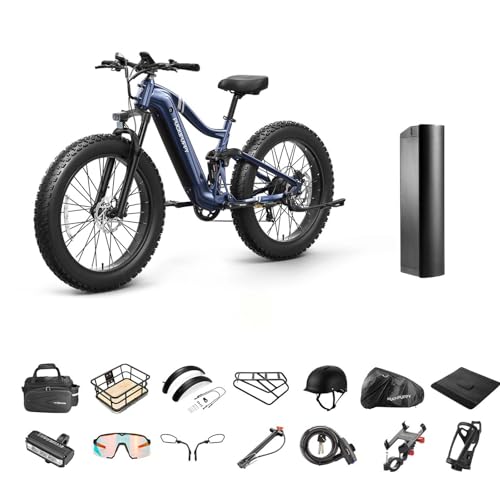
New Deluxe Gift Pack: PUCKIPUPPY has launched an ultra deluxe gift pack configuration to meet the needs of more riders, only 198USD to get the original price of 999USD, including Rear Rack Pannier, Front Basket, Bike Fenders, Rear Rack, Battery Protective Cover, Bike Cover, Helmet-Black(Head circumference:22 ″-24 ″), Headlight, Cycling Glasses, Rearview Mirror, Air Pump (ABC), Bike Cable Lock, Phone Mount, Bike Cup Holder, 15Ah battery.

SHELL: Multi-layered Ultra-TCT shell combines fiberglass, aramid and poly-resin fibers which minimize weight while maximizing strength and impact dispersal. Aero-tuned shell sculpture helps reduce aerodynamic drag, improve balance, and maximize mobility. Advanced multi-layer EPS provides superior energy absorption and channels for increased airflow. Aero-Tuned ventilation features a Ram-Air intake system, 4 port exhaust spoiler system and EPS channels for an optimal flow-thru effect.
Portability vs. Efficiency: Choosing the Right Pump
Portability Considerations
Mini pumps are lightweight (132g to 222g) and compact (8″ to 10.5″), making them ideal for rides. However, they require many strokes to reach high pressures, diminishing efficiency. Floor pumps offer rapid inflation but are bulkier and best for home use. Additionally, digital gauges enhance accuracy and ease of use, allowing riders to achieve the correct tire pressure efficiently.
Efficiency in Inflation
Electric pumps automate inflation, delivering user convenience, but they need charging and may be less portable. Pumps with dual-head designs work for both Presta and Schrader valves, enhancing adaptability without purchasing multiple pumps.
Recommended Products

Superior heat dissipation function: This model pcp air compressor‘s cylinder head exclusively developed by the TUXING brand is composed of 10 stainless steel SUS304 inner tubes, which has super heat dissipation function;

Built and designed for bicycles

DUAL-FUNCTION DESIGN FOR VERSATILITY: The Pneuma CC acts as both a high-pressure floor pump and a compact, concealed air charger—ideal for quickly seating tubeless tires or inflating standard tires with ease.
Maintenance and Care for Your Pump
To maintain the longevity and performance of our bike pump, regular care and attention are crucial. We should periodically inspect the pump head, hose, and seals for any signs of wear or damage to prevent air leaks. Cleaning the pump exterior and shaft removes dirt that can obstruct smooth operation. It’s essential to lubricate the main seal, especially under dry conditions, to guarantee effective pumping. Additionally, using a pump that is compatible with both Presta and Schrader valves ensures versatility for different bike types.
For effective storage, we must keep the pump in a dry, shaded area, avoiding dampness or extreme temperatures that can damage components. Store it upright to protect the hose, and regularly check the storage conditions. By following these procedures, we enhance pump longevity and guarantee consistent performance for all our biking needs.
Frequently Asked Questions
Can I Inflate a Road Tire With a Low-Pressure Pump?
We can’t effectively inflate a road tire with a low-pressure pump. While low pressure benefits exist, using it would compromise tire inflation techniques, leaving us with suboptimal performance and risk of damage. Let’s explore better options.
How Do I Change From Presta to Schrader Valve With My Pump?
To change from Presta to Schrader, we just need to guarantee our pump attachments are compatible. If our pump has a dual head, we can easily switch; otherwise, using a valve adapter works wonders too.
What Pressure Should I Start With for Mountain Bike Tires?
For mountain bike tires, we should start with around 25 PSI for cross-country rides and 28-30 PSI for all-mountain. Tire size influences this—wider tires let us run lower pressures comfortably. Adjust based on our needs!
Can Electric Pumps Work for Both Bike Types?
Did you know many electric pumps can handle pressures up to 150 PSI? This electric pump compatibility allows us to easily adjust for the tire pressure differences between road and mountain bikes, making inflation a breeze.
Are There Specific Brands Better Suited for Dual-Use Pumps?
When considering dual purpose pumps, we recommend brands like Lezyne and Topeak for their reliability and performance. Specialized also offers good options. These brands balance efficiency, compatibility, and durability for both road and mountain biking needs.