As an Amazon Associate, we earn from qualifying purchases. Some links on this site are affiliate links at no extra cost to you. Our recommendations are based on thorough research and editorial judgment.


Are Daytime Running Lights Necessary for Cycling Safety?

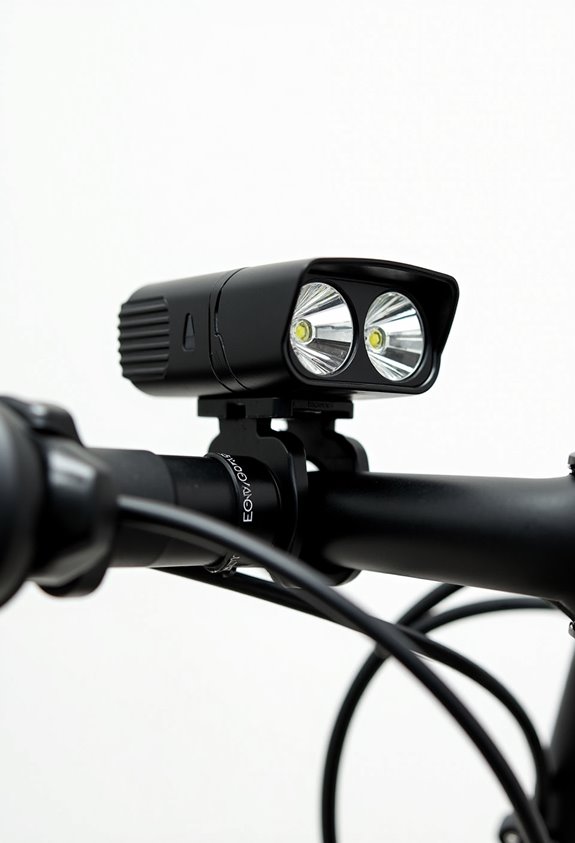
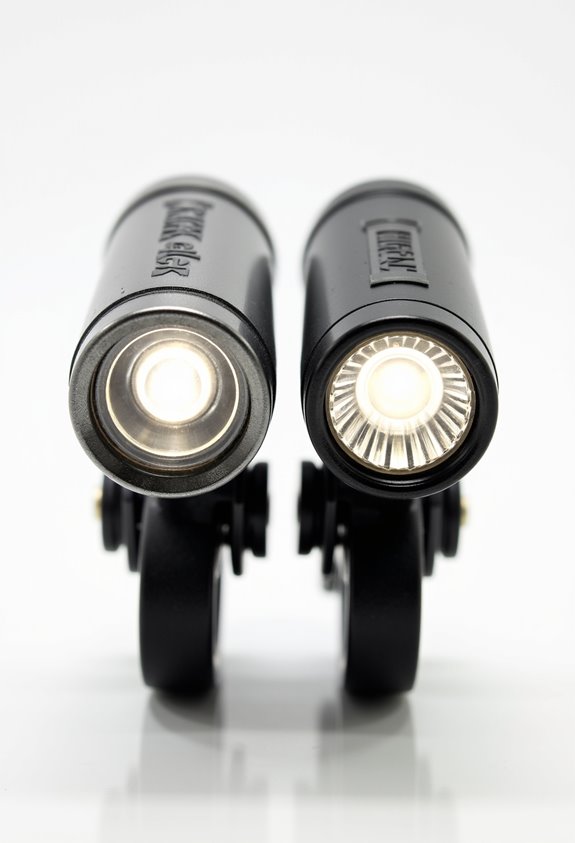
Daytime running lights (DRLs) are essential for enhancing cycling safety. Research shows that using DRLs can reduce cycling accidents by up to 33%. Their improved visibility, even in bright sunlight or poor weather, catches motorist attention effectively. Over 80% of bicycle accidents happen in daylight, often due to rear-end collisions. While DRLs greatly benefit cyclists, they should supplement other safety strategies. Understanding the full impact of DRLs and additional safety measures is significant for ensuring safety on the road.
Key Takeaways
- Daytime Running Lights (DRLs) significantly reduce cycling accident rates, with studies showing reductions of up to 33% in some cases.
- DRLs enhance visibility in various lighting conditions, making cyclists more noticeable to motorists.
- Effective use of DRLs can improve reaction time in accident-prone situations, potentially saving lives.
- While beneficial, DRLs should be part of a comprehensive safety strategy that includes awareness and proper cycling habits.
- Limitations exist, such as diminished effectiveness in bright sunlight and poorly maintained lights, highlighting the need for consistent use and maintenance.
The Impact of Daytime Running Lights on Accident Rates

You may be interested


When we consider bicycle safety, the use of daytime running lights (DRLs) emerges as an important factor in reducing accident rates. Research underscores that cyclists using DRLs can experience lower accident rates compared to those without. A Danish study demonstrated a 19% reduction in cycling accidents among riders using illuminated DRLs. Even more compelling, some sources claim that DRLs can cut accidents by up to 33%. Additionally, the U.S. NHTSA found DRLs can decrease cyclist fatalities in single-vehicle crashes by over 12%. Enhanced daytime visibility is vital; studies suggest DRLs considerably lower the frequency of cycling accidents. Overall, equipping bicycles with DRLs is a proven method for improving safety on the road. Furthermore, models such as the NiteRider Vmax+ utilize Daylight Visible Flash technology to enhance visibility during daytime rides.
Recommended Products

5500W PEAK MID-DRIVE MOTOR CONQUER ANY TRAIL: Lightning-fast acceleration and massive torque make steep climbs and rough terrain feel effortless. This LIFEMAGIC electric dirt bike delivers explosive power for teens and adults total confidence on every off-road adventure
2000W 2KW Brushless Motor Charger Included Turn Signal Light Highbeam Light Horn

【e bike 3500W peak power&220 Nm torque】 * * - It can release rapid acceleration performance and easily conquer 35 ° off-road climbing sections. The dirt ebike can reach a top speed of 38 miles per hour in seconds, bringing outstanding performance comparable to off-road motorcycles to thrill seeking adults.
Enhancing Visibility: How DRLs Benefit Cyclists

Daytime running lights (DRLs) play an essential role in enhancing visibility for cyclists on the road. These lights guarantee we remain visible in various lighting conditions, including cloudy days and dusk. DRLs utilize dynamic signaling, which captures motorists’ attention more effectively than static lights. Flashing or patterned lights grab focus by breaking drivers’ automated attention, a common challenge that cyclists face.
Research indicates that cyclists using DRLs can increase their visibility by up to 230%. This enhanced visibility allows for greater reaction time, reducing the risk of accidents at intersections. Consequently, incorporating DRLs into our cycling routine provides a clear safety benefit, guaranteeing we aren’t overlooked by motorists in complex traffic situations. Additionally, using USB bike lights can further improve our safety by offering versatile lighting options and enhanced visibility during both day and night rides.
Recommended Products

【Wirelessly 10.3 inches IPS Smart Display】CARPURIDE 10.3" portable car stereo compatible with Carplay & Android Auto. After link wirelessly, puting all your phone’s best features in a clean, safe, and easy-to-use hd touchscreen, wirelessly handle gps navigation, messaging, phone calls, bluetooth music, Siri. Never worry about heating and battery damage caused by using your mobile phone for navigation for a long time.

POWERFUL HEADLAMP - The Fenix HP30R v2.0 has a primary spotlight LED and two high CRI wide angle flood lights for a combined 3000 lumen max.
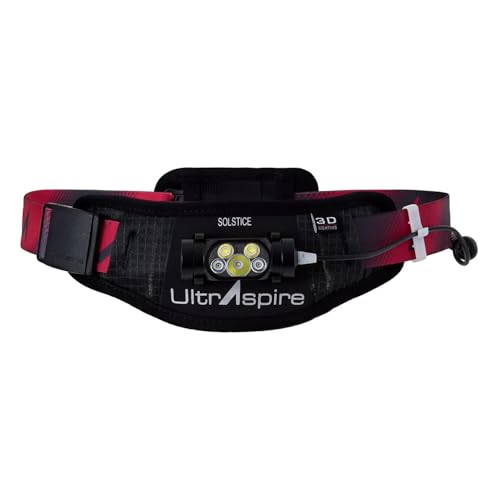
Technologies: Race Fit, Low Weight, Steady Beam, Stable Ride, Fatigue Free, AutoCool, Widebeam, EnduraLight, PerfectAngle
Daytime Cycling Accident Statistics and Trends

Cycling accidents are prevalent during daylight hours, presenting important safety concerns for cyclists. About 80% of these accidents occur when the sun is shining, particularly in urban settings where traffic is dense. Urban cycling statistics reveal that rear-end crashes represent 40% of all bicycle collisions, making them the most common type.
Notably, single-vehicle fatal accidents during the day can be mitigated with safety measures, like lights. The trends in cycling accidents indicate that enhancing visibility is essential in high-traffic areas. Distracted driving remains a major concern, contributing greatly to rear-end collisions. Additionally, using helmets with integrated lighting options can significantly improve a cyclist’s visibility and safety. As we analyze these statistics, it’s clear that addressing the factors involved is critical to improving cyclist safety on our roads.
Recommended Products

Designed with the Future in Mind

►A Complete Package◄ Chopped Tour Pack with Detachable Mounting Rack and Black Stitching Liners

Upgrade your ride 2024 Road Glide/Street Glide with the Advanblack Color Matched Chopped Tour Trunk Pack, the ultimate blend of style, functionality, and premium craftsmanship
The Evidence From Vehicle DRL Studies

The effectiveness of Daytime Running Lights (DRLs) in enhancing vehicle safety is supported by a range of studies that highlight their significant impact on reducing accidents. Research shows that mandatory DRLs lower traffic accidents and fatalities during daylight hours.
Key findings include:
- A U.S. study revealed DRLs reduced fatal crashes by 23% for motorcycles.
- Pedestrian and cyclist fatalities decreased by over 12%.
- Accident rates for cyclists using DRLs dropped by up to 41%.
These results emphasize the importance of vehicle visibility, leading to safer road conditions. As vehicle safety regulations expand to include DRLs, we should consider their potential advantages for cycling safety. The data suggests DRLs could also improve visibility for cyclists, potentially lowering daytime accident rates. Additionally, the incorporation of high-lumen outputs in bicycle lighting systems may further enhance cyclist visibility during daylight.
Psychological Factors Affecting Cyclists’ Perceptions of Safety

While safety on the road is paramount, psychological factors play an essential role in how cyclists perceive their environment. Understanding these factors is vital for improving personal safety.
Risk Perception
Cyclists’ risk perception varies greatly. Personality traits, like impulsiveness, can lead to riskier behaviors, increasing crash risk. Conversely, some risk-takers may exhibit cautious riding despite their tendencies.
Traffic and Crime Concerns
Perceived safety is influenced by fears of both traffic and crime. Concerns about dangerous drivers and bike theft deter many from cycling.
Impact of Stress
Higher stress levels correlate with lower safety perceptions. Experiencing road anger from motorists can especially reduce feelings of safety, particularly for those new to cycling in unfamiliar areas. Additionally, using bright and reliable safety bike lights can enhance visibility, helping cyclists feel more secure on the road.
Recognizing these psychological factors helps tailor effective cycling safety interventions.
Limitations of DRLs in Cycling Safety
Understanding the limitations of daytime running lights (DRLs) is essential for improving cycling safety. While DRLs increase visibility, they exhibit limited effectiveness under certain conditions. For instance, in bright sunlight or adverse weather, DRLs may fail to enhance a cyclist’s presence. Additionally, poorly maintained or incorrectly aimed lights can go unnoticed, diminishing impact.
Cyclists often overestimate their visibility, relying too heavily on DRLs and potentially neglecting critical safety habits, like proper positioning and awareness. Furthermore, the legal and practical landscape complicates DRL usage, particularly with inconsistent standards and regulations.
While some data suggest minor reductions in accidents with DRLs, these lights should complement, not replace, broader safety strategies for effective cycling protection. Moreover, ensuring compliance with safety certification standards is vital for maximizing protection on the road.
Comprehensive Safety Measures for Cyclists
To enhance cycling safety, it’s imperative we implement extensive measures that address various risk factors. First, improving cycling infrastructure is fundamental. Adopting Complete Streets policies can reduce fatality risk by about 8%, while protected bike lanes drastically lower injury crashes by 40-90%.
Next, we must prioritize helmet effectiveness. Statistics reveal that only 14% of cyclists in fatal crashes wore helmets. By promoting helmet use, particularly among adults, we can markedly reduce severe head injuries.
Lastly, enhancing visibility is essential. Visibility aids like lights and reflectors are crucial, especially at night when 50% of cyclist fatalities occur. Bike lights with at least 1000 lumens are recommended for improving visibility in low-light conditions. By integrating these thorough safety measures, we can create a safer environment for all cyclists.
Recommended Products

🔥𝐞𝐀𝐡𝐨𝐫𝐚 𝐑𝐨𝐦𝐞𝐨 𝐏𝐫𝐨 𝟑 -- 𝟲𝟬𝟎𝟎𝐖 𝐃𝐮𝐚𝐥 𝐌𝐨𝐭𝐨𝐫 | 𝟓𝟮𝐌𝐩𝐡|𝟯𝟬𝟬𝗡.𝗠 | 𝟔𝟎𝐕 𝟖𝟎𝐀𝐡 𝐁𝐚𝐭𝐭𝐞𝐫𝐲 | 𝟯𝟬𝟬 𝐌𝐢𝐥𝐞𝐬 𝐋𝐨𝐧𝐠 𝐑𝐚𝐧𝐠𝐞🔥

🏍️eAhora Romeo Pro 2 electric bike for adults! 🛍️ Excellent value for money, let him unleash the beast within you!

【🔥2026 LATEST JULIET PRO II DUAL MOTOR VERSION🔥】2026 Upgraded Juliet Pro II Dual Motors ebike,Peak 5400W Dual High Speed Brushless Motors, 60V/70Ah Ultra Large 200+Miles Battery,Strength Four-link rear suspension, 7A Fast Charge, 20W Lumens Super-Bright Headlight, Multi-Function Colorful LCD Display with password setting and APP Control, Upgradeable Rear Rack Basket & Rear Bag.Unleash superior power and precision for an unmatched riding experience.
Frequently Asked Questions
Can DRLS Be Used on All Types of Bicycles?
Yes, DRLs can be used on all bicycle types. Whether we ride road bikes, mountain bikes, or commuters, we’ll find compatible DRLs that enhance our visibility and safety on the road.
Are There Specific Laws Regarding DRL Usage for Cyclists?
There aren’t specific laws regarding DRL usage for cyclists; cycling regulations vary widely. While some regions encourage their use for visibility standards, most laws focus on night lighting or reflective gear for safety.
How Do DRLS Affect Battery Life on Electric Bikes?
Daytime running lights, or DRLs, have minimal impact on our electric bike’s battery performance. While they draw a small amount of power, proper use and maintenance guarantee we maintain both visibility and battery longevity effectively.
What Is the Cost Range for Quality DRLS?
Quality DRLs typically range from $20 to over $100, depending on the technology and installation options. Investing in better DRL technology enhances visibility and safety, making it worth considering for our cycling needs.
How Can Cyclists Choose the Best DRL for Visibility?
When choosing the best DRL for visibility, we should prioritize light brightness and explore various mounting options. Ensuring proper placement enhances our visibility and makes us more noticeable to drivers in all conditions.