As an Amazon Associate, we earn from qualifying purchases. Some links on this site are affiliate links at no extra cost to you. Our recommendations are based on thorough research and editorial judgment.

What Is MIPS Technology and Do I Really Need It in My Helmet?

MIPS technology, or Multi-directional Impact Protection System, enhances helmet safety by reducing the impact of rotational forces during crashes. It features a low-friction layer that allows the helmet to slide on impact, mimicking the brain’s natural movement, which can markedly lower the risk of brain injuries. If you’re serious about head protection—whether biking, skiing, or participating in other sports—considering a MIPS-equipped helmet is wise. We’ll explore further details to clarify its significance and implementation.
Key Takeaways
- MIPS (Multi-directional Impact Protection System) enhances helmet safety by reducing rotational forces during impacts, mimicking the brain’s protective mechanisms.
- It features a low-friction layer inside helmets, allowing slight movement that redirects energy during angled impacts, lowering the risk of brain injuries.
- Although MIPS significantly improves protection against rotational impacts, it is less effective against linear impacts compared to traditional helmets.
- Over 12.6 million MIPS-equipped helmets are used across various sports, meeting safety standards necessary for reliable head injury protection.
- Proper helmet fitting and regular maintenance are crucial, as even MIPS helmets need to be securely adjusted for optimal safety and effectiveness.
Understanding MIPS Technology
You may be interested


As we explore MIPS technology, it’s essential to recognize its core function: providing advanced protection against rotational impacts to the head. Developed in 2001 by researchers at the Royal Institute of Technology in Stockholm, MIPS mimics the brain’s protective mechanisms against rotational forces.
This innovation addresses limitations of traditional helmets, which mainly protect against linear impacts. MIPS applications span various activities such as cycling, skiing, and industrial safety, specifically targeting high-risk situations for rotational falls. Many serious cyclists are now opting for MIPS helmets due to their superior protection in crashes by redirecting impact energy.
How MIPS Works

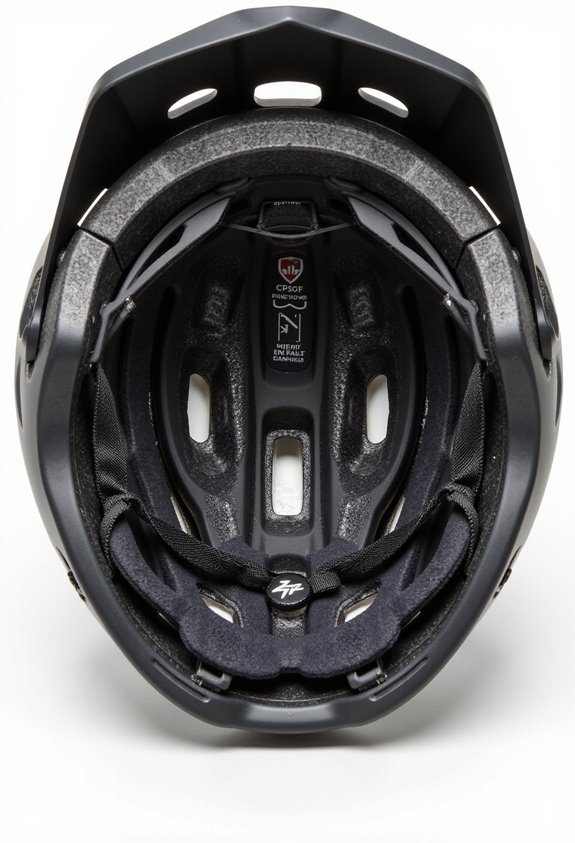
MIPS technology greatly enhances helmet safety by introducing a unique low-friction layer that plays a critical role in impact management. This low-friction layer rests between the helmet liner and our heads, allowing the helmet to slide during angled impacts. MIPS mechanics overview shows that this movement mimics the brain’s natural motion within cerebrospinal fluid. It reduces rotational forces, which traditional helmets don’t adequately address.
In a safety performance analysis, we see how MIPS permits approximately 10-15 mm of sliding. This helps redirect rotational energy, lowering injury risks, especially in oblique impacts common in biking or skiing. The system reflects extensive biomechanical research, focusing on reducing injury rather than just linear impact absorption, highlighting its advanced protective mechanisms. Additionally, helmets equipped with MIPS technology are among the best options for serious riders seeking high-level protection.
Benefits of Using MIPS Helmets

The benefits of using MIPS helmets are significant, particularly in enhancing safety during impacts. MIPS advantages include a unique slip liner that allows slight movement inside the helmet, effectively reducing rotational motion—a major cause of brain injuries. Studies highlight that MIPS helmets show substantially lower peak rotational acceleration and injury criteria compared to conventional helmets.
In real-world testing, MIPS helmets demonstrate improved brain protection across various impact zones, including frontal and lateral areas. They also maintain comfort, adding minimal weight and integrating seamlessly into the helmet design without compromising fit. Ultimately, MIPS technology enhances our safety and performance, making it a valuable addition to any helmet for preventing traumatic brain injuries. Additionally, many helmets equipped with integrated technologies offer enhanced impact management, further elevating rider safety.
Recommended Products

Pro-level protection for high-speed gravity-fed riding

Shell Material: aerospace filament-reinforced polycarbonate

Shell Material: unidirectional carbon
The Science Behind Rotational Forces

Understanding rotational forces is essential for grasping how brain injuries occur during impacts. These forces generate shear forces within the brain that contribute to concussions. When rotational acceleration occurs, brain strain differs across various planes due to tissue deformation. Specifically, the coronal plane often leads to more severe damage to critical internal brain structures.
Injuries caused by rotational forces are not limited to a single area; they affect widespread regions. Our helmet design must account for these uncertainties. As we analyze biomechanical vulnerability, we see that higher rotational accelerations correlate with more significant injury mechanisms. Addressing these factors in helmets can reduce the risk of rotational injuries and protect brain function effectively. Additionally, utilizing breathable materials in helmet design can enhance comfort and safety during rides.
Recommended Products
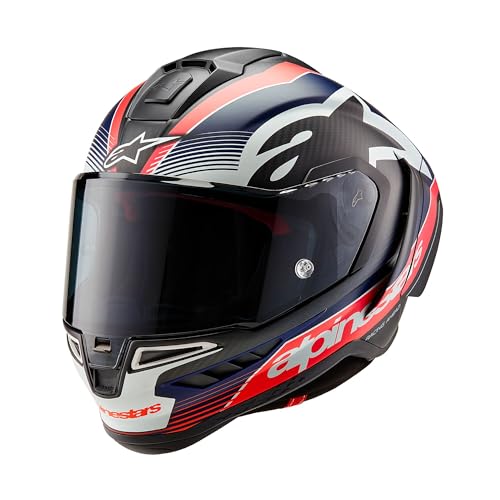
High-Performance Carbon Shell: 3K high-density carbon and uni-directional carbon layers for superior strength and energy dissipation.
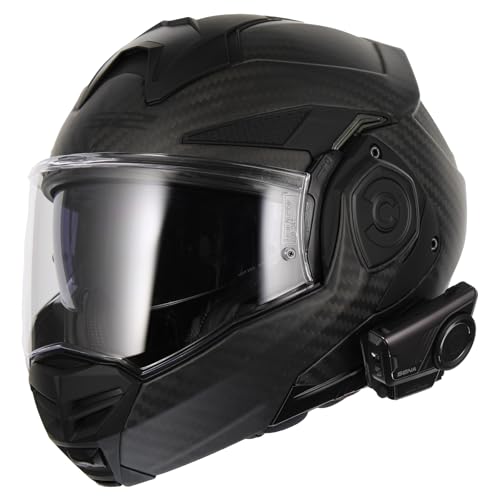
CARBON FIBER SHELL – Ultra-lightweight 9K carbon fiber construction including chin bar weighs only 1,470g (±50g); modular design with dual ECE certification for open and full face use
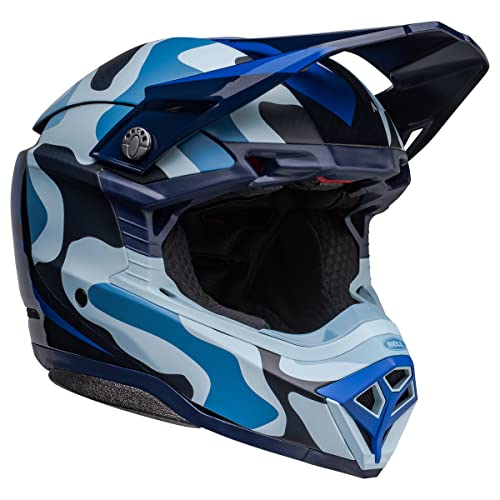
Ball-and-socket design to help manage rotational energy transfer
Design Variations in MIPS Implementation

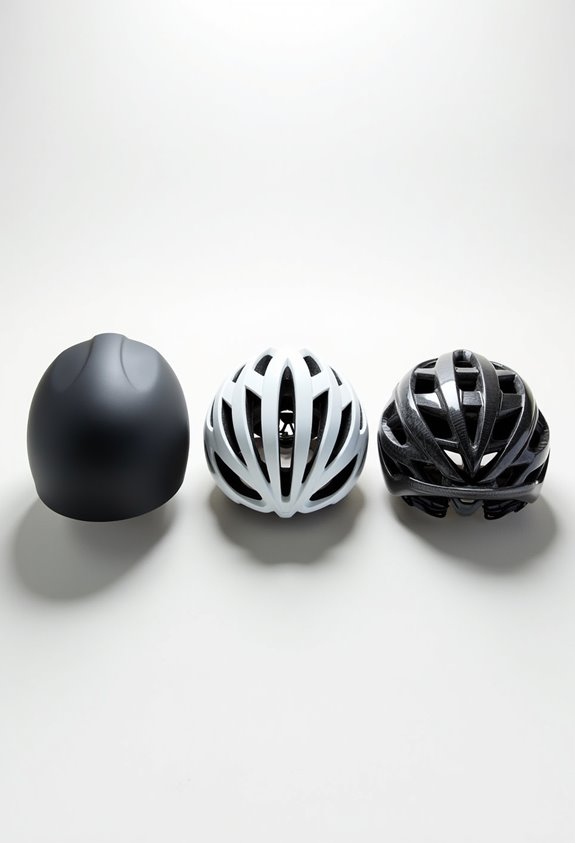
In tackling the challenge of protecting against rotational forces, design variations in MIPS implementation play a considerable role. Different helmet manufacturers apply MIPS technology in unique ways, leading to various methods of integration. For instance, some use a single low-friction layer, while the latest Integra Split system sandwiches this layer between energy-absorbing components for enhanced safety optimization.
Key aspects include:
- Movement of MIPS layers typically allows 10-15mm of relative motion.
- Some designs guarantee seamless incorporation for improved ventilation and comfort.
- Integration strategies vary, affecting factors like airflow and overall weight.
These design variations contribute considerably to optimizing safety while guaranteeing a comfortable user experience. Notably, many helmets, including the FEND One Foldable Bike Helmet, meet rigorous safety standards such as US CPSC and EU EN1078. By understanding these differences, we can make more informed choices about helmet safety.
Limitations of MIPS Technology
While MIPS technology markedly enhances helmet safety against rotational forces, it has notable limitations that we must consider.
Friction Issues & Coverage Gaps****
Some MIPS helmets may use thin polycarbonate layers that increase friction, reducing slip effectiveness. Small fabric pads often create inconsistent slip performance. Additionally, design choices aimed at ventilation can lead to coverage gaps, leaving unprotected areas, especially in the rear.
Linear Protection & Performance Variability****
MIPS focuses on rotational forces, yet its effectiveness against linear impacts is limited. It performs similarly to standard helmets in linear acceleration metrics. Furthermore, performance variability exists based on impact angle and helmet model, with some conditions revealing inadequate protection.
Ultimately, MIPS isn’t an all-encompassing solution for every crash scenario. Additionally, understanding safety certifications can help consumers make informed choices about helmet protection options.
Evaluating the Need for MIPS
How can we accurately evaluate the necessity of MIPS technology in helmets? We should start by examining consumer preferences and safety regulations. MIPS helmets have demonstrated notable improvements in reducing brain injury risk, with up to 49.3% lower peak rotational acceleration at low impact speeds. Many consumers report fewer symptoms after accidents, which may influence their purchasing decisions.
Additionally, safety regulations are evolving. As standards increase, the demand for superior protective features like MIPS may grow. Understanding MIPS performance variability across impact locations is essential. This variability means that while MIPS technology offers advantages, it may not eliminate risks entirely. Moreover, considering the user feedback and ease of use in helmet selection can provide insights into their overall effectiveness and comfort.
Recommended Products

THE MOST ADVANCED – UPGRADED: Boasting MIPS AIR technology and a limited-edition design inspired by the prestigious UCI World Championships rainbow jersey, this performance racing helmet is engineered to reduce rotational impacts while saving weight.

MADE FOR DOWNHILL_ Reinforced MTB helmet made for downhill racing delivers on performance, protection, ventilation and all-day comfort. Certified for use in downhill and enduro racing

CONVERTIBLE FULL-FACE: A true 2-in-1 helmet, the Parachute MCR MIPS has a Magnetic Chinbar Release (MCR) to allow instant conversion between full- and open-face modes — delivering all-terrain versatility for enduro, all-mountain, and e-MTB riding.
MIPS in Various Helmet Types
Understanding the role of MIPS technology across different helmet types is important for ensuring user safety in various activities.
Bicycle Helmets
MIPS is prevalent in 883 models from 143 brands, with over 12.6 million bicycle helmets equipped with this technology. Major brands like Bell and Giro incorporate a low-friction slip plane, allowing independent movement during impacts. This design improves protection against rotational forces. Additionally, safety certifications are crucial for ensuring that helmets with MIPS technology provide reliable protection.
Motorsports Helmets
In motorsports, MIPS has expanded its presence through partnerships and brand collaborations. It initially debuted in equestrian helmets and is now found in motorcycle helmets as well. The system effectively mimics the brain’s natural defenses, reducing rotational strain during accidents. MIPS-equipped helmets across various sports meet consistent safety standards, enhancing user safety.
Recommended Products

MADE FOR DOWNHILL_ Reinforced MTB helmet made for downhill racing delivers on performance, protection, ventilation and all-day comfort. Certified for use in downhill and enduro racing

Designed for maximum aerodynamics and ventilation with huge airflow ports for tri and TT. Magnetic vent cover and visors included. Light weight with great fit.
Best Practices for Helmet Safety
When it comes to helmet safety, there are several best practices we should all follow to maximize protection. First, proper helmet fitting is vital. A helmet should fit snugly and be securely fastened to guarantee it stays in place during an impact.
Next, regular helmet inspection is necessary. We need to check the shell, straps, and padding for any signs of damage. If we experience a major impact, it’s important to replace the helmet, even if no visible damage is evident. Additionally, ensure that your helmet meets safety certifications to provide the best protection against head injuries.
Finally, staying informed about helmet safety ratings can guide us in choosing the right helmet, as those with higher ratings often provide better protection against head injuries. By following these practices, we greatly enhance our safety while cycling or motorcycling.
Recommended Products

Powerful 9000W Motor & Performance: Experience the ultimate in speed and power with the 9000W peak motor on this electric monowheel. It effortlessly climbs 45° inclines and reaches a thrilling 75 mph top speed. With up to 93 miles of range on a single charge, this self-balancing electric unicycle is perfect for long-distance rides and high-performance adventures, whether you're navigating city streets or exploring rugged trails.

6500W Peak Brushless Motor *— Dominate the road with 6500 watts of peak power, reaching speeds up to 53+ MPH in seconds. The high-torque brushless design delivers superior hill-climbing capability and maintenance-free durability, while the intelligent thermal management system ensures optimal performance during extended high-speed rides.

【Package Includes】Chain Lock, Phone Mount, Rearview Mirror, Water Bottle Holder, Rear Storage Bag, Waterproof Bike Cover, Helmet, Cycling Glasses, Headlight, Air Pump, twist throttle. The electric bike and accessories will be shipped separately in different packages.
Frequently Asked Questions
Can MIPS Technology Be Retrofitted Into Existing Helmets?
We can’t recommend MIPS retrofitting into existing helmets, as it often compromises helmet safety. Instead, it’s better to upgrade to a certified helmet that integrates MIPS, ensuring the best protection and performance for your needs.
How Long Does MIPS Technology Last in a Helmet?
MIPS lifespan typically aligns with helmet durability, lasting around 3 to 5 years. With proper care, we might extend this a bit, but it’s crucial to replace helmets after impacts or visible wear to guarantee safety.
Are MIPS Helmets More Expensive Than Standard Helmets?
Yes, MIPS helmets tend to be more expensive than standard helmets. However, the added MIPS benefits in helmet safety justify the cost for many of us who prioritize protection and performance while engaging in our sports.
Do MIPS Helmets Come in Different Sizes or Fits?
Yes, MIPS helmets come in various sizes and fits to guarantee maximum helmet comfort. We’ve found that these options improve comfort while delivering MIPS benefits by providing a snug, properly fitted design for enhanced safety.
Can I Wash a Helmet With MIPS Technology?
Like a gentle rain on a parched land, we can wash helmets with MIPS technology using soft helmet cleaning methods. Let’s follow helmet maintenance tips—hand wash with mild soap, avoid harsh detergents, and air dry!