As an Amazon Associate, we earn from qualifying purchases. Some links on this site are affiliate links at no extra cost to you. Our recommendations are based on thorough research and editorial judgment.


When Should I Replace My Bike Helmet After a Crash?

After any crash, we must replace our bike helmets immediately. Even without visible damage, helmets can lose structural integrity. The EPS foam is vital for absorbing impacts. Once compressed, it can’t be reused effectively. Manufacturers recommend replacement every 3 to 5 years, or sooner under severe conditions. Regular inspections for cracks, dents, or strap damage are important. Prioritizing safety guarantees protection and could save us future medical costs. Let’s explore more about helmet maintenance and safety features.
Key Takeaways
- Replace your bike helmet immediately after any crash, even if there are no visible damages, to ensure safety.
- Helmets are designed for single impacts; subsequent use after a crash risks compromised protection.
- Check for cracks, dents, or foam compression post-crash; these indicate reduced impact absorption capabilities.
- Follow manufacturer guidelines recommending a helmet replacement every 3 to 5 years, and sooner if worn or exposed to harsh conditions.
- Investing in a new helmet can prevent future medical expenses related to head injuries significantly outweighing replacement costs.
Understanding Crash Damage to Helmets
You may be interested

When we think about the safety of our bike helmets, it’s essential to recognize how crashes can affect their structural integrity. Even if our helmet looks fine, it may have sustained damage. Helmets absorb impact forces, and the expanded polystyrene (EPS) liner can alter its properties without visible cracks.
Crash Inspection
Conducting a crash inspection is crucial. Here are key points:
- Visible Damage: Check for cracks, abrasions, or fading on the exterior shell.
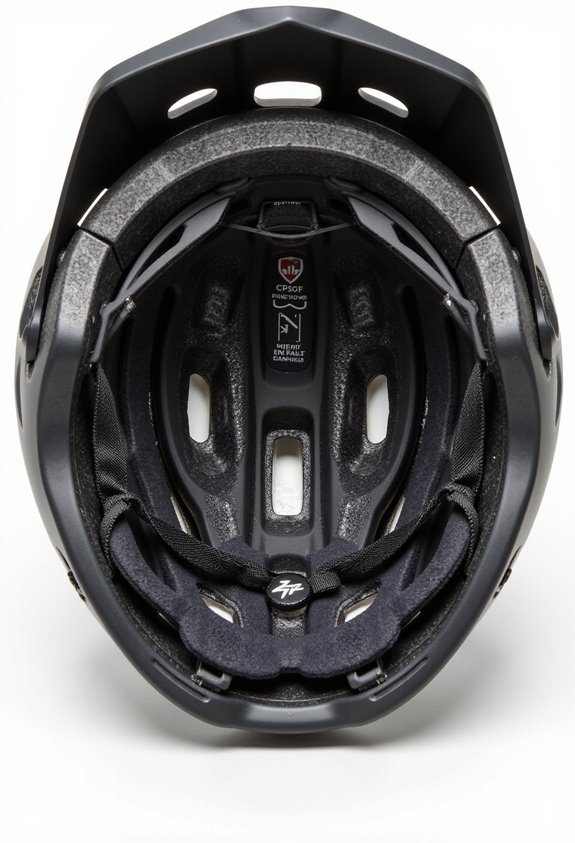
- Liner Assessment: Inspect the EPS liner for compression or hidden cracks.
- Replacement Guidelines: Many safety organizations recommend replacing helmets after any crash, regardless of visible damage. Additionally, following the safety certification standards is vital to ensure protection levels remain intact after an impact.
Impact of Crashes on Safety Margins

Understanding how crashes impact our bike helmets is essential to maintaining safety on the road. The crash dynamics involved can compress or crack the foam liner, reducing its energy absorption capacity. Even if a helmet appears undamaged, internal foam degradation can severely compromise its protective capability.
Additionally, helmets are typically designed for single impacts. Multiple minor crashes can accumulate damage, further reducing safety margins. It’s crucial to recognize that visual inspections often miss this damage.
Moreover, the impact velocity and height are critical; greater forces lead to more severe foam degradation. Ultimately, failing to replace a helmet after a crash risks our safety, as it no longer provides the intended 70% reduction in serious injury risk. Safety certifications are vital to ensure that the replacement helmet meets necessary protection standards.
Manufacturer Guidelines for Helmet Replacement

Following a crash, our understanding of helmet resilience leads us to the manufacturer guidelines for helmet replacement. Most manufacturers recommend replacing a bike helmet every 3 to 5 years, even if it appears undamaged. This recommendation stems from material degradation over time.
Immediate replacement is vital after any crash, as impacts may compromise structural integrity without visible signs.
Key points to take into account:
- Helmets may require replacement sooner if frequently used or exposed to harsh conditions.
- Manufacturers emphasize the cumulative effect of environmental factors on helmet lifespan.
- Helmets stored in extreme temperatures and direct sunlight may degrade faster, necessitating earlier replacement. Additionally, safety certifications from manufacturers ensure that the helmet meets essential impact protection standards.
Adhering to these guidelines guarantees maximum safety and protection while riding.
Recommended Products

Designed for maximum aerodynamics and ventilation with huge airflow ports for tri and TT. Magnetic vent cover and visors included. Light weight with great fit.
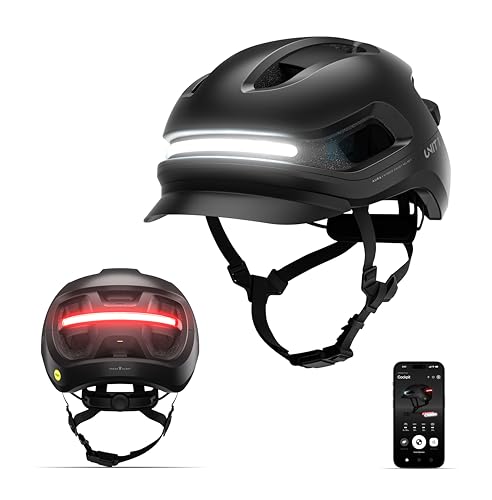
EYE-LEVEL LIGHTS, BUILT IN: Integrated front and rear LED lighting puts your visibility exactly where drivers are looking, in traffic, at intersections, and after dark, with no clip-on lights required.

This EVOC backpack offers high protection: This cycling rucksack includes an ergonomically shaped high quality back protector (CE standard EN 1621-2) with 95% shock absorption.
Importance of EPS Foam and Its Limitations
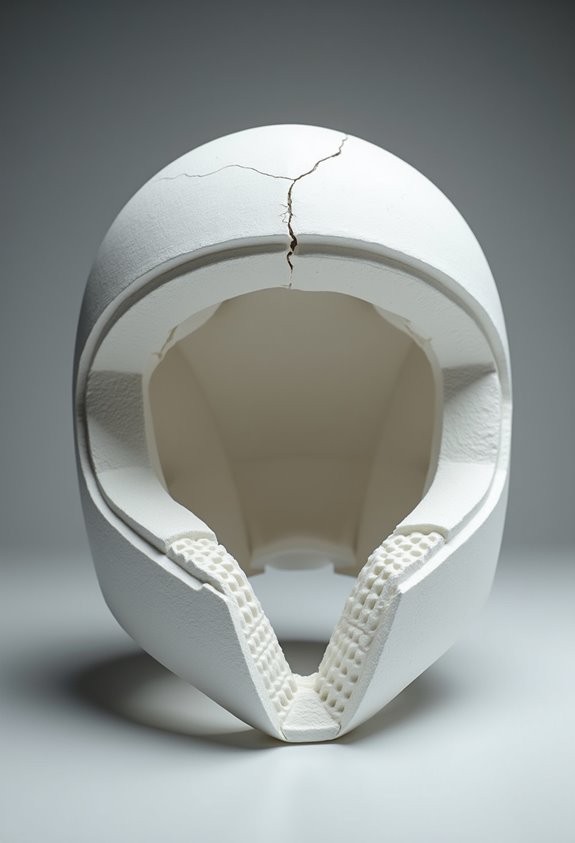
The core of modern bike helmet safety lies in the use of EPS foam, which plays a vital role in protecting our heads during impacts. The EPS advantages include its lightweight structure, excellent energy absorption capabilities, and resistance to environmental changes. This foam crushes upon impact, dispersing energy and reducing forces to our skulls.
However, we must recognize EPS deficiencies. Once crushed, EPS cannot effectively be reused, notably diminishing its protective properties. It doesn’t manage rotational forces well, which are linked to concussions. Additionally, minor impacts can alter foam density without visible signs. Given these limitations, it’s essential for us to replace helmets after any major impact to guarantee continued head protection. Moreover, just like foot bike pumps that require replacement after wear and tear, helmets also have a finite lifespan that should be respected.
Shelf Life of Bike Helmets

Bike helmets have a recommended shelf life that all riders should be aware of to guarantee their safety on the road. Most experts suggest replacing helmets every 3-5 years, regardless of crash history. Lifespan variations exist; daily riders may need to replace helmets sooner due to faster degradation.
Storage impacts are also significant. Extreme temperatures and prolonged sun exposure can accelerate material breakdown. Even if unused, helmets can still degrade structurally over time. Regular inspection is vital, as invisible damage, such as micro-cracks, can compromise safety. To maintain peak protection, consider replacing helmets every 1-3 years, especially for frequent riders or those noticing visible wear. Prioritizing these guidelines secures our safety while cycling. Additionally, helmets must meet strict safety standards to ensure their effectiveness after a crash.
Effects of Usage on Helmet Longevity
When considering helmet longevity, it’s important to understand how usage affects its lifespan. Our helmet care routine plays an essential role in maintaining its integrity. Daily wear can lead to cumulative degradation, affecting materials and protective capabilities.
- Frequent handling and transport can cause structural wear.
- Regular inspections for frayed straps or worn padding are important to maintain fit and safety.
We should anticipate replacing our helmets every 3-5 years based on our usage habits. Even without a crash, micro-damage from repeated use can weaken the helmet’s effectiveness. Over time, aging affects performance, so we must stay vigilant about our gear’s condition. Securing proper fitting is equally crucial to guarantee maximum protection during rides. Additionally, helmets with MIPS technology should be prioritized as they enhance safety by reducing rotational forces during impacts.
UV and Heat Damage to Helmets
UV and heat damage can significantly impact the integrity of our bike helmets, often without us realizing it. Prolonged UV exposure weakens the helmet shell, leading to degradation. Manufacturers embed UV inhibitors to slow this process, but visible signs like fading or cracks indicate these are failing.
Heat also plays a crucial role. Extreme temperatures, such as leaving helmets in a hot car, can accelerate foam breakdown, reducing impact absorption by up to 40%. Regularly checking for safety certifications can ensure that your helmet meets current safety standards, even after exposure to such damaging conditions.
To guarantee helmet preservation, we should avoid prolonged exposure to sunlight and store helmets in cool, dry places. Regular checks for cracks, fading, or odors can help us determine if our helmets remain effective. Remember, even without a crash, these factors can signal it’s time for a replacement.
The Role of Storage Conditions in Helmet Lifespan
Proper storage conditions greatly impact the lifespan of our helmets. Ideal environments mean stable temperatures and controlled humidity. Fluctuating temperatures can fatigue materials, while excessive moisture may weaken liners and adhesives.
We should adopt specific storage techniques to avoid mechanical damage. For instance, storing helmets in protective cases minimizes warping from pressure.
Notably, dust and dirt can degrade performance, so regular checks are essential. Helmets kept in ideal conditions can maintain foam performance for over 20 years, though straps may age with time. Additionally, maintaining proper inflation in our gear can help ensure optimal performance and safety during use.
We must be mindful of environmental factors like UV exposure and indoor pollutants, as these can compromise helmet integrity. By following these guidelines, we can maximize our helmets’ protective abilities and lifespan effectively.
Advancements in Helmet Safety Features
Advancements in helmet safety features have transformed our approach to protecting riders across various disciplines. We’re witnessing groundbreaking innovations in helmet technology, such as multi-density foams that improve impact absorption and reduce concussion risk. Materials like carbon fiber enhance shell strength without adding weight, ensuring rider comfort.
Smart helmet features now include integrated sensors for crash detection and emergency alerts, which drastically improve post-crash response. The Multi-directional Impact Protection System (MIPS) has become standard, effectively reducing rotational forces during impacts. Certifications like NTA 8776 are tailored for electric bikes, addressing unique crash dynamics. Additionally, safety certifications ensure compliance with rigorous standards, providing riders with peace of mind when selecting helmets.
Incorporating these advancements, we can choose helmets with increased safety, ensuring we’re as protected as possible while riding.
Professional Inspections and Their Importance
When we consider helmet safety post-crash, professional inspections considerably enhance our understanding of a helmet’s integrity. These evaluations verify helmet validation by checking for hidden damage that visual checks might miss. Experts perform inspections using established protocols, examining significant components like the foam liner, which is essential for impact absorption.
During the inspection, professionals utilize standardized checklists and apply compressive testing to assess for any denting or deformation. They look for cracks, abrasions, and fading that indicate compromised safety. Moreover, compliance with safety standards, like CPSC safety standards, guarantees that helmets meet necessary protective capabilities. Ultimately, a professional inspection is key in determining whether a helmet remains safe after a crash and helps prevent reliance on potentially damaged equipment.
Identifying Signs of Damage in Helmets
Understanding the signs of damage in helmets is crucial for guaranteeing our safety while cycling. A thorough helmet inspection should include checking for:
- Cracks or fractures in the outer shell
- Dents in the EPS foam, indicating reduced impact absorption
- Separation of foam from the shell, weakening integrity
Next, we must assess the condition of the retention system:
- Look for fraying or rips in straps
- Confirm the chin buckle closes securely
Lastly, we should evaluate the inner foam:
- Feel for compressed areas in the EPS liner
- Check for moisture damage or mold
The Risks of Using a Damaged Helmet
Using a damaged helmet can considerably elevate the risk of head injury for cyclists. When helmets suffer impacts, their Expanded Polystyrene (EPS) foam may compress, drastically reducing impact absorption. Cracks in the outer shell impair the helmet’s ability to distribute forces safely.
It’s essential to remember that even if a helmet appears intact, invisible damage may compromise its integrity. Damaged helmets can no longer provide the up to 70% injury prevention benefit of undamaged models.
If we continue using a compromised helmet, we’ll become more vulnerable to severe injuries, as the capability to absorb impact effectively diminishes. The risk of traumatic brain injury rises sharply, underscoring the importance of immediate replacement following any crash for continued safety.
Recommended Products

AERO-CONTROL: The Utopia Y is KASKs Award winning, aerodynamic, road helmet designed for speed, with advanced cooling performance.

EYE-LEVEL LIGHTS, BUILT IN: Integrated front and rear LED lighting puts your visibility exactly where drivers are looking, in traffic, at intersections, and after dark, with no clip-on lights required.

Polycarbonate shell
Financial Considerations for Helmet Replacement
Financial considerations for helmet replacement are crucial in maintaining ongoing safety while cycling. When evaluating our options, it’s important to conduct a cost analysis before deciding. Helmets typically range from $6.80 to $81.60, with many affordable options priced between $8.50 and $17.00. While lower-cost models exist, they may not provide adequate protection.
We should also consider the financial metrics involved; the annual helmet cost in the U.S. is about $261 million, yet head injuries can incur costs up to $5.8 billion. Therefore, investing in a helmet post-crash could greatly mitigate future medical expenses. Prioritizing safety over price not only guarantees protection but also represents a wise financial strategy for cyclists.
Recommended Products
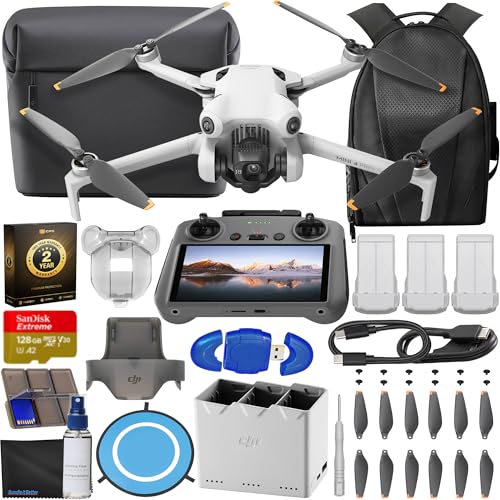
This Bundle Includes: DJI Mini 4 Pro Drone with RC 2 Controller (with screen), 3 x Intelligent Flight Battery Plus, SanDisk 128GB Extreme microSD Memory Card, High USB Speed Memory Card Reader, Shoulder Bag , Drone Photography Backpack, Two-Way Charging Hub, USB-C PD Cable, USB-C Cable, Gimbal Protector, Propeller Holder, 3 x Pair of Propellers, 18 x Propeller Screw, Screwdriver, Drone Landing Pad, Camera Lens Cleaning Kit, 6-Slot Memory Card Wallet, Bundle It Better Lens Cloth, CPS 2 Year Warranty

Native 8K Panoramic Recording: Equipped with dual 1-inch sensors, it supports native 8K/50fps panoramic video with a single pixel size of up to 2.4μm. Boasting 13.5 stops of dynamic range, it delivers richly layered, finely detailed cinematic imagery even in high-contrast environments like urban nightscapes or sunrises/sunsets.

SHELL: Multi-layered Ultra-TCT shell combines fiberglass, aramid and poly-resin fibers which minimize weight while maximizing strength and impact dispersal. Aero-tuned shell sculpture helps reduce aerodynamic drag, improve balance, and maximize mobility. Advanced multi-layer EPS provides superior energy absorption and channels for increased airflow. Aero-Tuned ventilation features a Ram-Air intake system, 4 port exhaust spoiler system and EPS channels for an optimal flow-thru effect.
Understanding Warranty Policies on Helmets
Bicycle helmets come equipped with warranty policies that can greatly affect our replacement options after a crash. Different manufacturers have specific replacement programs that we should understand.
Manufacturer Policies
- MET: Offers a crash replacement within two years at a reduced cost, valid once.
- Cannondale: Provides a free replacement within one year; afterward, it’s 50% off.
- KASK: Discounts range from 20%-40% for up to two years, single use only.
- Lazer: Provides a 50% discount within three years of purchase.
Eligibility Requirements
We must retain proof of purchase, and may need to submit accident details, guaranteeing the damage results from a bicycle-related incident. Understanding these warranty coverage aspects guarantees we can effectively utilize these replacement programs.
Recommended Products

Features: 1000w brushless motor, 48V battery, parental speed control key, forward and reverse, large tubular steel frame,hydraulic disc break, seat belt,13 inch all terrain pneumatic tires

8K30fps 360° Video with Dual 1/1.28" Sensors: Capture stunning detail with dual 1/1.28" sensors shooting up to 8K30fps. Film epic adventures, everyday moments, and more, all in sharp, immersive 360° video with better clarity, color, and dynamic range.

BIKE-PACKERS REJOICE!- Our lightest two-door, two-vestibule bikepacking tents equipped with loads of bike-friendly features that add utility and luxury to your two-wheeled adventures. Ease of entry with dual-zipper door and quick reach-through access using only one zipper and stow unzipped door easily with Quick Stash door keeper on tent body door.
Frequently Asked Questions
Can I Repair a Damaged Helmet Instead of Replacing It?
Repair techniques rarely restore safety, so we can’t rely on a damaged helmet’s integrity. Let’s commit to thorough helmet inspections and prioritize our protection by replacing any helmet that’s endured a crash—safety first!
How Do I Properly Store My Helmet to Extend Its Life?
To extend our helmet’s life, let’s follow some helmet care storage tips: keep it in a cool, dry place, use a dedicated bag, avoid chemicals, and inspect it regularly for any damage.
What Are the Most Recent Helmet Safety Standards Available?
Recent advancements in helmet safety emphasize rigorous testing protocols, including CPSC, Snell, and ASTM standards. We’ve seen innovations like MIPS, ensuring better protection. Staying informed helps us choose safer helmets for our rides.
Are There Specific Helmets Recommended for Different Biking Activities?
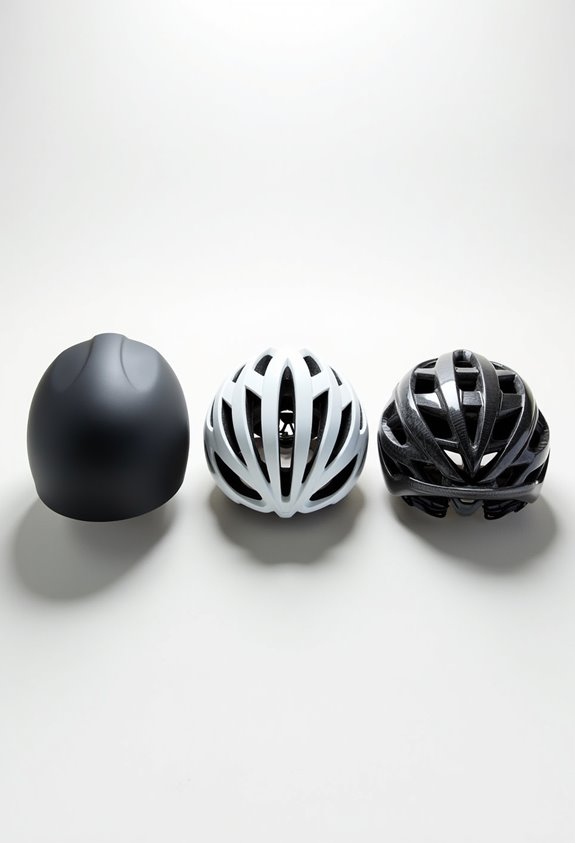
We recommend using road cycling helmets for speed and aerodynamics, while mountain biking helmets provide extra protection and ventilation for rugged trails. Choosing the right helmet enhances both safety and performance for our rides.
How Can I Find a Professional for Helmet Inspections?
To find professional helmet inspection services, we should look for qualified helmet technicians through manufacturer websites, local motorcycle shops, or online forums. They provide valuable insights and can guarantee our helmets are safe and reliable.