As an Amazon Associate, we earn from qualifying purchases. Some links on this site are affiliate links at no extra cost to you. Our recommendations are based on thorough research and editorial judgment.

What Should I Look for in a Commuter Bike Helmet for Daily Use?

When selecting a commuter bike helmet for daily use, we should prioritize several key factors. First, verify it has CPSC certification for effective impact protection. Next, fit is vital; measure your head accurately and look for adjustable features. Choose helmets with integrated lights and reflective elements for visibility. Consider design aspects like breathable padding and sleek shapes. Finally, opt for durable materials, inspecting for any damages regularly. Let’s explore more about each characteristic for better choices.
Key Takeaways
- Ensure the helmet is CPSC certified for reliable impact protection and enhanced safety during commutes.
- Look for adjustable sizing features to achieve a snug and comfortable fit on your head.
- Choose helmets with integrated visors and ventilation to provide sun protection and breathability.
- Opt for helmets with built-in reflective materials or LED lights to improve visibility in low-light conditions.
- Consider lightweight materials, like polycarbonate shells, that offer durability without sacrificing comfort.
Helmet Safety Standards and Certification
You may be interested


Safety Certifications
In the U.S., the Consumer Product Safety Commission (CPSC) certification is mandatory. It guarantees helmets endure considerable impacts and have durable retention systems. In Europe, the EN 1078 standard offers a less rigorous evaluation.
Impact Testing
Helmets undergo multiple impact tests, falling from various heights onto different surfaces. For instance, CPSC testing involves drops from 2.0 meters on flat surfaces. Helmets must register under 300 g of impact force to pass.
It’s important to choose helmets with these certifications to guarantee reliable protection during our daily rides. All certified helmets greatly reduce head injury risks, enhancing our safety while cycling. Additionally, helmets with integrated LED lights improve visibility during nighttime commutes, further ensuring rider safety.
Fit and Comfort

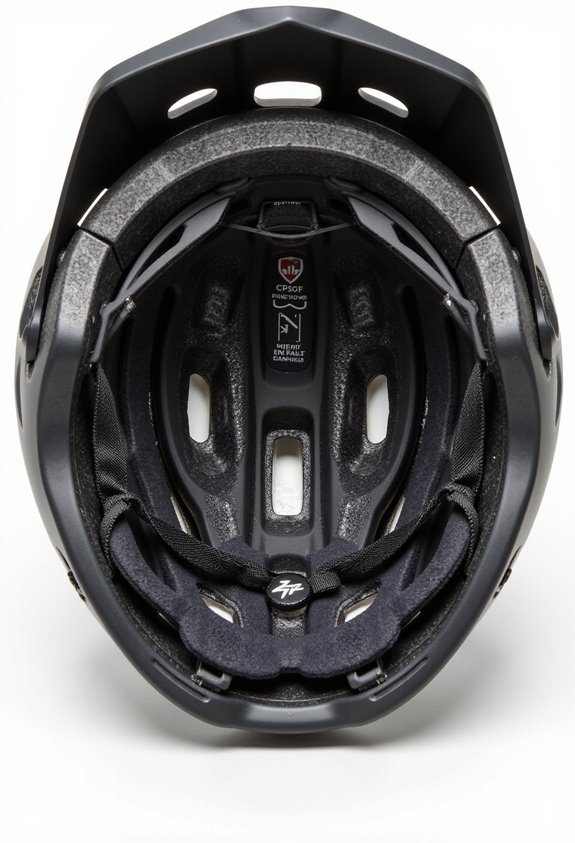
Fit and comfort are vital aspects we must consider when selecting a commuter bike helmet. Proper fit begins with accurate head size measurement, typically around 1 inch above the eyebrows. Each brand has its sizing guides, so we must avoid relying on generic labels. Ill-fitting helmets compromise safety and comfort, leading to potential disuse.
For retention systems, adjustable wheels at the back guarantee a snug fit. Removable padding materials enhance comfort, allowing for customization. Fit testing is important; we can open our mouths wide to check strap tightness. In addition, breathable inner padding wicks away sweat, enhancing comfort during long rides. Ultimately, confirming the helmet sits level on our heads allows it to provide maximum protection without discomfort. Additionally, helmets equipped with adjustable fit systems can significantly improve both comfort and safety during daily commutes.
Recommended Products

Safety and Hydration Compatibility: Features a chin bar designed to accommodate helmet hydration systems for easy drinking on the go, along with the Emergency Quick Release System (E.Q.R.S.) for rapid removal in emergencies, meeting FMVSS 218, DOT, Snell, and ECE R22/06 standards.

Designed with an emphasis on security, comfort and strength, the Givi 37L Trekker Outback Aluminum Sidecase is ideal for the adventure motorcyclist who is looking for a rugged and great looking, long-distance enduro touring pannier.

⚡ 1500W Peak Power Motor — Built for riders who want power, speed, and versatility in one e-bike. The 1500W peak motor delivers fast and smooth performance on city streets and rugged terrain. With adjustable Class 4 and Class 5 riding modes, it provides plenty of speed for commuting, mountain trails, sand, and snowy roads — giving you confidence on every ride.
Helmet Type and Design Features

Selecting the right helmet type and design features is essential for our safety and comfort while commuting. Commuter helmets emphasize helmet aesthetics, sporting a sleek design suitable for urban environments. They often include a small integrated visor or a removable option, providing sun and rain protection.
The design materials used include EPS foam liners for impact absorption and a polycarbonate shell for force management. Comfort is enhanced by limited venting, soft inner padding, and adjustable fit systems, ensuring a snug experience.
Many models also feature integrated rear lights or reflective materials, improving visibility in low light. These elements contribute to both functional safety and a stylish look, blending practicality with our daily commuting needs. Additionally, helmets featuring magnetic buckles enhance usability, making it easier to wear and remove the helmet quickly.
Durability and Maintenance

Maintaining our commuter bike helmet’s durability is vital for guaranteeing our safety and prolonging its lifespan. When selecting a helmet, consider the material selection. ABS shells provide superior toughness, while polycarbonate shells are lighter yet more prone to dents.
Proper maintenance practices are essential. Regular inspections for cracks or loose parts can prevent premature failures. We should clean our helmets using mild soap and water, avoiding harsh chemicals that weaken materials.
Storing helmets in controlled environments prevents deformation and degradation from temperature fluctuations and UV exposure. Remember, helmet foam degrades over time, so manufacturers recommend replacement every 3 to 5 years. Following these guidelines guarantees our helmets retain their protective capabilities, leading to safer commutes. Additionally, ensuring proper helmet fitting is crucial for maximizing safety and comfort during daily rides.
Visibility and Safety Enhancements

Visibility is a vital aspect of commuter bike safety, ensuring we can be seen by drivers and pedestrians, especially in challenging conditions. To enhance our visibility, we should consider helmets equipped with effective lighting features. Integrated LED systems, featuring both front white and rear red lights, provide 360-degree visibility in low-light situations. Some helmets even include brake sensors that activate rear lights to signal when we slow down.
Moreover, reflective elements are essential for passive safety. Helmets with reflective coatings or strips can reflect headlights, improving our visibility at night or during dusk and dawn. Choosing bright, high-visibility colors, alongside these features, maximizes our presence in urban environments, greatly reducing the risk of accidents on our daily commutes. Additionally, helmets like the Favoto Smart Bike Helmet incorporate LED turn signals to further enhance safety and communication with other road users.
Recommended Products

NTA8776 & CPSC 1203 Certified Safety: This smart bike helmet meets NTA8776, CPSC1203 & EN1078 standards, delivering superior protection up to 28 mph (45 km/h) for commuting, urban and daily rides. Measure head circumference for a snug fit.

Elevate your cycling experience: Lumos Ultra E-Bike is a smart helmet designed to prioritize safety, technology, and style for your road biking and e-biking adventures.
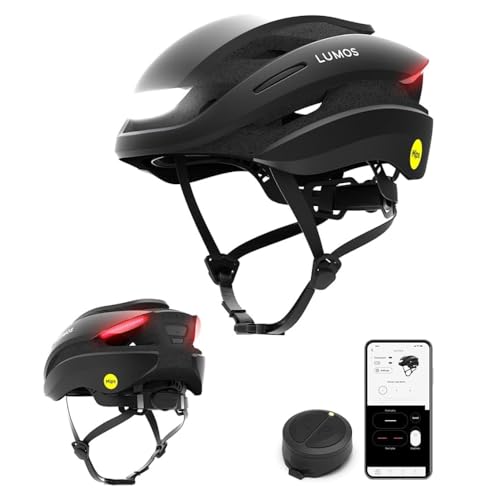
TÜV-Certified 360° Visibility – Built-in front and rear LED lights provide TÜV-certified visibility to help make your presence easier to notice during day and night rides
Frequently Asked Questions
How Can I Properly Clean and Maintain My Helmet?
Let’s explore diligent helmet care! We’ve got great cleaning tips: use mild soap, soft cloths, and air dry away from sunlight. Regular inspections and timely replacements guarantee our helmets stay safe and stylish.
Are There Size Options for Different Head Shapes?
Yes, there’re size options catering to different head shapes. We should focus on helmets with size adjustments for a secure fit, trying them on to guarantee they contour comfortably to our unique head shapes.
How Often Should I Replace My Helmet?
We can’t hold onto our helmets like a nostalgic ex! Let’s replace them every 3 to 5 years. Watch for signs of damage—like cracks or discolored foam—because helmet longevity’s important for our noggins, after all!
What Are the Best Brands for Commuter Helmets?
When it comes to the best brands for commuter helmets, we’ve found that Specialized, Giro, and Kask stand out. They incorporate popular safety features like MIPS, ensuring protection and comfort while we ride daily.
How Do I Properly Fit a Helmet on My Head?
Fitting our helmet’s like performing a delicate dance! We adjust straps for snugness while ensuring the weight feels just right. Remember, it should float like a feather but protect like a fortress—let’s get it perfect!