As an Amazon Associate, we earn from qualifying purchases. Some links on this site are affiliate links at no extra cost to you. Our recommendations are based on thorough research and editorial judgment.


How Do I Clean and Maintain My Bike Helmet Properly?

To properly clean and maintain our bike helmets, we should follow structured steps. Start by cleaning the exterior with warm, soapy water and a microfiber cloth. For the interior padding, use cold water with a mild soap. Clean straps in warm, soapy water, ensuring thorough rinsing. Store helmets on racks in cool, dry places and inspect them regularly. Avoid harsh chemicals on the EPS liner and focus on gentle cleaning methods. Next, we can explore specific cleaning techniques in more detail.
Key Takeaways
- Clean the helmet exterior with warm, soapy water and a soft sponge, avoiding solvents or aerosols.
- Wash interior padding with cold, pH-neutral soap and air dry completely to prevent mildew.
- Soak straps in warm, soapy water, rinse thoroughly, and clean regularly to combat odors.
- Store helmets on racks or hooks in a cool, dry place away from direct sunlight to maintain shape.
- Regularly inspect the helmet for signs of wear and gently clean the EPS liner with mild soap and microfiber cloths.
Cleaning the Helmet Exterior
You may be interested



To effectively clean the exterior of a bike helmet, we need to follow specific techniques and use the right materials. Proper helmet care guarantees longevity and safety. Start by using warm, soapy water with a clean sponge or damp microfiber cloth. We’ll avoid solvents and aerosols, which can damage the helmet shell.
For dirt in crevices, a soft toothbrush can help. It’s crucial to work gently in circular or linear motions. Rinse the cloth periodically to avoid redepositing dirt.
After cleaning, we should air dry the helmet in a shaded area. Regular cleaning frequency—ideally after each ride—will effectively reduce grime buildup and maintain the protective qualities of the helmet. Always refer to the manufacturer’s guidelines for specific instructions. Additionally, regularly inspecting the helmet for any signs of wear and checking for safety certifications ensures that it continues to provide effective protection.
Recommended Products
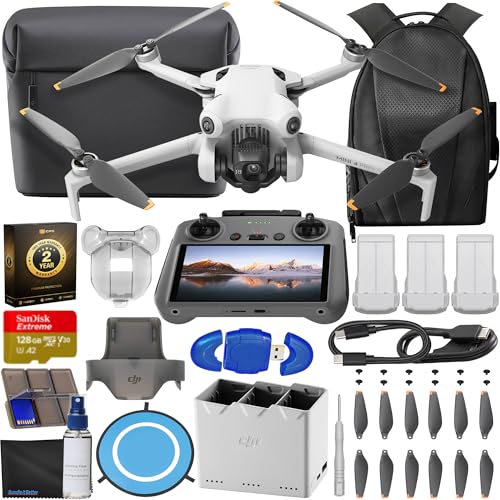
This Bundle Includes: DJI Mini 4 Pro Drone with RC 2 Controller (with screen), 3 x Intelligent Flight Battery Plus, SanDisk 128GB Extreme microSD Memory Card, High USB Speed Memory Card Reader, Shoulder Bag , Drone Photography Backpack, Two-Way Charging Hub, USB-C PD Cable, USB-C Cable, Gimbal Protector, Propeller Holder, 3 x Pair of Propellers, 18 x Propeller Screw, Screwdriver, Drone Landing Pad, Camera Lens Cleaning Kit, 6-Slot Memory Card Wallet, Bundle It Better Lens Cloth, CPS 2 Year Warranty

ECE 22-06; DOT FMVSS 218; CCC and NBR 7471.

DJI USA Authorized - Full USA Protection | OSMO Pocket 3 - Capture Stunning Footage - This vlogging pocket gimbal camera features a 1-inch CMOS sensor and records in 4K resolution at an impressive 120fps. Capture breathtaking night views and sunsets with enhanced clarity. | Effortlessly Frame Your Shots - Get the ideal composition with Osmo Pocket 3's expansive 2-inch touch screen that rotates for both horizontal and vertical shooting.
Cleaning and Maintaining Interior Padding

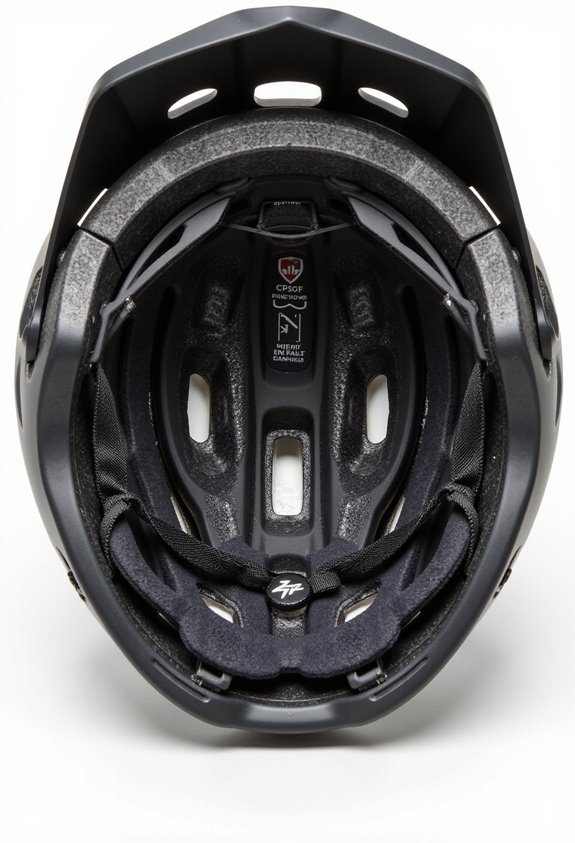
Cleaning and maintaining the interior padding of our bike helmets is essential for hygiene and comfort during rides. To guarantee the best padding hygiene, we should wash the pads regularly using cold water and a mild, pH-neutral soap. This method helps avoid damage to the foam material.
We must refrain from using hot water, machine washing, or harsh chemicals, as these can weaken the pads. If any odor develops, soaking in a white vinegar solution can neutralize smells effectively. Additionally, it is crucial to ensure that the padding is removable and breathable, as this feature enhances comfort and aids in sweat management.
Always air dry the padding completely before reinstalling to avoid mildew growth. We should inspect pads frequently for wear and replace them if they’re discolored or worn out. This routine enhances our comfort while preventing odors during our rides.
Recommended Products

DOT-APPROVED FOR MAXIMUM SAFETY: The HJC RPHA 1N helmet meets stringent DOT FMVSS 218 standards, meaning it’s been rigorously tested for top-level protection, from energy absorption to penetration resistance and secure chin strap testing

DOT-APPROVED FOR MAXIMUM SAFETY: The HJC RPHA 1N helmet meets stringent DOT FMVSS 218 standards, meaning it’s been rigorously tested for top-level protection, from energy absorption to penetration resistance and secure chin strap testing
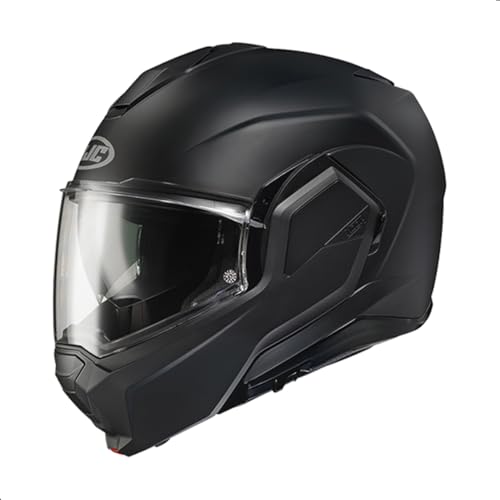
DOT-APPROVED FOR MAXIMUM SAFETY: The HJC i100 helmet meets stringent DOT FMVSS 218 standards, meaning it’s been rigorously tested for top-level protection, from energy absorption to penetration resistance and secure chin strap testing
Cleaning Helmet Straps

Maintaining the hygiene of helmet straps is just as important as caring for the interior padding. To clean helmet straps effectively, we can soak them in warm, soapy water to loosen dirt buildup and sweat. We should use mild soap or shampoo to protect the strap materials and enhance cleaning by gently scrubbing with our fingers or a soft toothbrush, especially in areas with visible stains.
Cleaning can occur while straps are still attached; we can dunk them in a tub of soapy water or wash them in the shower. After washing, it’s essential to rinse thoroughly to remove all soap. Regular cleaning helps prevent odors and extends the life of the straps, ensuring our safety on every ride. Additionally, choosing high-quality materials for helmet straps can enhance their durability and resistance to wear over time.
Recommended Products


FIDLOCK BUCKLE: Seamless magnetic functionality lets you fasten your helmet with gloves on

The CAM FIT Retention System utilizes Cam Lock sliders for one-handed adjustment and secure fit
Preventative Care and Storage

While proper bike helmet storage may seem straightforward, it plays a critical role in making certain our helmets remain safe and effective. Utilizing effective storage solutions is a key element of preventive maintenance. For instance, helmets should be placed on helmet racks that protect them from scratches and deformation. Hanging helmets on wall-mounted hooks promotes airflow, reducing odor buildup.
It’s also crucial to store helmets in cool, dry places, away from direct sunlight and chemicals. Avoid stacking helmets or placing heavy items on top, as this can cause damage. Regularly inspecting helmets for signs of wear enhances longevity. By designating a proper storage area and using labeled compartments, we can make sure our helmets stay in prime condition for future rides. Additionally, proper fit is vital for ensuring safety and comfort during rides, making it essential to check the fit regularly.
Recommended Products

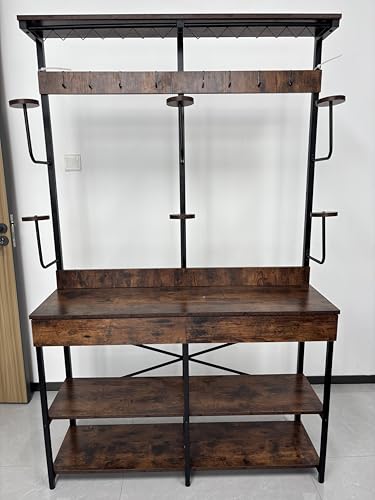
【MULTIF GEAR STORAGE RACK】: This large 6 motorcycle helmet rack can store 6 helmets with features a high density fiberboard 2 drawer and 2-tier partition storage racks and 8 hooks & 8 clips for hanging keys and gloves,keep your gear jackets-hats organize all essentials in one shelf space-saving unit,neatly stored and ready for every outing.

Weight Capacity: 220 lb. / Installed dimensions: 12 W x 48 H x 16 D in.
Handling and Cleaning the EPS Liner

When we handle and clean the EPS liner of our bike helmets, it’s essential to remember the liner’s critical role in safety. Proper EPS care guarantees we preserve its ability to absorb shock and protect us during rides.
We should avoid harsh chemicals or abrasive materials that could damage the EPS liner. Instead, we can use a mild soap solution and microfiber cloths for gentle cleaning.
It’s also significant to keep the EPS liner away from excessive heat and direct sunlight, which can degrade its integrity. When cleaning, let’s focus on indirect cleaning, and always dry the helmet in a shaded area to guarantee liner preservation. By following these steps, we help maintain our helmets and enhance our safety on the road. Additionally, ensuring durability and construction of our helmet is vital for long-term protection and performance.
Recommended Products

MODULAR SHELL CONSTRUCTION – KPA material provides durability and lightweight performance; available in three shell sizes (XS-S, M-L, XL-3XL) with approximate weight of 1750g

Optimized venting with channeled, in-molded EPS provides efficient cooling
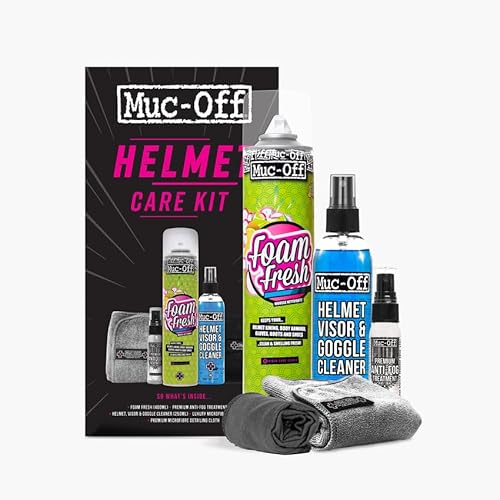
This item meets Federal Motor Vehicle Safety Standard 218 (FMVSS 218)
Frequently Asked Questions
How Often Should I Clean My Bike Helmet?
We should clean our bike helmets regularly, ideally after each ride and conduct deeper cleaning seasonally. Following these cleaning tips helps maintain hygiene and safety, ensuring our helmets stay in top condition for every adventure.
Can I Use Bleach to Clean My Helmet?
We can’t use bleach to clean our helmet. It damages helmet materials and reduces safety. Instead, let’s stick to gentle cleaning alternatives like mild soap and water for maintaining our helmets safely and effectively.
Is It Safe to Use a Pressure Washer on My Helmet?
No, it isn’t safe to use a pressure washer on our helmets. For ideal helmet safety, we should stick to gentle cleaning methods, ensuring we protect both the helmet’s structure and our heads while riding.
What Do I Do if My Helmet Smells Bad?
If our helmet smells like a gym locker, we should prioritize odors prevention. Regular cleaning, using mild soap, and ensuring proper drying while practicing helmet care goes a long way in keeping it fresh and comfortable.
Can I Customize My Helmet With Stickers?
Yes, we can customize our helmet design with stickers, but let’s choose durable sticker materials, like vinyl, to avoid damage. We should guarantee they’re safe and won’t compromise our helmet’s performance or safety.