As an Amazon Associate, we earn from qualifying purchases. Some links on this site are affiliate links at no extra cost to you. Our recommendations are based on thorough research and editorial judgment.


Can I Use the Same Helmet for Different Types of Cycling?

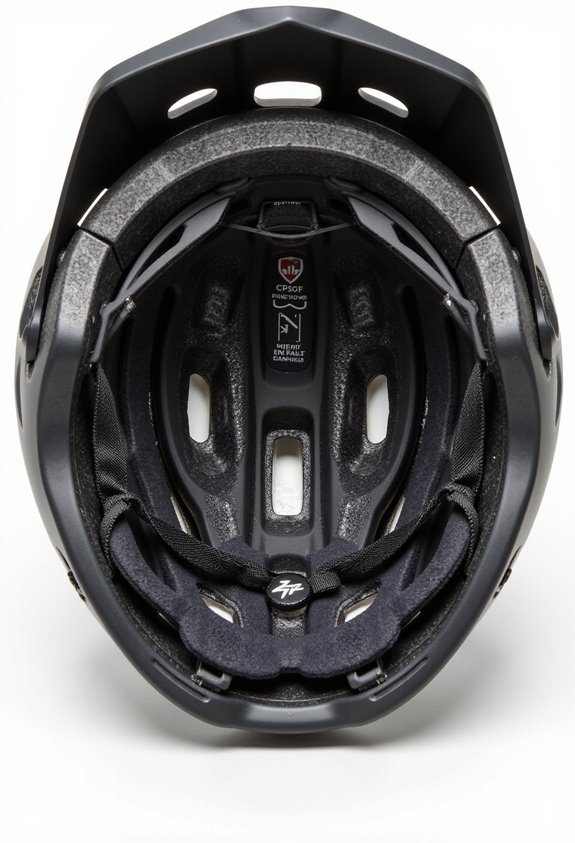
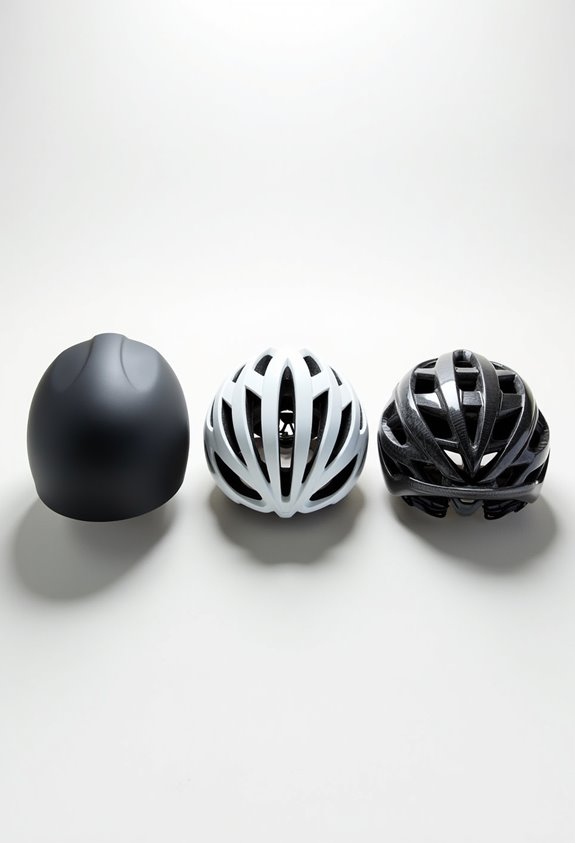
Using the same helmet for different types of cycling isn’t recommended. Each helmet design is tailored for specific activities and safety standards. For instance, road helmets focus on aerodynamics and lightweight materials, while mountain bike helmets offer enhanced coverage and protection against impacts. Commuter helmets are equipped with visibility features like reflectors. If we mix uses, we risk inadequate safety. Understanding the unique benefits of each helmet type is essential for peak protection on all rides. More details are essential for making an informed choice.
Key Takeaways
- Different helmet types are designed for specific cycling activities, affecting their safety and protection levels.
- Using a helmet outside its intended purpose can lead to inadequate safety during impacts.
- Road helmets prioritize aerodynamics, while mountain bike helmets offer more coverage and protection for rough terrains.
- Commuter helmets often include practical features like reflectivity but might lack maximum protection offered by specialty helmets.
- Regularly replacing helmets every 3 to 5 years ensures compliance with safety standards for the specific cycling type.
Understanding Different Helmet Types
You may be interested

When we consider the various types of cycling helmets, it’s essential to recognize that each design serves a specific purpose and safety standard. Understanding helmet types helps us choose the right one for our usage scenarios.
Mountain Bike Helmets
These helmets are designed for off-road riding, featuring durable shells and enhanced coverage. They offer protection against environmental hazards.
Multi-Sport Helmets
Certified for various activities, these helmets prioritize versatility but may lack specialized features for cycling.
Recreational Helmets
Primarily for casual riding, these are lighter and simpler but may not provide the coverage needed for more intense sports.
Commuter Helmets
Designed for urban cycling, they often include reflective elements and ventilation for city conditions. Additionally, safety certifications are crucial for ensuring that any helmet meets the necessary impact protection standards.
Choosing the correct helmet type is vital for safety.
Road Helmets: Features and Benefits

Road helmets play an essential role in enhancing our cycling experience on paved surfaces. Their aerodynamic design features a streamlined shape, reducing wind resistance and drag. This allows us to ride faster and more efficiently.
These helmets typically include many large vents for maximum airflow, guaranteeing effective cooling during long rides. The lightweight materials, such as polycarbonate shells and EPS foam liners, provide durability without compromising comfort.
Safety is paramount. Helmet technologies like MIPS offer additional protection by minimizing rotational forces during impacts. MIPS helmets have superior protection in crashes by redirecting impact energy, contributing to the growing popularity among serious cyclists.
The ergonomic design of road helmets includes adjustable retention systems for a secure fit. This guarantees stability and comfort at high speeds, allowing us to focus on our ride without distraction.
Mountain Bike Helmets: Protection and Design

Mountain biking presents different risks and conditions compared to road cycling, necessitating specialized helmet designs. For mountain bike safety, helmets must comply with region-specific regulations like CPSC in the USA and CE in Europe. They include extended coverage around the head to protect against impacts common in off-road terrains, often exceeding road helmet designs.
The helmet design features improved ventilation to manage airflow in rugged environments while maintaining structural integrity. Full-face helmets offer additional face protection with integrated chin bars, essential for downhill riding. Testing procedures focus on durability, with rigorous assessments addressing impact forces and helmet retention. Ultimately, selecting the right mountain bike helmet is fundamental for ensuring rider safety and comfort during challenging rides. Additionally, helmets that incorporate MIPS technology provide enhanced protection by redirecting crash energy during impacts.
Recommended Products

INTEGRATED MIPS BRAIN PROTECTION SYSTEM — All Giro helmets are designed to reduce as much energy as possible while meeting and exceeding stringent safety standards. The goal of Giro's Integrated Mips-equipped helmets is to reduce rotational forces while enhancing fit and comfort by combining the Mips slip plane with the helmet's adjustable fit system.

MARKET LEADING PROTECTION: Engineered in Giro's category leading helmet test lab.

SAFETY FIRST: Our best performance mountain bike helmet complies with U.S. CPSC, ASTM F1447 and E.U.CE Safety Standard for Bicycle Helmets, offer the versatility you need to ride everything from fire-road adventures to swooping single track trails, Maximum protection for your safety
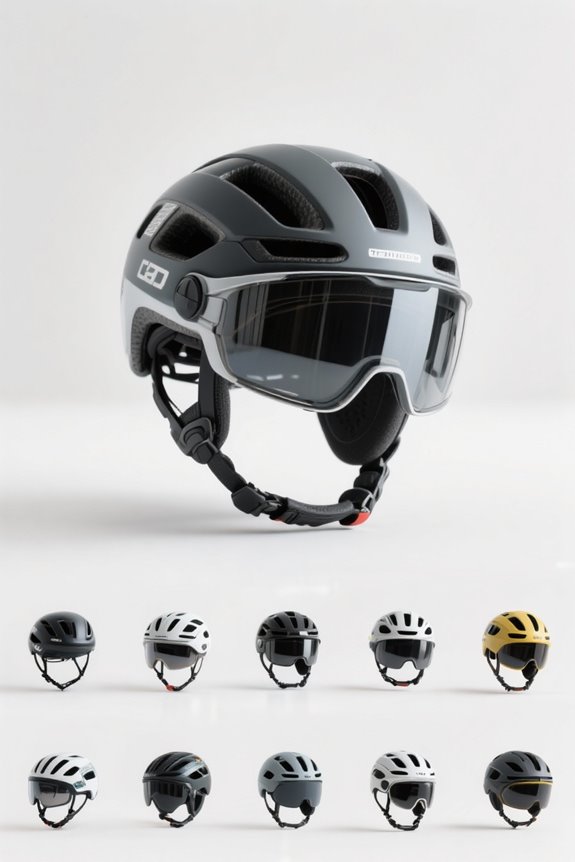
Commuter Helmets: Urban Cycling Essentials

Commuter helmets play an essential role in enhancing safety for urban cyclists, as they are specifically designed to meet the unique challenges of city riding.
Safety Features
These helmets often include MIPS (Multi-directional Impact Protection System), which minimizes rotational forces during impacts, improving protection considerably. They comply with safety standards like CPSC and EN 1078, guaranteeing reliable performance.
Visibility
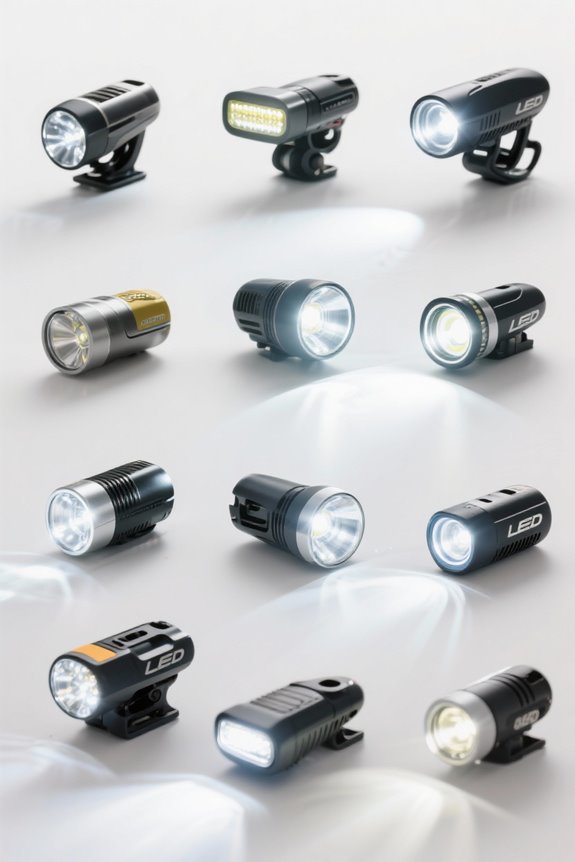
Integrated lighting systems and reflective details are vital for helmet visibility, making riders more noticeable to motorists in traffic or low-light conditions.
Comfort and Usability
Lightweight designs (350-580g) and adjustable fit systems guarantee comfort during urban commuting, while features like removable padding adapt to various weather conditions. Additionally, many commuter helmets feature integrated LED lights to enhance visibility during nighttime riding. These helmets are durable and stylish, meeting the demands of city life.
Recommended Products
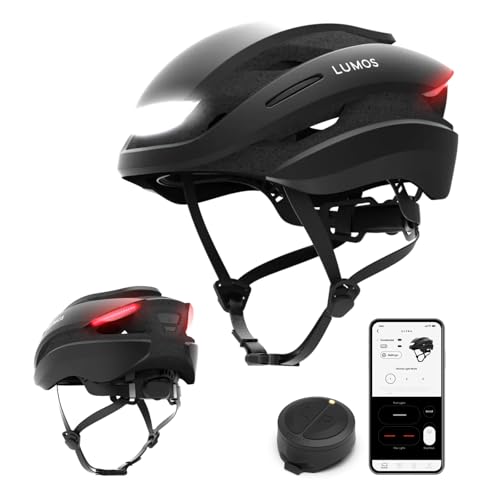
TÜV-Certified 360° Visibility – Built-in front and rear LED lights provide TÜV-certified visibility to help make your presence easier to notice during day and night rides

Made for Great Days on the Bike: Whether you’re hitting the road for the day or just facing the daily commute, the Smith Signal helmet gives you the protection you need no matter where your wheels take you
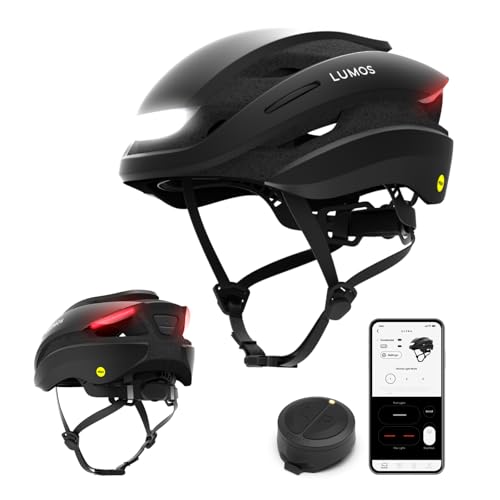
TÜV-Certified 360° Visibility – Built-in front and rear LED lights provide TÜV-certified visibility to help make your presence easier to notice during day and night rides
Specialty Helmets: BMX and Downhill Protection

When we explore specialty helmets designed for BMX and downhill cycling, it’s crucial to understand their unique safety features and specifications.
BMX Safety Standards
BMX helmets comply with standards like CPSC and ASTM F1492, focusing on impact absorption and fit. They often feature enhanced ventilation for comfort during tricks and jumps.
Downhill Coverage
Conversely, downhill helmets must meet ASTM F1952 standards, offering increased coverage and protection. They’re generally heavier due to denser foams designed for high-impact forces. Full-face designs include chinbars tested for maximum impact resistance, ensuring thorough facial protection.
Design Differences
BMX helmets prioritize lightweight and ventilation. In contrast, downhill helmets trade some ventilation for enhanced safety features and coverage, making them suitable for the rigors of downhill racing. Additionally, the importance of fit is paramount in both types of helmets to ensure optimal protection and comfort during rides.
Chrono Helmets: Aerodynamics for Time Trials
While many helmets prioritize general safety and ventilation, chrono helmets stand out for their specialized design tailored specifically for time trials. Their elongated shape enhances aerodynamic efficiency, reducing air resistance notably at speeds over 20 mph.
Key Features of Chrono Helmets:
- Aerodynamic Design: The tail is essential for reducing drag but may pose crash hazards.
- Wind Tunnel Testing: Ongoing research optimizes performance through rigorous drag reduction.
- Fit Considerations: Maintaining a steady head position can amplify aerodynamic gains.
- Heat Management: Ventilation is secondary to aerodynamics; design includes minimal vents for airflow without sacrificing speed. Additionally, many models incorporate MIPS technology to enhance safety by reducing rotational forces during impacts.
Ultimately, chrono helmets serve a unique purpose, making them ideal only for time trials rather than general cycling use.
Safety Standards for Bicycle Helmets
Guaranteeing safety is paramount when choosing a bicycle helmet. We must consider helmet ratings and certification labels to guarantee compliance with stringent safety standards. In the U.S., all helmets must meet CPSC standards, which cover impact attenuation, retention system strength, and field of vision.
Additionally, some helmets may adhere to ASTM standards, offering similar protections. For those seeking advanced safety, Snell certification indicates higher impact resistance, although it’s less common.
Multi-standard helmets can display multiple certification labels, confirming compliance with different regulations such as CPSC and EN 1078. Always choose helmets that are properly labeled, as non-compliant helmets are illegal and unsafe for cycling. This guarantees we’re adequately protected, no matter the cycling type. Furthermore, helmets featuring integrated technologies improve impact management and overall safety during rides.
CPSC vs. EN 1078 vs. ASTM F1952
Comparing the CPSC, EN 1078, and ASTM F1952 standards reveals essential differences in bicycle helmet safety specifications.
CPSC Compliance
CPSC helmets must meet the federal standard in the U.S., with rigorous testing for impact attenuation, requiring thicker foam. This provides a higher level of protection, particularly at speeds under 15 mph.
EN 1078 Standards
In contrast, EN 1078 permits lighter helmets with thinner foam, which may not perform as well under severe impacts. They are adequate for regular cycling, primarily in Europe.
ASTM F1952 Specifications
The ASTM F1952 standard is for downhill mountain biking. These helmets undergo more extreme testing for higher impact protection, making them bulkier. Consequently, while all three standards focus on safety, their applications are distinct and should be carefully considered. Additionally, weather resistance ratings can also play a crucial role in ensuring safety during various cycling conditions.
How Helmet Compatibility Affects Safety
Helmet compatibility greatly influences safety, especially in various cycling contexts. Different helmets are designed for specific usage scenarios, impacting their protective capabilities. For instance, NTA 8776-certified helmets cater to higher-speed environments like e-bikes, offering advanced helmet features such as improved rear impact coverage. In contrast, CPSC helmets target traditional cycling, making them less suitable for rapid urban riding.
Mountain biking helmets often integrate technologies like MIPS to mitigate rotational forces, enhancing safety during off-road crashes. Commuter helmets blend practical features with compliance to safety standards but may compromise maximum impact protection. Ultimately, selecting a helmet aligned with your cycling activities is essential for ensuring your safety while riding. It’s crucial to understand these distinctions for informed decision-making. Furthermore, investing in helmets made from carbon fiber materials can provide superior protection due to their exceptional strength-to-weight ratios.
Risks of Using One Helmet for Multiple Types
While we may think that one helmet can suffice for various cycling types, this assumption carries significant risks. Different cycling disciplines have unique requirements regarding helmet technology and impact dynamics. For instance, mountain bike helmets offer more side and rear protection, while road helmets focus on aerodynamics. Using a helmet designed for one activity in another may result in inadequate safety.
Additionally, fit and comfort issues can lead to reduced protection. Ill-fitting helmets can move during a crash. This misalignment may compromise the helmet’s effectiveness, increasing the risk of injury. Premium helmets often utilize advanced materials designed for serious riders, ensuring optimal protection in specific cycling environments.
Weight and Ventilation Considerations
When selecting a cycling helmet, considering both weight and ventilation is vital for our performance and comfort. Lightweight helmets, like the Lazer G1, typically weigh around 235 grams. This reduced weight distribution decreases fatigue on our necks during long rides, enhancing endurance.
Effective ventilation relies on strategic designs, including front intake vents and rear exhaust ports, which optimize airflow dynamics. Helmets with high airflow, such as the Specialized S-Works Evade 3, create cooling without compromising structure.
While lightweight helmets prioritize ventilation, they may offer less coverage. Conversely, aero helmets often weigh more and reduce venting for speed. Therefore, striking a balance between weight, ventilation, and protection remains important for our cycling experience.
The Role of Aerodynamics in Helmet Choice
Understanding aerodynamics is essential as we choose our cycling helmets, especially when speed and performance are priorities. Aerodynamic efficiency plays an important role in our helmet selection. Slight differences in the coefficient of drag area (CdA) can lead to measurable speed changes. For instance, a 1.4% increase in CdA might slow us down by 0.18 kph over a time trial, costing us precious seconds and requiring more power output.
Aero helmets, characterized by their elongated shape, reduce turbulent airflow and minimize drag, particularly beneficial at speeds above 30 km/h. Key features like integrated flow conditioner fins and optimized vent placement enhance performance while balancing airflow. Consequently, selecting the right helmet can greatly impact our ride efficiency and overall speed.
Recommendations for Multidiscipline Cyclists
For cyclists who engage in multiple disciplines, selecting the right helmet involves a careful balance of safety, comfort, and performance features. We recommend considering helmet versatility.
Road vs. Mountain Helmets
Road helmets offer speed and ventilation but lack coverage. In contrast, mountain helmets provide increased side and rear protection.
Multi-sport Options
Multi-sport helmets are great for various activities, meeting ASTM standards. They feature robust shells and provide decent safety for multiple scenarios.
Hybrid Helmets
Hybrid or city helmets offer a balance, combining features suited for commuting without excessive ventilation needs.
Safety First
Always prioritize cyclist safety. Verify helmets have certifications for chosen activities, and replace them after any impact. Visibility enhancements, like bright colors, are also essential for safety across all cycling types.
Finding the Right Fit and Retention System
To guarantee maximum safety and comfort when cycling, finding the right fit and retention system is essential. A proper fit assessment starts with measuring the helmet circumference against our head size. The helmet should sit level, covering the forehead without tilting.
Next, we must consider the retention systems. These systems utilize adjustable straps and buckles to secure the helmet snugly. Common types include side straps forming a “Y” around the ears and adjustable rear dials.
It’s critical that the helmet remains stable during movement and impacts. Straps should not stretch excessively, and the helmet must maintain its position. A correctly fitted helmet enhances safety and reduces the risk of injury while cycling across different disciplines.
Helmet Lifespan and Replacement Guidelines
When we consider the lifespan of our cycling helmets, it’s essential to recognize that regular replacement is important for maintaining safety and performance. Most manufacturers recommend replacing helmets every 3 to 5 years due to material degradation caused by environmental exposure.
Signs of Deterioration
We should regularly inspect our helmets for visible signs of wear, such as cracks or flaking paint. Issues with straps and padding also indicate a need for replacement.
After a Crash
It’s necessary to replace helmets immediately after any significant crash, as hidden damage can compromise safety.
Helmet Maintenance Tips
To enhance helmet longevity, we must store them away from direct sunlight and heat. By adhering to these cycling safety practices and replacement guidelines, we guarantee the best protection on every ride.
Frequently Asked Questions
Can a Helmet Lose Effectiveness Over Time Without Visible Damage?
Yes, a helmet can lose effectiveness over time without visible damage. Its lifespan can be affected by material degradation, reducing impact absorption capabilities, even when the helmet appears intact. Regular replacements guarantee maximum safety for us.
How Do I Check if My Helmet Fits Correctly?
To check if our helmet fits correctly, we should measure our head for proper sizing, adjust the straps to form a “V” shape, and guarantee it’s snug without pressure points for safety.
Are There Specific Brands Known for Multi-Discipline Helmets?
When we explore multi-discipline options, Giro, Kask, Bell, Lazer, and Met stand out. They offer innovative features, ensuring safety and comfort across cycling styles, making brand comparisons essential for our next helmet purchase.
Can the Same Helmet Be Used for Electric Biking?
We can’t use the same helmet for electric biking. Following helmet regulations is essential for electric biking safety, as e-bikes demand specific certifications and features to protect us from higher speeds and impact risks.
What Are the Signs That a Helmet Needs Replacement?
When’s the last time we examined our helmets? It’s essential to check for cracks, foam damage, and age—these are key replacement criteria. Remember, a helmet’s lifespan isn’t eternal; let’s prioritize our safety!