As an Amazon Associate, we earn from qualifying purchases. Some links on this site are affiliate links at no extra cost to you. Our recommendations are based on thorough research and editorial judgment.


How Can I Keep My Bike Helmet From Getting Too Hot in Summer?

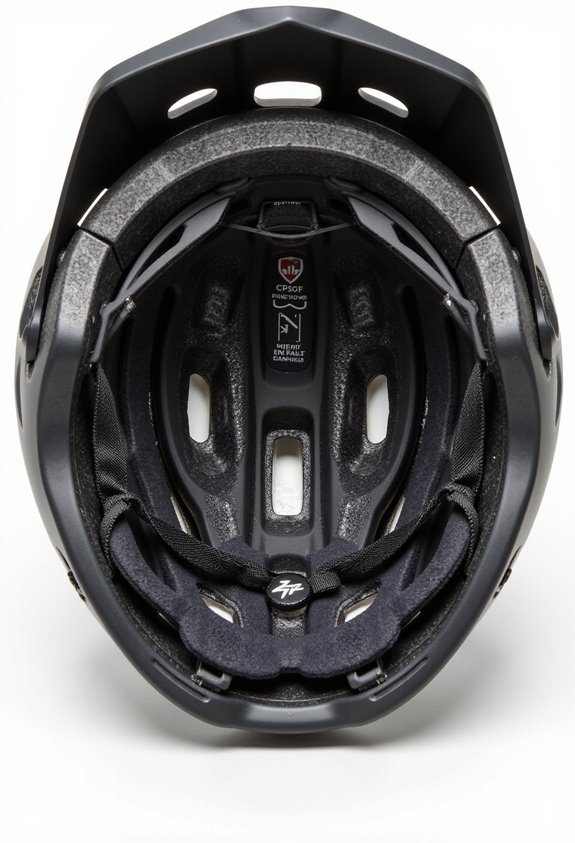
To keep our bike helmets from getting too hot in summer, we should focus on improved ventilation and smart choices. Opt for helmets with multiple vents, which promote airflow. Consider lighter colors that reflect sunlight, reducing heat absorption. Confirm a snug fit to prevent airflow obstructions. We can also utilize moisture-wicking fabrics and cooling liners for added comfort. By integrating these features, we mitigate heat buildup effectively. We can explore additional strategies for staying cool on our rides.
Key Takeaways
- Choose a lightweight helmet with 18-24 vents to optimize airflow and reduce heat buildup.
- Opt for light-colored or glossy helmets to reflect sunlight and maintain cooler temperatures.
- Ensure a proper helmet fit to stabilize airflow and prevent obstructions during rides.
- Use cooling liners and moisture-wicking fabrics to enhance comfort and evaporate sweat effectively.
- Clean helmet vents regularly to prevent clogs and maintain optimal ventilation during hot weather.
Understanding Helmet Ventilation Technologies
You may be interested


Vent Design and Airflow Optimization****
Strategically placed vents channel air to reduce heat buildup. Advanced models rely on wind tunnel testing for optimized airflow dynamics, ensuring effective cooling from front intake to rear exhaust. MIPS helmets typically feature advanced ventilation systems that include 18-24 strategically placed vents for enhanced airflow during long rides.
Materials and Construction
Lightweight shells and minimal padding drastically decrease heat retention. Meanwhile, dual-shell designs with moisture-wicking liners allow sweat evaporation, improving overall comfort.
Ventilation Adjustment Technologies
Integrated systems, like Lazer’s Airslide, enable real-time vent adjustments, adapting to our exertion levels and temperature changes, thereby optimizing our ride experience without needing to remove the helmet.
The Impact of Helmet Color on Heat Retention

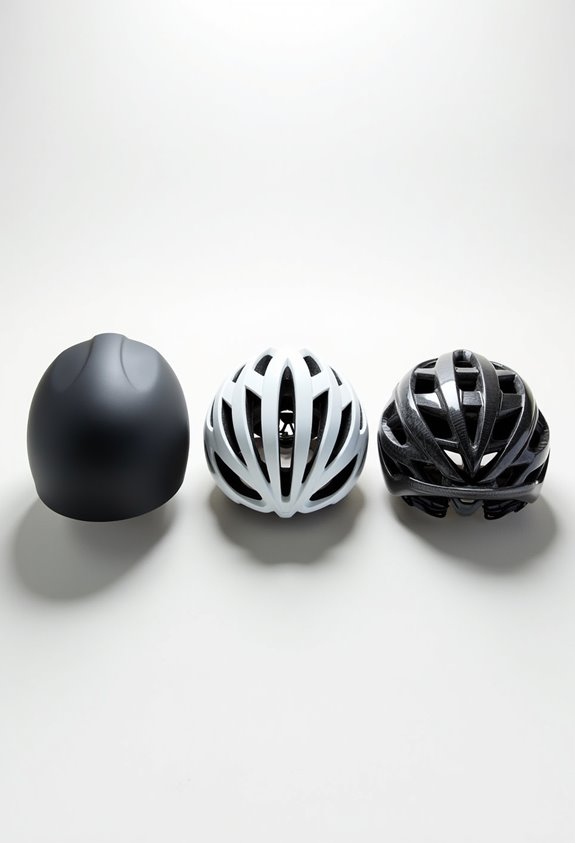
Helmet color plays an essential role in how much heat it retains during summer rides. Dark-colored helmets, particularly black, have a higher color temperature and absorb more sunlight, resulting in increased heat buildup. In contrast, white or lighter colors reflect solar radiation effectively, keeping the helmet cooler.
- Matte finishes absorb more heat than glossy options, affecting comfort.
- Silver helmets offer moderate reflectance, cooling more than black but less than white.
While the outer color influences heat absorption, the helmet’s foam liner plays a significant role in internal temperature. Many riders notice minimal temperature differences due to ventilation and airflow, suggesting that while color choice matters, comfort relies heavily on proper helmet fit and ventilation slots management.
Recommended Products
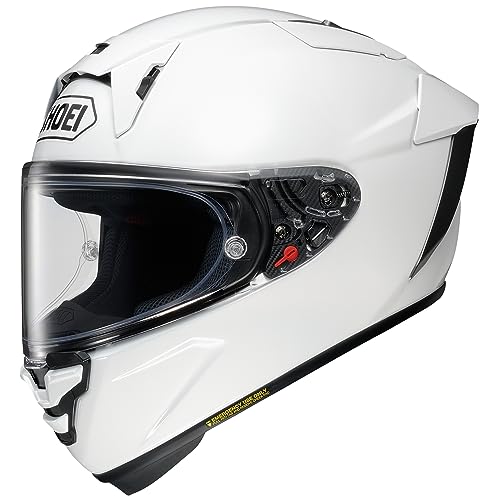
Certified Excellence: Meets FVMSS 218, DOT, Snell, and ECE R22/06 standards, ensuring the highest level of safety and performance for your riding adventures.

FLEX ENERGY MANAGEMENT — A first-of-its kind, three-layer impact liner designed to manage energy from three potential impact scenarios: low, mid, and high-speed.
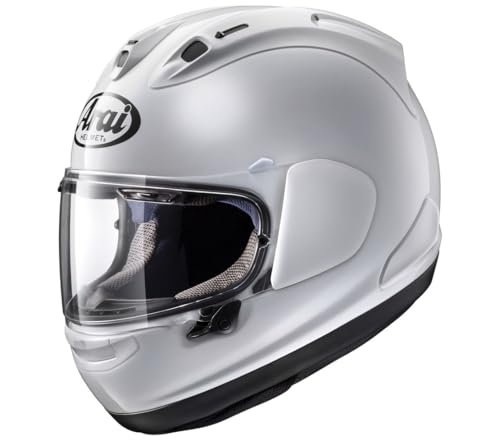
Meets DOT Federal Motor Vehicle Safety Standard 218 (FMVSS 218)
Ensuring a Proper Helmet Fit for Optimal Airflow

To maximize airflow and cooling, guaranteeing a proper helmet fit is essential. A well-fitted helmet stabilizes during rides and prevents gaps around the pads, which can obstruct airflow.
Adjustment Features
Helmets with effective adjustment features allow us to customize the fit without compromising ventilation. This guarantees that air can flow freely through the vents, enhancing cooling. For example, helmets like the Giro Isode MIPS Cycling Helmet offer a universal fit system that accommodates various head sizes.
Padding Arrangement
The padding arrangement also plays a critical role. Strategically placed padding creates channels for airflow while maintaining comfort. By allowing airflow around edges, we further increase ventilation.
Choosing the right helmet size is equally important. Helmets come in various sizes, guaranteeing that each rider finds a snug fit, facilitating ideal airflow and cooling during summer rides.
Recommended Products
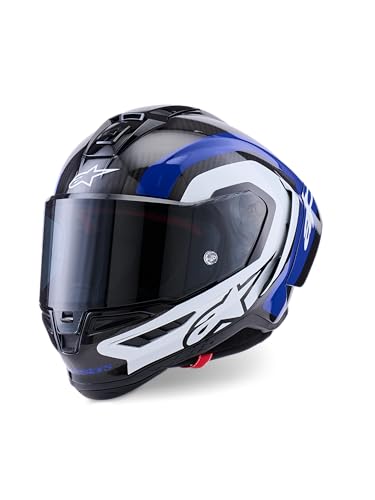
SAFETY COMPLIANCE: This Helmet meets Federal Motor Vehicle Safety Standard 218 FMVSS 218. Certified ECE R 22.06 and DOT for street and track riding use.

Certified Safety Assurance: Complies with DOT FMVSS 218, Snell, and ECE R22/06 safety standards, ensuring maximum protection and peace of mind while riding.

Elite Performance and Protection: Meet the SHOEI X-Fifteen Marquez Dazzle helmet, crafted to exceed FMVSS 218, DOT, Snell, and ECE R22/06 standards, offering top-tier protection and performance for serious racers.
Utilizing Cooling Liners and Moisture-Wicking Fabrics

Utilizing advanced cooling liners and moisture-wicking fabrics can greatly enhance our comfort during summer rides. These innovative cooling technologies help regulate temperature by utilizing phase change materials (PCM) and dual-density foams. PCM materials absorb and dissipate heat effectively, keeping the liner around 19.5°C in motion.
Moisture management becomes essential in humid conditions. Liners made from moisture-wicking fabrics efficiently absorb sweat from our foreheads, distributing it for evaporation, which cools us down.
Key features to take into account include:
- Open-cell foams for improved airflow.
- Breathable materials that dry quickly.
- Double-layer absorbent liners for enhanced moisture retention.
These design elements work together to maintain a comfortable helmet environment, minimizing discomfort and maximizing our ride enjoyment. Additionally, incorporating user-friendly features such as adjustable vents can further enhance airflow and cooling capabilities.
Effective Helmet Storage and Maintenance Practices

Making sure our bike helmets are stored and maintained properly is essential for their longevity and effectiveness. Proper storage plays an important role; we should keep helmets in cool, dry places away from direct sunlight to prevent heat buildup and degradation. It’s also crucial to avoid damp environments to prevent moisture damage.
For helmet maintenance, regular cleaning is critical. We should use helmet-safe cleaners and air dry them in shaded areas. Periodic inspections for cracks and functionality of straps are necessary to guarantee safety. We must replace helmets every 3 to 5 years, particularly after significant impacts. Additionally, understanding helmet specifications helps ensure that we choose the right helmet for our needs. Finally, storing helmets away from chemicals and intense heat helps protect materials and extends their lifespan.
Recommended Products

Convenient Access: Storage shed with sliding lid design allows quick and easy access to outdoor essentials, making it perfect for storing bikes, mowers, and patio furniture

Loading capacity of 115 liters (for example: 2 off-road helmets and many tools)

Position: Rear
Exploring Advanced Cooling Accessories for Helmets
Proper storage and maintenance lay the groundwork for a functional bike helmet, but enhancing its cooling capabilities can considerably improve our riding experience in summer heat. Advanced cooling accessories can be pivotal in this regard.
Cooling Gels and Liners
We can utilize cooling liners with embedded cooling gels, which temporarily absorb heat, effectively lowering head temperature. These liners are often reusable and made from moisture-wicking materials, ensuring comfort during rides. Additionally, ensuring that your helmet has multiple air vents helps optimize airflow and further enhances cooling during hot weather.
Breathable Visors
Additionally, incorporating breathable visors improves airflow around our faces, reducing heat retention. These visors often come with anti-fog properties, further enhancing visibility.
Recommended Products

Mips Technology
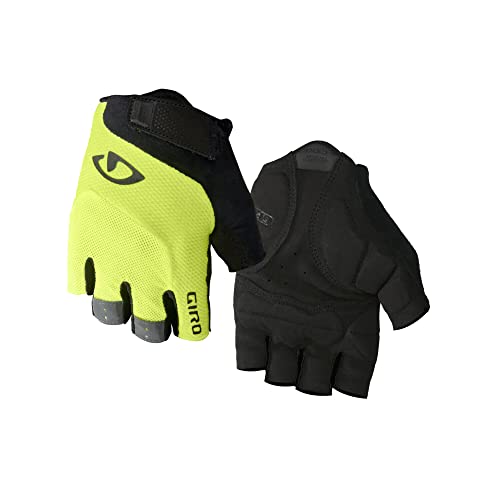
SUPER FIT ENGINEERING; Super Fit Engineering is a proprietary process that guides the fit, design and patterning of every Giro glove for maximum comfort and performance; By carefully tailoring the palm, fingers and padding zones to match the shape and size of the hand, SFE reduces bunching and discomfort while enhancing grip, bar feel and the effectiveness of the padding; And with as many as six sizes available per model, almost any rider can great pair of gloves to match their needs

Riding Strategies to Combat Summer Heat
Timing Rides
We should plan our riding schedules to avoid peak heat, typically between 1 pm and 5 pm. Early morning or late evening rides help reduce exposure and lower core temperature stress.
Managing Exertion Levels
During rides, we must maintain moderate effort. This prevents excessive core temperature rise, keeping our heart rates manageable. Slowing our pace aids in dissipating heat and enhances helmet ventilation. Additionally, using solar bike lights can improve visibility during early morning or late evening rides, ensuring safety while managing heat.
Route Selection
Opting for routes with shade can notably decrease direct sun exposure. Frequent stops in shaded areas allow for necessary cooling, enhancing our overall riding experience.
Environmental Factors Influencing Helmet Temperature
Understanding how environmental factors influence helmet temperature is essential for maintaining comfort while riding. When exposed to direct sunlight, helmets can reach external temperatures over 100 °F (38 °C), especially dark-colored ones that absorb more heat. This leads to increased internal temperatures that affect rider comfort and heat stress.
Additionally, ambient air temperature elevates the baseline heat inside the helmet, while humidity effects restrict sweat evaporation, reducing cooling efficiency. For accurate temperature measurement, consider both dry-bulb and wet-bulb temperatures, as they reveal how these environmental factors impact internal helmet climate.
Lastly, larger vents and optimized air channels within the helmet enhance airflow, promoting convective heat loss and improving overall cooling performance during rides in hot, humid conditions. Helmets with 18 to 23 air vents are particularly effective at regulating temperature and preventing overheating.
The Role of Hydration in Cooling Efficiency
Maintaining hydration is critical for enhancing cooling efficiency while riding. Adequate hydration helps us regulate our core body temperature by maintaining blood volume, a key factor in effective heat dissipation. Without enough fluids, dehydration impairs our sweat response and increases internal helmet temperature.
Hydration Benefits
Using in-helmet hydration systems, like the AGV Pista GP R, can make a significant difference. These systems keep us hydrated without removing our helmets, helping to sustain our electrolyte balance. Additionally, the incorporation of hands-free sipping straws allows for easy access to hydration while maintaining focus on the ride.
Practical Application
Timely drinking, supported by handsfree systems, guarantees steady hydration during rides. This approach reduces thermal discomfort and allows better focus. Ultimately, integrating hydration into our riding routine is essential for optimizing both comfort and performance.
Scheduling Rides for Maximum Comfort
Optimal Ride Timing
Morning rides, between sunrise and one hour after, are ideal as temperatures can be 20-25°F lower, minimizing heat exposure. Evening rides, one hour before sunset, also offer cooler conditions.
Avoiding Peak Heat
Midday rides, especially from 11 am to 4 pm, should be avoided due to high temperatures and increased heat exposure. Additionally, we should steer clear of rush hour to guarantee safety and reduce heat from traffic congestion.
Smart Strategies
For maximum comfort, we should plan rides either early in the morning or late in the evening. This approach helps us avoid overwhelming heat and guarantees a more enjoyable cycling experience. Additionally, considering weather-resistant materials for helmets can help manage heat during summer rides.
Additional Tips for Minimizing Heat Buildup
When planning summer rides, we shouldn’t overlook the importance of minimizing heat buildup within our bike helmets. Ventilation upgrades are essential. Proper adjustment of inlet and outlet vents enhances airflow, promoting heat dissipation. Active cooling systems can regulate thermal comfort in real-time, effectively combating humidity effects.
Choosing lighter, breathable materials for helmet padding also contributes to comfort. By using materials with heat-reflective properties, we can further reduce heat absorption.
Maintaining a proper helmet fit allows for better air circulation. Additionally, we should regularly clean vents to avoid clogging that impedes ventilation. Finally, storing our helmets in cool, shaded areas when not in use helps maintain a comfortable temperature for our next ride.
Frequently Asked Questions
Can I Wear a Bandana Under My Helmet?
Absolutely, wearing a bandana under our helmet can offer great benefits—like absorbing up to 80% of sweat. It also improves helmet fit, enhancing both comfort and sweat management while keeping our heads cooler in summer.
How Often Should I Clean My Helmet?
We recommend cleaning our helmets at least once a week during riding seasons. By following these helmet maintenance tips and adjusting cleaning frequency based on use, we can guarantee hygiene and comfort throughout our rides.
Are There Helmets Specifically for Hot Weather?
Absolutely, there’re helmets explicitly crafted for hot weather! These utilize advanced ventilation technology and cooling materials, enhancing airflow like a gentle breeze on our heads, keeping us cooler while we ride through summer’s blazing sun.
Do Different Brands Have Varying Cooling Capabilities?
Yes, different brands have varying cooling capabilities due to their ventilation technologies and airflow designs. For instance, Specialized helmets excel in airflow, while Smith’s KOROYD material may hinder cooling. We need to choose wisely for hot conditions.
How Does My Hairstyle Affect Helmet Ventilation?
Did you know that hair can reduce heat transfer by up to one-third? Our hairstyle greatly impacts helmet ventilation, especially with longer hair, which restricts airflow and can lead to overheating during rides.