As an Amazon Associate, we earn from qualifying purchases. Some links on this site are affiliate links at no extra cost to you. Our recommendations are based on thorough research and editorial judgment.


What Is the Proper Cycling Cadence for Efficiency?

To achieve ideal cycling cadence for efficiency, we typically aim for a range of 75 to 95 revolutions per minute (rpm). For beginners, focusing on lower cadences is key, while experienced cyclists can effectively maintain this cadence for endurance. Elite cyclists may reach up to 110 rpm during high-intensity efforts. Understanding personal factors, such as muscle fiber dynamics and terrain adaptation, helps fine-tune our approach. There’s more to explore regarding techniques that enhance both cadence and overall performance.
Key Takeaways
- Optimal cycling cadence for endurance typically ranges from 75 to 95 rpm to enhance performance and efficiency.
- Beginners often start with lower cadences of 60 to 85 rpm, gradually increasing as fitness improves.
- Elite cyclists achieve cadences of 95 to 110+ rpm during high-intensity efforts to maximize power output.
- Adjusting cadence based on terrain optimizes performance, with flat terrain favoring 80-95 rpm and climbs requiring lower cadences.
- Personalized training and cadence adaptation are essential as individual variability affects optimal cadence efficiency.
Understanding Metabolic Efficiency
You may be interested


When we engage in physical activities like cycling, it’s essential that we comprehend metabolic efficiency. This term refers to how effectively our bodies use fat as an energy source, sparing our limited carbohydrate stores. The human body can store about 80,000 calories in fat compared to just 1,200-2,000 calories in glycogen.
Understanding metabolic adaptation helps us shift from carbohydrate utilization to fat during prolonged exercise.
Key points include:
- Fat utilization increases during low to moderate intensity activities.
- Metabolic efficiency training enhances our ability to burn fat efficiently.
- Better substrate utilization during exercise leads to improved energy expenditure patterns.
Hence, focusing on these factors can markedly impact our performance and endurance on the bike. Additionally, incorporating high volume levels in your training can help improve your overall cycling efficiency.
The Role of Mechanical Efficiency

Mechanical efficiency plays an essential role in our cycling performance. It refers to the ratio of power output to input, typically ranging from 80% to 99%. Achieving high mechanical efficiency is critical for cadence optimization, as it directly influences our energy usage. A clean, well-lubricated drivetrain can maximize efficiency, allowing us to reduce friction losses considerably.
Key factors affecting mechanical efficiency include:
- Chain alignment and lubrication: These aspects guarantee effective energy transmission.
- Gear type: Larger sprockets typically exhibit higher efficiency due to reduced friction.
- Cadence: While higher cadences may increase losses, finding a balance is essential for peak performance. Additionally, using high-quality tubeless bike tires can enhance overall performance by minimizing rolling resistance.
Understanding these components helps us make informed adjustments, ultimately improving our cycling experience and efficiency.
Cadence Ranges for Different Cycling Goals

Understanding cadence ranges is essential for achieving specific cycling goals, as different riding conditions and objectives dictate the ideal cadence we should aim for.
Recommended Products
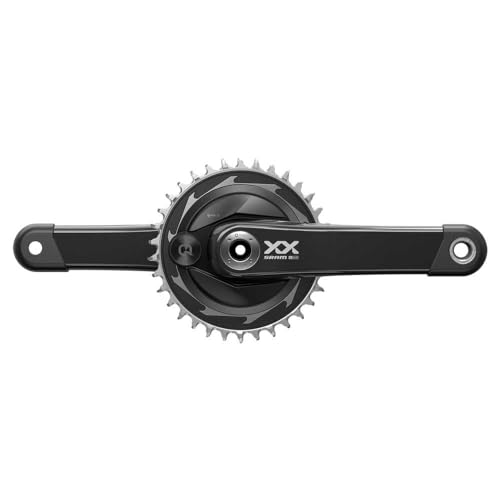
Power your ride with the SRAM XX SL Eagle T-Type AXS Power Meter Crankset, featuring advanced carbon fiber construction for optimal strength-to-weight ratio and durability in mountain biking conditions.

Dual power transducers for accurate, comprehensive data.

IN THE BOX: 1 x Garmin Rally RK200 Pedals, 1 x Cleat hardware, 1 x 55 mm Q-factor washers, 1 x Wearable4U PowerBank
Beginners
- Beginners typically pedal at 60 to 85 rpm.
- Initially, lower cadences, around 50-60 rpm, help develop smooth pedal strokes and coordination.
- Gradually increasing to 75-85 rpm is advised as fitness improves.
Experienced Cyclists
- These riders usually maintain cadences of 75 to 95 rpm during endurance efforts.
- Elite cyclists can push cadences up to 110 rpm during sprints for efficiency.
High-Intensity Efforts
- Sprinting demands 95 to 110+ rpm for peak performance.
- Maintaining an efficient cadence can significantly enhance aerodynamics, performance, and user comfort during long rides.
Muscle Fiber Recruitment and Power Output

As we explore the link between muscle fiber recruitment and power output in cycling, it’s crucial to recognize how cadence influences our performance. Muscle fibers are categorized into slow-twitch and fast-twitch types, each fulfilling different roles in our cycling efficiency.
- Slow-twitch fibers enhance endurance through aerobic metabolism, working well at lower cadences.
- Fast-twitch fibers generate force rapidly, becoming significant at higher cadences but fatigue quickly.
Our recruitment patterns shift with cadence; quicker pedaling activates fast-twitch fibers earlier, affecting our power output and energy expenditure. It’s important to note that individuals with more fast-twitch fibers may find higher cadences more effective. Ultimately, understanding these dynamics helps optimize our cycling performance and efficiency.
Benefits of Low and High Cadence Drills

When we engage in cycling drills, varying our cadence offers distinct advantages for our performance and efficiency. Low cadence drills, typically around 60-70 rpm, enhance muscle activation and strength development. This approach promotes endurance balance by strengthening slow-twitch muscle fibers, making us more fatigue-resistant. Additionally, these drills improve recovery techniques, allowing for smoother pedal strokes.
On the other hand, high cadence drills at 90-110 rpm focus on neuromuscular coordination and agility. They can help us reach our fitness goals by improving our freely chosen cadence and boosting oxygen delivery to our muscles. While high cadence use might seem less energy-efficient, the training adaptation helps us enhance our cycling economy at elevated power outputs, optimizing overall performance metrics.
Developing Cadence Agility
Developing cadence agility is essential for cyclists aiming to enhance their performance across various riding conditions. By practicing cadence drills, we can stimulate neuromuscular adaptation, improving our muscle coordination and synchronization. This way, we reduce wasted energy effective for both speed and endurance.
Incorporating rhythmic shifts between low and high cadence builds helps reinforce our ability to adjust pedaling techniques quickly. Short cadence builds combined with recovery periods prepare our muscles to adapt both metabolically and mechanically. High-cadence training also enhances muscle endurance, allowing us to maintain higher power outputs for longer durations. Additionally, utilizing optimal leg grippers in cycling shorts can further improve comfort and efficiency during these training sessions.
The Impact of Bike Fit on Cadence
The relationship between bike fit and cadence is one that greatly influences our cycling performance and comfort. Proper bike sizing is essential; incorrect measurements can compromise rider biomechanics, preventing efficient pedaling.
Crank Length
Shorter crank arms can increase cadence while lowering joint stress, particularly on the hips. This adjustment also promotes a more aerodynamic position, enhancing efficiency and reducing injury risk.
Saddle Positioning
The saddle height and fore-aft position directly impact pedaling mechanics. An advantageous fit prevents awkward cadences that lead to inefficient energy use.
Handlebar Reach
Adjusting handlebar reach and drop influences posture, helping us find an ideal cadence for varying efforts. Additionally, ensuring proper ventilation through helmet design can enhance overall comfort and performance during rides.
Recommended Products

【PREMIUM FLYWHEEL PERFORMANCE】 Machine-balanced 33 lb aluminum and high alloy steel flywheel delivers smooth, consistent motion for an authentic cycling experience.
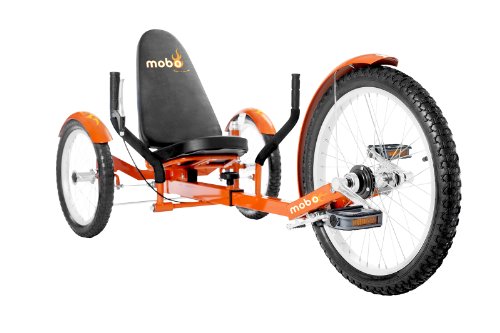
3-Wheel Recumbent Bike – Enjoy the outdoors with this adult tricycle for women and men. Designed for cruising and exercise on flat paved surfaces and gently sloping terrain

ELITE PERFORMANCE AND TIMELESS STYLE: A high-performance mountain bike shoe with fast adjustability and comfortable feel
Training Recommendations for Endurance Cyclists
Training recommendations for endurance cyclists focus on optimizing cadence to enhance performance and efficiency during long rides. We generally aim for a cadence between 75–95 rpm during sustained efforts. For ideal performance, a target of 85–100 rpm strikes the right balance between muscular and cardiovascular effort.
Cadence Strategies
Incorporating high cadence drills can improve neuromuscular coordination and lower muscular strain. Gradually shifting our comfortable cadence upward increases endurance benefits by efficiently burning fat instead of carbohydrates. Additionally, using cycling gloves with gel padding for shock absorption can enhance comfort during long rides.
Low Cadence Work
Integrating low cadence intervals (around 60 rpm) at higher intensity enhances leg strength. These practices develop the muscular endurance necessary for climbs and overall performance.
Recommended Products

IDEAL FOR: Cyclists seeking a protective cycling glove with minimal seam construction. This slim fitting glove is lightweight and offers maximum dexterity in mild weather conditions.

WIND & COLD WEATHER GLOVES: Provides the warmth of a mitten with enough dexterity to operate shifters and brake levers while biking. The 170g PrimaLoft Gold insulation w/Cross Core technology increases warmth with minimal bulk. Suitable for men and women
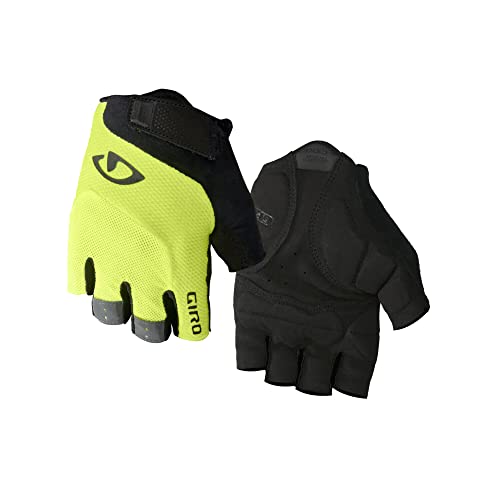
SUPER FIT ENGINEERING; Super Fit Engineering is a proprietary process that guides the fit, design and patterning of every Giro glove for maximum comfort and performance; By carefully tailoring the palm, fingers and padding zones to match the shape and size of the hand, SFE reduces bunching and discomfort while enhancing grip, bar feel and the effectiveness of the padding; And with as many as six sizes available per model, almost any rider can great pair of gloves to match their needs
Sprint Training and Explosive Power
Explosive power in cycling stems from our ability to efficiently execute sprints. Sprint training focuses on low cadences, typically between 40-80 RPM, to enhance our muscle strength and, ultimately, our power output. This approach encourages fascicle shortening, which positively influences our muscle’s ability to deliver force effectively.
To achieve peak explosive power, we need longer rest periods between strenuous sprints. This allows for muscle recovery, reducing the risk of overuse syndromes. High cadences, around 120 RPM, engage fast-twitch muscle fibers, essential for rapid contractions. By balancing our training between various cadences, we maximize our performance while effectively managing fatigue, ensuring that our sprint capabilities remain sharp and efficient. Additionally, incorporating tire sealant options can help maintain optimal bike performance during intense training sessions.
Recommended Products

Kevlar-Enhanced FiberLink Technology: Strong interlinking fibers reinforce the latex seal for maximum puncture protection.

Ride-On Tire Protection System helps improve the tire balance, seals punctures from objects up to 1/4" (1/8" for tubes) in diameter, prevents flats and helps tires last longer

Instantly seals up to 1/4" (6mm) punctures
Individual Variability in Optimal Cadence
When considering individual variability in ideal cycling cadence, we need to recognize that each cyclist responds differently to cadence changes. Individual preferences in cadence can result from a mix of physiological factors, psychological aspects, and training history.
Each cyclist’s biomechanical differences, including muscle activation patterns and force generation capabilities, influence their best cadence. For instance, some cyclists may perform best at lower cadences, while others excel at higher rates. Additionally, rider experience plays an essential role; elite cyclists often refine their cadence through extensive training and adaptation.
Ultimately, the lack of a universal best cadence underscores the importance of personalized approaches. By understanding our individual mechanics and responses, we can identify a cadence that enhances our performance in cycling. Considerations like energy transfer and stability through proper shoe fit can also impact overall cycling efficiency.
Measuring Cadence Capacity
Measuring our cycling cadence accurately is crucial for optimizing performance and enhancing overall efficiency. We can utilize various cadence measurement techniques to achieve this. A manual counting method involves selecting one leg and counting pedal revolutions. However, this method may lack precision due to timing errors.
Moving beyond manual counting, sensor technology advancements have led to popular cadence sensors that mount on the crank or pedal area. These sensors automatically detect pedal revolutions and provide real-time cadence data. They communicate with bike computers or smartphones via Bluetooth, allowing us to adjust our cycling while on the move.
For an extensive approach, power meters integrate cadence measurement, linking cadence to power output, which is critical for optimizing cycling efficiency. By employing these methods, we can markedly enhance our cycling experience. Additionally, many modern GPS cycling computers, such as the Garmin Edge 530, offer compatibility with cadence sensors to provide comprehensive performance metrics.
Recommended Products

ELEMNT BOLT 2

IN THE BOX: 1x Edge 1050 GPS cycling computer, 1x flush out-front mount, 1x standard mount, 1x tether, 1x charging/data cable, 1x speed sensor, 1x cadence sensor, 1x Wearable4U Power Bank

Premium GPS cycling computer with vivid color touchscreen display combines superior navigation, planning and performance tracking, cycling awareness and smart connectivity
Cadence and Neuromuscular Adaptation
Understanding how cadence influences neuromuscular adaptation is essential for enhancing our cycling performance. Preferred cadences usually lie within a narrow range, shaped by our training experience. When we maintain a habitual cadence, we enhance our neuromuscular efficiency, allowing for better motor unit recruitment.
- Shifting from this preferred cadence can disrupt this efficiency, leading to increased neuromuscular fatigue.
- Trained cyclists can adapt to moderate cadence changes with minimal fatigue, unlike less experienced riders.
- As exercise intensity rises, ideal cadence often increases, reflecting the dynamic nuances of our neuromuscular demands.
Ultimately, by recognizing these cadence nuances, we can personalize our training for better performance and adaptive responses, tailoring our cycling experience to meet our unique needs. Additionally, wearing proper cycling shorts can significantly improve comfort during long rides, allowing cyclists to focus on maintaining an optimal cadence without discomfort.
Cycling Performance Across Terrain
Cycling performance varies considerably across different types of terrain, affecting how we optimize our cadence.
Flat Terrain
On flat surfaces, experienced cyclists typically maintain a cadence of 80-95 rpm. This range helps balance efficiency and power output.
Rolling Hills
In rolling hills, we aim for a cadence of 75-95 rpm, adjusting our pedaling force as the grades shift.
Climbs
Long climbs force a reduction in cadence. Beginners might pedal at 65-85 rpm, while experienced riders aim for 75-85 rpm to manage fatigue.
High-Intensity Efforts
During high-intensity bursts uphill, we may push our cadence above 90 rpm to enhance power output.
Downhill
Lastly, downhill riding often sees a significant drop in cadence due to reduced pedaling effort.
Incorporating cadence training and terrain adaptation techniques is essential for optimizing performance across varying landscapes.
Balancing Efficiency and Power Output
Balancing efficiency and power output is essential for improving our cycling performance. Higher cadences can enhance our power output, but we must also consider energy balance. For instance, as our power output increases, economical cadences rise too. Experienced cyclists might reach cadences of 110-120 rpm for maximum bursts, whereas slower cadences (40-70 rpm) can be more efficient at lower intensities. However, low cadences limit our power production capacity.
Neuromuscular coordination plays a key role in pedal mechanics—maintaining ideal cadences around 90 rpm can help delay fatigue, enhance muscle activation, and maintain efficiency. Ultimately, we need to find a middle ground: ensuring effective energy balance while maximizing power output can elevate our cycling performance considerably.
Frequently Asked Questions
How Does Terrain Affect Cycling Cadence Efficiency?
Terrain greatly affects our cycling cadence efficiency. On flat terrain, we often pedal faster, while uphill cycling demands lower cadences. Downhill cycling allows for rapid spins, varying our rhythm based on each riding surface’s challenges.
What Role Does Mental Focus Play in Maintaining Cadence?
Maintaining cadence’s like steering a ship; it requires steady focus. We can enhance our performance through mindset techniques and focus exercises, ensuring we stay in sync with our rhythm and achieve maximum cycling efficiency together.
Can Cadence Impact Injury Risk While Cycling?
Yes, cadence can greatly impact injury risk while cycling. By focusing on proper pedal technique and adjusting our cadence, we enhance injury prevention, reducing strain on our joints and lowering the likelihood of overuse injuries.
How Does Weather Influence Optimal Cycling Cadence?
Weather greatly influences our ideal cycling cadence; wind resistance can force us to adapt our rhythm, while temperature effects on muscle function often require adjustments to maintain efficiency and prevent fatigue during varied conditions.
What Gear Ratios Are Best for Maintaining Cadence?
To maintain cadence, we should focus on gear selection that offers ideal ratios, ideally between 0.8:1 and 4.0:1. Smaller percentage jumps in gearing allow a smoother changeover, keeping our cadence consistent and efficient.


