As an Amazon Associate, we earn from qualifying purchases. Some links on this site are affiliate links at no extra cost to you. Our recommendations are based on thorough research and editorial judgment.


How Do I Use Tire Levers Without Damaging My Rims?

To use tire levers without damaging your rims, we should follow key techniques. First, make certain the tire is fully deflated, and clean the rim. Select reinforced plastic levers for better protection. Insert the lever near the spokes and apply gentle, controlled pressure, avoiding excessive force. Always reposition levers if resistance occurs. Using multiple levers distributes pressure, minimizing localized damage. By employing these methods, we can efficiently change tires while keeping rims safe. Let’s explore more best practices to enhance our technique.
Key Takeaways
- Ensure the tire is fully deflated to reduce bead tension before using tire levers for easier handling.
- Insert levers at the tire bead edge aligned with a spoke to maximize leverage and minimize risk.
- Use gradual, controlled force while levering to prevent sudden impacts that could damage the rim.
- Employ plastic or composite levers to safeguard against scratches or dents on carbon and alloy rims.
- Regularly inspect rim edges during the process and reposition levers if the bead feels stiff to prevent localized damage.
Preparing Your Tires for Removal
You may be interested

How Do I Fix a Broken Spoke While Cycling?
September 17, 2025

How Do I Fix a Flat Tire on the Road Quickly?
October 13, 2025

How Do I Know if My Chain Needs Replacing or Just Cleaning?
September 26, 2025
When we prepare our tires for removal, it is essential to follow a systematic approach to prevent any damage. First, we inspect the tire for visible damage like cracks or punctures. We also examine the rim edges for dents or corrosion, which could complicate removal. Cleaning the tire sidewall and rim interface guarantees a smoother process.
Next, we confirm the tire bead is properly seated, as this affects leverage and handling. We also identify the valve stem position to avoid applying pressure near it.
Finally, deflating the tire completely by removing the valve core minimizes bead tension. This step is significant to facilitate easier lever insertion without risking rim damage. Proper preparation sets the stage for a successful tire removal. Additionally, using tools with ergonomic designs can help reduce the risk of slipping and causing damage during the process.
Selecting the Right Tire Levers
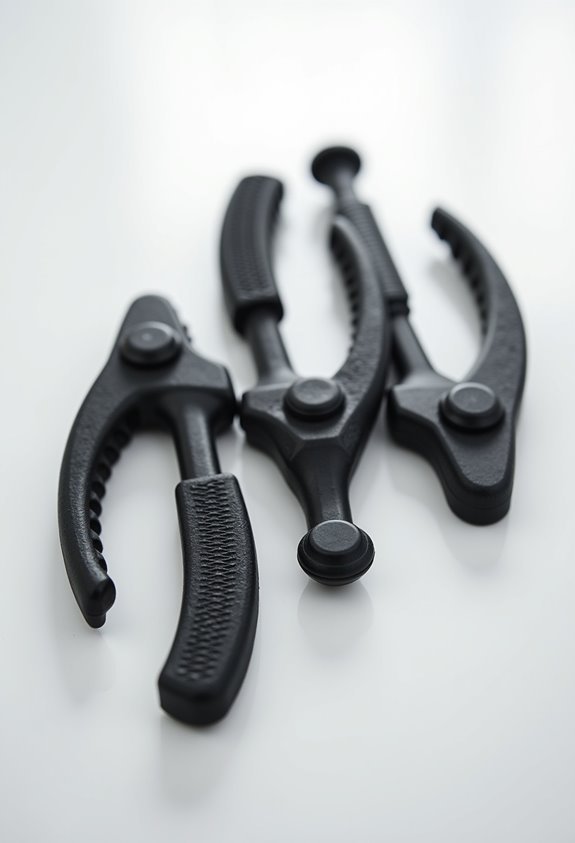
Selecting the right tire levers is essential for successful tire removal without damaging rims. When choosing levers, consider lever materials such as reinforced plastic or nylon, which offer strength without excessive weight. Premium options in hard resin provide added durability, resisting bending or breaking.
Ergonomic designs enhance our experience. Levers with curved edges and non-slip grips help to reduce hand fatigue and improve control. Meanwhile, wide, flat tips increase rim contact, minimizing scratches.
Additionally, selecting the appropriate size affects portability. A longer lever provides better leverage but may be bulkier. In contrast, compact levers fit easily in our pockets, ideal for on-the-go repairs. Always remember; durability and design directly impact our success in tire removal. Furthermore, investing in tools made from heavy-duty steel construction can improve overall performance and longevity.
Recommended Products

TL-1.2 - Narrow, strong, smooth and versatile. Features a spoke hook for when multiple levers are needed.

Designed for Bicycle Tire – fits closely to the contours of Bicycle Tires and is easy to remove for repair and replacement.

Manufacturer Warranty: lifetime
Techniques to Avoid Rim Damage

Avoiding damage to rims requires specific techniques that combine careful lever usage and attention to detail. We should prioritize rim protection techniques that minimize direct contact with the rim. Always insert the tire lever solely under the tire bead edge, positioning it aligned with a spoke. This reduces stress concentration on the rim surface.
Meanwhile, applying controlled force is essential for tire bead management. We must use gradual pressure to prevent sudden impacts. If the tire bead feels stiff, we should reposition the levers rather than applying excessive force. For best results, opt for plastic or composite levers to safeguard against damage, especially on carbon rims. Regular inspections of rim edges during the process will help us catch any potential issues early. Additionally, using tools made from high-quality materials enhances your ability to work safely without compromising rim integrity.
Recommended Products

【What You Get】1 Pack red levers, 1 pack black levers. 6 pieces in total. Each Lever's size, LxWxH: 4.1 x 0.76 x 0.29 inches, each weight: 0.44oz.
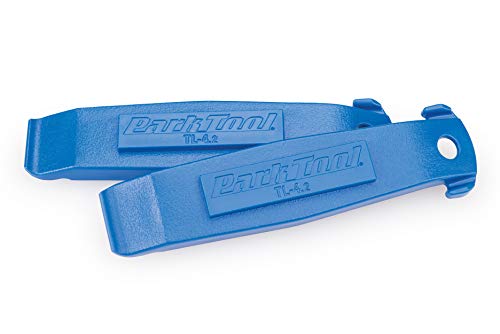
TL-1.2 - Narrow, strong, smooth and versatile. Features a spoke hook for when multiple levers are needed.

【Kit Contents】 This tire levers kit includes: 3 x ultra strong plastic bike tire levers, 2 x stainless steel Tyre Spoon Iron, 1 x valve core wrench, 1 x drawstring bag. Ideal for your bike tire repair kit!
Step-by-Step Tire Removal Process
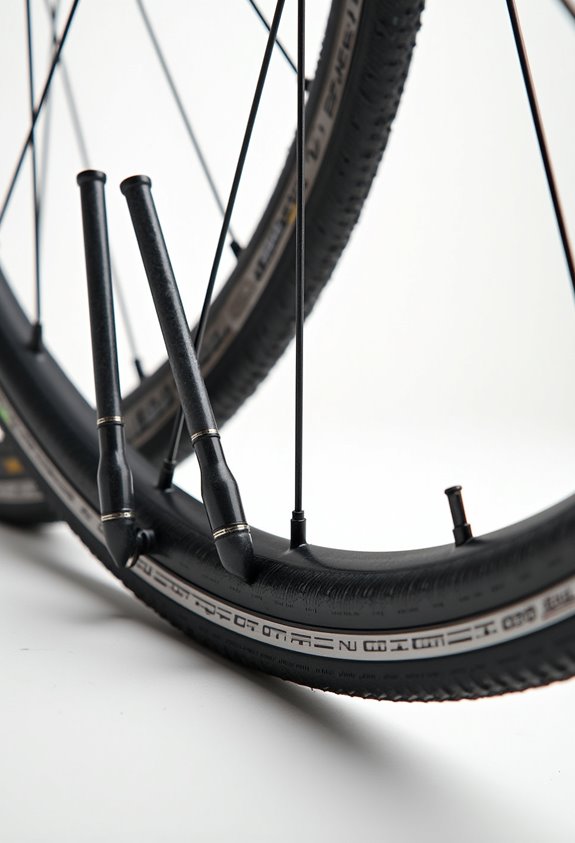
Let’s proceed with these steps for effective tire removal.
Importance of Proper Tire Installation
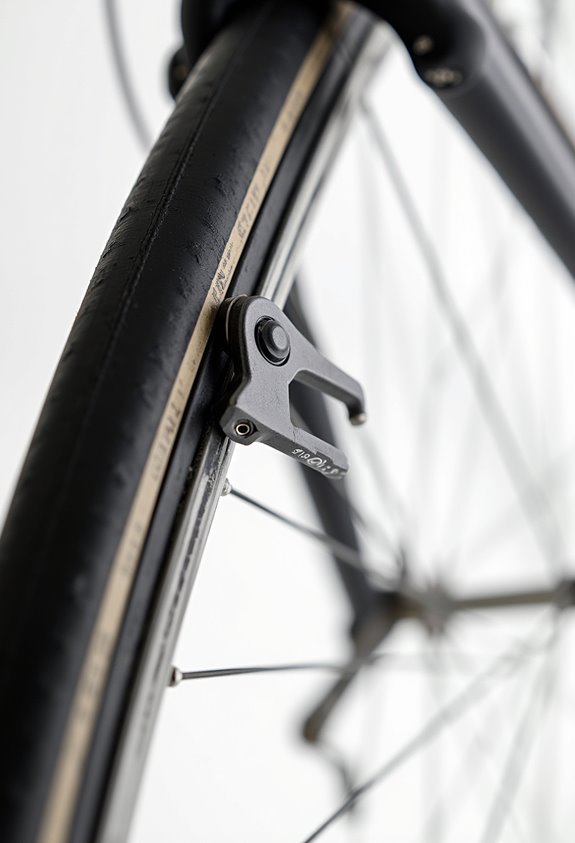
Ensuring tires are installed correctly is essential for vehicle performance and safety. Proper installation maximizes tire-to-road contact, which is critical for maintaining traction and vehicle control. When we focus on proper alignment, we promote even tire wear, preventing issues like skidding on wet surfaces.
Misalignment can lead to uneven tread wear, impacting grip and increasing stopping distances. Consequently, we must prioritize adjusting caster, camber, and toe angles to enhance handling and stability.
Furthermore, correctly seated tires reduce the risk of blowouts and keep air leaks at bay, which directly influences tire safety. By maintaining ideal tire installation, we not only extend tire longevity but also greatly reduce risks associated with tire failure, thus supporting safe driving experiences. Additionally, using high-quality tools like hardened steel chain tools can facilitate effective maintenance, ensuring optimal tire performance.
Tips for Working With Tight Tires
When working with tight tires, we must approach the task methodically to avoid damaging both the tire and the rim. First, we should verify the tire bead sits in the rim’s central channel. This greatly reduces bead tension. Using plastic tire levers will help prevent damage, especially on carbon rims.
For effective tight tire techniques, we can insert the lever’s tip aligned with a spoke for leverage. A gentle walking motion with multiple levers minimizes stress. Always start removing the tire opposite the valve stem to protect it. If needed, a bit of soapy water can ease the installation. Following these tire installation tips will make the process smoother and safer for our rims. Additionally, ensuring that the insert matches the tire size can enhance performance and protection.
Recommended Products

Application : Simplest and most basic of cycling tools, ideal for toolbox and workshop. The bicycle tire levers help to repair a flat bicycle tire

PRO BIKE TIRE LEVERS SINCE 2015: Relied on by millions of cyclists and bike shops for easy tire removal and installation; ideal for all types of bicycle wheels: road, MTB/mountain, gravel, and e-bikes, with tubes or tubeless setups; compact, lightweight tire irons clip together for saddle bag carry or professional shop use; bright colors are easy to spot in your bike tool kit

PRO BIKE TIRE LEVERS SINCE 2015: Relied on by millions of cyclists and bike shops for easy tire removal and installation; ideal for all types of bicycle wheels: road, MTB/mountain, gravel, and e-bikes, with tubes or tubeless setups; compact, lightweight tire irons clip together for saddle bag carry or professional shop use; bright colors are easy to spot in your bike tool kit
Common Mistakes to Avoid
Common mistakes can lead to frustrating experiences and potential damage during tire lever use. First, inserting the lever too deeply or at the wrong lever angle can pinch the inner tube. We should guarantee complete tire deflation for improved access and tube safety. Partial inflation creates tension, making the lever insertion difficult and increasing the risk of damage.
Next, using excessive force or the wrong levers can harm rims, especially if we utilize metal levers on carbon rims, risking cracks. Additionally, positioning the lever too far from the spokes reduces leverage and increases stress on the rim. Finally, pivoting the lever laterally rather than forcing it can enhance control during removal and protect both the tire and rim. Using ergonomically designed levers can significantly improve grip and leverage, minimizing the risk of damage.
Tools and Innovations for Rim Safety
To protect our bike rims during tire changes, we need to leverage advanced tools and innovative designs that prioritize rim safety. Using the right lever materials is essential; plastic tire levers provide a safer option for carbon and alloy rims by reducing scratches. For those looking for strength without the risk, aluminum levers made from 7075 T6 alloy are a sturdy alternative.
Ergonomic designs play a vital role in minimizing rim damage. Some tire levers feature attachments that integrate rim protectors, distributing pressure evenly and protecting the rim surface. We can also utilize homemade rim protectors, like plastic sheets, to shield rims during tire changes. By choosing the right tools, we can effectively reduce the chance of damaging our rims. Additionally, selecting tools made from durable materials ensures longevity and performance during tire maintenance.
Recommended Products

Full Rim Protection During Tire Changing: Protect your wheel rims during tire changing with this plastic rim protector. Unlike metal tire levers that can scratch, chip, or deform rims, the extended and widened guard creates a protective barrier between the lever and wheel edge. Ideal for aluminum or custom rims, it ensures safe, damage free tire maintenance while serving as a reliable wheel rim guard for motorcycles, bicycles, and scooters

Full Rim Protection During Tire Changing: Protect your wheel rims during tire changing with this plastic rim protector. Unlike metal tire levers that can scratch, chip, or deform rims, the extended and widened guard creates a protective barrier between the lever and wheel edge. Ideal for aluminum or custom rims, it ensures safe, damage free tire maintenance while serving as a reliable wheel rim guard for motorcycles, bicycles, and scooters

【4Pcs Tire Changer Jaw Protectors】These tire changer clamp protectors are made of sturdy plastic with stand rigorous use, offering reliable protection without adding unnecessary weight.
Regular Maintenance and Inspection
Regular maintenance and inspection of our bike rims play an essential role in ensuring safe tire changes. By routinely examining our rims for scratches, dents, or cracks, we can prevent damage that may complicate tire lever use. It’s important to check for signs of corrosion or wear, as early detection helps maintain structural integrity.
We should also keep rims clean. Dirt or debris can increase friction during lever use. Verifying spoke tension is important; uneven tension may deform the rim, complicating tire removal. Additionally, inspecting the rim tape’s condition prevents tube pinching or rim edge damage. Regular cleaning with high-performance microfiber cloths can help maintain a spotless surface, reducing the risk of damage during maintenance.
Through consistent rim maintenance and corrosion prevention, we enhance our tire changing experience and protect our rims from potential harm.
Protecting Carbon Fiber Rims
Protecting carbon fiber rims requires specific techniques and tools to maintain their integrity during tire changes. First, using plastic or specially designed tire levers with reinforced nylon is essential; these prevent scratches and compressive damage. We should avoid metal levers, which can be too rigid for our carbon rims.
For rim maintenance, manual tire installation minimizes risks; squeezing the tire into the rim’s center channel is an effective method. Applying lubricants only on tire beads keeps the rim surface safe. After the tire change, cleaning the rims with a soft damp cloth maintains carbon fiber care. Finally, using rim protectors during installation offers added security. Regularly inspecting for damage will guarantee our carbon fiber rims remain in ideal condition. Additionally, understanding advanced MIPS safety technology can further enhance rider protection during mountain biking activities.
Recommended Products
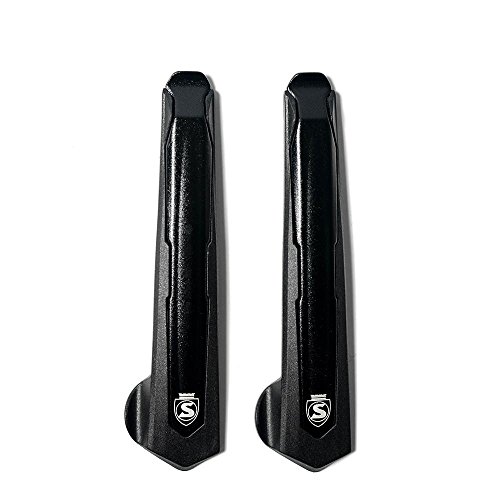
Carbon Rim Safe | Designed for use with carbon rims. It has a nylon rim shield that is safe for prying tight tubeless tires from carbon rims. Additionally, It has a Flex-Core Zone allowing the nylon rim pad to conform to the shape of the rim which is said to minimize stress points. The Forged Alloy blade is in an optimized curved shape for best leverage and ergonomics

HEAVY-DUTY CYCLING TOOL - The Lezyne Tubeless Power XL Tire Lever is engineered specifically for tubeless bicycle tires, delivering enhanced strength, length, and durability to handle difficult and tight tire beads, suitable for road bikes, mountain bikes, gravel bikes, and e-bikes
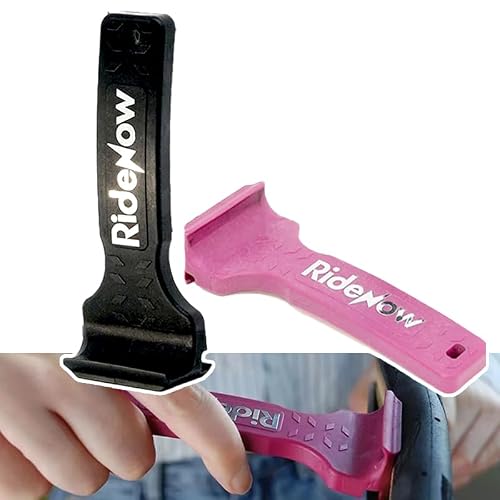
【Widened Design】The lever features a rounded and widened tip for effortless insertion into tight tire edges, minimizing damage to rims or tire beads.
Best Practices for Tire Lever Use
When we’re changing tires, using tire levers correctly can mean the difference between smooth installation and damaging our rims. To start, we should always push tire beads into the rim well to create slack. This makes using our levering techniques easier. Positioning the beads at 90 degrees to the valve also enhances tire bead manipulation while decreasing strain on the rim.
When applying force, we need to be gentle and progressive. Using at least three levers distributes the load and prevents localized damage. Consider using soft levers to avoid sharp edges that might harm the rim. Finally, continuous manipulation of the beads while levering helps minimize concentrated force. By following these best practices, we protect our rims and guarantee a hassle-free installation.
Frequently Asked Questions
What Types of Tire Levers Are Safest for Carbon Rims?
The safest tire levers for carbon rims are plastic tire levers, like glass fiber reinforced ones, and quality carbon fiber options. Metal tire levers can risk scratching, so we should stick with safer alternatives.
Can I Reuse Tire Levers After Damaging Them?
We shouldn’t reuse damaged tire levers as their durability declines, compromising rim protection. Inspecting them regularly guarantees ideal performance, helping us avoid potential accidents and extend their lifespan for safer, effective tire changes.
How Do I Know if My Rim Is Damaged?
To know if our rim’s damaged, we should perform a thorough rim inspection, looking for bends, cracks, or any signs of wear. Regular checks aid in damage prevention, ensuring safe, smooth rides ahead.
What Signs Indicate Tires Are Too Tight to Remove?
When we face tight tire signs, we notice removing difficulty, like excessive resistance when inserting tire levers, bending tools, or seizing lug nuts. These indicators suggest we might need extra care or tools for removal.
Do Tire Sealants Affect Rim Safety During Removal?
Tire sealants definitely impact rim safety during removal! Those pesky substances can glue tires to rims, making the process trickier. We need to proceed with caution, ensuring careful handling to prevent any damage to our rims.