As an Amazon Associate, we earn from qualifying purchases. Some links on this site are affiliate links at no extra cost to you. Our recommendations are based on thorough research and editorial judgment.

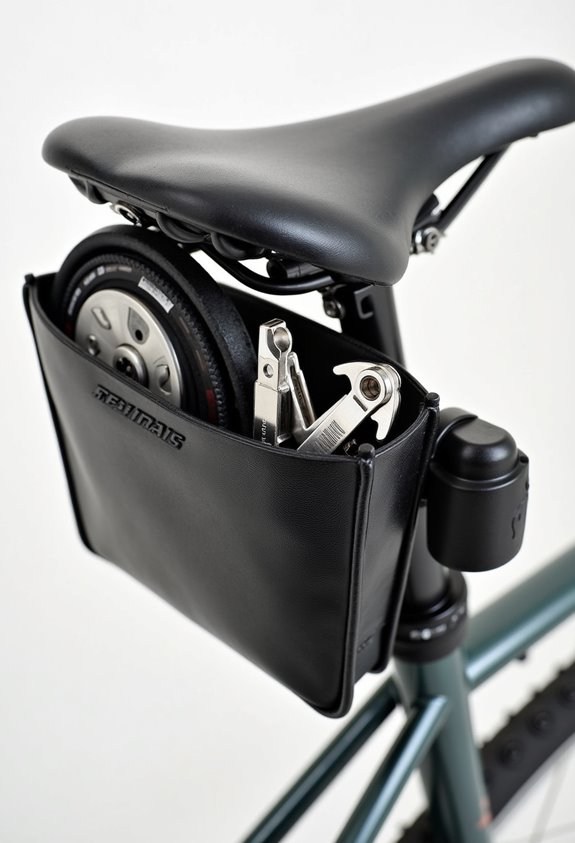
What Is the Best Way to Carry Repair Tools on Long Rides?

To carry repair tools effectively on long rides, we prioritize versatility and quality. Start with essential tools like stainless steel multi-tools and adjustable wrenches. Organize tools using modular cases and label them for easy access. Consider compact emergency items such as tire repair kits and portable compressors. Finally, maintain a mindset of preparedness and adaptability for any roadside situation. By following these guidelines, we’ll guarantee we’re always ready for unexpected challenges ahead.
Key Takeaways
- Use compact, modular organizers to customize storage for easy access and organization of essential tools during long rides.
- Group tools by function and label them clearly for quick identification, minimizing search time during repairs.
- Prioritize frequently used tools through layered storage methods for effortless reach when roadside assistance is needed.
- Carry emergency tools like tire repair kits and mini inflators in easily accessible compartments for swift responses to common issues.
- Conduct periodic reviews of your toolkit, updating based on ride type and replacing worn tools to maintain readiness.
The Importance of Tool Selection
You may be interested


When we’re planning a long ride, the tools we choose to carry can greatly affect our ability to handle repairs on the road. Prioritizing tool adaptability is vital; we should aim for versatile tools that serve multiple functions. This minimizes weight while enhancing our repair efficiency. For instance, adjustable wrenches and multi-tools that include hex keys for common sizes save space and time. Including tire levers and chain tools tailored to anticipated repairs guarantees we’re prepared for common issues. We need to select tools crafted from durable materials to withstand rough conditions. Lightweight and compact designs should guide our choices. This careful selection process directly influences our ability to resolve issues quickly and effectively while on the journey. Additionally, a well-organized storage solution for portable kits can significantly aid in quick access and efficiency during repairs.
Essential Tools for Roadside Repairs

To effectively manage roadside repairs, we need to equip ourselves with essential tools that are both reliable and versatile. First, combination wrenches and adjustable wrenches enhance tool functionality for tightening and loosening nuts and bolts. Socket sets, including both metric and SAE sizes, allow us to work in tight spaces.
Next, multitools combine several options like pliers and screwdrivers, boosting repair adaptability. Tire repair kits, including rope plugs and tire inflators, guarantee we can handle punctures efficiently. Additionally, a quality multi-tool ensures we have essential tools like hex wrenches and chain tools readily available for quick fixes.
Lastly, we shouldn’t overlook electrical tools like wire strippers and tape, critical for addressing wiring issues. A well-organized tool kit that incorporates these elements guarantees we’re prepared for various situations on the road.
Recommended Products

1" DRIVE CORDLESS IMPACT WRENCH: The Ingersoll Rand W9491 delivers 2,200 ft-lbs of maximum fastening torque and 2,600 ft-lbs of nut-busting torque for tough automotive, industrial, and heavy-equipment applications. This wrench is sold together with 2 BL2022 5.0Ah batteries and a dual-bay charger.
![Heavy Duty Truck Jump Starter: 30000A,12V Semi Truck Jump Starter,64000 MAH, Starts Diesel & Gasoline Engines up to 50 L,-40°F to140°F,Essential Emergency Tool for Commercial Vehicl [2026 Upgraded]](https://m.media-amazon.com/images/I/51Rz0INtgyL._SL500_.jpg)
MASSIVE 30000A PEAK FOR HEAVY-DUTY APPLICATIONS: This truck jump starter heavy duty delivers 30000A peak and 3000A rated current for 12V systems. Starts dead batteries in 1 second, even from 0V, and works in extreme cold down to -40°F. Reliably powers semi trucks, Class 8 rigs, diesel engines up to 50L, excavators, tractors, agricultural machinery, and yachts. Your go-to emergency booster for roadside breakdowns and fleet operations.

Engineered Model-Specific Spare for your Audi Q7
Prioritizing Quality Over Quantity

In our pursuit of ideal roadside repair readiness, prioritizing quality over quantity emerges as a fundamental principle. Choosing tools made from high-grade materials, like stainless steel, guarantees tool longevity and resistance to wear. Favor brands with strong warranties and proven performance from rider reviews.
Selecting solid multi-tool designs enhances reliability. Look for models with robust locking mechanisms to prevent accidental folding. Additionally, consider corrosion-resistant coatings to withstand moisture. Ergonomic grips allow for efficient handling, reducing fatigue during repairs.
Carrying essential, high-quality tools assures we can tackle common mechanical issues effectively without excess weight. By focusing on versatile items that serve multiple functions, we can streamline our repair kits while maintaining effectiveness, guaranteeing we’re fully prepared for any challenge on long rides. Furthermore, prioritizing quality materials ensures that the tools can withstand the rigors of frequent use and provide lasting value.
Packing Techniques for Organized Storage

Effective packing techniques are essential for organized storage of repair tools, especially on long rides. To enhance accessibility, we should implement strong labeling systems. Clear labels help us quickly identify tool types and their specific compartments. Grouping tools by function or frequency of use minimizes search time during repairs.
We can also take advantage of modular organizers. These allow for customizable packing based on our specific ride needs. Detachable trays or rails make transporting tools to the workspace more efficient, while magnetic rails keep metal tools secure.
Additionally, using compact containers like zippered pouches for smaller items helps isolate critical tools. This layered storage method prioritizes frequently used tools, ensuring they’re readily accessible while optimizing space. Having a well-organized kit, such as the DURATECH 41 Pieces Bike Repair Tools Kit, can further streamline the process during emergencies.
Compact Tool Cases and Rolls

When choosing compact tool cases and rolls for long rides, we must focus on size, weight, and organization to optimize our packing efficiency. Selecting lightweight tool roll materials, like durable 600D polyfabric, minimizes bulk while offering wear resistance. Smaller, pencil bag-style rolls are ideal, allowing us to efficiently carry essential tools without excessive weight.
Effective ergonomic design plays an essential role in tool organization. Tool rolls feature elastic loops and mesh compartments, making it simpler to find tools quickly during roadside repairs. Flaps allow for fast access to frequently used tools. Ultimately, a well-designed compact tool roll balances convenience with portability, ensuring we’re prepared for any mechanical issues without adding unnecessary strain to our ride. Additionally, considering storage capacity is crucial when selecting the right tool roll to ensure it meets your needs.
Recommended Products

Fitment: Anything with a factory or aftermarket roof rack; Please confirm rack weight capacity prior if you’re unsure

GRILL & PREP CART COMBO: Expand your outdoor kitchen island with a spacious prep surface, 4.7 cu. ft. of enclosed storage, removable cutting boards, and tool hooks for a fully organized cooking experience

PROFESSIONAL TUMBLING MAT:AWSUM Gymnastics Mat is made of high-quality materials, including 600D Filament Grade and PVC tarpaulin. Every seam is handcrafted to ensure maximum durability. The outer layer of the mat is double-layer waterproof tarpaulin, providing superior water resistance, while the V-drop stitch technology inside delivers unparalleled flexibility
Essential Tire Maintenance Tools
Tire Repair Kits
For tubeless tires, a compact kit like the Dynaplug Pro allows for quick puncture repairs. Tube-type repair kits need pre-cut patches and rubber cement for effective repairs.
Tire Irons and Bead Breakers
Tire irons are essential for removing tires from rims. Bead breakers simplify tire removal by loosening the bead from the rim edge.
Tire Pumps and Inflators
Portable mini air compressors provide fast inflation. CO2 cartridge inflators are lightweight and user-friendly for quick fixes. Portable bike pumps are particularly beneficial for cyclists needing reliable inflation solutions.
Spare Inner Tubes and Patch Materials****
Carrying spare inner tubes confirms rapid repairs. Quality patching materials extend tube life and enable efficient fixes on the go.
Utilizing proper tool carrying methods confirms we’re prepared for any tire emergency.
Recommended Products
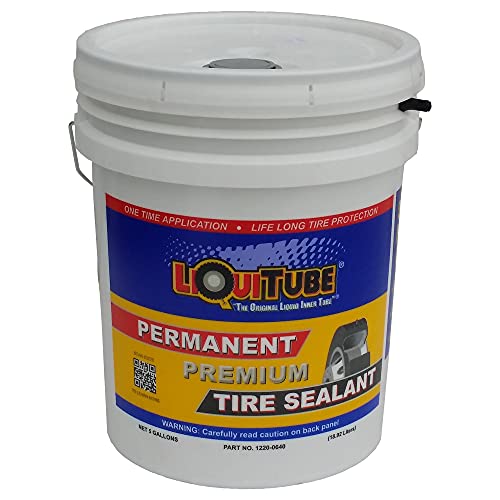
LiquiTube Tire Sealant (5 Gallon)

The HTR-HS contains the handle (#736), threaded shaft (#739), quick release cantering cone assembly (#740), and locking nut (#737) from the Park Tool HTR-1 Head Tube Reaming and Facing Set

15 bicycle-specific tools for cleaning, adjustment, maintenance, and basic repairs
Mechanical and Electrical Repair Essentials
Carrying the right mechanical and electrical repair essentials can greatly enhance our preparedness for long rides. For electrical diagnostics, we should carry a compact multimeter to troubleshoot issues like battery voltage and wiring faults, along with spare fuses and a few bulbs. Tools like electrical tape and wire strippers are crucial for quick fixes.
In terms of mechanical troubleshooting, a high-quality socket set and torque wrench are essential for fastener adjustments. Don’t forget various screwdrivers and a spark plug wrench for engine access. Additionally, using a high precision torque wrench ensures that components are tightened to the correct specifications, preventing potential issues during the ride.
Incorporating a portable USB power bank and jumper cables can help with battery issues. Finally, a selection of zip ties and spare connectors guarantees we can manage loose wiring effectively.
Recommended Products

[America’s #1 Car Diagnostic Steal] Same as X431 V+ 5.0 but 300 bucks cheaper, this LAUNCH X431 PROS V+5.0 is a star >>praised by YouTuber with millions of fans >>crowned as Amazon’s “Perfect All-in-One Scanner” by t0p editors >>even PTEN magazine gives thumbs up! So why overpay? This LAUNCH scanner has got ”Pro Power at Half the Prlce” and it’s 100% LAUNCH original. REMINDER: avoid reaching out to LAUNCH USA. They’re just a US distributor and a rival, so they won’t help you out with any issues.

CAT III 600V Safety Rating: Ensuring your safety when working on electrical systems in common residential, commercial, and industrial settings.
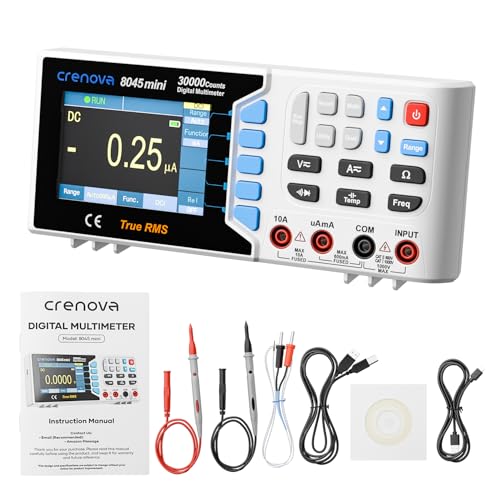
[11 Measurement Functions]: Tackle complex tasks from industrial diagnostics to advanced research. Precisely measure AC/DC Voltage/Current, Resistance, Capacitance, Temperature, Frequency, Duty Cycle, Continuity, and Diode. Calculate Max, Min, Average, dBW/dBmW, and Relative values effortlessly.
Emergency Tools for Unexpected Situations
Rider preparedness extends beyond mechanical and electrical repair essentials to include emergency tools for unexpected situations. These tools are crucial for emergency preparation and roadside improvisation.
Compact Tire Repair Tools
We should carry tubeless tire plug kits, mini tire inflators, and digital tire pressure gauges. These facilitate quick repairs and guarantee safety on the road.
Essential Multi-Tools
Stainless steel multitools and vise-grip pliers enable versatile repairs. Ratchets and adjustable wrenches address various mechanical needs.
Electrical Supplies
Having electrical tape, spare fuses, and small LED lights guarantees we can tackle electrical issues.
Quick Fix Consumables
Duct tape and zip ties are crucial for temporary repairs. Additionally, a first aid kit helps address minor injuries. Furthermore, keeping a fluid resistance mechanism in mind can enhance your cycling preparedness by ensuring smooth rides even in unexpected conditions.
Recommended Products

The 'Just in Case' Food Supply, Emergency Food SHTF Bugout Food backup for the situations such as natural disasters. This is the best possible food in the smallest possible volume. Created to supply the body with all the daily essential vitamins and minerals needed when facing uncertainty. The compact design allows for easy storage and is perfect for individual emergency kits.

Newest Complete Bicycle Tool Kit with Torque Wrench

【Complete Bike Tool Kit】: The 35-piece bike repair kit contains all the tools to keep your bike in perfect working condition for daily bike maintenance, repairs, and upgrades. Such as Hub Cone Spanner 13/14/15/16/17/18mm, Adjustable Chain Remover, Freewheel Remover, Freewheel Turner/Pedal Wrench, Chain Ring Nut Wrench, Chain scrubber, Tire lever etc. You don't need to bother to buy them separately. Meet your daily repair needs.Keep your bike in perfect condition.
Additional Miscellaneous Items to Consider
When preparing for a long ride, it’s essential to contemplate additional miscellaneous items that enhance our preparedness and comfort.
Clothing and Weather Gear
Wearing layered clothing allows us to adapt to changing temperatures. Waterproof rain gear is indispensable for unexpected weather, while sturdy boots offer foot protection.
Electronics and Health Essentials
A mobile phone, along with a charger, keeps us connected. Additionally, a first aid kit is significant for health emergencies.
Utility Items
Carrying a tire pressure gauge prevents blowouts, and portable compressors help inflate tires on-the-go. Fuel additives can also optimize performance and efficiency. Consider also investing in a hydration system to ensure you stay well-hydrated during long rides.
Being organized and thorough with these items can make a notable difference in our riding experience, keeping us safe and comfortable during long journeys.
The Necessary Mindset for Roadside Repairs
In order to effectively manage roadside repairs, we must foster a mindset centered on preparedness and adaptability. Recognizing mechanical issues as a normal aspect of long rides helps us develop this mindset preparation. We need to approach repairs with calmness, as it reduces errors and increases safety. Prioritizing safety means moving to a secure, well-lit area before starting repairs.
Continuous learning is essential for enhancing our roadside confidence. By regularly practicing mechanical skills and maintaining our vehicles, we can address minor issues before they escalate. A well-organized toolkit and routine inspections are crucial for ensuring we’re ready when issues arise. Additionally, carrying essential tools like freewheel removers can significantly improve the ease of performing repairs on the go. Together, we can cultivate a mindset that blends mental preparedness with practical knowledge, empowering us during any roadside challenge.
Continuous Improvement of Your Toolkit
Continuous improvement of our toolkit is fundamental for effective roadside repairs. We need to conduct periodic reviews and updates after each ride. This will help us identify worn tools for replacement and remove rarely used items to maintain a streamlined kit.
Adapting our toolkit based on the ride type is imperative. Longer journeys require specialized tools and spares suitable for anticipated terrain.
Tool evolution is essential; we should invest in multi-functional and lightweight tools. Compact ratcheting wrenches and foldable pliers save space.
Finally, documenting past repairs helps pinpoint frequently needed tools. This practice guarantees our kit adapts effectively for future rides. By focusing on continuous improvement, we enhance our preparedness for any roadside challenge.
Frequently Asked Questions
How Do I Determine Which Tools Are Essential for My Bike?
To determine our essential tool checklist, we should reflect on our personal riding experience, evaluating common issues we’ve faced. This helps us select tools that address our specific needs and bike type effectively.
What Are Some Tips for Maximizing Storage Space in My Toolkit?
To maximize storage space in our toolkit, we should focus on tool organization and practical storage solutions. Using roll-up bags, nesting smaller items, and applying compact techniques helps keep everything efficient and easy to access.
Should I Carry a First-Aid Kit Alongside My Tools?
Better safe than sorry! We should definitely carry a first-aid kit alongside our tools, as those first aid essentials enhance safety preparedness and guarantee we’re ready for both mechanical issues and minor injuries on our rides.
How Often Should I Reassess and Update My Toolkit?
We should reassess our toolkit regularly—ideally before each long ride or seasonally. Focusing on tool selection strategies and maintenance frequency helps guarantee we’re ready for any mechanical challenges that arise while we’re out there riding.
Where Can I Find Motorcycle-Specific Repair Manuals or Guides?
We can find motorcycle-specific repair manuals on official repair websites and online forums. These resources often provide accurate information and valuable insights from fellow riders, enhancing our knowledge and troubleshooting skills for our bikes.