As an Amazon Associate, we earn from qualifying purchases. Some links on this site are affiliate links at no extra cost to you. Our recommendations are based on thorough research and editorial judgment.


What Should I Wear for Cycling in Cold Weather?

For cycling in cold weather, we need a smart layering system. Start with a moisture-wicking base layer that regulates body temperature. Add an insulating mid layer to trap warmth. Finally, an outer layer should offer wind and water protection, rated at a minimum of 5000mm for effective rain resistance. Don’t forget accessories like insulated gloves, thermal socks, and reflective gear for safety. By following these guidelines, we’ll enhance our comfort and performance while on the road. More details await!
Key Takeaways
- Wear a moisture-wicking base layer to regulate body temperature and keep sweat away from your skin.
- Layer an insulated mid-layer to provide warmth while allowing moisture to escape.
- Use a windproof and waterproof outer layer to protect against cold winds and precipitation.
- Don’t forget insulated gloves, thermal socks, and shoe covers to keep extremities warm and dry.
- Incorporate bright colors and reflective elements in your outfit for enhanced visibility in low-light conditions.
Understanding the Layering System
You may be interested


When we cycle in cold weather, it is important to utilize a layering system that efficiently manages our body heat and moisture. This approach offers significant layering benefits, such as improved temperature regulation and comfort.
Layering Techniques
A typical layering system consists of three main layers:
- Base Layer: Worn directly on skin; it wicks moisture away and helps regulate body temperature.
- Mid Layer: Provides insulation while allowing moisture to escape, ensuring warmth without overheating.
- Outer Layer: Protects against wind and precipitation, designed for breathability to prevent sweat accumulation. Effective wind protection is crucial for staying comfortable during cold rides.
Dynamic adjustments to our layers are vital based on temperature and exercise intensity. By adopting these layering techniques, we can maintain ideal comfort and performance throughout our ride.
Essential Clothing Items

Selecting the right clothing items for cycling in cold weather is essential for comfort and performance.
Jackets
We should choose jackets with windproof and waterproof fabrics. These jackets feature thermal materials such as fleece lining to provide warmth without overheating. Look for longer backs to shield against drafts while riding. Breathable materials are important too, allowing moisture escape during exertion. Additionally, jackets should have a minimum waterproof rating of 5000mm for rain protection.
Bottoms
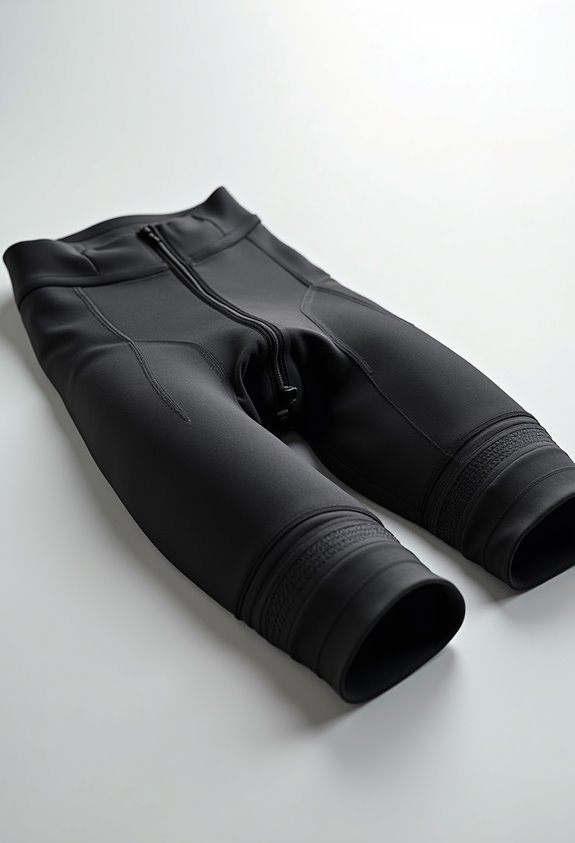
Insulated bib tights are imperative for retaining warmth while ensuring mobility. Windproof panels enhance protection against chill. Padded inserts improve long-ride comfort and reflective elements boost visibility in low light.
Base Layers
Moisture-wicking base layers are the foundation of our wardrobe. Thermal fabrics like merino wool increase warmth retention, while quick-drying properties keep us dry throughout our rides.
Recommended Products

SIZING: Castelli products have a close-to-the-body fit to maximize aerodynamics and performance. For a less compressive feel, or if your measurements fall between sizes, we recommend that you size up.

Waterproof & Breathable - Take on the rain and wind with the perfect waterproof jacket for women - perfect for hiking, climbing, and backpacking, the Marmot MemBrain waterproof/breathable fabric keeps you dry and cool with 100% seam taped 2-layer construction

GEAR YOU CAN TRUST: The Women's Aspire 3L Jacket features recycled AscentShell Dry 3 layer waterproof stretch fabric, a single-separating center front zipper, hook/loop cuff closures and an elastic drawcord hem for optimal performance at any level.
Accessories for Extremities Protection

To guarantee our extremities stay protected while cycling in cold weather, we should invest in proper accessories tailored for warmth and functionality.
Insulated Gloves: Selecting gloves with excellent glove insulation is critical. Look for options that feature windproof and waterproof materials, like Gore-Tex. Touchscreen compatibility allows us to use devices without removing gloves. Additionally, gloves with non-slip features improve stability on handlebars, enhancing overall control during rides.
Shoe Covers: For our feet, insulated thermal socks paired with neoprene or thermal shoe covers assure comfort. Prioritize shoe cover durability by choosing models with reinforced soles and softshell fabrics treated for water repellency.
Recommended Products

SIZING: Castelli products have a close-to-the-body fit to maximize aerodynamics and performance. For a less compressive feel, or if your measurements fall between sizes, we recommend that you size up.

MEN’S HOODED WATER-RESISTANT WINTER COATS: Fully lined interior and water resistant, puffy quilted exterior keeps cold rains and snow at bay so you never have to feel Fall or Winter’s chill.

Outer Material: 2L Woven 100% Polyester & 100% Nylon, Palm: WR Goat Leather, Waterproof Insert: GORE-TEX, Insulation: EnduraLoft 100% Polyester 333G/133G, Lining: 100% Polyester Fleece 320G
Visibility and Safety Considerations

Cycling in cold weather requires a commitment to visibility and safety, as reduced daylight and adverse conditions can create significant risks.
Visibility Enhancements
We should equip our bikes with front lights of at least 500 lumens and rear lights of at least 100 lumens, ideally flashing. Using multiple lights adds motion contrast, improving detection by drivers. Additionally, adding reflective tape to our gear and bikes drastically increases our visibility. It’s also essential to choose lights with waterproof ratings to ensure they function properly in adverse weather conditions.
Safety Gear
Wearing reflective clothing or vests guarantees at least one reflective element is visible from any angle. Clear hand signals must be exaggerated for effective communication in poor visibility, while maintaining distance from curbs enhances our safety against road hazards. Finally, regular maintenance of our lights and reflectors guarantees peak functioning.
Material and Fit Considerations

When riding in cold weather, choosing the right materials and fit for our cycling clothing is crucial for both comfort and performance.
Material Selection
We should favor thermal fabrics like merino wool and synthetic blends, which provide warmth while managing moisture. This prevents chilling and maintains comfort during rides. Waterproof and windproof outer layers are essential for blocking cold and precipitation, while still allowing breathability. Additionally, insulation and warmth are key factors to consider to ensure optimal protection against low temperatures.
Fit Adjustments
A snug fit is critical to trap warmth but must still allow unrestricted movement. Stretch fabrics blended with elastane promote flexibility. Features like adjustable cuffs and high neck collars help seal in warmth and block cold air. By incorporating these elements, we can optimize our cold-weather cycling experience, guaranteeing both insulation and freedom of motion.
Cold Weather Cycling Gear for Mild Conditions
Base and Mid Layers
We should start with a lightweight base layer made of merino wool or synthetic fabric. This wicks moisture effectively, helping maintain skin dryness. Next, adding a thermal long-sleeve cycling jersey provides essential warmth.
Outer Layer and Accessories
A light windproof or water-resistant outer layer is vital to protect against mild elements without overheating. Arm and leg warmers offer adjustable insulation, while lightweight gloves and insulated shoe covers keep our extremities warm and dexterous. Additionally, choosing jackets with high breathability ratings enhances comfort and performance during rides.
Visibility
Lastly, reflective elements and bright-colored accessories enhance our visibility during shorter daylight hours, contributing to overall safety while riding in mild weather.
Recommended Products

HELMET VERSATILITY: High ventilation, customizable comfort, merino wool lining and an aerodynamic profile, the Wasabi helmet is designed for riding amidst all seasons, across road, gravel and cyclocross disciplines; it’s the only helmet you’ll ever want to ride with.

100% MERINO WOOL: Skin soft wool & premium knit quality for maximum comfort, softness, & strength; Warm & breathable Nordic sweater with a feminine fit, ideal for skiing or après-ski; Sizes in S-XL

PREMIUM 100% MERINO WOOL CONSTRUCTION: Crafted from 19-micron & 375 gm2 Merino Wool, this lightweight hiking jacket offers the perfect combination of warmth, moisture-wicking, and breathability. Ideal for outdoor activities or everyday wear, its natural insulating wool properties ensure performance without sacrificing comfort.
Cold Weather Cycling Gear for Extreme Conditions
Riding in extreme cold temperatures demands specialized gear to secure our safety and comfort. Here’s what we need for effective extreme cold protection:
Jackets: Look for windproof and waterproof materials, like GORE-TEX SHAKEDRY. Insulated jackets should have a breathable design to maintain warmth without overheating.
Bottoms: Winter bib tights with windproof panels provide essential protection. Layering-compatible tights ensure movement while retaining heat.
Headwear: Thermal cycling hats and neck warmers shield against wind. Materials should balance insulation technology with breathability.
Gloves: Choose mittens or lobster claw gloves for shared warmth. Look for windproof and waterproof options.
Footwear: Opt for thermal socks and insulated shoes. Overshoes enhance insulation and keep feet dry. Additionally, selecting overshoes made from high-quality materials can significantly improve your protection against cold and wet conditions. Together, these elements create a thorough cold weather cycling system.
Recommended Products

Fair Trade Certified: We proudly produce one of the best winter jackets for men in a Fair Trade Certified facility. Building worker well-being into our product DNA.


Fair Trade Certified: We proudly produce one of the best winter jackets for women in a Fair Trade Certified facility. Building worker well-being into our product DNA.
Tips for Layering Effectively
Effective layering is essential for maintaining comfort and performance while cycling in cold weather. We recommend using a three-layer system:
- Baselayer: Choose snug-fitting, moisture-wicking materials like polyester or merino wool to keep dry and warm.
- Midlayer: Opt for insulating options such as fleece or down, which maintain thermal balance while allowing breathability. Look for adjustable features to prevent cold air intrusion.
- Outer Layer: Select windproof and waterproof materials that provide ventilation. This protects against external elements while regulating internal moisture.
Utilizing these layering strategies allows us to adapt to changing temperatures during rides. Additionally, we can easily add or remove layers to manage comfort effectively. Prioritizing fit and function guarantees a successful cold-weather cycling experience.
Recommended Products

Exceptional Thermal Performance – Keeps you warm and comfortable during long dives or extended underwater activities.

QUALITY EXPEDITION BASELAYER: 100% Merino Wool is super soft and extremely comfortable. This merino wool ¼ Zip thermal has the versatility and warmth to make this an essential part of your outdoor gear. ENVIRONMENTALLY FRIENDLY: The best in easy care technology means your merino wool is machine washable and dryable. Our 100% Merino Wool is a renewable fabric. Its moisture-wicking properties mean you won't have to wash it as often so you'll use even less water.

QUALITY EXPEDITION BASELAYER: 100% Merino Wool is super soft and extremely comfortable. This merino wool thermal Zip-Off 3/4 Bottoms has the versatility and warmth to make this an essential part of your outdoor gear. ENVIRONMENTALLY FRIENDLY: The best in easy care technology means your merino wool is machine washable and dryable. Our 100% Merino Wool is a renewable fabric. Its moisture wicking properties means you won t have to wash it as often so you ll use even less water.
Maintenance of Cold Weather Cycling Gear
Cleaning and Lubrication: After every ride, we should rinse our bike with warm water to remove dirt and salt. It’s vital to lubricate the chain regularly to prevent freezing and corrosion. Wiping down brakes also improves safety. Regular cleaning improves chain longevity and performance, ensuring an optimal riding experience.
Rust Prevention: Applying a rust inhibitor on metal parts protects against moisture and road salt damage. We must clean off grime immediately after rides to minimize corrosion risks.
Storage and Battery Care: Bikes should be stored indoors away from freezing conditions. For e-bikes, keep batteries at 55-75°F and charge them to 50-70% for ideal battery health.
Following these guidelines will maximize our cycling gear’s lifespan and efficiency.
Frequently Asked Questions
How Do I Choose the Right Size for Cycling Cold Weather Gear?
For finding a fantastic fit, we recommend revisiting our fit guide and following savvy sizing tips. Measuring accurately guarantees comfort and cold-weather capability, keeping us cozy as we conquer the chilly cycling challenge together!
Can I Use Normal Athletic Wear for Winter Cycling?
We can’t rely on normal athletic wear for winter cycling. Its fabric performance and moisture management fall short in cold, wet conditions, leaving us cold and uncomfortable. Specialized winter gear is essential for successful rides.
What Are the Best Colors to Wear for Visibility in Winter?
As they say, “Better safe than sorry.” For visibility options in winter, we should opt for bright fluorescent colors and reflective elements in our winter apparel. Safety starts with being noticed on the road.
How Do I Prevent My Breathing From Freezing While Cycling?
To prevent our breathing from freezing while cycling, we should use breathable fabrics and warm layers. Wearing specialized masks or balaclavas helps heat the air we inhale, keeping our lungs comfortable and protected in cold weather.
Are There Specific Brands Known for High-Quality Winter Cycling Gear?
When we think of winter cycling brands, we consider Castelli, Rapha, Endura, and Gorewear for top cycling gear. They combine warmth, functionality, and comfort to keep us moving through the coldest rides with confidence.