As an Amazon Associate, we earn from qualifying purchases. Some links on this site are affiliate links at no extra cost to you. Our recommendations are based on thorough research and editorial judgment.


How Should Cycling Jerseys Fit for Optimal Performance?

To achieve ideal performance in cycling jerseys, we should prioritize a close fit to reduce drag and enhance aerodynamics. A snug jersey minimizes air resistance, especially at speeds of 30–45 km/h. We need to select lightweight, moisture-wicking fabrics for comfort and temperature regulation. Ergonomic designs guarantee proper coverage and movement while tailored seams enhance aerodynamics. Finally, we must consider sleeve length for climate adaptation. Let’s explore each aspect further for improved cycling experiences.
Key Takeaways
- Choose a close-fitting jersey to minimize drag and enhance aerodynamics during cycling speeds of 30–45 km/h.
- Select lightweight, moisture-wicking fabrics like polyester and advanced synthetics for comfort and efficient moisture management.
- Ensure accurate body measurements to determine the right size, as many brands may run small, necessitating sizing up.
- Look for ergonomic designs with contoured cuts and longer backs for comfort and coverage while in a cycling position.
- Consider sleeve length based on climate; long sleeves offer protection, while short sleeves provide ventilation for warmer conditions.
Understanding Aerodynamics and Fit
You may be interested


When we think about cycling jerseys, it’s important to recognize how aerodynamics and fit play critical roles in our performance. Close-fitting jerseys reduce air resistance considerably, especially at speeds between 30–45 km/h. Excess fabric causes drag, slowing us down, while tight jerseys eliminate this issue through effective fit testing.
Key features contribute to airflow optimization:
- Minimalist designs: Slimline collars and silicone grippers maintain a snug fit.
- Textured fabrics: Strategically placed on bluff body areas to alter airflow efficiently.
- Compression fit: Tested in wind tunnels, these jerseys reduce drag during high-intensity efforts. Additionally, moisture-wicking fabrics are essential for comfort, as they help manage sweat during intense rides.
Choosing the right fit is essential for maximizing our aerodynamic advantage, allowing for powerful and efficient rides while minimizing resistance.
The Importance of Fabric Choice

Fabric choice markedly impacts cycling performance, influencing not only comfort but also thermoregulation during rides. Synthetic Fabrics: We often choose polyester for its lightweight and quick-drying properties. Unlike cotton, it wicks moisture efficiently, preventing that cold, clammy feeling while cycling. Breathability and Ventilation: Incorporating mesh fabrics enhances airflow, optimizing heat dissipation, and comfort in humid conditions. This is crucial for maintaining endurance during rides. Material Sustainability: While synthetic options dominate, we can also consider natural fibers like Merino wool, offering both temperature regulation and environmental sustainability. Selecting the right fabric technology guarantees we enjoy improved performance, quicker recovery, and less perceived exertion, making our cycling experience more effective and sustainable. Additionally, merino wool excels in regulating body temperature, making it an ideal choice for varying weather conditions.
Recommended Products

Impact absorbing D3O armor provides CE-level coverage while conforming to your body for a full range of motion in high and low temperature conditions

DURABLE & MAXIMUM COMFORT: Engineered with a heavy-duty, water-resistant shell featuring premium Spandura stretch panels for maximum comfort and flexibility. Cut-resistant overlays in high-wear zones pair with ultra-tough Hypalon trims to deliver elite ruggedness.

Complete Protection System: SEEFLEX CE-level 2 armor at shoulders and elbows, SEESOFT CE-level 2 back protector, and SEESOFT CE-level 1 chest protection
Moisture Management for Endurance

Moisture management plays an indispensable role in enhancing cycling endurance. Effective moisture retention strategies are crucial in maintaining a dry microclimate around the skin. Cycling jerseys utilize advanced fabrics that efficiently wick moisture away from the body. Technologies like HexaDri create a push/pull effect for superior sweat evaporation techniques, preventing dampness and chilling during rides.
Furthermore, jerseys featuring 37.5® technology are clinically proven to improve performance by regulating core temperature, thereby enhancing stamina. These garments reduce the energy needed for temperature management, guaranteeing riders remain efficient. With lightweight and breathable materials, jerseys balance airflow with moisture control. This guarantees ideal skin temperature, minimizing heat stress and maximizing endurance during demanding cycling sessions. Additionally, moisture-wicking properties are essential for overall comfort and performance, making them a critical consideration when selecting cycling jerseys.
Recommended Products

NEW Hydradri membrane for reliable all-weather shoes:

Light, comfortable and fast, full knit road shoe

Maximized ventilation with 18 vents. Optimized for riding and effective even at low speeds
Balancing Comfort and Mobility

Achieving the right balance between comfort and mobility in cycling jerseys is essential for peak performance. Tight jerseys minimize loose fabric that can cause chafing, enhancing comfort during long rides. However, jersey elasticity plays a significant role. Adequate stretch not only supports muscles but also allows for free movement. When we make fit adjustments, it’s important to avoid jerseys that are too tight or too loose, as this can impair posture and increase fatigue. Different fit types cater to specific needs: Race Fits optimize aerodynamics but may limit range, while Relaxed Fits prioritize movement freedom. Ultimately, we need to choose a jersey that balances snugness with mobility, ensuring comfort without sacrificing performance. Selecting a jersey with moisture-wicking technology can also enhance overall comfort during rides, particularly in warmer conditions.
Factors Influencing Temperature Regulation

Fabric Technology
Material selection plays a significant role. Wool and synthetic blends effectively wick sweat and enhance breathability compared to cotton. Advanced fabrics, like those with mesh panels, improve airflow, aiding in cooling. Additionally, high-performance cycling jerseys often feature breathable designs that manage moisture effectively, similar to what is found in cycling shoes.
Color and Heat Absorption
The color of the jersey greatly impacts temperature variability. Lighter colors reflect sunlight, keeping surface temperatures considerably cooler.
Fit and Microclimate
A snug yet comfortable fit enhances evaporative cooling. Tight-fitting designs minimize air pockets, supporting effective thermoregulation. Excess fabric can hamper cooling, creating ineffective ventilation.
Moisture Management
Effective moisture-wicking fabrics are essential. They draw sweat away from the skin to facilitate quick evaporation, reducing perceived heat during intense exercise.
Practical Features to Enhance Performance
To enhance cycling performance, incorporating practical features within jersey design is vital.
Pocket Placement
Deep rear pockets, made from fine mesh, prevent sagging while offering ample storage solutions.
Reflective Trims
Integrated reflective trims improve visibility without adding extra weight, guaranteeing safety during low-light rides.
Moisture Wicking
Advanced moisture-wicking fabrics like COOLEVER® provide quick drying and temperature regulation, essential for comfort.
Fit Adjustments
Shorter front zippers reduce fabric pouching, optimizing fit during intensive efforts, while aerodynamic cuts enhance airflow.
Fabric Weight
Utilizing lightweight materials and internal mesh enhances breathability, greatly benefiting high-performance cycling.
Overall Design
Together, these features work cohesively to improve athletic efficiency and overall experience, making our rides more enjoyable and productive. Additionally, the use of moisture-wicking fabrics ensures that cyclists remain dry and comfortable even during extended rides.
Recommended Products

Merino Wool Blend Performance Fabric: Nature's miracle fiber with natural temperature control | Dark color interior absorbs heat and insulates

Century Chamois Pad - Developed for 100+ Mile Rides / 7+ Saddle Hours | Soft Face Fabric design for Maximum Ventilation | High Density Perforated Foam

Wome's Specific Ergonomically Designed Fit for High Milage
Assessing Jersey Size and Fit
Evaluating jersey size and fit is vital for maximizing our cycling experience. We should start with accurate body measurements. Measure the chest at its fullest part and consider the waist and hips, as they influence the jersey’s fit. Arm and bicep measurements are also important to avoid uncomfortable sleeves.
Next, we must consider our fit preferences. Jerseys typically use 4-way stretch fabric, which provides a snug yet non-restrictive fit, enhancing aerodynamics. If we prefer a looser fit, sizing up may be necessary.
Lastly, we need to be aware of brand variability in sizing charts. Each manufacturer may define sizes differently, so it’s essential to cross-reference our measurements with brand-specific charts for a suitable fit. Additionally, it’s important to note that many brands, such as ARSUXEO and Weimostar, often run small, so sizing up could be necessary.
Recommended Products

Cycling jersey with UPF 50+ fabric for sun protection

IDEAL FOR: Created for the hottest days when aerodynamics still matters. This men’s cycling jersey with race fit allows ample airflow, is quick-drying, and blocks more than 90% of UV rays on your back. A great choice for long summer rides or hot lunchtime rides in the middle of summer — when adding a base layer, it becomes a great three-season jersey. Temperature: 22-40 °C / 71-104 °F. Weight: 4.4 ounces.
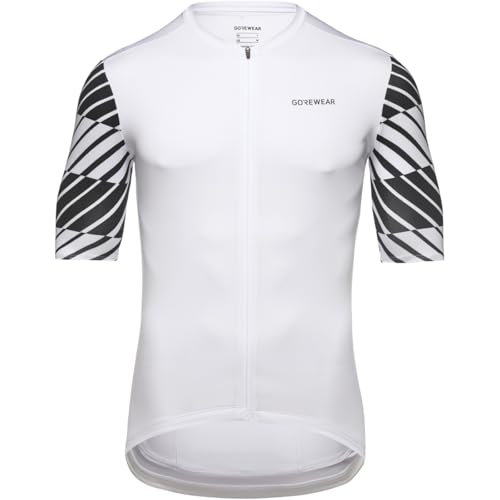
Men's short cycling jersey with eye-catching graphic on the sleeves, comfortable despite its slim fit, ideal for medium intensity trips on road and gravel
Body-Hugging vs. Relaxed Fits
Body-hugging and relaxed fits serve distinct purposes for cyclists, each tailored to specific riding styles and preferences.
Body-Hugging Advantages
The snug design of race fit jerseys considerably reduces drag, optimizing aerodynamics and enhancing performance during competitive rides. Close-fitting fabrics remove air resistance, making them ideal for high-intensity cyclists. These jerseys utilize lightweight materials, ensuring breathability without sacrificing motion. Additionally, many jerseys focus on breathability and UV protection, which is essential for maintaining comfort during intense rides.
Relaxed Fit Benefits
Conversely, relaxed fit jerseys prioritize comfort over streamlining. They provide freedom of movement, perfect for leisure cycling and long-distance rides. The looser cut minimizes issues like chafing, ensuring comfort over extended periods. While less aerodynamic, their durability and ease of wear cater to casual cyclists.
Ultimately, choosing between these fits depends on personal preference and riding goals.
The Role of Sleeve Length
When considering cycling apparel, sleeve length emerges as a significant factor influencing performance and comfort.
Coverage and Protection
Long sleeves provide essential UV protection during long rides, reducing sunburn risk. They also guard against wind and minor abrasions, enhancing rider safety. Short sleeves, while offering less coverage, facilitate airflow in warmer conditions.
Ventilation and Temperature Regulation
Short sleeves support ventilation for heat dissipation, whereas long sleeves can retain warmth in cooler climates. Both sleeve lengths can include breathable fabrics for comfort.
Aerodynamics and Performance Fit
Long sleeves may enhance aerodynamics by reducing drag. Proper fit is important to prevent bunching during rides. Selecting fabrics with moisture-wicking capabilities can further improve comfort during rides.
Choosing the right sleeve length is critical for optimizing both performance and rider safety, tailored to the specific riding conditions we encounter.
Layering for Variable Conditions
Proper layering allows us to adapt to the ever-changing weather conditions we encounter on our rides. Effective layering techniques are essential for temperature adaptability.
Base Layers: We should choose moisture-wicking fabrics, like merino wool or polyester blends. Merino wool works well in colder weather, while synthetics excel in wet conditions. Avoid cotton, as it retains sweat, leading to discomfort.
Mid-Layers: Insulating materials such as fleece-lined jerseys help retain warmth. Look for breathable options, allowing sweat escape to avoid overheating.
Outer Layers: A windproof jacket suffices in cool, dry weather, while waterproof options are necessary in rain. Select packable layers to adjust quickly as temperatures change. Additionally, ensuring that the outer layer includes weather resistance and visibility features enhances safety during rides in varying conditions.
Ergonomic Design Elements
In addition to layering, the ergonomic design of cycling jerseys plays a significant role in enhancing performance.
Ergonomic Cut and Fit
These jerseys feature ergonomic seams and a contoured cut that accommodates the cyclist’s posture. A longer back guarantees coverage when leaning over the bike, while shorter front panels prevent fabric bunching.
Body Contouring
The multi-panel construction allows for precise shaping around body contours, providing a snug fit that minimizes drag.
Sleeve Design
Tailored sleeves reduce flapping, enhancing aerodynamics.
Storage Integration
Ergonomically placed pockets maintain a smooth fit without compromising accessibility.
Zipper Functionality
Low-profile zippers enhance comfort while allowing temperature regulation.
Selecting the Right Materials for Different Seasons
Selecting the right materials for cycling jerseys is crucial for guaranteeing comfort and performance throughout the changing seasons.
Warm Weather Materials
For hot conditions, we should focus on lightweight polyester, known for moisture-wicking technologies and quick-drying capabilities. Nylon and mesh fabrics enhance breathability, essential for reducing sweat retention. High-mesh jerseys maximize airflow but may require sun protection.
Cold Weather Materials
In cooler seasons, merino wool excels in temperature regulation and moisture management. Midweight jerseys with merino offer warmth even when damp. Fleece-lined options provide insulation while remaining breathable.
UV Protection
Choosing light-colored and UPF-rated materials helps manage heat and protect against the sun. We must balance fabric breathability standards with protective features to guarantee thorough comfort and safety in all conditions.
Recommended Products
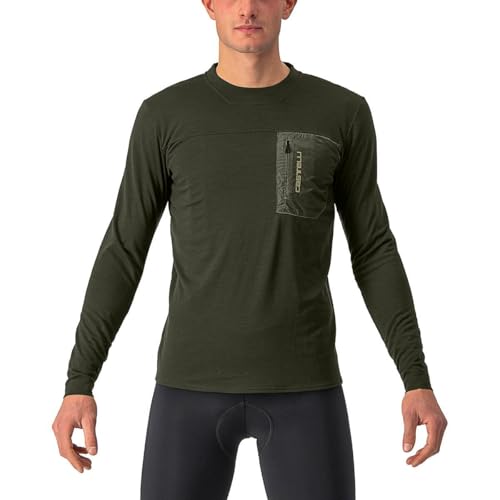
Merino-poly blend trail jersey built for chilly rides

Material: 51% recycled polyester, 41% merino wool, 8% elastane

ARC COLLECTION - For road, gravel and beyond. Crafted using premium materials and advanced fabric technology, the ARC Collection is performance-driven with a focus on adaptability, durability and long-lasting comfort. Ready for any terrain, anywhere.
Evaluating Fit in a Riding Position
When we assess the fit of a cycling jersey in a riding position, it’s important to focus on how the fabric interacts with our body as we lean forward. This fit evaluation guarantees ideal performance enhancement.
Fabric Interaction
The fabric should lie flat against our skin, avoiding wrinkles or bunching. A proper fit allows for unrestricted movement, especially at the shoulders and torso.
Sleeve and Hem Fit
Sleeves must be snug yet not restrictive, preventing excess movement. The rear hem should extend 2-4 inches longer than the front to minimize skin exposure in a riding posture.
Breathability and Comfort
A secure waist with grippers keeps the jersey anchored during aggressive riding. As we bend, verify the collar and zipper maintain comfort and airflow without excess fabric flapping, which is vital for reducing drag.
The Impact of Seam Design on Comfort
Seam design plays an essential role in overall comfort, especially during long rides. Strategic seam placement minimizes contact with high-friction areas, enhancing friction reduction and preventing chafing. Flatlock seams lay flat against the skin, reducing irritation risks. Seam flexibility guarantees that garments fit well during movement without causing discomfort or skin pinching.
Durable seams enhance garment longevity, standing up to the rigors of frequent washing and wear. Moisture retention is managed effectively where seams reduce skin-to-fabric friction, promoting skin health. Finally, attention to seam construction aids blister prevention, allowing a smooth interface between the fabric and our skin, ultimately providing a more enjoyable riding experience. A well-designed seam system can transform our time on the bike.
Choosing the Right Accessories for Your Jersey
Choosing the right accessories for our cycling jerseys can greatly enhance our riding experience. When selecting accessories, we should consider various accessory types tailored to our needs. For instance, pockets are essential storage solutions, allowing us to carry snacks, phone, or tools conveniently while riding. We can choose between simple open pockets or secure zippered options, depending on our preference for utility versus a streamlined fit.
Additionally, base layers can optimize moisture management and provide comfort underneath our jerseys. Choosing lightweight or thermal options can regulate temperature. Also, adding reflective elements can boost our visibility during low-light conditions, enhancing safety without sacrificing aerodynamics. By wisely choosing accessories, we can improve both our performance and enjoyment on the bike.
Frequently Asked Questions
Can I Use a Regular T-Shirt Instead of a Cycling Jersey?
While we can use a regular T-shirt for casual rides, its drawbacks—like moisture retention and performance limitations—typically make cycling jerseys a better choice for ensuring comfort and efficiency during longer or more intense rides.
What Should I Look for in Jersey Care and Maintenance?
When caring for cycling jerseys, we should consider fabric types and follow washing tips. Using cold water, mild detergents, and avoiding heat guarantees our jerseys stay vibrant and functional, extending their performance and lifespan.
How Often Should I Replace My Cycling Jersey?
We should replace our cycling jerseys every 1-2 years, depending on jersey lifespan and fabric quality. Signs like fading or loss of elasticity indicate it’s time for a new jersey to maintain performance and comfort.
Are Cycling Jerseys Breathable in Hot Weather?
Absolutely, cycling jerseys are breathable in hot weather! For instance, when we ride in sweltering heat, moisture-wicking fabric technology keeps us cool and dry, enhancing our comfort and performance throughout those long, sweaty rides.
What Accessories Enhance the Performance of a Cycling Jersey?
To enhance our cycling jersey performance, we should consider jersey pockets for storage convenience and opt for appropriate sleeve length, ensuring comfort while maximizing aerodynamics. These features help us ride more efficiently and enjoyably.