As an Amazon Associate, we earn from qualifying purchases. Some links on this site are affiliate links at no extra cost to you. Our recommendations are based on thorough research and editorial judgment.


How Do I Wash and Care for My Cycling Clothing?

To wash and care for our cycling clothing, we should start with preparation. Fasteners need to be closed, and pockets inspected. For washing, select a gentle cycle with cold water and low spin speeds, and use a sports-specific detergent without additives. Air drying is essential; avoid tumble drying and direct sunlight. Regularly inspect for damages and store garments properly. Following these guidelines will help maintain performance and extend the life of our cycling apparel. We can explore further details to enhance our care routine.
Key Takeaways
- Close all fasteners and check pockets for items before washing to avoid damage.
- Use a gentle cycle with cold water and a sports-specific detergent for optimal fabric care.
- Avoid fabric softeners and dryer sheets, as they can hinder moisture-wicking capabilities.
- Air dry cycling clothes away from direct sunlight to maintain fabric integrity and prevent fading.
- Regularly inspect seams and zippers for damage, and store clothing in cool, dry areas to extend lifespan.
Preparation Before Washing
You may be interested


Fastener Security
To avoid damage, we must verify all fasteners—like zippers, Velcro, and drawstrings—are fully closed. Unsecured zippers can snag fabric, while loose Velcro may tangle, compromising our garments’ integrity. For shorts and bibs, it’s important to close all hook-and-loop fasteners to prevent stretching.
Stain Treatment
Next, we should inspect pockets for items like keys or food, which could cause issues during the wash. We must treat visible stains using a stain remover directly on affected areas. For chamois pads, pre-washing is beneficial to break down oils and bacteria. Finally, sorting our cycling apparel separately ensures effective washing. Additionally, ensuring the use of removable padding in our cycling clothing can aid in maintaining hygiene and prolonging the lifespan of the garments.
Recommended Products

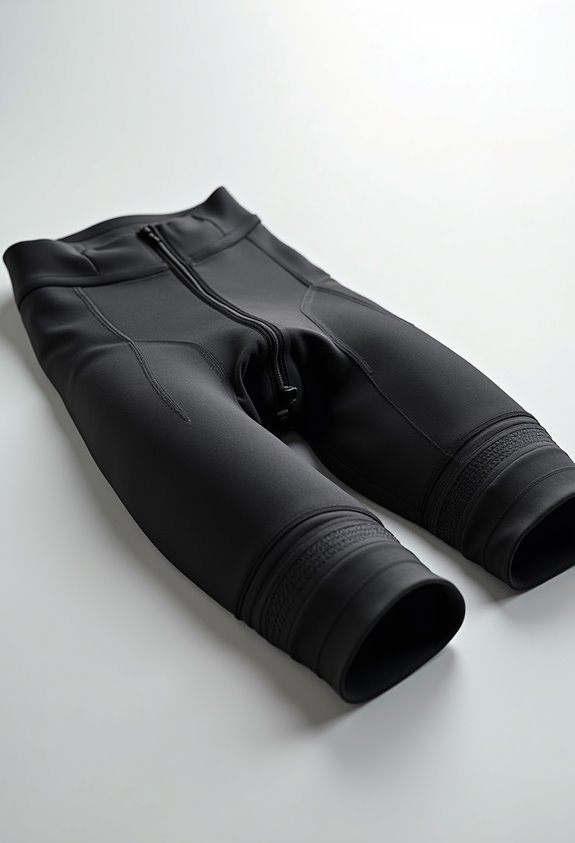
100% machine washable silk long sleeve top and pant set

PERFECT FOR THE BEACH - With a towel that is great for drying off after a dip in the sea or to kick back and sunbathe with, choose from two striped designs both ideal for the beach - the two-toned cabana or the multi-coloured summer design

Citrus Based Degreaser
Washing Cycle and Temperature

Recommended Products

[All-in-One Laundry Convenience: 28Lbs Washer + 2.6 Cu.Ft Dryer ]– This portable combo integrates a 28Lbs full-automatic washing machine and a 2.6 Cu.Ft portable dryer. The washer handles daily loads (towels, blankets, casual wear) with ease, while the dryer delivers efficient drying.
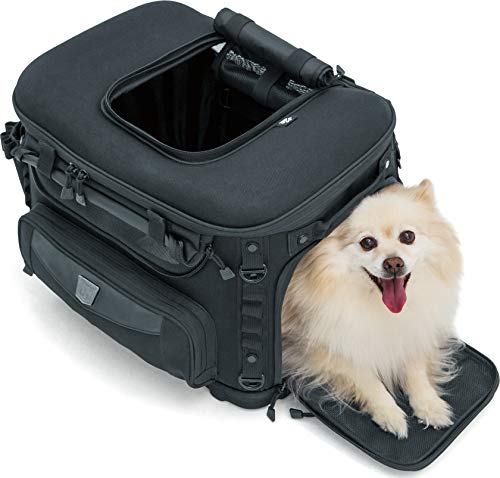
Internal frame with rigid structural support offers peace of mind knowing your pet is protected; UV-rated weather-resistant 1200 denier textile material with removable rain cover

Advanced Heat: Three strategically placed heat zones, powered by a DEWALT battery, keep you warm and cozy even in the coldest conditions by providing hours of core body warmth and continuous heat
Washing Cycle
We should always opt for a gentle or delicate cycle. This minimizes fabric stress and protects elastic fibers. Additionally, a low spin speed is recommended to reduce friction. Avoid heavy-duty cycles as they can damage technical cycling fabrics. It’s best to wash our clothes inside out and guarantee the machine is adequately filled. Proper care and maintenance, including washing techniques, are essential for prolonging the lifespan of windproof cycling jackets.
Water Temperature
Cold or cool water, around 30°C (86°F), is ideal to prevent fabric damage and preserve elasticity. Hot water can degrade technical fabrics and cause shrinkage. If necessary, moderate temperatures up to 40°C (100°F) can be used, but always check care labels for specific items.
Detergents and Additives

Choosing the right detergents and additives for our cycling clothing is essential for maintaining fabric quality and performance. We should select sports-specific detergents without dyes, fragrances, or additives to preserve moisture-wicking capabilities. Opting for gentle detergent types, such as those designed for athletic wear, guarantees fabric safety by effectively removing odors and grime without damaging fibers.
We must avoid conventional detergents containing harsh chemicals, optical brighteners, and bleach, as these can degrade performance. Additives like fabric softeners and dryer sheets leave residues that inhibit breathability. Instead, eco-friendly detergents reduce skin irritants and environmental impact. Frequent washing post-ride prevents bacterial buildup, supporting fabric longevity and odor control. By following these guidelines, we enhance the lifespan and performance of our cycling gear. Additionally, regular maintenance routines, similar to bike drivetrain cleaning, can ensure optimal performance over time.
Recommended Products
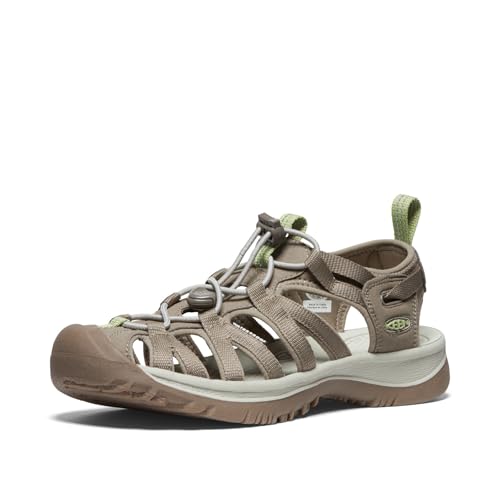
WATER-RESISTANT: Washable polyester webbing featuring quick dry lining for active use in and out of the water

QUALITY EXPEDITION BASELAYER: 100% Merino Wool is super soft and extremely comfortable. This merino wool thermal Zip-Off 3/4 Bottoms has the versatility and warmth to make this an essential part of your outdoor gear. ENVIRONMENTALLY FRIENDLY: The best in easy care technology means your merino wool is machine washable and dryable. Our 100% Merino Wool is a renewable fabric. Its moisture wicking properties means you won t have to wash it as often so you ll use even less water.

WATER-RESISTANT: Washable polyester webbing featuring quick dry lining for active use in and out of the water; Whatever the summer has in store for you, these adventure sandals for women are ready to keep you comfortable and cool
Drying Methods

Drying cycling clothing properly is essential for maintaining its performance and extending its lifespan. We recommend air drying techniques to prevent heat damage. Hanging garments is an effective way to maintain fabric integrity; make certain items are spaced adequately to promote airflow. For extra efficiency, we can remove excess water by wringing clothes in a towel. Using drying accessories like fans can also expedite the drying process safely. Avoid tumble drying entirely, as heat can shrink and weaken technical fibers, compromising the garment’s performance. Additionally, drying in indirect sunlight prevents fading. Before storing, we should make certain everything is completely dry to avoid mildew and odors. With these methods, we can keep our cycling gear in top condition. Maintaining proper tire pressure with an efficient bike pump is crucial for improving overall riding performance and safety.
Recommended Products
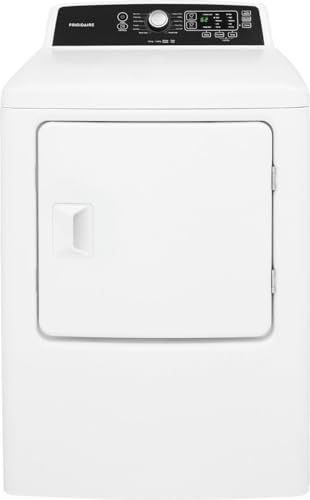

3.5 cu. ft. compact capacity allows you to dry up to 13 lbs. of clothing
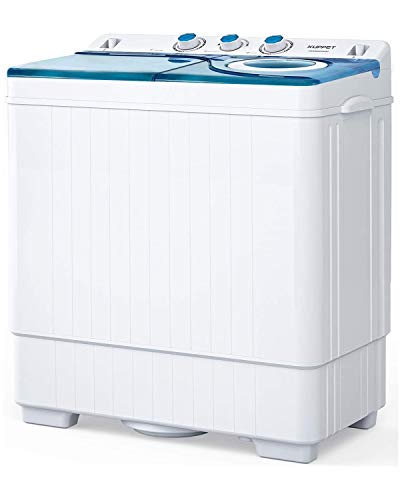
🛒【Large Capacity】You can operate washer or spinner separately, and you can also run two sides on the same time. The two tub design can meet your different needs. Total capacity:26lbs(washer:18lbs,spin cycle:8lbs), for doing light to medium laundry loads.
Maintenance Tips for Longevity

To maximize the longevity of our cycling clothing, we must prioritize proper maintenance practices. Regular inspections of our garments’ seams and zippers allow us to catch minor damages early, using effective repair techniques to prevent further deterioration. When needed, we should rely on suitable repair kits or professional help, especially for high-performance items. Additionally, ensuring that our cycling shorts feature breathable materials will help maintain their quality and performance over time. Proper storage is equally essential. We should keep our clothing in cool, dry areas, ensuring they’re away from direct sunlight. Hanging jerseys and shorts will help maintain their shape. Avoid cramming them into tight spaces, as this leads to creasing. By following these guidelines, we can meaningfully extend the lifespan of our cycling apparel, getting the most out of our investment.
Recommended Products

HIGH-IMPACT DRIVING POWER Delivers a powerful 45 ft-lb of impact energy with an impact rate of 1100–1800 BPM; engineered to drive heavy-duty tent stakes, T-posts, and grounding rods into tough soil or concrete with minimal effort

Comprehensive Tool Set: Includes 55 premium shop-quality bike tools offering 85 total functions for advanced maintenance, repair, and component installation on all bike types.

extensive tool set includes 55 professional quality tools packaged simply to ensure the best possible value.
Frequently Asked Questions
How Often Should I Wash My Cycling Clothing?
We should wash our cycling clothing after every ride, adhering to frequency guidelines. By following proper washing methods, we preserve performance, prevent odors, and maintain hygiene, ensuring our gear stays fresh and ready for action.
Can I Use Bleach for Tough Stains?
We can use bleach for tough stains cautiously, but it’s better to explore bleach alternatives like dish soap or specialized stain removers. They’re often safer and more effective for our cycling clothing without damaging the fabric.
Is It Safe to Dry Clean Cycling Gear?
It’s generally not safe to dry clean our cycling gear. While it may seem convenient, the potential harm to
What Should I Do for Strong Odors?
To tackle strong odors, we can commence on an odor elimination journey! Let’s harness natural deodorizers like vinegar and baking soda for a revitalizing soak, transforming our cycling clothes into fresh, clean allies for our rides.
How Can I Prevent Pilling on Cycling Fabrics?
To prevent pilling on cycling fabrics, we should choose strong fabric types like polyester blends, use gentle washing techniques, and wash inside out. This will help maintain our gear’s integrity and longevity against those pesky pills.