As an Amazon Associate, we earn from qualifying purchases. Some links on this site are affiliate links at no extra cost to you. Our recommendations are based on thorough research and editorial judgment.


How Do I Choose the Right Cycling Jacket for Rain?

To choose the right cycling jacket for rain, we should consider key factors like waterproof ratings, breathability, and lightweight fabrics. A minimum rating of 5,000mm guarantees rain protection. Breathability ratings should exceed 10,000g/m²/24h for comfort. We can prioritize features such as adjustable hems, ergonomic designs, and multiple pockets for storage. Additionally, understanding material technologies like 2.5-layer and 3-layer jackets helps in making informed choices. By focusing on these specifications, we can better prepare for wet rides. Explore further for more insights.
Key Takeaways
- Assess waterproof ratings; choose at least 5000mm for adequate rain protection, preferring 10,000mm+ for heavy rainfall.
- Evaluate breathability based on grams per square meter; look for 10,000g/m² or higher for optimal moisture management.
- Opt for lightweight fabrics that enhance flexibility and reduce fatigue; advanced materials prevent bulk while ensuring effective waterproofing.
- Ensure a proper fit by measuring chest, waist, and considering brand-specific size charts; size up if between sizes for comfort.
- Check for multiple pockets and packability features for convenient storage and transport, especially for on-the-go cycling.
Understanding Waterproof Ratings
You may be interested

When choosing a cycling jacket for wet conditions, understanding waterproof ratings is essential to making an informed decision. Waterproof ratings are expressed in millimeters (mm) and indicate the fabric’s resistance to water penetration. The measurement methods involve placing a column of water on the fabric; the height at which leakage begins determines the rating.
Key waterproof standards include:
- Below 3,000mm: Water-resistant for light rain.
- 3,000–10,000mm: Moderate protection, suitable for drizzle.
- 10,000mm+: Fully waterproof, ideal for heavy rain.
For serious wet conditions, jackets over 10,000mm with fully sealed seams are recommended. High-performance materials like PU membranes and durable construction boost waterproof ratings, but lack of standardized testing means ratings can vary by manufacturer. Additionally, look for jackets with waterproof zippers to ensure complete protection against the elements.
Evaluating Breathability

Evaluating breathability in cycling jackets is critical, especially during wet ride conditions. Breathability factors, measured in grams per square meter per 24 hours (g/m²/24h), indicate how effectively moisture vapor escapes. Jackets can vary widely, with materials like Gore-Tex ePE achieving a balance of waterproofing and breathability, often ranging from 10,000g/m² to 35,000g/m². Key fabric technologies, such as three-layer systems, maximize moisture vapor transmission, making them ideal for high-output rides. Design features like ventilation zippers and relaxed fits enhance breathability, letting heat escape during intense cycling. Additionally, considerations like pocket placement and cuff design directly impact airflow, affecting overall moisture management. By understanding these factors, we can select the right cycling jacket for our needs.
Importance of Lightweight Fabrics

Lightweight fabrics play an essential role in the performance of cycling jackets, particularly when conditions are wet. These materials reduce overall jacket weight, helping to minimize rider fatigue during long rides. They enhance fabric flexibility, allowing greater freedom of movement critical for cycling.
Additionally, lightweight textiles can be engineered for effective waterproofing without bulk. Breathability remains a top priority, as they facilitate moisture control, helping to expel sweat and maintain temperature regulation. Advanced materials wick moisture from the skin and often include features like micro-porous membranes for peak ventilation. Many hardshell jackets also incorporate high-visibility colors or reflective elements to ensure safety during low-light conditions.
Despite their light weight, these fabrics are durable, resisting abrasion and environmental wear. Compact storage and packability further enhance their practicality for cycling trips in unpredictable weather.
Recommended Products

Adventure Rally Jacket MD Gray

[2000W Dual Powerful Motor] Electric bike equipped with a built-in 2000W high-torque brushless motor that delivers up to 3000W peak power, this ebikes for adults can reach top speeds of up to 37 MPH and easily climb 35° slopes. The advanced brushless system delivers strong acceleration and a peak torque of 200 Nm, ensuring high performance along with low energy consumption and quieter operation.
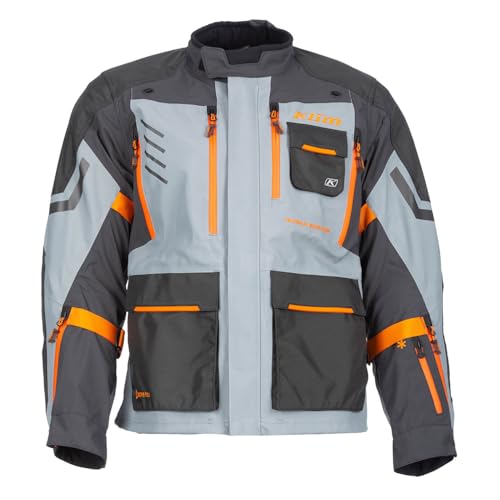
Crafted with a GORE‑TEX Performance Shell, this jacket features an FPL400 main chassis (same rugged fabric as the Badlands Pro) plus 630D Cordura twisted‑yarn overlays on shoulders and elbows for industry‑leading abrasion resistance. Enhanced with 3M Scotchlite Carbon Black reflective material for high‑visibility safety in low‑light riding conditions.
Finding the Right Fit

Measurements
We should start with our chest measurement, which is critical for selecting size. Measure around the fullest part of your chest beneath the arms. Waist measurements follow, taken at the natural waistline for movement ease. For women’s sizing, shoulder and bust measurements are also key. Proper fit is essential for layering, ensuring comfort during your rides.
Fit Types
Unisex jackets often have a looser fit, accommodating base layers. Performance-oriented jackets are closer to the body for aerodynamics. Fit adjustments, like elastic cuffs, enhance mobility.
Size Variations
Size charts differ between brands. If we’re between sizes, it’s usually better to size up for comfort and layering space. Always refer to brand-specific sizing guides for the best choice.
Key Features for Comfort

When it comes to guaranteeing comfort while cycling in the rain, understanding the key features of a rain jacket is crucial. Proper ergonomic designs are essential. A roomy yet ergonomic fit allows for effective layering strategies without causing bulk or restricted movement.
Elasticated cuffs, long sleeves, and adjustable hems further enhance comfort by sealing out water.
Lightweight materials help reduce fatigue, especially during climbs or sprints, while soft fabric linings prevent abrasion in key areas.
A balanced fit enhances the overall riding experience, avoiding excessive looseness while providing flexibility.
Lastly, features like helmet-compatible hoods and packability guarantee convenience without compromising protection. Selecting jackets with these specifications helps promote a more enjoyable ride in poor weather conditions. Additionally, consider jackets that offer high visibility to enhance safety while riding in low-light conditions.
Recommended Products

Extensive stretch inserts around armpit for optimum freedom of movement and an enhanced fit.

Versatile men's jacket for cyclists in cool weather conditions

Exceptionally breathable and highly durable ExoShell30DR waterproof fabric
Ventilation Options in Cycling Jackets
Cycling in the rain requires not just protection from moisture but also effective airflow management. Proper ventilation options in cycling jackets are essential for comfort during rides.
Types of Ventilation
Look for adjustable vents, such as pit zips and zippered chest openings. These features allow us to regulate airflow based on effort and weather. Additionally, back vents help expel heat during intense climbs.
Mesh Panels
Mesh panels provide continuous air entry but compromise full waterproofing. They are ideal for maintaining breathability while cycling.
Benefits of Adjustable Vents
Adjustable vents help prevent overheating while retaining insulation. They also reduce internal dampness by managing sweat vapor, enhancing overall thermal comfort. Remember, multiple ventilation options can improve our riding experience, but may come at a higher price. Additionally, consider ventilation systems that feature channels for cooling airflow, as this can significantly enhance comfort during rides.
Zipper Design and Waterproofing
Zipper design plays a critical role in the waterproofing capabilities of a cycling jacket. Effective zipper placement can minimize water ingress at the main closure. Offset zippers improve the seal by avoiding direct exposure to the front seam. Waterproof zippers, with specialized coatings, prevent water penetration, while seam-sealed zippers complement overall fabric waterproofing.
Zipper functionality is also essential. Two-way zippers allow for adjustable ventilation, enhancing comfort during rides. Zipper pulls designed for gloved hands improve usability in cold conditions. Additionally, simpler zipper designs reduce the risk of accidental openings, securing belongings during rides. Moreover, jackets with effective insulation and windproof capabilities are essential for maintaining warmth during wet and chilly conditions.
Storage Solutions and Pocket Design
Once we’ve verified the jacket’s waterproof integrity with proper zipper features, it’s time to assess the various storage solutions and pocket designs.
Pocket Types and Placement
Standard cycling jackets often feature chest, back, and hand pockets. Chest pockets, secured with zippers, hold smaller items like phones safely. Lower back pockets maintain easy access to gloves or layers without disrupting riding posture. Hand pockets provide quick access and can double as vents.
Storage Capacity and Security
Multiple pockets enhance storage capacity while keeping weight balanced. Zippered closures secure contents against rain and loss. Larger rear pockets are useful for snacks or extra gear.
Packability
Many jackets pack into their own pockets, making transport effortless. Strategically placed pockets enable easy access while riding, promoting on-the-bike functionality. Additionally, lightweight and packable designs are ideal for on-the-go situations, ensuring you can easily stow your jacket when not in use.
Recommended Products


Gore-Tex Performance Shell - Guaranteed To Keep You Dry

Fair Trade Certified: We proudly produce one of the best winter jackets for men in a Fair Trade Certified facility. Building worker well-being into our product DNA.
Durability and Abrasion Resistance
When choosing a cycling jacket, durability and abrasion resistance are critical factors we should consider. The fabric longevity of a jacket depends largely on its construction material. Strong synthetic fabrics like nylon or polyester, especially those with tight weaves and ripstop reinforcement, enhance durability.
Additionally, multi-layer designs, such as 3-layer laminates, provide excellent abrasion resistance. Jackets featuring reinforced stitching and seam taping also minimize failure in high-stress areas.
To evaluate abrasion resistance, check for abrasion testing ratings—higher ratings indicate better durability. Reinforcements in high-abrasion zones like elbows and shoulders are essential. Remember, jackets with durable water repellent (DWR) finishes will maintain integrity against moisture, further boosting longevity in harsh conditions. Moreover, jackets should have a minimum waterproof rating of 5000mm to ensure effective rain protection.
Price Ranges Explained
Understanding the price ranges of cycling jackets helps us make informed choices based on our specific needs and budget.
Entry-Level Budget (Under $70)
These jackets offer basic wind protection, suitable for mild conditions. They often lack advanced features and waterproofing.
Mid-Range ($70–$150)
Here, we see improved waterproofing and breathability. Jackets are designed for frequent light-to-moderate rain while balancing price and performance.
Premium ($150–$250)
These jackets incorporate advanced materials for better protection and durability, ideal for all-weather riders.
High-End ($250–$400)
Offering state-of-the-art fabrics, these jackets excel in harsh conditions.
Ultra-Luxury/Pro (Above $400)
These are designed for professional use, with premium features and protection, though they may not suit casual cyclists. Additionally, it’s essential to consider sizing and fit to ensure optimal comfort and functionality.
Each price range involves certain budget considerations and feature trade-offs.
Recommended Products


Brand Recommendations
Selecting the right cycling jacket can be a challenging task, especially with the variety of brands and models available.
Rapha offers premium options like the Core Rain II, which features decent waterproofing but limited breathability, while the Pro Team Gore-Tex is favored for wet road rides. User experiences highlight the high price and minimal storage as downsides.
Pearl Izumi’s PRO Rain Jacket stands out for breathability and an aerodynamic fit, although it may not suit those on a budget.
For a stretchier option, Rab’s Cinder jackets provide breathability and comfort, but absorb water faster.
In making brand comparisons, we need to keep in mind customer feedback and availability to make informed choices.
Recommended Products

Tech-Air Ready.
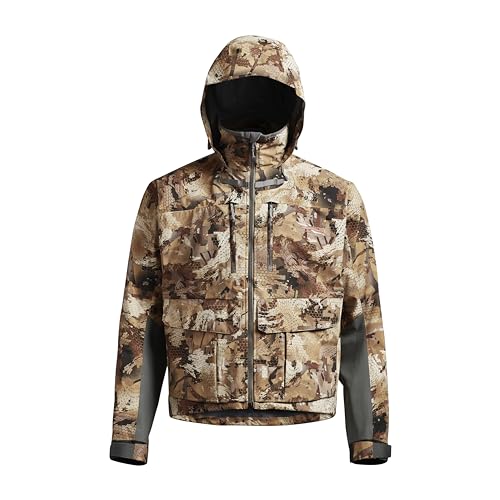
Master every seasonal challenge with the most versatile outer shell ever devised. The Delta Pro Wading Jacket delivers rugged, waterproof breathable protection in an uninsulated design easily partnered with other system layers.

Fully foldable full mesh front and back ventilation panel bridges efficiently distribute airflow, while the removable sleeve shell allows the jacket to be adapted to suit the weather conditions.
Material Technologies Overview
Material technologies play an essential role in the performance of cycling jackets, especially when it comes to rain protection.
Membrane Types
We find various membrane types in cycling jackets, such as ePTFE, which is well-known for its breathability and waterproofing. Newer options like ePE and ePU offer comparable performance without harmful PFAS chemicals.
Fabric Layers
The construction of fabric layers also affects performance.
- 2-Layer Jackets: Waterproof membrane bonded to face fabric with an inner mesh, heavier, and budget-friendly.
- 2.5-Layer Jackets: Lighter and more packable, with membrane and a spray-on coating.
- 3-Layer Jackets: High-end, with enhanced durability and breathability.
Each option presents different pros and cons based on durability, weight, and flexibility to meet our cycling needs in wet conditions.
Practical Features to Consider
When selecting a cycling jacket for wet conditions, practical features play a significant role in determining overall performance and comfort on the ride.
Fit and Mobility
A tailored fit balances layering room while preventing excess material. Elastic cuffs and a dropped tail protect from road spray, essential in rain.
Pocket Design
Look for large, top-loading pockets with drainage features to keep essentials dry. Well-placed, glove-friendly zippers guarantee easy access.
Ventilation
Underarm pit zips and breathable fabrics help regulate temperature without compromising waterproofing, keeping us comfortable.
Packable Design and Reflective Elements****
Jackets should be lightweight and easily stowable. Reflective elements enhance visibility, especially in low-light conditions, improving safety during rainy rides.
The Role of DWR Coatings
DWR (Durable Water Repellency) coatings play a significant role in the performance of cycling jackets, particularly in wet conditions. These coatings are essential as they help water bead up and roll off the fabric, keeping it lightweight and breathable. By treating individual fibers instead of the entire surface, DWR technologies maintain breathability while preventing saturation.
However, DWR effectiveness diminishes over time due to wear, dirt, and exposure to elements. Regular DWR maintenance is important to restore water repellency. We should clean the jacket and reapply these coatings using wash-in or spray-on products for best performance. Proper care prolongs the jacket’s functionality and enhances our comfort during cycling, ensuring we stay dry in diverse weather scenarios.
Tailoring for Different Weather Conditions
Tailoring cycling jackets for different weather conditions is vital to maintaining comfort and performance during rides.
Weather Adaptability
Selecting jackets with appropriate waterproof ratings, like 10,000mm or higher, guarantees we stay dry in wet conditions. For breathability, look for ratings over 20,000g/m²/24h to manage sweat effectively during exertion.
Fabric Layering
Three-layer waterproof fabrics strike a balance between durability and breathability, allowing for effective layering. Slim fits reduce excess fabric, enhancing aerodynamics while accommodating base layers for colder rides.
Adjustability Features
Incorporating adjustable cuffs, hems, and ventilation systems helps manage internal moisture, enhancing comfort. A drop tail provides coverage when riding leaned forward, critical during inclement weather.
Frequently Asked Questions
How Do I Know if a Jacket Fits Correctly?
To know if a jacket fits correctly, we need to check jacket measurements against our body. Fit testing involves zipping it up, moving our arms, and ensuring there’s no discomfort or restriction while cycling.
Can I Use a Regular Jacket for Cycling in Rain?
Using a casual jacket in rain cycling risks can feel like dancing in a downpour without an umbrella. While it might work short-term, we’ll face comfort and coverage issues. Let’s choose wisely for our rides.
What Maintenance Is Required for Waterproof Cycling Jackets?
We need to regularly clean our waterproof cycling jackets to maintain their performance. Employ gentle washing techniques, use fabric care tailored for technical garments, and reproof as necessary to guarantee peak water resistance and breathability.
How Can I Tell if My Jacket Is Truly Waterproof?
Waterproof wonderment starts with thorough waterproof testing and high-quality material. We should check seam integrity and zipper reliability, because even the best fabric can fail if those essential components aren’t up to par.
Are There Specific Features for Cycling in Extremely Cold Rain?
When cycling in extremely cold rain, we need jackets with insulation materials and moisture wicking properties. Features like adjustable hoods, sealed seams, and breathable linings keep us dry, warm, and comfortable on our rides.