As an Amazon Associate, we earn from qualifying purchases. Some links on this site are affiliate links at no extra cost to you. Our recommendations are based on thorough research and editorial judgment.


How Do I Choose Cycling Gloves for Different Weather Conditions?

Choosing cycling gloves for different weather involves understanding several key factors. For temperatures above 86°F, we should opt for lightweight, breathable designs like fingerless gloves. In the 68-86°F range, either full-finger or short-finger gloves work. Below 68°F, we need insulation and preferably a material like merino wool. For extreme cold, insulated, windproof gloves with waterproof features are essential. Ensuring a snug fit is critical, so let’s consider measurements and size charts for ideal comfort. There’s more to explore on finding the perfect pair.
Key Takeaways
- Choose lightweight, breathable gloves for temperatures above 86°F; consider short-finger styles for maximum ventilation.
- For 68-86°F, opt for full-finger or short-finger gloves to balance breathability and dexterity.
- In 45-68°F, select gloves with light insulation, like merino wool, to protect against wind and maintain warmth.
- For temperatures between 32-45°F, medium-weight gloves with insulation and long cuffs help seal out cold air effectively.
- Below 32°F requires heavily insulated, windproof gloves to prevent frostbite and retain heat in extreme conditions.
Understanding Temperature Ranges for Cycling Gloves
You may be interested


When it comes to selecting cycling gloves, understanding temperature ranges is essential for ensuring comfort and performance on the ride. Each temperature range offers specific advantages for glove longevity and effectiveness.
Above 86°F (30°C+): Lightweight and breathable gloves prevent overheating. Short-finger styles enhance ventilation while offering palm protection.
68-86°F (20-30°C): Full-finger or short-finger options maintain breathability and dexterity. Quick-drying, thin fabrics adapt well to changing conditions.
45-68°F (7-20°C): Light insulation protects against wind without bulk. Materials like merino wool keep hands warm while allowing mobility.
32-45°F (0-7°C): Medium-weight gloves with insulation are essential for cold weather. Long cuffs seal out cold air, ensuring warmth.
Below 32°F (0°C): Heavily insulated gloves maximize warmth, using windproof materials to prevent frostbite. Additionally, choosing gloves with breathable materials can enhance comfort during rides in varying temperatures.
Recommended Products

HEATED FINGER SYSTEM – Heat elements track around each finger with 3-stage temperature control providing up to 5 hours of warmth on rechargeable 7.4V lithium polymer batteries
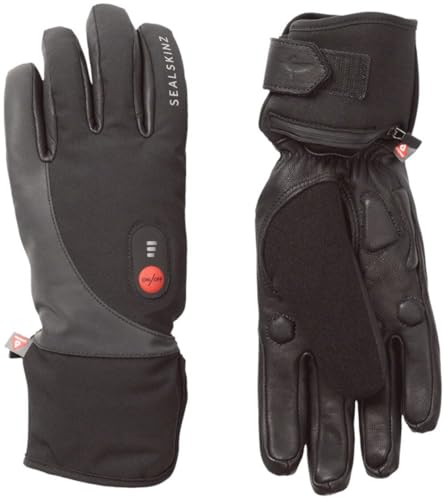
waterproof design with three-layer bonded construction ensures reliable insulation, durability, and protection against the elements during cold weather cycling.

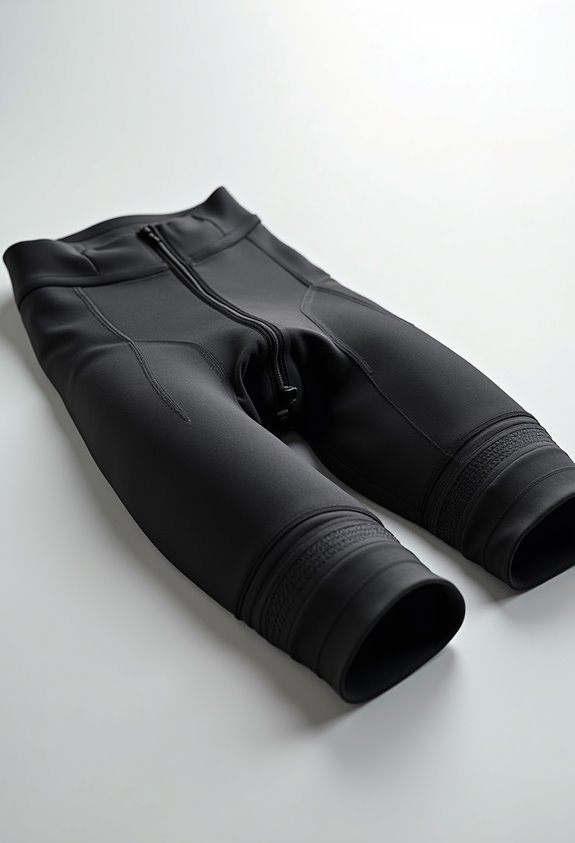
Extended Length Design: Oversized pit coat built to fit over race gear, offering added warmth, comfort, and full-body coverage in cold weather.
Materials and Features to Consider

Selecting the right materials and features for cycling gloves is essential for optimizing performance and comfort in varying weather conditions.
Material Sustainability
We should consider materials like merino wool for its natural insulation and moisture management. Synthetic suede palms enhance grip and durability, important in wet conditions. While neoprene offers insulation, it raises concerns over microplastic pollution. Additionally, many gloves incorporate breathable materials to enhance comfort during extended rides.
Feature Innovation
Breathable fabrics are critical, preventing sweat buildup. Lightweight and stretchable materials provide comfort without sacrificing dexterity. Gloves with water-resistant coatings, like Gore-Tex, keep hands dry while allowing moisture escape.
Grip and Control
Reinforced palms improve grip in wet weather, while padding absorbs shock without losing control. Long cuffs can seal out drafts, enhancing warmth and protection.
Recommended Products

Warm unisex gloves for cold weather conditions

Waterproof - three layer construction for warmth, durability and waterproofing

DESIGNED FOR: Cyclists seeking a warm, waterproof, and windproof cycling glove for cold-weather conditions to provide comfortable, breathable protection for long cycling tours and gravel biking.
Functional Design: Types of Gloves

Cycling gloves come in various designs, each tailored for specific weather conditions and riding styles.
Fingerless Gloves (Cycling Mitts)
These are ideal for warm weather, enhancing breathability and dexterity. They allow for easy access to controls and minimize overheating. The half-finger design of these gloves promotes grip and tactile sensitivity while cycling.
Full-Finger Gloves
Essential in cooler conditions, they provide full coverage and warmth. They often feature windproof and water-resistant materials, suitable for diverse terrains.
Lobster Gloves
This split-finger design balances warmth and dexterity, ideal for cold, wet conditions.
Insulated Winter Gloves
Built for extreme cold, they feature high insulation with waterproof membranes.
Lightweight Adjusting Gloves
Designed for fluctuating temperatures, these gloves offer moderate insulation and breathability.
Selecting the right type enhances comfort and performance, showcasing advancements in glove technology and cycling accessories.
Recommended Products


True winter‑specific boot: Built on Lake’s Winter Last with a high‑volume shape that traps warm air—the best natural insulator—for real cold‑weather riding comfort.

Waterproof DRYRIDE two-layer fabric shell; Gnar Guard leather palm is soft, supple, and breathable
Performance Advantages for Different Weather Conditions

To maximize our cycling experience, understanding how glove performance aligns with different weather conditions is essential. For cold weather, gloves with insulation benefits are significant. Materials like merino wool retain heat without bulk, while lobster-style gloves group fingers for warmth. Windproof membranes like WINDSTOPPER® enhance protection against wind chill.
During wet conditions, water-resistant gloves keep our hands dry. Breathable fabrics are crucial to prevent moisture build-up, ensuring comfort. Some gloves feature hydrophobic insulation, maintaining performance even when wet. Additionally, gloves with thermal insulation are vital for ensuring warmth in extreme cold, making them an essential choice for winter cycling.
In warm conditions, fingerless designs improve ventilation and reduce overheating. Lightweight fabrics enhance airflow, while padded palms minimize vibration.
The key lies in balancing warmth and dexterity trade-offs, allowing us to maintain control of brakes and gears across varying weather.
Recommended Products

SIZING: Castelli products have a close-to-the-body fit to maximize aerodynamics and performance. For a less compressive feel, or if your measurements fall between sizes, we recommend that you size up.

Waterproof & Breathable Technology: Powered by state-of-the-art TEMRES technology, these winter gloves provide a 100% liquid-proof seal while allowing moisture and heat to escape. Keep your hands bone-dry and sweat-free during high-intensity outdoor work or winter sports.

Fly Racing Ignitor Pro Heated Winter & Cold Weather Gloves - Windproof, Waterproof, Insulated Gloves
3M 80g Thinsulate Insulation
Fit, Sizing, and Price Considerations

Finding the right fit for cycling gloves is essential to guarantee comfort and performance during rides. A snug fit prevents blood flow restriction while ensuring dexterity. To find the best size, we should take hand measurements. Measure the circumference around the knuckles and the length from the palm base to the middle finger tip. Refer to sizing charts to match these measurements to standard sizes like XS to XXL. It’s also important to consider proper fit and sizing to prevent water ingress while allowing natural hand movement.
Price ranges vary. Entry-level gloves cost $15 to $40, while mid-range options are $40 to $80, featuring better materials. Premium gloves, above $80, offer advanced insulation and ergonomic designs. We recommend trying gloves on when possible due to fit variations across brands, ensuring comfort and functionality for different conditions.
Recommended Products

CLASSIC EUROPEAN MOTORING STYLE Inspired by timeless driving heritage, these cognac leather gloves deliver refined elegance with perforated detailing and signature knuckle cutouts. A sophisticated accessory for drivers who appreciate craftsmanship and tradition.

PREMIUM GENUINE COWHIDE LEATHER: Measure the circumference of your hand around the knuckles (excluding the thumb). If your measurement falls between sizes, we recommend selecting the larger size. Please refer to the size chart image for accurate fit.

Bike clothing size is approach to the US size, please refer to the size chart or our size information in the description. If you need mixed size, please send message to us before you place order.
Frequently Asked Questions
How Often Should I Replace My Cycling Gloves?
Just like a knight replaces armor after battle, we should replace our cycling gloves every 6 to 12 months. Material durability matters, and finding the right sizing guarantees our hands stay comfortable and protected.
Can I Wash Cycling Gloves in a Washing Machine?
Yes, we can wash cycling gloves in a washing machine. Just remember to check cycling glove materials first; using gentle cycles and cold water helps preserve their integrity. It’s essential that we follow proper washing methods, though.
Do Glove Liners Improve Warmth in Winter Gloves?
Like a cozy blanket for our hands, glove liners noticeably boost warmth in winter gloves. They enhance glove insulation, ensuring we’re comfortable and safe during winter cycling, allowing us to embrace the chill without sacrificing dexterity.
Are Touchscreen-Compatible Gloves Worth the Investment?
Absolutely, touchscreen-compatible gloves are worth the investment. We love their glove material that enhances touchscreen responsiveness, allowing us to navigate devices easily while riding, making our cycling experience much more convenient and enjoyable.
How Do I Store Cycling Gloves to Prolong Their Lifespan?
Imagine a treasure chest for our cycling gloves—proper storage in a cool, dry place, respecting glove materials, keeps them safe. Let’s avoid sunlight and moisture while ensuring ventilation; our gloves will thank us later!