As an Amazon Associate, we earn from qualifying purchases. Some links on this site are affiliate links at no extra cost to you. Our recommendations are based on thorough research and editorial judgment.


What Features Should I Look for in a Cycling GPS Computer?

When choosing a cycling GPS computer, we should prioritize key features for ideal performance. GPS accuracy is vital, so look for multi-satellite compatibility and multi-band receivers for precise tracking. A high-resolution display enhances visibility, especially in sunlight. Battery life varies—models like Garmin Edge 1040 Solar extend up to 100 hours in save mode. Navigation features, such as turn-by-turn directions, are essential, along with robust connectivity options like ANT+ and Bluetooth. Continue with us for an in-depth analysis.
Key Takeaways
- Accuracy and Positioning: Look for multi-band GNSS receivers that utilize various satellite systems for precise location tracking and reduced signal interference.
- Display Quality: Choose devices with high-resolution color displays for improved visibility in sunlight and ergonomic layouts for easier navigation.
- Battery Life: Opt for models with extended battery life, such as those offering sleep mode and customizable settings to manage power consumption efficiently.
- Navigation Features: Ensure the GPS computer has turn-by-turn navigation, automated rerouting, and can sync routes from popular apps like Strava or Komoot.
- Connectivity Options: Look for wireless protocols like ANT+ and Bluetooth for seamless integration with sensors and devices, enhancing your cycling experience.
GPS Accuracy and Positioning Technology
You may be interested


When we evaluate GPS accuracy and positioning technology in cycling GPS computers, it’s essential to recognize the role of multiple satellite systems. Most quality devices utilize various satellite constellations, including GPS, GLONASS, BeiDou, and Galileo. This enhances tracking precision and reliability.
Multi-band GNSS receivers further improve accuracy. They achieve positioning by using different frequency bands, which reduce signal interference. This technology allows users to pinpoint locations within a few meters, vital for effective navigation and route tracking. Additionally, the Garmin Edge 540 features multi-band GNSS for better navigation accuracy, making it a top choice for serious cyclists.
Basic models lacking multi-constellation support may experience position drift and less reliable data. Environmental factors such as urban canyons or dense tree cover can also degrade signal integrity, affecting overall performance.
Recommended Products

Product 1: Advanced GPS bike computer combines superior navigation, planning and performance tracking, cycling awareness and smart connectivity

IN THE BOX: 1x Garmin Edge 1040, 1x Flush out-front mount, 1x standard mount, 1x tether, 1x USB-A to USB-C cable, 1x Wearable4U E-bank, 1x Speed Sensor, 1x Cadence Sensors

Rugged, military-inspired design features an always-on 1.4” solar powered display, black DLC-coated steel bezel, black PVD-coated steel rear cover and new LED flashlight
Display and User Interface

A cycling GPS computer’s display and user interface play an essential role in our ability to navigate and track performance effectively. When choosing one, we should consider screen size, resolution, and color versus monochrome displays. A high-resolution, color display enhances readability in bright sunlight, while larger screens offer more detail.
Ergonomic layout is critical for easy navigation. We benefit from customizable layouts and simple menu navigation, which reduce distraction during rides. Touchscreens provide intuitive control, but button controls are often more durable. Additionally, adjusting screen brightness improves visibility in varying lighting conditions. Features like night mode and alerts enhance our experience, ensuring we stay informed without losing focus on the road ahead. Furthermore, models featuring anti-glare technology significantly improve visibility during rides in direct sunlight.
Recommended Products

Performance GPS cycling computer with mapping. Compatible with Vector (power meter). Power meter compatible (displays power data from compatible third-party ANT+-enabled power meters).Control Method:Touch.Special Feature:Bluetooth.

🚀【7 Inch Higher-Quality Screen Upgrade (From 5 Inch)】7-inch QLED screen upgrade fit for BMW models . It enhances readability without blocking controls or dash view, seamlessly integrating into the interior to provide ideal functionality and sleek aesthetics for touring.

【For BMW Wonder Wheel Control】Designed for select BMW motorcycles equipped with navigation cradle support, this CarPlay display offers true plug-and-play installation with no extra wiring required. It supports seamless Wonder Wheel control for intuitive operation and displays key riding data including TPMS (if equipped), RPM, and lean angle.
Battery Life and Power Management

Battery life and power management are critical factors to contemplate in a cycling GPS computer. We need to assess battery longevity and the efficiency of power optimization features.
Battery Longevity
Models like the Coros Dura offer up to 120 hours of use, while the Garmin Edge 1040 Solar provides 45 hours, extending to 100 hours in battery save mode. For shorter rides, the Garmin Edge 550 lasts about 12 hours, but lacks solar capabilities.
Power Optimization
Innovative features like sleep mode in the Coros Dura and battery save mode in the Garmin models considerably enhance battery efficiency. Choosing a GPS computer with customizable settings allows us to manage power consumption based on ride intensity, ensuring our devices last longer during critical journeys. Additionally, understanding optimal maintenance frequency can help in planning rides to maximize battery life.
Navigation and Mapping Features

Maneuvering effectively on a cycling route hinges on the quality of a GPS computer’s navigation and mapping features. Advanced GPS computers offer multi-satellite system compatibility, which improves location accuracy. These devices frequently provide turn-by-turn navigation with automated rerouting, ensuring we stay on track even if we deviate from our planned route.
Map customization is another key aspect to examine. We can synchronize routes directly from apps like Strava and Komoot, allowing for seamless upload and integration. Additionally, quality devices come with pre-installed base maps, enhancing usability without needing external downloads. Investing in a GPS computer with these robust navigation and mapping features increases our cycling efficiency and overall enjoyment on diverse terrains. Furthermore, models like the iGPSPORT BSC100S GPS Bike Computer support five satellite positioning systems, ensuring faster data tracking as well.
Connectivity and Data Integration

Connectivity and data integration are essential elements we need to contemplate when selecting a cycling GPS computer. First, consider the wireless protocols. Most devices use ANT+ and Bluetooth to connect with sensors. ANT+ supports multiple connections simultaneously, ideal for heart rate monitors and power meters. Bluetooth enables pairing with smartphones, facilitating data syncing and notifications.
Next, think about app compatibility. Not all devices support every app, but integration with platforms like Strava and TrainingPeaks enhances our training experience. Some models allow for downloading routes directly to the GPS, streamlining our rides. Additionally, selecting devices with high waterproof ratings ensures durability during diverse weather conditions. Finally, WiFi-enabled devices offer faster data uploads and firmware updates, making post-ride management easier. Prioritizing these features will guarantee a more connected cycling experience.
Recommended Products

Elevate your bike's performance with the SRAM Red eTap AXS Upgrade Kit featuring cutting-edge electronic shifting technology for precise and reliable gear changes at the touch of a button.

THIS BUNDLE CONTAINS: 1 Garmin Approach S70 Golf Smartwatch | Full-Color CourseView Maps | High-Quality AMOLED Display | Advanced Shot Execution & Putt Alignment | Immersive Golfing Experience + 1 Garmin Approach CT10 Full Kit, Club Tracking System (14 Sensors) + 1 Signature Series Watch Stand with Charging Cable + 1 Signature Series 5000mAh Portable Power Bank with Wall Charger and Car Plug Adapter
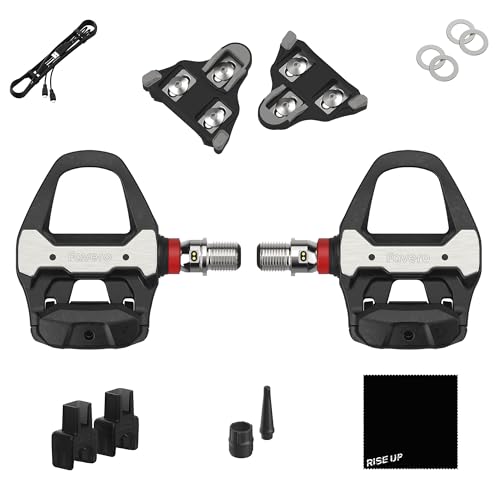
UNIVERSALLY COMPATIBLE: A revolutionary pedal-based power meter for road 100% SPD-SL compatible. You can use it with the cleats provided within the box or with the original Shimano SM-SH10, SM-SH11 or SM-SH12.
Frequently Asked Questions
How Do I Choose the Right Cycling GPS Computer for My Needs?
To choose the right cycling GPS computer, we need to contemplate battery life and screen size that fits our rides. Let’s evaluate our needs and prioritize features that enhance our cycling experience.
What Is the Average Price Range for Quality Cycling GPS Computers?
The average price range for quality cycling GPS computers usually falls from budget options around $100 to premium features exceeding $500. We should consider our needs and choose wisely based on our riding goals.
Are There Specific Brands Known for Reliability in Cycling GPS Units?
When 67% of cyclists prioritize reliability, we find Garmin’s reliability stands out, while Wahoo offers impressive performance. Lezyne shines with features, Sigma delivers accuracy, and Polar guarantees great compatibility, making them all worthy contenders.
Can I Use a Cycling GPS Computer for Other Sports?
Yes, we can definitely use a cycling GPS computer for other sports. With multi-sport capabilities and fitness tracking features, it effectively records our performance across various activities like running, hiking, and more, enhancing our training experience.
How Do Weather Conditions Affect GPS Performance During Cycling?
Weather conditions greatly affect GPS performance during our rides. Rain can cause signal interference, while cold temperatures impact battery efficiency. These factors directly influence GPS accuracy, leading to fluctuations in tracking and speed data during cycling.


