As an Amazon Associate, we earn from qualifying purchases. Some links on this site are affiliate links at no extra cost to you. Our recommendations are based on thorough research and editorial judgment.


What Cycling Metrics Should I Track to Improve My Performance?

To improve our cycling performance, we should track several key metrics. First, we need to monitor power output, including Normalized Power (NP) and Critical Power (CP), which reveal our physiological limits. Next, heart rate tracking indicates fitness levels and recovery needs. We must also focus on cadence for effective power transfer and speed for performance evaluation. By evaluating training load and using recovery indicators, we can develop a thorough strategy. There’s more to explore on optimizing these metrics.
Key Takeaways
- Monitor Normalized Power (NP) to understand effort and performance variability better than Average Power alone.
- Track Critical Power (CP) to gauge maximum sustainable power across different durations for improved endurance training.
- Use Intensity Factor (IF) to assess ride intensity relative to your Functional Threshold Power (FTP).
- Evaluate Heart Rate Variability (HRV) for insights into recovery status and overall autonomic nervous system health.
- Maintain an optimal cadence to enhance power transfer efficiency and improve overall cycling performance.
Understanding Power Metrics
You may be interested


When it comes to understanding power metrics in cycling, we can break down the essential components that allow us to analyze our performance effectively. First, Normalized Power (NP) provides a measure that reflects our physiological effort by accounting for variability, making it more reliable than Average Power. Next, Critical Power (CP) illustrates our maximum sustainable power over different durations, enabling us to gauge performance better than a single FTP value. We also use Intensity Factor (IF) to compare NP against our Functional Threshold Power (FTP), indicating ride intensity relative to our limits. Finally, the Variability Index (VI) measures the steadiness of our power output; a lower VI indicates better pacing and can help manage our energy more effectively during rides. Additionally, utilizing devices like the Garmin Edge 530 enhances your ability to track these metrics accurately, providing valuable insights into your cycling performance.
Recommended Products

Ultra-Compact, Power-Dense: 1280Wh energy in a 9.02"x5.43"x8.19" Group 22NF case. 194.7Wh/L density delivers massive power in minimal space.

Slim Compact Build: 40.8% smaller standard 200Ah LiFePO4 battery, fits Group 31 trays for tight RV/marine spaces. 44.5 lbs, 65% lighter than lead-acid, simpler installation & less back strain.
Slim Compact Build: 40.8% smaller standard 200Ah LiFePO4 battery, fits Group 31 trays for tight RV/marine spaces. 44.5 lbs, 65% lighter than lead-acid, simpler installation & less back strain.
The Importance of Heart Rate Monitoring

Heart rate monitoring plays a significant role in enhancing cycling performance. By tracking our heart rate, we gain critical insights into our fitness level and health status during training. This non-invasive method lets us customize workouts by targeting specific heart rate zones.
Training in these zones facilitates physiological adaptations, improving endurance and aerobic capacity. Monitoring heart rate also prevents overtraining and reduces injury risk.
Moreover, we can adjust our intensity in real time, ensuring ideal workloads without overexertion. Heart rate tracking enables smarter pacing strategies, allowing us to focus on both performance gains and recovery management. Additionally, using advanced sensors in heart rate monitors provides more reliable readings that help optimize training zones.
Recommended Products
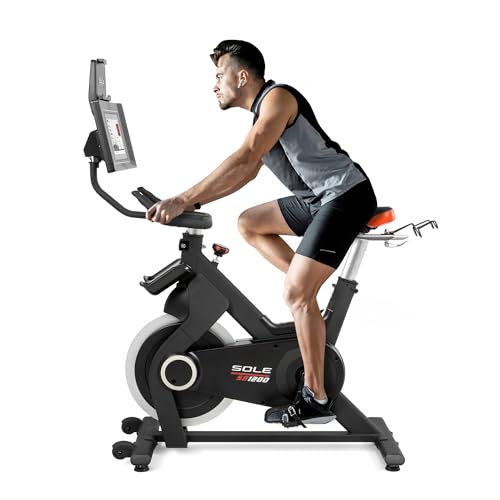
QUIET OPERATION: Built with chrome-plated flywheels and a magnetic braking design, our exercise bikes offer industry-leading noise reduction. With these cycling bikes, your home workouts won't disturb your neighbors, kids, or sleeping babies.

Advanced tactical GPS smartwatch features a 1.4” solar charged display, titanium bezel and sapphire lens and built-in LED flashlight for after-dark visibility

Stealth Meets Strength: Outthink, outrun, outlast. Night vision mode, stealth mode, and dual-position GPS keep you in control of any operation, while the kill switch erases data instantly when the mission demands it.
Analyzing Cadence and Pedaling Efficiency

Analyzing cadence and pedaling efficiency is essential for optimizing our cycling performance. Cadence, measured in revolutions per minute (RPM), determines how effectively we transfer power to the pedals. Dedicated cadence sensors provide the most accurate measurements, allowing us to track our performance in real-time.
Engaging in cadence drills—like low gear/high cadence routines—enhances our neuromuscular control and promotes smoother pedaling motions. Individual preferences in cadence vary markedly, influenced by factors such as muscle fiber composition and cardiovascular fitness. Additionally, understanding tire pressure maintenance can further improve overall cycling efficiency and performance.
Recommended Products

【4200Wh Battery with Up to 180 Miles Range】Powered by a massive 4200Wh 60V 70Ah removable battery, this premium long range electric bike delivers up to 180 miles of riding capability with stable high output performance for extended outdoor travel and demanding terrain. The high efficiency power system supports fast 5-6 hour charging for reduced downtime and greater riding freedom. Designed for riders seeking exceptional endurance, high capacity performance, and serious long range capability.

[Powerful AWD Performance] Conquer steep hills and rough terrain with peak 4000W dual hub motors, delivering powerful acceleration, confident climbing, and all-terrain capability for adventure rides.

Evaluating Speed and Distance Performance

Evaluating speed and distance performance provides us with insights into our cycling capabilities. By tracking our average speed, we can see improvements over consistent routes, helping establish our speed consistency. It’s vital to note that our speed can be influenced by external factors like terrain and wind resistance, which we must consider for accurate assessments.
Distance benchmarks serve as key indicators for monitoring workload and endurance. Familiarizing ourselves with standard distances like 10k or 20 miles helps us evaluate our performance relative to recognized standards for our age and bodyweight. Extended rides help us identify our aerobic threshold, significant for readiness in endurance events. Additionally, understanding aerodynamic properties can further enhance our performance metrics and optimize our cycling efficiency. Overall, combining speed and distance metrics allows for precise training evaluations and strategic performance enhancements.
Recommended Products

Includes: Media Tray, Stretch Pads, and M Connect Display.

Accessible Home Backup Generator: With 2400W output and a 2048Wh capacity that can be expanded to 12kWh, you can feel confident you'll have the power you need to weather blackouts with ease.
2.4 GHz 8th-Generation quad-core Intel Core i5 Processor
Assessing Training Load and Intensity

When we aim to maximize our cycling performance, understanding training load and intensity is essential. Monitoring our training load involves two key components: external and internal metrics.
External Metrics
We’re utilizing devices like SRM™ and PowerTap™ to measure power output continuously. This helps us assess our Training Stress Score (TSS), which quantifies training intensity based on duration and frequency.
Internal Metrics
On the internal side, we’re tracking our heart rates and perceived exertion using metrics like TRIMP and Session-RPE. These provide valuable insights into our physiological stress during workouts.
Balancing Both Metrics
Incorporating data from power meters can enhance our understanding of both metrics and improve performance tracking.
Recommended Products
Manual- and auto-ranging intrinsically safe digital multimeter for use in dangerous or explosive atmospheres including oil refineries, mining operations, and pharmaceutical plants

5” multi-touch capacitive touchscreen with graphical display

The OS12500 is the most powerful portable ozone generator and is perfect for deodorizing and eliminating odors in extra- large spaces such as locker rooms, banquet halls, hotel suits, apartments, offices, restaurants, and commercial properties. It will eliminate even the most severe odors caused by tobacco, smoke, pets, water and flood damage and more
Key Physiological Metrics to Consider
VO2 Max
VO2 Max indicates our body’s maximum oxygen consumption during intense efforts. Higher values reflect superior cardiovascular efficiency, vital for endurance.
Lactate Threshold
Lactate Threshold marks the point where lactate builds up faster than it’s cleared. Monitoring this, along with Functional Threshold Power (FTP), helps us determine our sustainable power for an hour, guiding our training intensity.
Aerobic Decoupling
This metric measures the relationship between heart rate and power output. A low decoupling percentage suggests good aerobic fitness, while higher values indicate potential fatigue.
Power Output
Lastly, power output provides direct insights into our performance, measuring effort in watts. Tracking this metric is essential for optimizing training load and identifying progress. Additionally, understanding the role of different resistance types can further enhance training effectiveness on various indoor bike trainers.
Utilizing Recovery Indicators
To enhance our cycling performance, utilizing recovery indicators is essential for understanding how well our bodies are recuperating from training stress. Key metrics include:
Sleep Quality
Consistently obtaining 7-9 hours of sleep optimizes recovery. Sleep disturbances can elevate resting heart rate (RHR), indicating incomplete recovery.
HRV Tracking
Monitoring heart rate variability (HRV) provides insights into our autonomic nervous system. Higher HRV values suggest better recovery, while lower values indicate fatigue.
RHR Trends
Daily RHR measurements offer a snapshot of our recovery status. Elevated RHR signals potential overtraining.
Subjective Assessment
Using recovery scores integrates subjective fatigue monitoring with physiological data. Self-reported metrics enhance our understanding of recovery needs, ensuring our training intensity aligns with our body’s current readiness. Additionally, high volume levels from bike alarms can deter theft during recovery periods, providing peace of mind while focusing on performance.
Creating a Holistic Performance Strategy
Creating a holistic performance strategy goes beyond just monitoring recovery metrics. We must integrate several key components for effective cycling performance.
Mindset Training
Incorporating mindset training is essential. We need to stay focused, set goals, and maintain a positive attitude during rides.
Nutrition Optimization
Next, we should prioritize nutrition optimization. Tracking calorie expenditure alongside power output improves our energy management during training and racing.
Performance Metrics
Utilizing power, heart rate, and cadence metrics helps us quantify our training load. By monitoring these values, we can fine-tune our workouts and prevent overtraining.
Data Analysis
Finally, leveraging analytical tools aids in streamlining our training strategy. By analyzing our ride data over time, we’ll make informed adjustments that boost overall performance. Additionally, incorporating performance benefits from effective bike chain waxes can enhance the efficiency of your ride, reducing friction and improving speed.
Frequently Asked Questions
How Do Weather Conditions Affect My Cycling Performance Metrics?
“A smooth sea never made a skilled sailor.” We’re well aware that weather conditions, like temperature effects and humidity impact, greatly influence our cycling performance metrics, shaping our speed, energy expenditure, and overall ride quality.
Can I Track These Metrics With a Smartphone App?
Yes, we can track various cycling metrics using smartphone apps thanks to their compatibility with sensors. Many app features allow us to analyze data, customize dashboards, and review our performance effectively on our devices.
How Often Should I Reassess My Threshold Power?
Like a sculptor chiseling stone, we should reassess our threshold power every 30 to 42 days. This testing frequency keeps our training sharp and adaptable, ensuring we build strength without risking burnout or stagnation.
What Are the Best Devices for Monitoring Heart Rate While Cycling?
When choosing heart rate monitors for cycling, we recommend chest straps like the Garmin HRM-Pro Plus for accuracy, or versatile fitness trackers like the Garmin Venu 2 Plus for convenience and functionality.
Should I Track My Nutrition Alongside These Performance Metrics?
We can’t ignore nutrition tracking; it’s our secret weapon. Meal timing alongside our performance metrics guarantees we fuel effectively, enhancing endurance and recovery. Let’s align our nutrition strategy to make every ride count!


