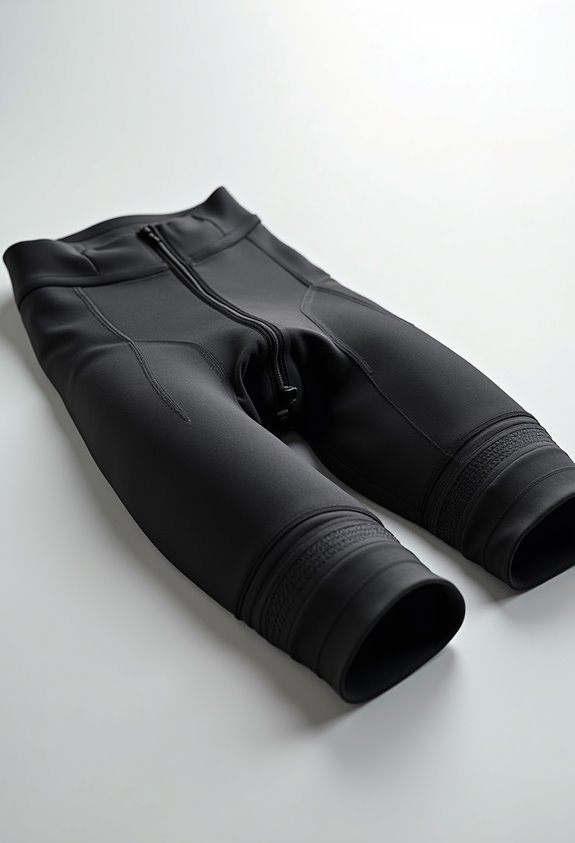
As an Amazon Associate, we earn from qualifying purchases. Some links on this site are affiliate links at no extra cost to you. Our recommendations are based on thorough research and editorial judgment.


What Fabrics Work Best for Cycling Clothing?

When choosing fabrics for cycling clothing, we prioritize moisture-wicking, breathability, and durability. Polyester offers excellent moisture management and lightweight durability, while polyamide/nylon enhances elasticity and lifespan. Lycra and spandex provide stretch and comfort. For those seeking natural fibers, merino wool effectively manages moisture and reduces odor. Additionally, woven fabrics provide muscle support, whereas knitted fabrics focus on comfort. Balancing these features helps optimize performance. Continue with us to discover more about specialized features and durability in cycling apparel.
Key Takeaways
- Polyester offers superior moisture-wicking, durability, and vibrant color retention, making it ideal for cycling clothing.
- Polyamide/Nylon ensures excellent elasticity and moisture management, enhancing comfort and longevity in cycling apparel.
- Lycra/Spandex provides optimal stretch for a perfect fit, reducing air resistance while maintaining comfort during rides.
- Merino Wool effectively manages moisture, regulates temperature, and minimizes odors, making it suitable for year-round cycling.
- Breathable Fabrics promote effective temperature regulation and moisture management, essential for prolonged cycling performance.
Polyester: The Foundation of Cycling Jerseys
You may be interested


When it comes to cycling jerseys, polyester stands out as a fundamental fabric due to its impressive properties. Its moisture-wicking capabilities pull sweat away, keeping us dry and comfortable during rides. Unlike cotton, polyester doesn’t retain moisture, which helps maintain body temperature and reduces irritation.
Recommended Products

100% Recycled polyester

LUXURY DESIGN: Made with 100% Egyptian Cotton and 1000 thread count; Buttery-soft texture with a subtle shimmer from sateen weave finish; Solid pattern is available in a variety of color options to update any bedroom

Precision shell sizing solution ensures each fit size from XS to XXL uses the correct shell for superior comfort, reduced weight and optimized impact performance.
Key Advantages of Polyester
- Durability: Polyester is resistant to stretching and shrinking, ensuring long-lasting fit.
- Breathability: Lightweight structure allows air circulation, preventing overheating.
- Color Retention: Polyester holds vibrant colors well, resisting fading after multiple washes.
These attributes successfully cater to cycling trends, making polyester a top choice among various fabric types in cycling apparel. By focusing on recycled polyester (rPET), we also embrace sustainability while maintaining performance, proving polyester’s ongoing relevance in modern cycling jerseys. Additionally, many cycling jackets incorporate breathable materials to enhance comfort and performance during rides.
Advantages of Polyamide and Nylon

Cyclists benefit greatly from the advantages of polyamide and nylon fabrics, as these materials enhance performance and comfort in cycling apparel.
Durability and Wear Resistance
Polyamide is markedly more durable than cotton and wool. It’s about ten times more wear-resistant and can endure tens of thousands of twists and bends. This results in long-lasting garments.
Elasticity and Comfort
Nylon offers excellent elasticity, allowing for a snug fit that supports extensive movement without deformation. Its moisture-wicking capabilities keep us dry during strenuous rides, promoting comfort.
Lightweight Properties
Both fabrics are lightweight, reducing fatigue and improving performance during long rides.
Chemical Resistance
Finally, polyamide’s resistance to chemicals prolongs the lifecycle of our cycling gear, making it ideal for outdoor use. These polyamide benefits and nylon advantages clearly make them top choices for cycling clothing. Additionally, the use of breathable mesh uppers enhances airflow, further improving comfort during extended rides.
Recommended Products


LEGENDARY WATERPROOF PROTECTION: Next-generation GORE-TEX ePE fabric delivers durable, lightweight rain protection that keeps you dry through any ride, backed by the GUARANTEED TO KEEP YOU DRY promise.

LEGENDARY WATERPROOF PROTECTION: Next-generation GORE-TEX ePE membrane delivers durable, lightweight rain protection backed by the GUARANTEED TO KEEP YOU DRY promise.
The Role of Lycra and Spandex

Lycra and spandex are essential components in modern cycling clothing, greatly impacting performance and comfort. These synthetic fibers are known for their stretchability, allowing garments to fit snugly while remaining comfortable.
Lycra Benefits
Lycra can stretch up to five times its original length, providing a form-fitting design that enhances aerodynamics. This reduces air resistance, improving overall performance. Additionally, its moisture-wicking properties keep cyclists dry by drawing sweat away from the skin. Breathable fabrics further enhance comfort during long rides.
Spandex Features
Spandex adds flexibility to cycling gear and is resistant to wear and tear. This durability guarantees that garments last longer while maintaining their shape and function.
Recommended Products

Material: 45% nylon, 38% polyester, 16% elastane

Material: 46% nylon, 38% polyester, 16% Lycra elastane

COMFORTABLE & FUNCTIONAL: For a long bike ride in cold weather, there’s no finer riding companion than this bib tight. Thermal fleece fabric provides quick drying insulation, and is stretchy to allow for fewer panels to reduce seaming for improved comfort
Benefits of Merino Wool

Merino wool offers several advantages for cyclists seeking comfort and performance on their rides.
Moisture Management
It absorbs up to 30% of its weight in moisture without feeling damp, pulling sweat away from the skin. This action minimizes chafing and enhances overall merino wool comfort during long rides.
Temperature Regulation
Merino’s naturally crimped fibers create insulating layers, allowing for natural insulation. This helps maintain body temperature across varying conditions.
Odor Resistance
With natural antibacterial properties, merino wool reduces odor-causing bacteria, keeping garments fresh for multiple days.
Skin Sensitivity and Softness****
Its fine, flexible fibers yield a soft texture suitable for direct skin contact, reducing irritation. These features make merino wool a practical choice for diverse cycling scenarios, promoting comfort and performance year-round. Additionally, it is worth noting that lightweight, breathable fabrics are also essential for hot-weather cycling to maintain body temperature and enhance comfort.
Recommended Products
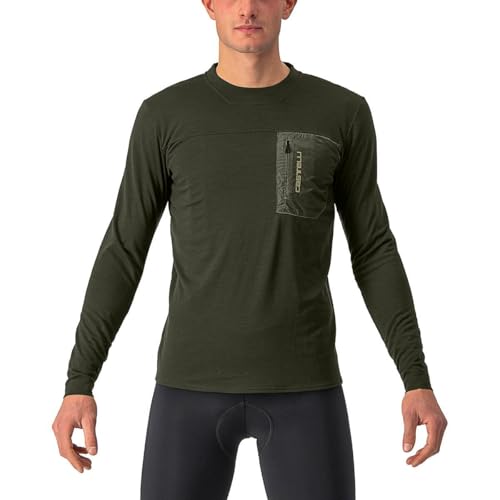
Merino-poly blend trail jersey built for chilly rides

Material: 51% recycled polyester, 41% merino wool, 8% elastane

ARC COLLECTION - For road, gravel and beyond. Crafted using premium materials and advanced fabric technology, the ARC Collection is performance-driven with a focus on adaptability, durability and long-lasting comfort. Ready for any terrain, anywhere.
Woven vs. Knitted Fabrics

When considering fabric options for cycling apparel, it’s essential to understand the fundamental differences between woven and knitted fabrics.
Woven Advantages
Woven fabrics feature a tight grid-like structure, providing high durability and minimal stretch. This stability creates a smooth surface, reducing aerodynamic drag and offering excellent muscle support—key for performance during long rides.
Knitted Characteristics
In contrast, knitted fabrics are stretchy and flexible due to their looped construction. While they prioritize comfort and freedom of movement, this can lead to shape distortion and potential wind resistance. Many cycling jackets incorporate weather-resistant features to enhance performance in varied conditions.
Conclusion
Both fabric types serve specific cycling needs. Woven fabrics excel in high-speed scenarios, while knitted fabrics may be better for casual rides. Understanding these distinctions helps us choose the right gear for our cycling journeys.
Aerodynamics in Cycling Apparel
Aerodynamics in cycling apparel plays an essential role in enhancing performance. The use of aerodynamic textiles is critical for effective drag reduction. Smooth fabric surfaces minimize frictional drag, allowing air to flow evenly across the cyclist’s body. On the other hand, textured fabrics with strategic grooves can manipulate airflow, reducing pressure drag by energizing the boundary layer flow.
A tight fit is indispensable as it keeps the fabric taut, avoiding wrinkles that increase drag. Low-stretch woven materials maintain their shape, reducing turbulent wake behind the cyclist. Essential design features, like optimized seam placements and multi-panel construction, further enhance aerodynamic efficiency. Overall, selecting the right materials tailored for aerodynamics can considerably improve cycling performance, providing a competitive edge. Additionally, certain cycling shoes like GORE-TEX materials offer excellent weather resistance, ensuring that cyclists remain comfortable and dry regardless of conditions.
Moisture-Wicking Technology
Moisture-wicking technology is a vital component of high-performance cycling apparel. These fabrics, often blends of polyester, nylon, and polypropylene, excel at moisture transfer. Unlike cotton, they don’t absorb sweat; instead, they pull moisture away from the skin to the outer layer for rapid evaporation.
- Fabric Characteristics:
- Hydrophilic finishes enhance sweat absorption at the inner layer.
- Lightweight polyester provides durability and superior moisture transport.
- Evaporation Rate:
- Quick moisture transfer leads to effective evaporation, keeping our skin dry.
- Look for fabrics labeled with UPF ratings during purchase.
- Blends like Lycra and polyester offer stretch with decent UV coverage.
- Full-coverage designs target sun-exposed areas effectively.
- Consider jerseys with moisture-wicking capabilities to enhance comfort during long rides.
Through engineered designs, moisture-wicking apparel maintains thermal comfort while reducing the weight and cling of damp fabrics. This optimized structure allows for sustained performance during long rides, especially when paired with compression benefits that improve muscle support and enhance endurance.
Recommended Products

NEW Hydradri membrane for reliable all-weather shoes:

Light, comfortable and fast, full knit road shoe
Importance of Breathability
Breathability plays a pivotal role in the performance of cycling clothing. When we choose breathable fabrics, we’re ensuring effective temperature regulation. These materials promote air circulation, preventing overheating in warm weather while also managing sweat in cooler conditions.
Breathable innovations help maintain our cycling comfort by wicking moisture away from the skin, which reduces discomfort and risks of skin irritation. Efficient ventilation also limits odors and bacterial growth, leading to a more pleasant ride. Additionally, incorporating features like ventilation capabilities in jackets can significantly enhance airflow during intense rides.
The fabric’s construction is essential; woven fabrics often outperform traditional knits in breathability due to their lighter structure. By utilizing advanced fibers and technologies, we maximize breathability without sacrificing durability. Ultimately, selecting breathable cycling clothing enhances our overall riding experience and performance.
UV Protection in Cycling Clothing
Key points to remember include:
Prioritizing these factors helps reduce risks of sunburn and long-term skin damage for cyclists, ensuring comfort while riding.
Special Features in Cycling Fabrics
When we choose cycling fabrics, it’s essential to understand their special features that enhance performance and comfort on the road.
Moisture Management
High-tech cycling fabrics utilize a hydrophilic and hydrophobic structure. This design efficiently pulls sweat away from the skin, allowing for rapid evaporation and effective temperature regulation. Fabrics like TransTextura™ use capillary action to keep us dry.
Temperature Regulation
Some fabrics incorporate phase-change materials (PCMs), which absorb and release heat, maintaining stable body temperatures. Innovations like ThermTextura™ fleece provide warmth without sacrificing stretch. Merino wool also excels in temperature regulation, keeping riders comfortable in varying conditions.
Breathability
Breathable materials prevent overheating during intense rides. Ventilation zones improve airflow, while four-way stretch fabrics enhance movement and comfort, ensuring we’re focused on the ride ahead.
These advanced features showcase the latest in fabric technology, optimizing our cycling experience.
The Importance of Durability
Durability in cycling clothing is essential for ensuring prolonged use and peak performance. Choosing the right materials greatly impacts fabric longevity. Synthetic fibers, like polyester and nylon, outperform natural options, providing resistance to wear and tear.
Safety Considerations
Durable cycling gear enhances safety during rides. Its robust construction reduces the chances of fabric failure that could lead to accidents from torn materials. When investing in durable clothing, we consider features like abrasion resistance and moisture management.
Cost-Effectiveness
Ultimately, spending on durable fabrics pays off, as they last longer and reduce the frequency of replacements. Plus, sustainable practices emerge from fewer product disposals, lessening our environmental impact.
Compression and Fit in Cycling Gear
Compression plays a pivotal role in cycling gear, complementing the durability we’ve discussed. The compression benefits are substantial, enhancing circulation and oxygen delivery. By applying graded pressure, compression clothing improves venous return, which supplies muscles with critical oxygen and delays fatigue during long rides.
Fit importance also cannot be overstated. Properly fitted compression wear prevents friction and chafing, ensuring comfort while pedaling. These garments support muscle alignment and reduce harmful vibrations, leading to better performance.
Moreover, compression gear’s flexibility allows for unrestricted movement, essential for dynamic cycling motions. It also facilitates quick recovery by reducing muscle soreness post-ride. Together, compression and fit notably enhance our cycling experience, making them integral components of effective cycling attire.
Blends for Optimal Performance
Blending different fabric types is essential for achieving ideal performance in cycling clothing. Various fabric combinations increase moisture management and comfort. For instance, a nylon-polyester-spandex blend effectively wicks moisture, keeping us dry during rides. These materials promote breathability, enhancing air circulation.
Additionally, polyester-rPET blends sustain durability while supporting eco-friendly practices. They’re strong and resistant to stretching, ultimately benefiting our long rides.
To regulate temperature, polyamide-polyester mixes excel in sweat evaporation, offering thermal management. By incorporating mesh components, ventilation improves without sacrificing weight.
Finally, specialized blends with elastane provide the necessary stretch for unrestricted movement. These fabric combinations guarantee peak performance enhancement, addressing multiple needs in our cycling experience. Adopting these blends can meaningfully improve our cycling apparel’s functionality.
Frequently Asked Questions
How Do Fabrics Impact Cycling Performance in Different Weather Conditions?
Fabrics impact our cycling performance by enhancing moisture management and temperature regulation. In hot conditions, we need breathable materials, while in colder weather, insulating fabrics keep us comfortable, ensuring ideal efficiency and endurance during rides.
Can Synthetic Fabrics Cause Skin Irritation During Long Rides?
Yes, synthetic fabrics can cause skin irritation during long rides due to fabric sensitivities. We should prioritize proper skin care, opting for breathable materials and regular washing to minimize discomfort and maintain healthy skin.
What Is the Environmental Impact of Polyester Fabrics in Cycling?
The environmental impact of polyester fabrics in cycling includes high emissions and microplastic pollution. We should consider eco-friendly alternatives and support recycling polyester efforts to mitigate these damaging effects while enjoying our rides.
How Often Should Cycling Clothes Be Washed to Maintain Performance?
Like watering a garden, our cycling clothes need regular care. We should wash them after every ride to guarantee performance maintenance and freshness. Consistent washing frequency keeps bacteria at bay and our kit in great shape.
Are There Any Specific Brands Known for High-Quality Cycling Fabrics?
Yes, we’ve found brands like Assos, Rapha, and Pactimo known for their fabric innovations. By making brand comparisons, we can see how different technologies enhance performance, comfort, and durability in cycling apparel.