As an Amazon Associate, we earn from qualifying purchases. Some links on this site are affiliate links at no extra cost to you. Our recommendations are based on thorough research and editorial judgment.


What Are Arm and Leg Warmers and When Should I Use Them?

Arm and leg warmers are designed to provide insulation and support during cooler outdoor activities. They’re made of stretchy materials like cotton or synthetic fibers, ensuring comfort and versatility. We should use them when temperatures are between 8°C and 15°C, as they help retain muscle warmth, improve circulation, and reduce injury risk. These accessories are popular among cyclists and runners. For more detailed insights, we can further explore their design, benefits, and ideal usage scenarios.
Key Takeaways
- Arm and leg warmers are footless fabric tubes designed to provide thermal insulation and muscle warmth during physical activities in cooler conditions.
- They are typically used in outdoor sports, such as cycling and running, to enhance performance and prevent injuries.
- Ideal for temperatures between 8°C and 15°C, they help maintain an optimal body temperature during cold starts.
- Gentle compression from these warmers improves blood circulation, reducing stiffness and fatigue while enhancing flexibility.
- Suitable for both men and women, they are especially beneficial for older users sensitive to cold and may improve overall confidence during workouts.
Definition and Basic Features of Arm and Leg Warmers
You may be interested


How Do Cycling-Specific Socks Improve Comfort on Long Rides?
September 24, 2025
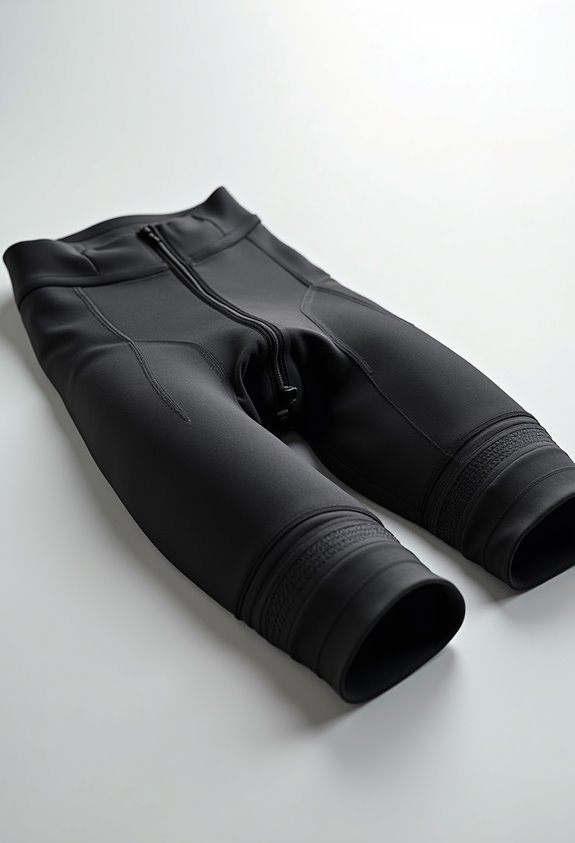
Leg warmers, on the other hand, are thicker, footless fabric tubes worn on the lower legs. Common materials include cotton and synthetic fibers for moisture management. They vary in length, from ankle to below the knee, and can also extend higher on the thighs for different activities. Both types are stretchy and designed for layering, ensuring comfort and versatility. Many cyclists prefer to use thermal insulation effectiveness to retain body heat during colder rides.
Primary Functions and Benefits

When we consider the primary functions and benefits of arm and leg warmers, it’s clear that they play a significant role in enhancing our performance during various physical activities.
Temperature Regulation
Arm and leg warmers provide essential insulation, helping us maintain ideal body temperature in cool conditions. This adaptability allows us to easily adjust our layers, preventing overheating or excessive cooling. They’re ideal for cold starts in outdoor training, particularly in temperatures between 8°C and 15°C. Additionally, just like bike chainstay protectors, they help maintain the integrity of our gear by providing necessary protection against wear.
Muscle Support
Warmers keep our muscles supple by retaining heat, which improves flexibility and minimizes muscle strain. They offer gentle compression that enhances blood circulation, reducing stiffness and fatigue. By stabilizing our limbs and joints, they lower the risk of injuries from cold, less elastic muscles, ensuring we’re protected during vigorous activities.
Recommended Products

Package includes: you will receive 4 items in one package in total, including 2 pieces of thermal arm sleeves and 2 pieces of compression leg sleeves. The combination is an effective way to save your arms and legs, bringing you warmth in the cold winter

What you will receive: we will provide you with 4 pieces cycling leg warmers in black color, which can easily match your daily wear, sufficient quantity for your daily wear and replacement needs, you can also share them with your friends and family, so you can enjoy a funny cycling experience together
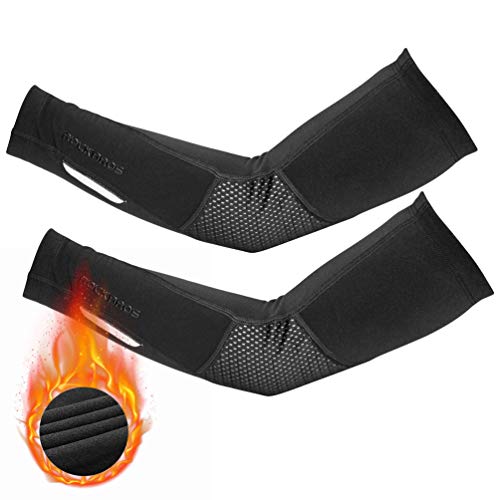
✔UNDRESSING ESSENTIALS : Free your arms from your thick sweater in Autumn & Winter.If you live in a place where it is cold(32F or more) when you start biking or running and hot an hour or two later then these are a must have.The arm warmers can be easily removed and stashed in a pocket or pack when things warm up.
Ideal Users and Activities

Understanding who benefits most from arm and leg warmers helps us appreciate their versatility across various activities and user demographics.
Target Demographics
Unisex designs dominate, appealing to both men and women. However, men’s involvement in cycling events drives growth in this segment. Women may face fit challenges since sizes often cater to average male measurements.
User Preferences
Cyclists favor leg warmers in cool conditions; runners typically prefer arm and calf warmers for flexibility. Triathletes find arm warmers beneficial during changes.
Age and Experience
Both amateurs and seasoned athletes use warmers, adapting them for temperature regulation. Older users, particularly ages 35+, report increased utility due to sensitivity to cold. Ultimately, these warmers serve various user preferences within targeted age groups and activities. Additionally, using warmers can enhance blood circulation and improve overall performance during physical activities.
Injury Prevention and Performance Enhancement

Injury prevention and performance enhancement are critical aspects for athletes at all levels. Arm and leg warmers boost injury resilience by maintaining muscle warmth, which increases elasticity, reducing strains and tears. They support dynamic warm-up protocols that enhance neuromuscular activation, improving coordination and proprioception during sudden movements.
Enhanced blood flow is another key benefit. Increased circulation delivers nutrients and removes waste, maintaining peak muscle function while reducing cramping. Additionally, gentle compression stabilizes joints and improves tendon elasticity, lowering the risk of overuse injuries. Moreover, the psychological effects of warmth contribute to performance improvement. Feeling warm increases confidence in our movements, making us less hesitant and more focused during activity. Together, these features support a thorough approach to injury prevention and performance enhancement. Furthermore, using hydration systems can further enhance endurance and overall performance during prolonged activities.
Recommended Products
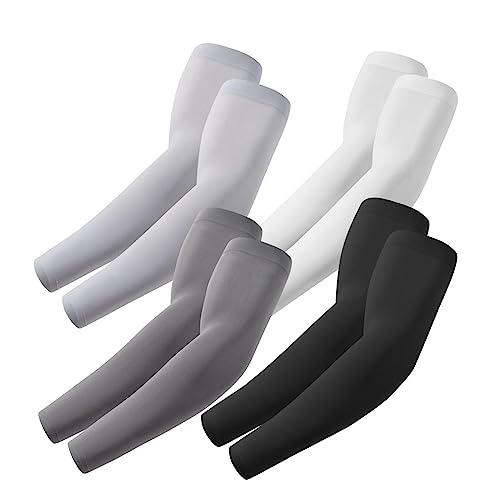
Roxun cooling arm sleeves provide a seamless, snug fit, thanks to the durable blend of 90% nylon and 10% spandex. Forget about constant adjustments or circulation issues

COOLING & UPF 50 PROTECTION: With innovative cooling and drying technology and UPF 50 protection to block out over 100% of harmful UVA and UVB rays, the outdoors' cooling sun arm sleeves will give cooling and icy feel to save you from the sticky and annoying heat during long hours under the sun.

FOR ALL SPORTS & OUTDOOR ACTIVITIES - Shinymod arm sleeves will keep you comfortable whether you're golfing, fishing, playing basketball football volleyball, cycling, hiking, driving, or even gardening. Expect ultimate comfort and protection wherever adventure takes you.
Material and Design Considerations

Recommended Products

All-Season Comfort: Made from soft, breathable polyester fabric, these arm sleeves help keep you warm in cool weather and cool when temperatures rise—ideal for year-round wear.

ULTIMATE Sun Protection: Designed with UV protective fabric to help shield your skin during outdoor activity. Ideal as sun sleeves for men and women for running, cycling, golf, and everyday use under direct sunlight.

Whether you’re wearing arm sleeves for sun protection, support during sports & exercise, or to cover tattoos at work, you need arm guards that are comfortable & easy to wear. But many arm covers for women & men either cut off circulation or roll down your arms constantly. At Sportstrail, our cooling arm sleeves feature a seamless design & highly durable 90% nylon, 10% spandex material that forms to your arm like a glove – for a perfect 360° fit.
Material and Design Considerations
Material and design considerations are pivotal when selecting arm and leg warmers, as they directly influence performance and comfort.
Material Properties
Different fabrics serve varying purposes. Wool—like alpaca—offers insulation and breathability. Cotton blends with cashmere provide softness but may lack moisture-wicking efficiency. Synthetic fabrics, such as elastane blends, excel in stretch and thermal performance.
Design Innovations
Design features enhance function and fit. Elastic materials are essential for snugness, while silicone grippers prevent slippage during movement. Length varies, accommodating activities from cycling to dance. Tube-shaped sleeves and seamless knitting minimize chafing.
Effective moisture management guarantees comfort, with natural fibers absorbing sweat while synthetic options dry rapidly. Choosing the right blend balances softness, durability, and performance, essential for diverse activities. Additionally, breathable materials in cycling shoes can enhance overall comfort when combined with warmers during colder rides.
Cultural and Fashion Impact
The impact of arm and leg warmers extends far beyond their practical use in sports and dance; they have evolved into significant cultural and fashion statements. Initially rooted in utilitarian needs, leg warmers shifted from fisherman’s garments to essential items in dance culture, helping create a cultural evolution in athletic wear.
During the 1980s, as part of the aerobics boom, they gained fashion icon status. Bright colors and unique patterns made them emblematic of the decade’s vibrant spirit.
Today, we see a fashion resurgence as they reappear in contemporary styles, often celebrating nostalgia. This trend showcases the enduring nature of leg warmers, reaffirming their role in both performance culture and the broader fashion landscape, emphasizing gender fluidity and creative expression. Furthermore, their durability and care instructions reflect a practical consideration that enhances their appeal among athletes and fashion enthusiasts alike.
When to Use Arm and Leg Warmers
Usage Scenarios
Arm and leg warmers are ideal during warm-ups. They effectively increase muscle temperature before high-intensity activity. In cool weather, they provide warmth without the bulk of full jackets. During endurance events, such as early morning marathons, they manage fluctuating temperatures effectively. Additionally, wearing waterproof overshoes can complement the use of warmers by ensuring your feet stay dry and comfortable.
Temperature Management
Using warmers allows for convenient adjustment. They can be removed easily if the weather warms up. Their moisture-wicking materials keep the skin dry, helping to regulate body temperature.
Post-Activity
Wearing warmers post-exercise aids circulation and muscle recovery, reducing soreness and speeding up recovery time. Compression properties enhance blood flow, further supporting overall performance. Therefore, integrating warmers into our routine enhances comfort and efficiency.
Recommended Products

LIGHTWEIGHT & BREATHABLE – The GripGrab Light bike riding arm sleeves convince with their low weight and high breathability; Ideal when you cycle in spring, autumn and on cold summer days


* Condition: Brand New and Never used.Material:Fine silk Breathable Quick dry
Frequently Asked Questions
Can Arm and Leg Warmers Help With Specific Medical Conditions?
Yes, arm warmers and leg warmers can help manage conditions like arthritis, fibromyalgia, and peripheral artery disease. They promote circulation, reduce stiffness, and alleviate pain, enhancing our comfort and mobility while supporting overall well-being.
How Do I Properly Care for My Arm and Leg Warmers?
Caring for our warmers is like nurturing a plant; we must follow care instructions closely. Washing tips include using cool water and gentle detergents, ensuring longevity while keeping our cozy companions in top shape.
Are There Different Sizes for Arm and Leg Warmers?
Yes, there’re different sizing options for arm and leg warmers. When selecting, we should follow fit guidelines, taking our measurements for accurate sizing. This guarantees comfort and peak performance during our activities.
Can I Use Warmers for Activities Other Than Sports?
Absolutely, we can use warmers for activities beyond sports! They make stylish fashion accessories while aiding in temperature regulation, keeping us comfortable during outdoor chores, casual outings, or even fitness routines in cooler weather.
Are There Eco-Friendly Options for Arm and Leg Warmers?
Yes, there’re eco-friendly options for arm and leg warmers. We can choose brands that utilize sustainable materials and ethical manufacturing practices, ensuring we feel good about our choices while supporting the planet.