As an Amazon Associate, we earn from qualifying purchases. Some links on this site are affiliate links at no extra cost to you. Our recommendations are based on thorough research and editorial judgment.

What Are the Safety Differences Between Road and Mountain Bike Helmets?

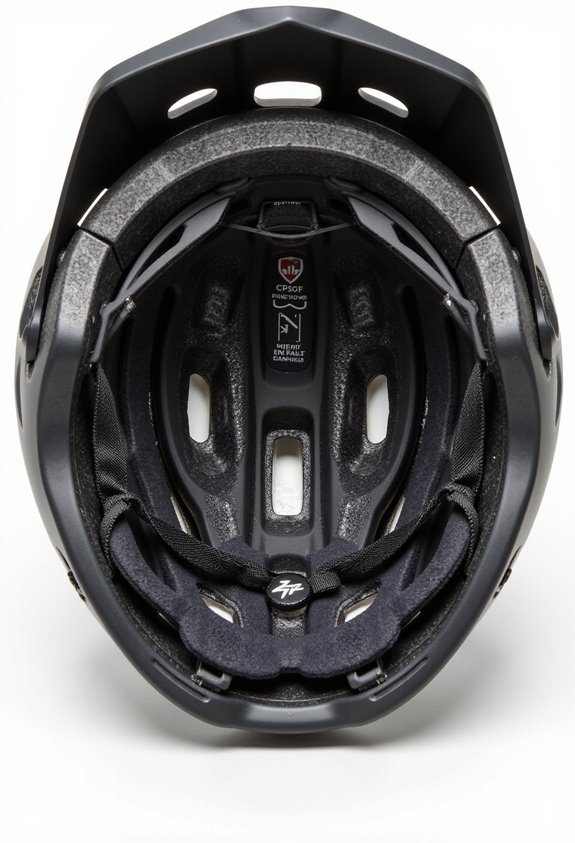
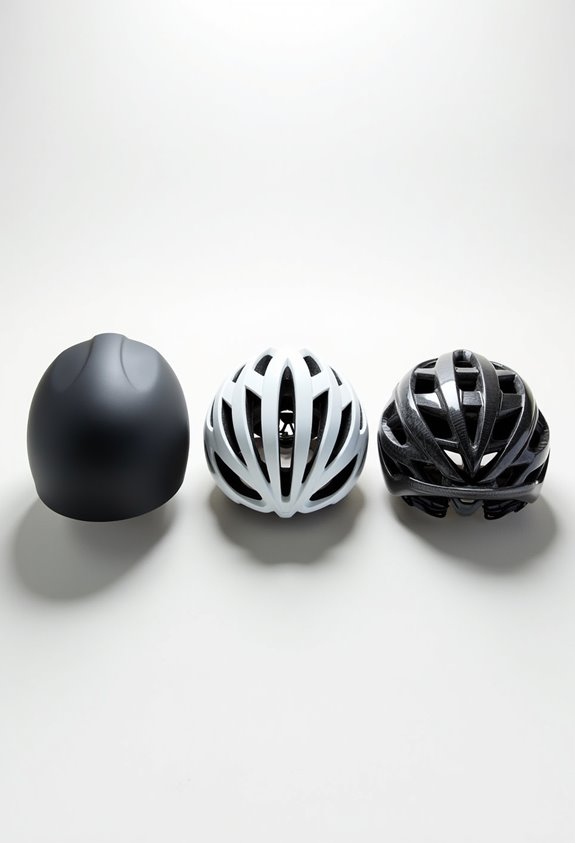
When comparing road and mountain bike helmets, we see distinct safety differences. Road helmets emphasize linear impact protection and aerodynamics, while mountain helmets prioritize coverage for diverse impacts and angles. Mountain helmets include reinforced structures for off-road safety and might feature MIPS to reduce concussion risks. Ventilation varies as road helmets have larger vents for airflow, whereas mountain helmets contain smaller vents for debris protection. Let’s explore these contrasts further to understand better which helmet suits your riding style.
Key Takeaways
- Mountain bike helmets offer extended coverage for impacts from diverse angles, enhancing protection in off-road scenarios.
- Road helmets typically prioritize linear impact absorption, suited for smooth surfaces and high-speed riding.
- Mountain helmets are certified under additional standards like ASTM F1952, catering to off-road collision risks.
- Road helmets often incorporate MIPS technology to mitigate concussion risks from angled impacts common on the road.
- The structural design of mountain helmets is bulkier, providing increased safety features compared to the lightweight, aerodynamic focus of road helmets.
Design and Coverage Differences
You may be interested


10 Best Bike Backpacks for Every Type of Cyclist in 2026
February 21, 2024

When comparing road and mountain bike helmets, we notice significant design and coverage differences that directly affect rider safety. Road helmets typically feature an aerodynamic shape that prioritizes airflow and speed. They mainly cover the top of the head, minimizing material to reduce weight and enhance performance.
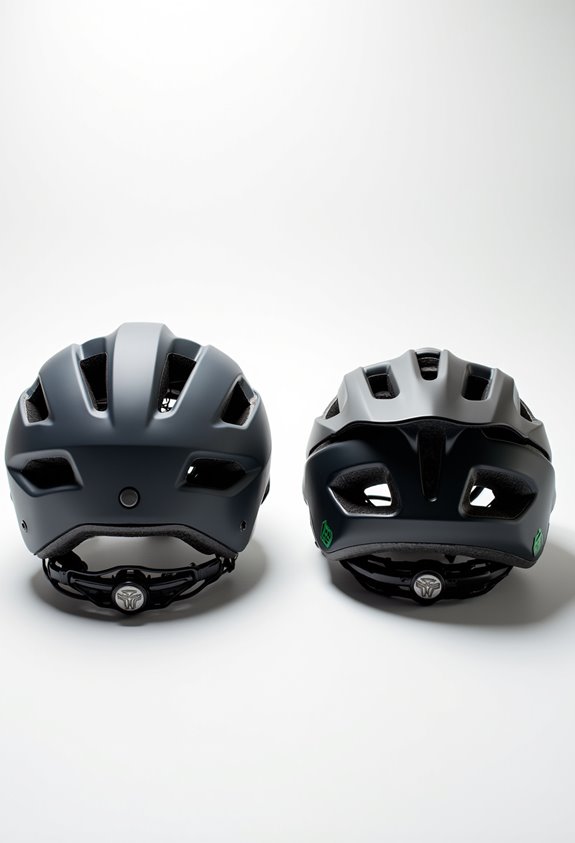
In contrast, mountain bike helmets provide extended coverage, enveloping the back and sides with a lower cut. This design is essential for protecting against various impacts on uneven terrain. The bulkier structure of mountain helmets offers reinforcement against potential falls and obstacles, ensuring more extensive protection. Additionally, they often come with built-in visors, enhancing visibility on challenging trails. These differences highlight how each helmet type is tailored to specific riding environments and safety needs. Furthermore, mountain bike helmets often incorporate MIPS technology to reduce rotational forces upon impact, further enhancing safety for downhill riders.
Recommended Products

INTEGRATED MIPS BRAIN PROTECTION SYSTEM — All Giro helmets are designed to reduce as much energy as possible while meeting and exceeding stringent safety standards. The goal of Giro's Integrated Mips-equipped helmets is to reduce rotational forces while enhancing fit and comfort by combining the Mips slip plane with the helmet's adjustable fit system.

MARKET LEADING PROTECTION: Engineered in Giro's category leading helmet test lab.

SAFETY FIRST: Our best performance mountain bike helmet complies with U.S. CPSC, ASTM F1447 and E.U.CE Safety Standard for Bicycle Helmets, offer the versatility you need to ride everything from fire-road adventures to swooping single track trails, Maximum protection for your safety
Ventilation and Weight
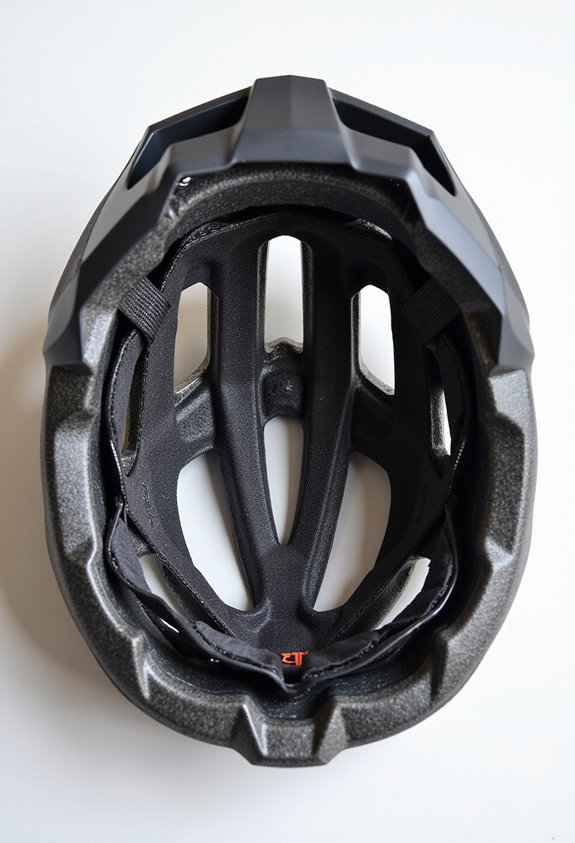
Understanding helmet ventilation and weight is essential for ensuring rider comfort and safety. Road bike helmets typically feature larger and more numerous vents, enhancing ventilation efficiency. This design allows for continuous airflow, vital during long rides. Conversely, mountain bike helmets have smaller vents, protecting against debris while sacrificing some airflow.
In terms of weight distribution, road helmets are engineered to be lighter, often weighing around 235 grams, making them more aerodynamic. Mountain helmets tend to weigh more due to structural reinforcements. This added weight provides protection but can contribute to fatigue over long distances. Ultimately, the choice between road and mountain helmets involves balancing ventilation and weight to suit different riding conditions and safety needs. Additionally, helmets with integrated technologies like MIPS can enhance impact management and overall safety.
Impact Protection Focus
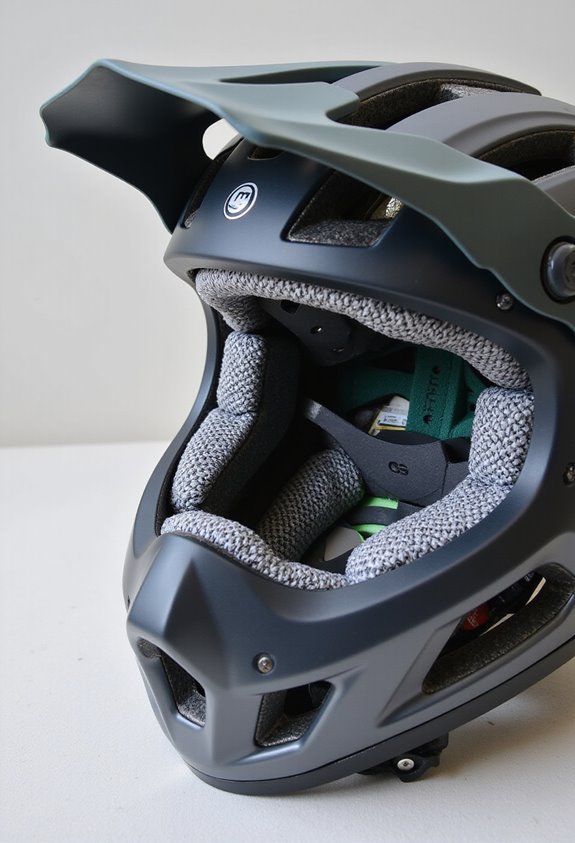
The focus on impact protection sets road and mountain bike helmets apart, emphasizing their distinct design considerations. Mountain bike helmets offer extended coverage and robust materials to manage diverse impact directions, like tree collisions and oblique falls. This design is critical for unpredictable crash scenarios seen off-road. Conversely, road helmets prioritize aerodynamics, concentrating on protecting against linear impacts commonly experienced on flat surfaces. These helmets generally have less coverage behind the ears and neck. Both helmet types may include advanced technologies, such as MIPS, to reduce rotational forces that can contribute to brain injuries. However, mountain bike helmets emphasize these features more due to frequent complex impact situations inherent in off-road riding. Additionally, considering the IP65 rating for waterproof bike lights can enhance visibility during rides in adverse weather conditions.
Recommended Products

Built for any trail: Big berms, rock gardens or flowy rollers – no matter the trail, get after it with confidence in the Smith Engage mountain bike helmet


Comfortable and Lightweight: This mtb helmets for adults made of lightweight material, the inner pad use of breathable material to wear comfortably. The adoption of specialized aerodynamic and ventilation design allow air go through the women's helmets which help increase the speed and keep stay cool.
Safety Standards and Testing

To guarantee helmets protect riders effectively, various safety standards and testing protocols are applied, highlighting the differences between mountain and road bike helmets. Mountain bike helmets are certified under standards like CPSC, ASTM F1952, and EN 1078. These focus on rugged terrains and include impact, penetration, and retention tests. In contrast, road bike helmets also meet CPSC and EN 1078 standards, focusing primarily on high-speed impact protection.
Testing protocols differ markedly. Mountain bike helmets undergo rigorous penetration tests for sharp impacts, while road helmets emphasize impact absorption for falls on asphalt. Both types are evaluated for retention system effectiveness, ensuring they stay secure during impacts. Overall, safety certifications and testing protocols reflect the unique challenges each helmet type faces. Additionally, advanced MIPS technology is often integrated into mountain bike helmets to enhance protection against rotational impacts.
Safety Features and Technologies
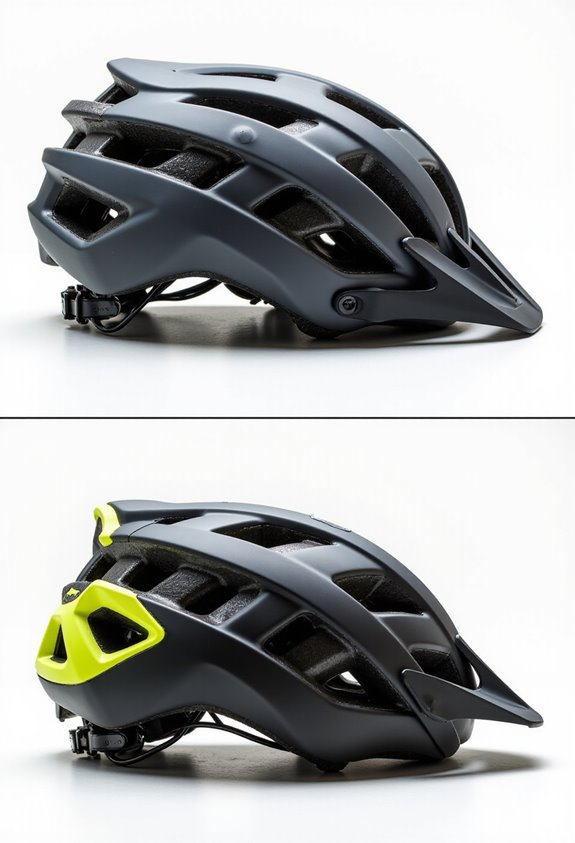
Safety features and technologies in bike helmets are critical to protecting riders across various cycling disciplines. Road helmets often incorporate the Multi-directional Impact Protection System (MIPS) to mitigate rotational forces during angled impacts, reducing concussion risks. In contrast, mountain helmets may have similar technologies, though they often lack independent verification; many use dual-density foam for impact absorption.
Additionally, mountain bike helmets generally provide extended coverage for diverse collision angles, while road helmets emphasize protection for the top and front of the skull. Reinforced shell designs in mountain helmets enhance durability against obstacles, whereas road helmets prioritize lightweight, aerodynamic structures. Together, these features contribute to their respective safety profiles tailored for specific cycling environments. Moreover, many advanced helmets now include integrated lighting features for improved visibility during low-light conditions.
Recommended Products

Mips added protection system has been proven to reduce the rotational motion when implemented in a helmet by absorbing and redirecting energies and forces
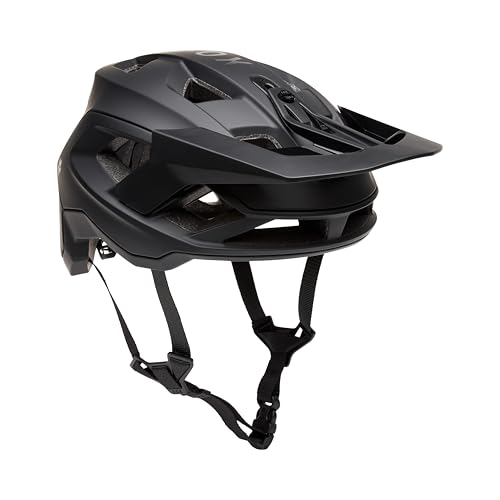
Mips added protection system has been proven to reduce the rotational motion when implemented in a helmet by absorbing and redirecting energies and forces

Sport type: Cycling
Functional Differences Related to Riding Environment
When choosing between road and mountain bike helmets, it’s essential to understand how their functional differences relate to the riding environment.
Coverage and Protection
Mountain bike helmets feature extended coverage at the back and sides, vital for the unpredictable terrain variability in off-road trails. They often include full-face designs for downhill riding, maximizing facial protection during falls. In contrast, road helmets emphasize forward coverage with minimal rear and side protection, focusing on frontal impacts typical on smooth roads. Additionally, mountain bike helmets often have enhanced durability to withstand impacts from falls on rugged terrain.
Ventilation and Design
While road helmets prioritize aerodynamics and ample ventilation for long rides, mountain bike helmets incorporate fewer vents, maintaining protection. This design accommodates the rider’s posture and the slower speeds associated with technical trails, allowing for adequate airflow without compromising safety.
Choosing the Right Helmet for Your Riding Style
How do we guarantee we’re choosing the right helmet for our riding style? First, we need to reflect on our riding preferences. Mountain biking requires a helmet with extended coverage and stability, designed to protect us against off-road impacts. In contrast, road biking demands lightweight, aerodynamic helmets that emphasize ventilation and comfort for high-speed rides.
Next, proper helmet fitting is vital. We should try on multiple options to make certain the helmet securely fits our head. Look for features like adjustable straps and retention systems, which are important for safety. Ultimately, the choice will depend on our specific riding conditions, the level of protection needed, and comfort preferences. By aligning our helmet selection with our riding style, we enhance our safety on the road or trail. Additionally, selecting a helmet that meets safety certifications ensures reliable protection during rides.
Recommended Products

Dual-Shell Integrated Molding for Maximum Safety: Unlike standard helmets, FAVOTO uses an innovative dual-layer PC shell structure designed to absorb and disperse impact forces. Our side-by-side comparison shows superior impact resistance compared to single-shell helmets — engineered for trail crashes, tree branches, and off-road falls.

CPSC SAFETY PROTECTION: Our adult bike helmet meets U.S. CPSC standards and uses a high-density EPS foam core paired with a durable PC outer shell. These materials are fused with in-mold construction, creating a strong one-piece design that absorbs impact efficiently and provides reliable all-around protection. The helmet’s mountain-ready shape offers deeper coverage at the back and sides, giving you added safety on rough trails and steep terrain.
SAFETY FIRST: Our best performance mountain bike helmet complies with U.S. CPSC, ASTM F1447 and E.U.CE Safety Standard for Bicycle Helmets, offer the versatility you need to ride everything from fire-road adventures to swooping single track trails, Maximum protection for your safety
Frequently Asked Questions
Can I Use a Mountain Bike Helmet for Road Cycling?
Yes, we can use a mountain bike helmet for road cycling. While it provides extra coverage, it might not optimize aerodynamics for road cycling techniques, so comfort and performance could be affected during longer rides.
Are There Specific Brands Recommended for Road or Mountain Helmets?
When it comes to brand comparisons, we recommend Specialized and Giro for road helmets, and Fox Racing and Bell for mountain helmets. Each offers unique safety features suited to their specific riding environments, ensuring our protection.
How Often Should I Replace My Bike Helmet?
We should replace our bike helmets every 3 to 5 years, following manufacturer guidelines. To guarantee helmet longevity, regular inspections for damage are essential, especially after any impact or prolonged exposure to harsh elements.
Do Colors and Designs Affect Helmet Safety?
We’ve seen that color visibility and design impact play vital roles in helmet safety. Bright colors catch eyes, while thoughtful designs enhance recognition, ultimately keeping us safer on those winding paths and bustling streets.
Can I Customize My Helmet Fit for Different Head Shapes?
Yes, we can customize our helmet fit for different head shapes through helmet sizing and various fit adjustments like straps, padding, and retention systems, ensuring excellent comfort and protection while we ride.