As an Amazon Associate, we earn from qualifying purchases. Some links on this site are affiliate links at no extra cost to you. Our recommendations are based on thorough research and editorial judgment.


How Does a CO2 Inflator Work and When Should I Use One?

A CO2 inflator works by releasing pressurized carbon dioxide to rapidly inflate tires. It’s crucial when we face punctures, as it provides inflation in about 1.5 seconds. The mechanism involves high-pressure liquid CO2 converting to gas, controlled through a valve. We should use an inflator for quick, emergency repairs, particularly for tubeless tires needing precise pressure. Understanding this tool’s function and proper usage is essential for effective cycling. More insights follow on CO2 inflators’ benefits and care.
Key Takeaways
- A CO2 inflator rapidly releases high-pressure liquid CO2 that expands into gas, inflating tires in about 1.5 seconds.
- It is ideal for emergency repairs where quick tire inflation is necessary, especially for tubeless tires.
- The compact design allows easy storage in pockets or saddle bags, making it convenient for cyclists.
- Use it in cold or wet conditions where manual pumping is less effective and time-consuming.
- Ensure you’re aware of the cartridge’s single-use nature and consider carrying extras for multiple punctures.
Understanding the Components of a CO2 Inflator
You may be interested

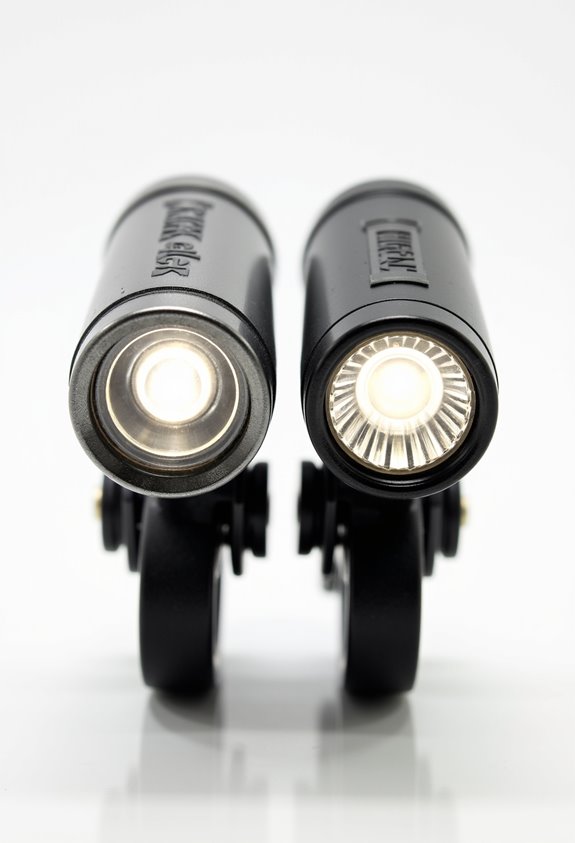
Safety features like integrated pressure regulators prevent over-inflation, and neoprene sleeves provide insulation from the cold gas released. These technical elements culminate in an ergonomically designed tool, enhancing user experience while ensuring reliability during critical inflation tasks. Understanding these components helps us appreciate the sophisticated engineering behind each inflator. Additionally, many inflators utilize user-friendly control valves that allow for precise adjustments during inflation.
The Mechanism Behind CO2 Inflation

When we talk about the mechanism behind CO2 inflation, it is essential to understand the rapid expansion of compressed CO2 gas. CO2 is stored in cartridges as a high-pressure liquid. When we puncture the cartridge, it expands quickly into gas, creating high-pressure flow into the tire. This results in instantaneous inflation, typically within 1.5 seconds, showcasing effective inflation dynamics.
The inflator’s release mechanism, like a twist knob or trigger, allows us to control the gas flow rate, enabling precise inflation. During this process, gas thermal effects cause significant cooling of the cartridge, sometimes leading to frost formation. Awareness of these dynamics and effects guarantees we use CO2 inflators effectively and safely, avoiding potential hazards. Additionally, understanding the importance of high-pressure flow during inflation can enhance our overall cycling experience.
Step-by-Step Process of Using a CO2 Inflator

Using a CO2 inflator is straightforward, but it does require attention to detail. First, we confirm the tube is partially inflated and positioned correctly within the tire. After mounting the tire, we verify the bead is seated evenly before inspecting for sharp objects.
Next, we securely attach the inflator to the valve stem, avoiding any leaks. For threaded cartridges, we screw it into the inflator until resistance is felt. Once connected, we carefully puncture the cartridge to release CO2.
During inflation, we monitor closely to avoid overfilling. After inflation, we unscrew the cartridge and check the tire’s seating. Finally, we store the empty cartridge responsibly, applying proper installation techniques and knowing troubleshooting tips can enhance our experience. Remember that proper disposal methods are essential to prevent environmental harm and comply with safety standards.
Recommended Products

SMALL BIKE PUMP: The SILCA ELETTRICO Ultimate air pump for bikes can inflate 8-9 road tires or 3-5 gravel MTB tires per charge, equivalent to over 9 CO2 cartridges, with precise digital control from 3 to 100 PSI in 1 PSI increments.

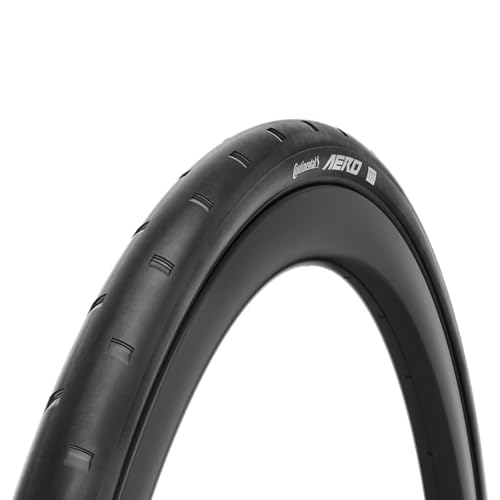
Reduced Aerodynamic Drag: Vortex Generators minimize drag of the entire wheel-tire-system
Advantages of Using a CO2 Inflator

CO2 inflators offer several significant advantages that enhance the cycling experience.
Speed Efficiency
They inflate tires in mere seconds, typically around three. This rapid inflation allows us to quickly resume riding, minimizing downtime and maintaining momentum during our journey or competition.
Portability Benefits
The compact, lightweight design of CO2 inflators allows them to fit easily into our jersey pockets or saddlebags. This makes them perfect for cyclists who prefer minimal gear setups.
Weather Independence
Regardless of weather conditions, CO2 inflators perform consistently. They eliminate the need for manual pumping, a distinct advantage in cold or wet environments. Additionally, many foot bike pumps are designed for high-pressure capabilities, making them a reliable option for various tire types.
Disadvantages and Limitations of CO2 Inflators

While CO2 inflators provide numerous advantages, it’s important to recognize their disadvantages and limitations as well.
Environmental Concerns
These inflators rely on single-use cartridges, generating waste that contributes to pollution. Their non-recyclable nature raises sustainability issues, especially for frequent users.
Economic Impact
Each cartridge costs between $1 and $2, leading to significant long-term expenses. Hand pumps offer indefinite reuse, making CO2 inflators less economical for everyday cycling.
Performance Issues
Rapid CO2 discharge causes extreme cold, impacting handling and comfort during inflation, particularly in colder temperatures. Tires filled with CO2 lose pressure faster than those filled with air, requiring follow-up inflation.
Control Limitations
Limited control over air release can cause over or under-inflation. Poor connections may lead to valve damage or leaks, compromising effectiveness and wasting cartridges.
Practical Drawbacks
Multiple punctures require extra cartridges, increasing weight and bulk. CO2 inflators don’t replace traditional pumps for sustained maintenance, leaving riders vulnerable without cartridge supplies. Additionally, relying solely on CO2 can compromise tire pressure maintenance, making it essential to have a reliable manual pump on hand.
Ideal Situations for CO2 Inflator Use
In situations where quick responses are vital, CO2 inflators prove invaluable for cyclists. These devices facilitate emergency repairs by enabling rapid tire inflation, typically in seconds, which is fundamental, especially during races. Their compact design allows us to carry them easily in jersey pockets or saddle bags, saving us from unnecessary downtime.
Additionally, some models provide precision inflation control, which prevents over- or under-inflation. This is critical in ensuring ideal tire pressure for safety and performance, particularly for road and mountain bikes. They enable gradual inflation, conserving CO2 for future use, and are effective for tubeless tires that necessitate specific pressures. Aero handlebars also require precise tire pressure to optimize performance, making CO2 inflators an essential tool for serious cyclists. Whether on a long ride or at a race, CO2 inflators offer essential convenience and efficiency.
Recommended Products

TOP-QUALITY BIKE PUMP - Featuring a unique chambered design, the Pressure Over Drive bicycle floor pump is ideal for seating even the most stubborn tubeless tires; The manually pressurized secondary chamber can be pumped up to pressure enabling a stainless steel foot-lever to release the compressed air in an immediate, continuous discharge, quickly and easily seating the tire bead

Practical storage bag: This EVOC bike bag is a practical alternative with various attachment options and offers an additional 1 litre of storage space.

Motorcycle trail tool kit with puncture repair kit.
How CO2 Inflators Compare to Mini Pumps
When evaluating inflators for cycling, we must compare the advantages and limitations of CO2 inflators against mini pumps.
Portability Comparison
CO2 inflators are compact, often fitting easily in a jersey pocket, while mini pumps, especially electric ones, can be bulkier.
Weight Differences
Typically, CO2 systems weigh less than standard mini pumps. However, if multiple cartridges are carried, this benefit may lessen.
Inflation Speed
CO2 inflators deliver rapid inflation, filling tires in under a minute. In contrast, mini pumps require more time and effort, making them less ideal for urgent situations.
Usability Factors
While CO2 inflators are quick and easy to use, their reliance on cartridges poses limitations, unlike mini pumps that function without running out of supply. Additionally, using a CO2 inflator can provide protection against handlebar damage, enhancing the overall cycling experience by ensuring that your bike remains in optimal condition during rides.
Recommended Products

NitroAir is the first pre-filled cartridge loaded with compressed nitrogen gas for use with N2-designated airguns. Umarex's NitroAir is the most revolutionary, innovative, and convenient solution for high pressure airguns.

Material: 1000D nylon

16 Gram Unthreaded Cartridges
Tips for Effective CO2 Tire Inflation
CO2 tire inflation requires specific techniques to guarantee efficiency and safety. First, we must choose the right cartridge size for our tire type—16g for road tires, 20g for mountain bikes, and 25g for fat bikes. Before inflating, let’s remember to screw the inflator firmly onto the valve to secure an airtight seal.
Safety precautions are vital, too. We should control the valve to avoid overinflating. Additionally, wearing gloves can protect our fingers from the cold that comes from rapid gas expansion. After inflating, a follow-up with a proper air pump is essential for maintaining the tire pressure. By following these inflation techniques, we can guarantee a successful and safe inflation process every time we hit the road or trail. Additionally, using a mini bike pump after CO2 inflation can help ensure optimal tire pressure for better performance.
Recommended Products


MADE FOR HIT-AIR 50CC VESTS: Designed for Hit-Air vests requiring 50cc CO2 cartridges, including all size HDS, all size MX9, MLV size small, MLV2 size small, MLV3 in sizes x-small and small, VHR in sizes small and medium, ST size small, VH in sizes small and medium, H2 in sizes x-small, small, medium. Models update every few years. Please contact if you have a previous system for assistance.

MADE FOR HIT-AIR 60CC VESTS: Works with all Hit-Air vests that use CO2 cartridges—perfect for riders who need quick, dependable replacements.
Environmental Considerations
Understanding the environmental considerations of CO2 inflators is essential as we seek efficient and responsible cycling practices.
Carbon Footprint
While CO2 cartridges result in minimal net emissions during use, we must acknowledge the carbon footprint from manufacturing these cartridges. They require resources and energy, contributing to environmental impact beyond the gas itself.
Sustainability Practices
To mitigate waste, we should advocate for cartridge recycling programs. Proper disposal prevents environmental harm from non-biodegradable materials.
Usage Responsibility
For solo cycling, infrequent CO2 use may match the environmental cost of hand pumps. However, in group rides, carrying extra cartridges can lead to increased waste. Additionally, the lightweight materials used in bike accessories can influence overall sustainability efforts.
Ultimately, promoting sustainable practices in CO2 inflator use aligns our cycling with responsible environmental stewardship.
Maintenance and Care for CO2 Inflators
To guarantee our CO2 inflators work effectively and reliably, proper maintenance and care are essential.
Storage Guidelines
We should store CO2 cartridges partially threaded into the inflator. This prevents accidental puncturing. Keeping them in a cool, dry place protects the inflator and cartridges. Avoid using fully punctured or leaking cartridges.
Cleaning Tips
After each use, we must clean the inflator head to remove CO2 residue. This prevents jams. Inspect and maintain rubber seals or O-rings regularly. If we notice any wear, replace them promptly. Additionally, ensuring that our inflators are free from harsh chemicals can prolong their lifespan.
Lastly, lubricate threaded connections sparingly with silicon grease if stiff. By following these steps, we can verify our CO2 inflators remain functional and ready for use when needed.
Recommended Products
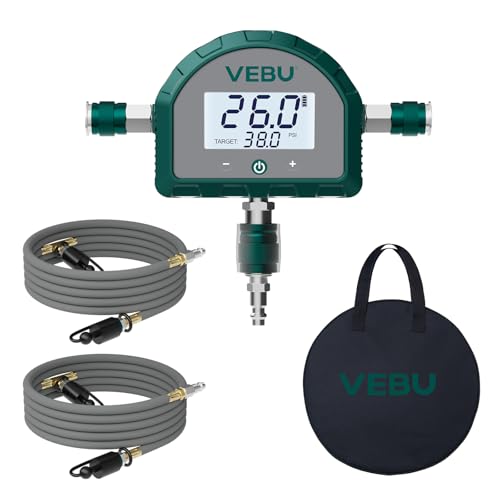
This tire inflation and deflation manifold kit, paired with the the 1/4" I.D. hybrid air hose, ensures high airflow rates,enabling you to inflate or deflate four tires in minutes. The air pressure controller equalizes tire pressure simultaneously, enhancing safety and providing precise handling for every drive. The 4-way tire inflation and deflation hose system allows effortless tire pressure adjustment for superior on- and off-road performance

ULTRA QUIET PERFORMANCE: The California Air Tools Ultra Quiet & Oil-Free Air Compressor operates at only 60 decibels, making it one of the quietest air compressors available. Perfect for indoor use and noise-sensitive environments. Airflow is 3.10 CFM at 40 PSI and 2.20 CFM at 90 PSI.

High quality tool roll with tool set.
Frequently Asked Questions
How Long Does a CO2 Cartridge Last After Use?
A CO2 cartridge typically lasts only 24 hours post-use before risking inflation performance due to seal deformation. To maximize cartridge lifespan, let’s always remove spent cartridges promptly and maintain our equipment properly.
Can I Reuse a CO2 Cartridge After It’s Been Punctured?
We can’t reuse a punctured CO2 cartridge due to safety concerns and lack of refill options. It’s essential to prioritize CO2 cartridge safety and always opt for new cartridges to guarantee reliable performance and avoid potential hazards.
What Pressure Should I Inflate My Tire To?
Think of our tires as the foundation of a house; we should inflate them to ideal tire pressure, typically 28-36 PSI. Using a tire pressure gauge regularly guarantees our ride remains safe and smooth.
Are There Compatible CO2 Inflators for Different Tire Types?
Yes, there’re CO2 inflators designed for various tire types. We should guarantee CO2 compatibility by selecting inflators that accommodate both Presta and Schrader valves, as well as those suited for different cartridge sizes.
Can CO2 Inflators Work in Extreme Temperatures?
We can rely on CO2 inflators even in extreme temperatures, but temperature effects can challenge inflation reliability. By choosing the right inflator and practicing smart storage, we’ll conquer the cold together, ensuring a smooth ride!