As an Amazon Associate, we earn from qualifying purchases. Some links on this site are affiliate links at no extra cost to you. Our recommendations are based on thorough research and editorial judgment.

How Do Aero Helmets Improve Cycling Performance?

Aero helmets noticeably enhance cycling performance by reducing aerodynamic drag, which is essential for efficient riding. They can decrease drag by 2.4% to 12%, resulting in time savings of 30–60 seconds per hour. These helmets save around 15 watts during sustained efforts, promoting better endurance. Additionally, advanced ventilation designs guarantee cooling during intense activities. With innovative safety features and materials, aero helmets balance performance with rider protection. If you explore further, you’ll discover even more about their benefits and technologies.
Key Takeaways
- Aero helmets reduce drag by optimizing shape, saving cyclists 15 watts and improving overall cycling efficiency during sustained efforts.
- Enhanced aerodynamic design can lead to significant time savings, allowing cyclists to finish races faster with less exertion.
- Improved ventilation and comfort features help maintain performance by managing body temperature and reducing sweat buildup during intense efforts.
- Safety technologies in aero helmets, like impact absorption and reduced rotational forces, enhance rider protection without compromising performance.
- The combination of aerodynamic efficiency, comfort, and safety innovations creates a better overall cycling experience while positively impacting race outcomes.
Understanding Aerodynamics in Cycling
You may be interested


Aerodynamics plays an essential role in cycling performance, influencing how efficiently we move through the air. Key aerodynamic principles guide the design of our cycling posture. A cyclist’s position notably alters their effective frontal area (EFA), which directly affects drag. When we adopt a more aerodynamic stance, we reduce both our frontal area and drag coefficient (Cd).
This reduction is vital, as approximately 80% of drag originates from our bodies, not our bikes. At higher speeds, the impact of drag increases exponentially. For instance, doubling our speed can raise drag force by three to four times. As we optimize our positions and equipment, we create smoother airflow around us, ultimately leading to better performance and less energy expenditure. Moreover, using an aero road helmet can significantly enhance aerodynamic efficiency, further reducing drag and improving speed.
The Role of Drag Reduction

Reducing drag is vital for enhancing our cycling performance. Aero helmets leverage advanced helmet technologies to meaningfully minimize drag compared to standard helmets. Studies show reductions ranging from 2.4% to 12%, translating to time savings of 30–60 seconds per hour in ideal conditions.
The coefficient of drag (Cd) for aero helmets increases more slowly with speed, enhancing efficiency. Design features like tapered tails and smooth surfaces help maintain attached airflow, reducing pressure drag. Additionally, many of these helmets incorporate advanced technologies such as MIPS, which provide enhanced safety and performance during rides.
Aerodynamic testing confirms that maintaining a proper helmet pitch angle is essential for maximizing these benefits. When positioned horizontally, drag decreases. Consequently, achieving a superior riding position, alongside sophisticated helmet designs, allows us to conquer the aerodynamic forces holding our performance back.
Recommended Products

SHELL: Multi-layered Ultra-TCT shell combines fiberglass, aramid and poly-resin fibers which minimize weight while maximizing strength and impact dispersal. Aero-tuned shell sculpture helps reduce aerodynamic drag, improve balance, and maximize mobility. Advanced multi-layer EPS provides superior energy absorption and channels for increased airflow. Aero-Tuned ventilation features a Ram-Air intake system, 4 port exhaust spoiler system and EPS channels for an optimal flow-thru effect.

Designed for maximum aerodynamics and ventilation with huge airflow ports for tri and TT. Magnetic vent cover and visors included. Light weight with great fit.
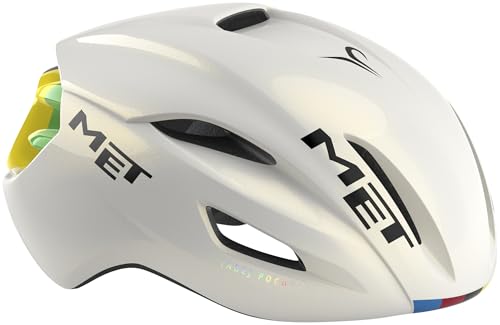
LIFT THE VEIL ON SPEED: Sleek, aerodynamic and boasting a limited-edition design inspired by the coveted UCI World Championships rainbow jersey, this helmet delivers high-performance protection, with a MIPS-C2 system to protect against rotational impacts.
Energy Savings in Sustained Efforts

When we think about enhancing our cycling performance, energy savings become a critical factor, especially during sustained efforts. Aero helmets notably boost our energy efficiency, allowing us to maintain higher speeds with less power. For example, upgrading to an aero helmet can save around 15 watts during sustained efforts, which is considerable over long distances.
- These savings translate to improving performance metrics, helping us compete better in events like time trials.
- Additionally, small gains in time or speed compound throughout a ride, enhancing our overall endurance.
- By reducing fatigue, we can sustain our efforts longer and improve recovery times during races. Moreover, the advanced safety features of high-quality helmets ensure that while we maximize our performance, we remain protected during our rides.
The Importance of Ventilation

Ventilation plays a significant role in the effectiveness of aero helmets, especially during intense cycling efforts. The design and placement of vents are essential for airflow optimization. Larger vents outperform smaller ones by allowing more air to pass through, enhancing cooling capabilities. Strategically located front intake and rear exhaust vents create a flow-through system, promoting effective air movement.
Airflow at the helmet edges further supplements active ventilation, providing passive cooling. Testing shows that well-designed vents can even offer better cooling than a bare head, improving thermal comfort. Additionally, lightweight materials alongside advanced ventilation technology guarantee safety without sacrificing air movement. Ultimately, effective ventilation prevents sweat accumulation, maintaining rider comfort and performance, particularly in warm conditions. Furthermore, the weather resistance of bike accessories, including helmets, can also contribute to maintaining optimal performance during diverse conditions.
Recommended Products

SHELL: Resin-infused, Forged Carbon shell construction with all the benefits of traditional aircraft-grade carbon fiber weaves. Unlike traditional carbon fiber, the random dispersal of chopped carbon fibers (CCF) makes each ONYX, your ONYX, unique.

The Apex Series with Lite Force Carbon Matrix: Setting the Standard in Helmet Shell Technology For riders who prioritize both technology and safety, the Apex Series stands as a testament to unparalleled innovation and design. Advanced Carbon Integration: Developed from premium 12K chopped carbon strands, expertly fused into our proprietary Carbon Mat. This intricate configuration ensures optimal energy dissipation on impact from any angle, laying the foundation for unparalleled protection.

SHELL CONSTRUCTION: TCT-Ultra 3K Carbon fiber shell provides superior strength and impact dispersal properties. CAD-refined aerodynamics result in a streamlined profile and balanced footprint, minimizing both lift and turbulence for a smoother, quieter, and more stable ride. Advanced multi-layer EPS provides superior energy absorption. Strategically placed channels throughout the EPS foam provide increased airflow.
Cooling Benefits for Performance

To enhance cycling performance, maintaining ideal head cooling is crucial during intense efforts. Heat stress can greatly increase cardiovascular strain, diverting energy from muscle work and reducing our cycling power output. Studies show that trained cyclists can lose around 10% endurance in high temperatures.
Effective head cooling helps preserve energy and sustain muscle performance. Improved airflow through well-designed aero helmets can maintain thermal comfort, thereby allowing us to continue using aerobic metabolism longer. This contributes to delayed fatigue and higher sustained speeds.
Strategic vent placement optimizes both aerodynamic efficiency and cooling. While some aero helmets may have fewer vents, advances in design can guarantee sufficient cooling without compromising performance. Overall, head cooling is essential for maximizing our cycling capabilities. Additionally, incorporating high lumen outputs in lighting systems can further enhance visibility during nighttime rides, ensuring safety as you push your limits.
Weight Considerations in Aero Helmets
In considering weight when selecting an aero helmet, it’s essential to understand the trade-offs between weight, performance, and comfort. Aero helmets tend to weigh around 20-30 grams more than standard helmets, which can impact our biking experience, especially in time trials. However, newer models balance this with reduced weight, achieving totals of 270g to 310g. Material choices play a significant role in these weight trade-offs. Lightweight materials like expanded polystyrene cores and thin shells are common. Some designs sacrifice features, such as ventilation or certain safety aspects, for a lighter weight. It’s vital to note that while slight weight increases may cause fatigue over long distances, the aerodynamic advantages often outweigh these minor penalties, enhancing overall cycling efficiency. Additionally, many top helmets feature advanced ventilation systems that help keep riders cool during intense rides.
Recommended Products

MOTOGP-LEVEL RACING TECHNOLOGY – Exact replica of the AGV helmet used by professional MotoGP riders with FIM homologation for elite-level track protection.
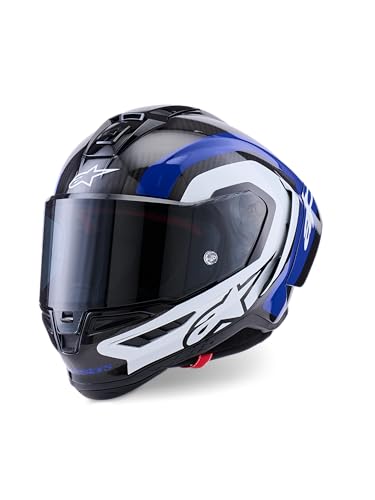
SAFETY COMPLIANCE: This Helmet meets Federal Motor Vehicle Safety Standard 218 FMVSS 218. Certified ECE R 22.06 and DOT for street and track riding use.

Race-Ready Aerodynamics - Engineered for high-speed stability with a streamlined carbon fiber shell to reduce drag and improve performance.
Comfort and Fit for Endurance
When considering endurance cycling, comfort and fit in an aero helmet greatly impact performance. Proper fit adjustments are essential for maintaining stability during long rides. Adjustable internal fit systems can reduce pressure points by evenly distributing the helmet’s weight, keeping us comfortable over extended periods.
Effective sweat management features are also vital. Helmets designed with moisture-wicking linings help move sweat away from the skin, minimizing irritation. This keeps our focus sharp by preventing sweat from dripping into our eyes.
Additionally, strategic vent placements enhance airflow, reducing heat buildup. With removable aero plugs, we can customize ventilation based on weather conditions. Overall, a well-fitted and comfortable helmet allows for sustained power output and mental clarity in endurance cycling. Furthermore, helmets with adjustable fit mechanisms provide personalized comfort and stability across various head shapes.
Safety Features of Aero Helmets
Aero helmets incorporate several safety features that enhance rider protection during cycling.
Impact Protection
These helmets often include advanced systems like MIPS (Multi-directional Impact Protection System). This technology reduces rotational forces during angled impacts, greatly lowering the risk of brain injuries. The lightweight shell construction distributes impact energy, while the EPS foam absorbs shock effectively, ensuring compliance with rigorous safety certifications. Additionally, many aero helmets feature integrated safety technologies that provide enhanced protection during crashes.
Visibility Enhancements
Integrated rear LED lights increase visibility during low-light conditions. These lights come with various modes for maximum safety. High-visibility colors and reflective elements further improve conspicuity on busy roads, minimizing the risk of accidents.
Recommended Products

THE MOST ADVANCED – UPGRADED: Boasting MIPS AIR technology and a limited-edition design inspired by the prestigious UCI World Championships rainbow jersey, this performance racing helmet is engineered to reduce rotational impacts while saving weight.

Designed for maximum aerodynamics and ventilation with huge airflow ports for tri and TT. Magnetic vent cover and visors included. Light weight with great fit.

Sustain Your Speed When Every Second Counts: Our top-performing time-trial helmet, the Smith Jetstream TT has a lightweight aerodynamic design ideal for race day; the magnetic visor makes it easy to switch between a color-enhancing ChromaPop lens or a clear option
Performance Gains in Competitive Settings
Notable performance gains are achievable for cyclists using aero helmets in competitive settings. By reducing aerodynamic drag, these helmets help improve performance metrics, leading to faster race times. For instance, aero helmets can save 32-54 seconds over a 40 km segment compared to standard models. This time savings is due to power efficiency, as they require only 4.2 watts less to maintain target speeds.
- Lower drag also means cyclists can sustain their efforts without excessive fatigue.
- Small differences in drag coefficients can translate into impactful speed changes during races. Additionally, low-noise designs in training equipment, like magnetic bike trainers, can enhance the overall cycling experience by allowing for focused practice sessions.
Incorporating effective timing strategies while utilizing these helmets further maximizes the benefits. Overall, choosing an appropriate aero helmet can considerably influence race outcomes, making them crucial for serious competitors.
Technological Innovations in Helmet Design
Advancing the design of helmets is fundamental as technology continues to evolve in cycling. Innovations in material engineering enhance performance and safety. For instance, KOROYD technology absorbs 30% more impact energy, crucial for rider protection. Ultra-lightweight materials cut down on fatigue, important for long rides.
Design aesthetics also play a significant role. Streamlined shapes, developed through wind tunnel testing, minimize drag. Features like large wraparound visors improve airflow, creating a smooth profile. Additionally, helmets equipped with visibility enhancements help ensure cyclists are seen on the road, further contributing to rider safety.
Collaborative development with professional cyclists guarantees that comfort and ergonomics are prioritized. Each helmet undergoes rigorous testing to comply with safety regulations. By integrating advanced technologies, manufacturers enhance overall cycling experiences, balancing aerodynamics with critical safety features.
Recommended Products

SHELL CONSTRUCTION: TCT-Ultra 3K Carbon fiber shell provides superior strength and impact dispersal properties. CAD-refined aerodynamics result in a streamlined profile and balanced footprint, minimizing both lift and turbulence for a smoother, quieter, and more stable ride. Advanced multi-layer EPS provides superior energy absorption. Strategically placed channels throughout the EPS foam provide increased airflow.

Meets or exceeds DOT FMVSS 218 and ECE 22.06. 1,600g, +/- 50g, Sizes XS-3XL. Made from Kinetic Polymer Alloy (KPA), 2 shells. ECE "P" and "J" certified as both an open and full face helmet. Pinlock Insert included at no extra charge. This helmet runs small—please consider ordering at least 1 size larger than the sizing chart suggests for the best fit.
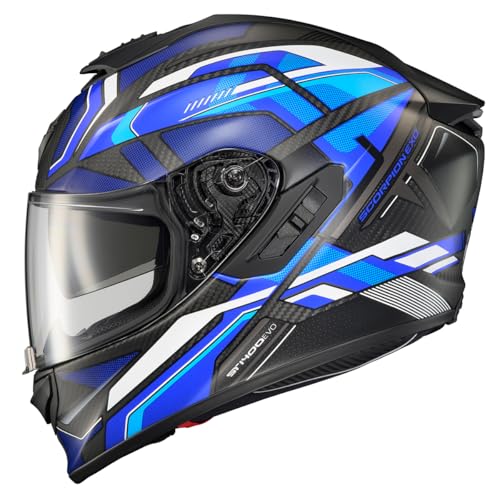
SHELL: Resin-infused TCT-U 3K carbon fiber shell composite weave provides aircraft-grade impact dispersal properties. CAD-refined aerodynamics resulting in a streamlined profile and balanced footprint minimizing both lift and turbulence for a smoother, quieter, and more stable ride. Aero-tuned ventilation comprised of a venturi-effect channeling system linked via adjustable dual ram-air intakes, and spoiler integrated exhaust.
Future Trends in Aero Helmet Development
As we look ahead, innovations in aero helmet development promise to redefine cycling safety and performance. Upcoming UCI regulations mandate stricter standards, emphasizing both aerodynamic efficiency and safety. Manufacturers are adapting to these criteria, incorporating advanced design material advancements to create helmets that maintain performance while ensuring compliance.
Aero helmet customization is becoming a key focus. The integration of adjustable fit systems and diverse head shapes enhances comfort and stability during high-speed rides. Additionally, new materials like ‘Fluid Carbon 12’ improve impact absorption while reducing weight.
Future designs will also better balance ventilation and aerodynamics, using wind tunnel tests to optimize airflow. These efforts will yield helmets that not only protect but also enhance rider endurance and performance year-round.
Frequently Asked Questions
How Should I Choose the Right Aero Helmet Size?
When we tried on aero helmets, we discovered proper helmet fitting is essential. We adjusted sizes carefully to guarantee comfort; a snug fit improved our cycling experience and performance considerably. Let’s prioritize thoughtful size adjustment together!
Are There Specific Brands Known for the Best Aero Helmets?
When looking for the best aero helmets, we’ve found brands like Oakley, Specialized, and Giro excel with specialized designs confirmed by performance testing. These helmets balance speed, comfort, and safety, making them top choices for cyclists.
Can I Modify My Standard Helmet to Be More Aerodynamic?
Like trying to make a horse fly, we can’t modify standard helmets for true aerodynamic design without sacrificing safety features. It’s best to invest in an aero helmet purpose-built for performance to truly reap the benefits.
How Long Can I Expect an Aero Helmet to Last?
We can expect an aero helmet to last 3 to 5 years, depending on durability factors like UV exposure and weather. Regular helmet maintenance and proper storage can help extend its lifespan considerably.
Do Aero Helmets Work for Casual Cyclists as Well?
Yes, aero helmets definitely work for casual cyclists! They offer significant aero helmet benefits, enhancing casual cyclist performance by reducing drag, which means we can ride faster or longer without greater effort, even at moderate speeds.