As an Amazon Associate, we earn from qualifying purchases. Some links on this site are affiliate links at no extra cost to you. Our recommendations are based on thorough research and editorial judgment.


What Should I Look for in Cycling Shoes for Clipless Pedals?

When selecting cycling shoes for clipless pedals, we must consider a few key factors. We need the right shoe type, like road or mountain options. Sole stiffness affects power transfer; a higher rating equals less flex. It’s essential to check cleat compatibility with pedals. A snug fit improves comfort and guarantees proper power transfer. Finally, evaluate safety features, like float, which aids knee alignment. If we explore deeper, we’ll uncover additional insights about cycling shoe performance and optimization.
Key Takeaways
- Ensure compatibility between cleats and cycling shoes, choosing 2-bolt or 3-bolt systems based on riding style and pedal type.
- Select shoes with appropriate sole stiffness for your riding style, balancing power transfer and comfort.
- Look for a snug fit to prevent slippage and ensure secure heel positioning during pedaling.
- Opt for shoes with good ventilation features like breathable mesh to enhance comfort on long rides.
- Consider walkability features, such as rubber tread and covers, to improve grip and stability when off the bike.
Types of Cycling Shoes
You may be interested


When it comes to choosing cycling shoes for clipless pedals, understanding the different types available is essential.
Road Cycling Shoes are designed with maximum stiffness, often using shoe materials like carbon or nylon. These shoes maximize pedaling efficiency but limit walkability. They feature lightweight, ventilated uppers and use a three-bolt cleat mounting system.
Mountain and Off-Road Cycling Shoes are more versatile, equipped with recessed cleats that allow for easier walking. With flexible soles, they accommodate varied cycling styles and often feature two-bolt systems for easy clip-in.
Casual and Touring Cycling Shoes prioritize comfort, featuring recessed cleats and flexible soles for practicality. To ensure optimal performance, it’s important to consider fit and function when selecting your cycling shoes, as this impacts energy transfer and comfort during rides.
Each type serves different cycling styles, ensuring we can choose what best fits our needs and preferences.
Recommended Products

Easy to install : Install and move your Assioma from one bike to another just like your normal pedals. You can do it easily and without extra tools or the need for a mechanic.

One-piece upper design

PRO-LEVEL PERFORMANCE AND STYLE: Performance, comfort and style - proven on the road at the highest levels of the sport
Sole Stiffness and Power Transfer

Sole stiffness plays a significant role in how effectively we transfer power to the pedals. Stiffness ratings, ranging from 2 to 12, are vital when choosing cycling shoes. Shoes rated 12, like Shimano’s S-PHYRE RC903 series, minimize flex, maximizing power transfer efficiency. Conversely, shoes with lower ratings prioritize comfort over performance, making them more suitable for flat pedals.
While stiffer soles provide a rigid platform that helps with energy transfer, studies indicate that differences in power output are minimal—around 1 watt—when comparing various stiffness levels. Therefore, while stiffness enhances stability, comfort and fit have a substantial impact on overall power delivery. Fundamentally, we need to balance stiffness with comfort for the most effective cycling experience. Additionally, choosing shoes with customizable fit options can significantly improve comfort during long rides.
Recommended Products

ELITE PERFORMANCE AND TIMELESS STYLE: A high-performance mountain bike shoe with fast adjustability and comfortable feel

Upper Material: Microtex
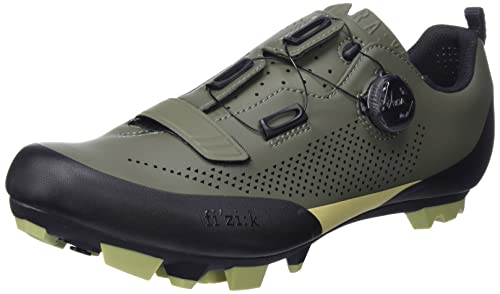
Precision fit from It’s single micro-adjustable boa L6 dial B dial and a 25mm microfiber and Velcro strap
Cleat and Pedal Compatibility
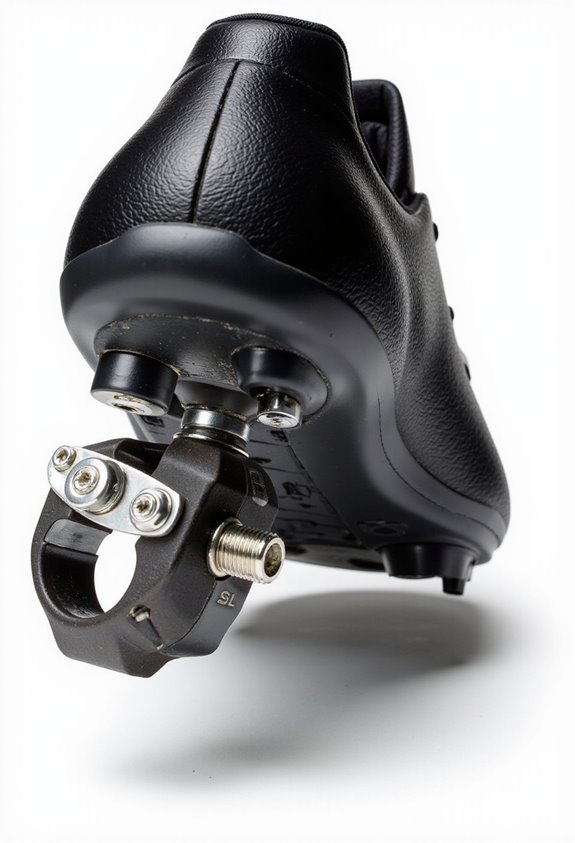
Choosing the right cleats and pedals is vital for maximizing our cycling experience. Compatibility between cleats and pedals is dictated by their respective systems.
Recommended Products

Easy to install
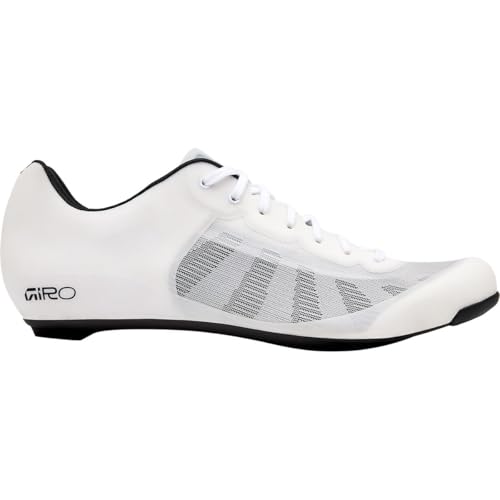
PRO-LEVEL PERFORMANCE AND STYLE: Performance, comfort and style - proven on the road at the highest levels of the sport

PRO-LEVEL PERFORMANCE AND STYLE: Performance, comfort and style - proven on the road at the highest levels of the sport
Cleat Types and Bolt Patterns
- Road Shoes: Typically use a 3-bolt mounting system for road-focused cleats, such as SPD-SL and LOOK.
- Mountain Bike Shoes: Generally feature a 2-bolt system, accommodating SPD cleats, which are largely cross-compatible across brands.
Certain cycling shoes can accept both 2-bolt and 3-bolt cleats, though they are rare. We must ascertain that the cleat type matches the pedal’s design—Shimano SPD pedals require specific SPD cleats while LOOK pedals demand their unique models. Verifying bolt patterns and compatibility before purchasing is vital for peak performance and safety. Many models, such as Giro Ranger, offer compatibility with various pedal systems, ensuring versatility for different cycling activities.
Fit and Comfort
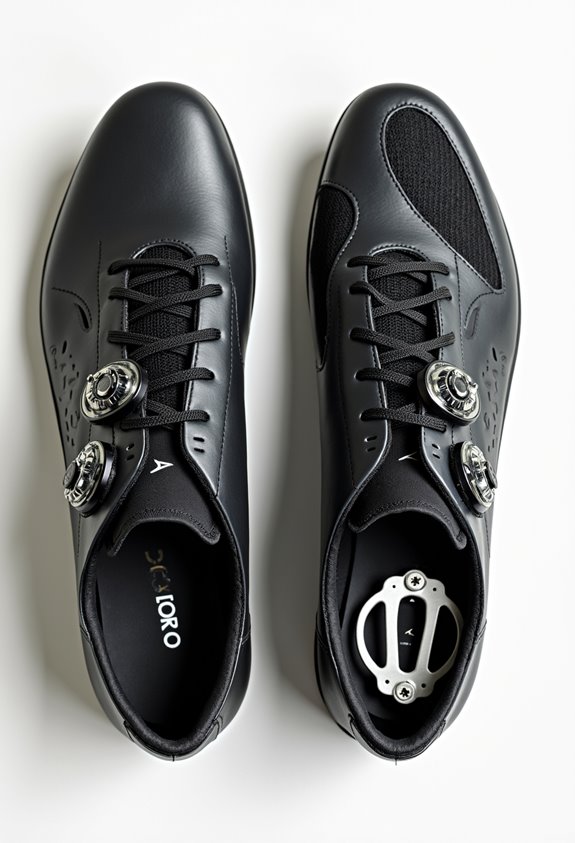
Achieving the right fit in cycling shoes is essential for performance and comfort while using clipless pedals. A snug fit prevents our feet from sliding, ensuring the heel stays secure during pedaling. If we find ourselves between sizes, sizing up slightly can help, but we should avoid overly loose shoes.
Fit adjustments can be made through closure systems, like BOA dials, providing that important micro-adjustability. Additionally, proper cleat positioning helps optimize power transfer and reduces joint strain. For enhanced comfort, consider shoes with well-padded interiors and breathable liners, as they contribute to a comfortable ride, allowing us to focus on our cycling performance without distractions.
Ventilation Features

When considering ventilation features in cycling shoes, the design and materials used play a critical role in our riding comfort and performance. Effective ventilation benefits include improved cooling and sweat evaporation, which can notably reduce foot overheating during long rides.
Breathability Materials
Many cycling shoes utilize innovative breathability materials, such as mesh panels and lightweight synthetics. For instance, road cycling shoes typically incorporate extensive mesh for maximum airflow. On the other hand, mountain bike shoes balance ventilation with protection against debris. Meanwhile, triathlon shoes often emphasize exceptional ventilation to manage heat and moisture effectively. Choosing shoes with the right ventilation features based on our riding environment guarantees our feet remain comfortable, dry, and odor-free, enhancing our overall cycling experience. Additionally, shoes featuring breathable mesh uppers can significantly contribute to improved airflow during extended use.
Closure Systems
Recommended Products
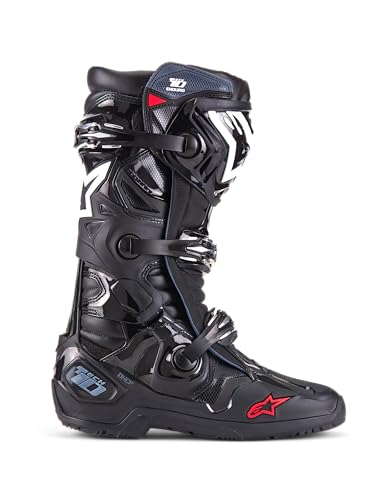
Enduro spec dual compound sole integrated with a multi-density foot base delivers exceptional grip, durability and precise shift control.

Two large front inlet ports and a ventilated shinplate deliver continuous airflow for optimal cooling and heat exchange.

PROTECTION SYSTEM: Gaerne Dual Stage Pivot System 1.0 to provide ankle support and ergonomics
Closure Systems
In our search for the ideal cycling shoes, the closure system is a fundamental component that can substantially impact fit and performance. Let’s explore the common types we encounter.
Types of Closure Systems
- Laces: Simple, customizable but may loosen and require tucking.
- Velcro Straps: Quick adjustments, especially on mountain bike shoes, though they may wear quicker.
- Ratchet Buckles: Provide precise fit adjustments but can add weight.
- BOA Systems: Offer quick, uniform tension with micro-adjustments, enhancing comfort and power transfer.
Performance Considerations
When we conduct a closure comparison, we find that BOA’s even tension reduces pressure points, making it ideal for long rides. The ratchet system balances security with adjustment convenience. Additionally, many models feature adjustable closures that cater to different foot shapes and cycling styles. Evaluating these factors helps us select shoes that align with our cycling needs efficiently.
Heel Cup Design
A well-designed heel cup is vital for maximizing cycling performance. The purpose of the heel cup is to guarantee heel cup stability, keeping our heels securely in place while pedaling. A snug heel cup enhances foot alignment, which is essential for ideal cycling efficiency. The design often includes features like expansion slits, allowing for heel cup adjustability to accommodate different foot shapes without sacrificing comfort.
The material should balance firmness for support with enough flexibility to prevent discomfort. Cushioning around the heel cup plays a significant role in comfort, helping to reduce pressure during rides. Ultimately, a well-constructed heel cup contributes to better power transfer and overall effectiveness in our cycling performance. Additionally, features like breathable materials can enhance overall comfort during long rides, ensuring that the feet remain dry and well-supported.
Walkability Considerations
Walkability considerations play a significant role in choosing cycling shoes for clipless pedals. When selecting shoes, recessed cleats are essential for enhancing walking ease. These cleats prevent direct ground contact, making it easier to walk. SPD shoes, known for their recessed cleats, provide excellent walking traction, ideal for touring and commuting.
Sole stiffness is another important factor. Stiffer soles improve pedaling efficiency but can hinder comfortable walking. We should look for shoes that balance stiffness and flexibility. Additionally, many wide cycling shoes, like Fizik Vento Omna Wide, are designed to accommodate various foot shapes, ensuring a comfortable fit for walking and cycling alike.
A quality rubber tread design aids grip and prevents slipping on various surfaces, while lugged soles enhance stability. Overall, considering these walkability aspects guarantees we choose shoes that perform well both on and off the bike.
Rubber Cleat Covers
Rubber cleat covers provide essential protection and enhanced functionality for cyclists using clipless pedals. One of the primary cleat cover benefits is improved grip and traction when walking, reducing slips on smooth surfaces. They also protect the cleats from wear, extending their lifespan and maintaining peak performance.
Furthermore, rubber material durability guarantees that covers can withstand frequent use without wear. These covers minimize noise from cleats contacting hard ground and prevent mud and dirt from clogging, which aids in clip-in performance. For convenience, they easily slip on and off, ideal for quick changes. Regular checks for wear guarantee they remain effective, making these covers a wise investment for daily cycling and walking needs. Additionally, utilizing waterproof designs enhances the overall durability of the cleat covers, ensuring they perform well in various conditions.
Safety and Skill Development
When we consider cycling safety and skill development, a secure connection between our feet and the pedals is crucial. Proper cleat positioning enhances our foot placement, improving stability and reducing the risk of slips during powerful pedal strokes. This safety protocol helps us maintain control, especially on rough terrain.
Additionally, engaging with clipless pedals encourages the execution of skill exercises that promote effective pedaling techniques. Our locked-in feet allow for fluid power application, enabling us to climb and sprint more efficiently. Quick entry and release mechanisms further enhance safety, allowing us to react effectively in emergencies. By practicing unclipping techniques, we guarantee that we can safely stop when necessary, ultimately enhancing our cycling skills and confidence on the bike. Moreover, understanding puncture resistance features can also contribute to safer rides by minimizing the risk of tire failures during critical moments.
Float and Knee Protection
Understanding float and its impact on knee protection is essential for any cyclist aiming to optimize their performance and prevent injuries. Float refers to the lateral rotation allowed between the shoe cleat and the pedal. This movement accommodates individual biomechanical differences, promoting proper knee alignment.
Different float types exist across pedal systems, ranging from 2° to 15°. Adequate float safeguards our knees by preventing excessive stress and misalignment, reducing the risk of injury. Too little float restricts joint movement, potentially causing pain over time.
For maximum comfort and safety, selecting pedals with adjustable float is advisable. Ultimately, the benefits of proper float notably outweigh concerns about marginal losses in power efficiency, especially for long-term joint health.
Tension Adjustment on Pedals
Optimizing tension adjustment on clipless pedals is vital for enhancing our cycling experience. Tension adjustment techniques involve using a small hex key to modify settings on the rear part of the pedals. The tension affects cleat retention force, determining how tightly the pedal grips the cleat.
- Increasing tension offers firm engagement, ideal for performance in sprinting.
- Decreasing tension allows for easier release, which is beneficial for beginners.
It’s necessary to adjust both pedals equally to guarantee consistent engagement for safety and comfort. Regularly checking and cleaning pedals is important since dirt can affect performance. With proper tension settings, we can balance security and efficiency, leading to a safer and more confident ride.
Practical Considerations for Different Riding Styles
How can we choose the right cycling shoes based on our riding style? It’s essential to align the shoe characteristics with our riding environments.
Road Riding Shoes
These feature high stiffness soles made from nylon, composite, or carbon materials for efficiency. Lightweight uppers optimize breathability.
Mountain Biking Shoes
Here, we need shoes with 2-bolt SPD cleats, providing flexibility and grip. Thicker uppers add durability for rough trails.
Touring and Commuting Shoes
Comfort and walkability are priorities, often using moderately stiff soles and durable, weather-resistant shoe materials.
Urban and Casual Cycling Shoes
Emphasizing comfort, these shoes have flat soles and recessed cleats, suitable for city riding.
In every case, matching shoe materials and design with our specific riding style enhances both performance and comfort.
Recommended Products

Evofiber upper ultra light, breathable and comfortable

TECNO-3 PUSH SYSTEM: The Single Tecno-3 system creates a perfect tension balance between the shoe's internal and external side, and guarantees an excellent closure adapting to every instep. Oval holes extend the adjustment position of the cleat by ± 5 mm and a millimeter scale is included for determine the riders personal cleat position.
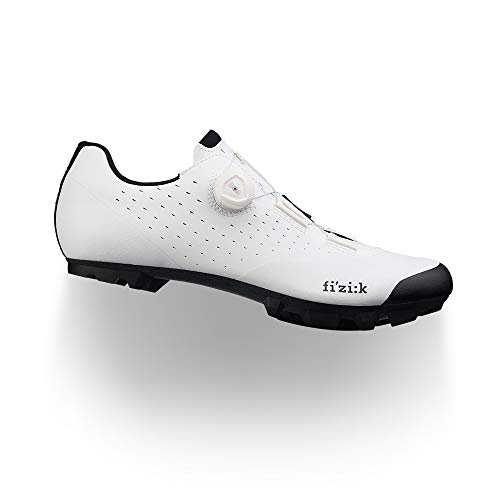
Knitted upper: engineered construction for enhanced ventilation and comfort
Frequently Asked Questions
How Do I Choose the Right Cleat System for My Bike?
Choosing a cleat system’s like picking the right shoe for a dance. We need to evaluate cleat compatibility with our pedal system, ensuring it harmonizes with our riding style for comfort and efficiency.
Can I Use Road Shoes for Mountain Biking?
We can’t effectively use road shoes for mountain biking. While there’s some road shoe versatility, their lack of pedal compatibility with MTB setups compromises grip and safety on challenging terrain. We recommend sticking with proper MTB shoes.
How Do I Clean and Maintain My Cycling Shoes?
To clean and maintain our cycling shoes, we should use mild soap for shoe materials, employ gentle scrubbing for tough spots, and always air dry to keep them fresh and prolong their lifespan.
What Are the Benefits of Modular Shoe Designs?
Modular benefits give us shoe versatility by allowing customization and adaptability. We can optimize performance, extend lifespan, and enhance comfort while reducing waste and costs. It’s a smart choice for every cycling enthusiast.
Are There Specific Brands Known for Comfortable Cycling Shoes?
When exploring comfortable cycling shoe brands, we’ve found that Specialized and Shimano consistently receive positive user reviews. Brand comparisons show that Giro and Fizik also offer outstanding comfort and performance, catering to diverse riding needs.