As an Amazon Associate, we earn from qualifying purchases. Some links on this site are affiliate links at no extra cost to you. Our recommendations are based on thorough research and editorial judgment.


What Is the Best Way to Pump Up Tubeless Bike Tires?

To effectively pump up tubeless bike tires, we need to guarantee proper sealing first. We’ll use tubeless-specific rim tape and check bead seating by positioning the valve at 3 or 9 o’clock. Using a quality floor pump, we inflate slowly, listening for the bead to “pop” into place. Alternative methods include portable inflators and CO2 cartridges for quick setups. Regular maintenance and pressure checks are essential for performance. Our detailed guide will cover everything you need to know.
Key Takeaways
- Use a portable electric pump or CO2 cartridges for quick inflation, ensuring the valve core is clean for maximum airflow.
- Position the valve stem at 3 or 9 o’clock to improve bead seating during the inflation process.
- Inflate with the loose bead facing down to help the tire bead seat properly; listen for the distinct “pop” sound.
- Regularly maintain sealants and check tire pressure every 3-6 months to ensure optimal performance.
- Always conduct post-inflation checks for pressure loss and inspect tires for any visible defects before riding.
Understanding Tubeless Tire Mechanics
You may be interested

10 Best Bike Allen Key Sets for Easy Maintenance and Repairs
August 29, 2024


To maintain airtightness, the rim also includes a bead lock that prevents air leakage. The tire bead must fully engage with this channel to guarantee proper inflation. Any disruptions, such as damaged rim tape, can compromise the entire setup. Additionally, sealants inside the tire enhance the airtight seal, filling gaps and addressing small punctures. Understanding these mechanics is crucial for maintaining tire pressure and performance. Regular checks of sealant condition ensure that the tire continues to function optimally over time.
Tools Required for Tubeless Tire Inflation

When tackling the inflation of tubeless bike tires, we need specific tools to guarantee a successful setup and maintenance. Key among these are valve core removal tools, like the Park Tool VC-1, which allow us to remove the valve core for faster airflow. This step is essential for proper tire bead seating and preventing air loss.
Additionally, we must use tubeless-specific rim tape. The tape must be 1-2 mm wider than the rim’s internal width, covering spoke holes fully to avoid sealant leaks. Proper installation of rim tape is crucial for maintaining airtight sealing. Furthermore, using high-quality polyurethane or TPU liners can enhance the overall durability and performance of the bike tires.
Recommended Products

A small, handy tool designed to remove and install Schrader and Presta valve cores

CNC-machined alloy body

Valve Core Removal Tool: Quickly and easily remove cores. Suitable for Tightening or removing valve cores on bicycles, cars, luggage and any other pneumatic tires.
Choosing the Right Inflation Method

Choosing the right inflation method for tubeless bike tires can greatly impact our experience and performance. We have several options, each with its advantages and drawbacks.
Floor Pumps: These provide controlled inflation but may not fully seat tire beads without help.
Portable Electric Pumps: Ideal for on-the-go inflation, they provide precise tire pressure adjustments and are often compatible with Presta and Schrader valves, making them versatile for different bike types.
CO2 Cartridges: While they deliver fast inflation, their limited volume makes them best for emergencies.
Motorized Compressors: They quickly seat and inflate tires but are bulkier and pricier.
Manual Methods: Siphon hoses allow air transfer from another tire, but this is less common.
Ultimately, we should consider different inflation techniques in relation to our specific needs and situations to achieve maximum tire performance.
Recommended Products

ADVANCED TRUEGAUGE SCREEN: This battery tire inflator includes updated sensor technology, capable of collecting pressure data from tire inflators at a frequency of 200 times per second. Its valid data rate is higher than 80%, which is 60% better than the market average. From routine maintenance to roadside emergencies, its accurate readings ensure confident pressure checks and a safer driving experience.Suitable as a Father's Day gift for your dad.

NOTICE: ETENWOLF electric bike pump is compatible with both Presta and Schrader valves for all types of bicycles. The Presta valve adapter is a separate accessory—please attach the Presta air nozzle adapter to the tire while using it for road bike. This bike air pump can also inflate motorcycles and sports balls
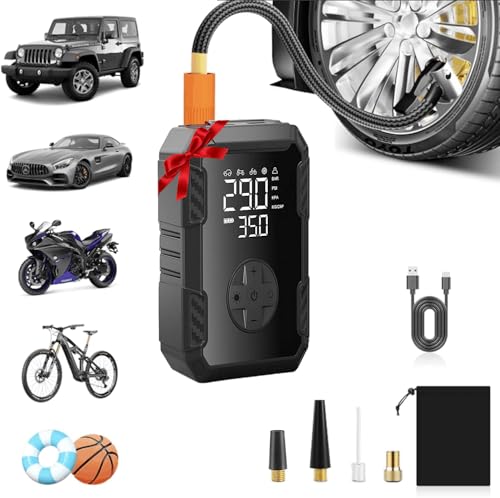
【Rechargeable Battery Power】This tire inflator portable air compressor features rechargeable battery for cordless use. making it versatile for various inflation needs anytime, anywhere. Ensure you never face tire pressure run out. Drive it with confident on the go.
Step-by-Step Guide Using a Floor Pump
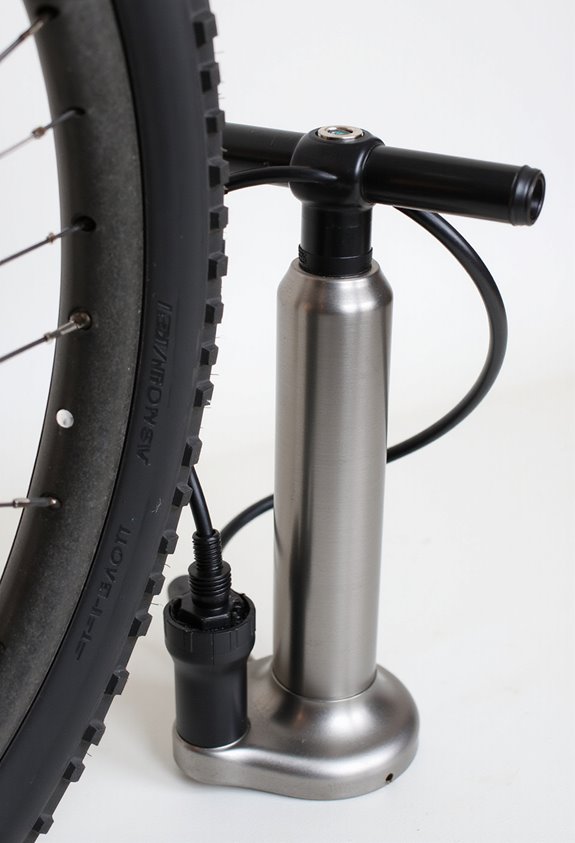
Inflating tubeless bike tires with a floor pump requires careful preparation and a systematic approach.
Tire Pre Checks
Before we start, we should inspect the tires and rims closely. Verify they’re clean and compatible. Remove the valve core to allow maximum airflow and apply sealant inside the tire. This helps close any micro-gaps.
Inflation Steps
Next, we’ll mount the tire onto the rim. Securely connect the pump to the valve and pump rapidly to seat the beads. If they don’t seat right away, we may need to reposition and try again. Using a CO2 inflator can also be beneficial for quick solutions in case the floor pump does not work effectively.
Valve Maintenance
Once inflated, we’ll pop the valve core back in and check for leaks. If air escapes, inspect the valve core for proper function. This guarantees our tires remain inflated and ready for the road.
Recommended Products

【QUICK & EASY TIRE INFLATION】-Inflate your tubeless tires in seconds! Simply press the Tire Booster is connected to a conventional floor pump using the SV valve on the inflator cartridge. Then yo need to fill the cylinder and to operate the quick release valve. The air immediately distributes itself evenly and the tire seats itself firmly on the rim, usually with the typical loud crack.

COMFORTABLE HANDLE because of ergonomically designed air pump for bike handle.
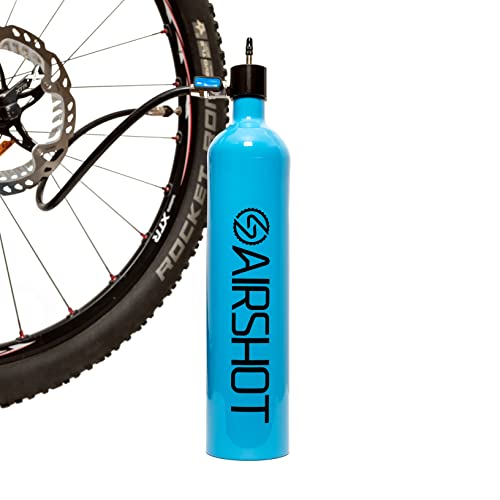
COMPATIBLE with all tire sizes: 26", 27.5", 27.5+", 29", "29+", MTB, road, cyclocross and fat bikes, the Airshot holds enough air to seat your tires on the rims every time you need to change your tubeless tire or replace the tubeless tire sealant.
Alternatives: Portable Inflators and CO2 Cartridges

Exploring alternatives to traditional floor pumps for tubeless tire inflation, we encounter portable inflators and CO2 cartridges, both designed for efficiency and ease of use. Portable inflator types include standalone charge cylinders and integrated inflator floor pumps. Standalone units require a separate floor pump to charge but offer mobility. In contrast, integrated models combine inflating and pressurizing in one device.
CO2 cartridges provide quick inflation with lightweight portability, ideal for on-the-trail repairs. Their pros include speedy inflation, making them suitable for emergencies. However, CO2 inflators can overshoot desired pressures and typically require a separate pump for topping off. Ultimately, choosing between these options depends on preference for convenience, cost, and frequency of use. Additionally, some portable bike pumps offer features like automatic shut-off to prevent over-inflation, enhancing safety during use.
Recommended Products
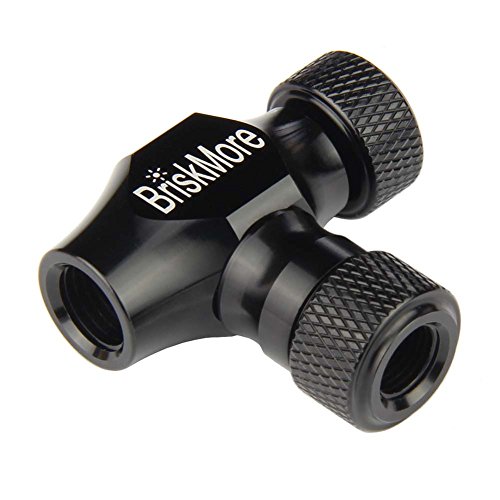
★Classic, Durable, Compact and Lightweight design. Insulted Rubber foam sleeve(for 16g cartridges only) included to prevent frozen fingers when operating.

UNIVERSAL COMPATIBILITY: Standard 3/8-24 thread fits virtually all CO2 inflators and inflator heads designed for threaded CO2 cartridges. Works for bikes and other 3/8-24 threaded-cartridge devices. Exception: some inflators with integrated cartridge storage are sized for 16g cartridge diameter only.
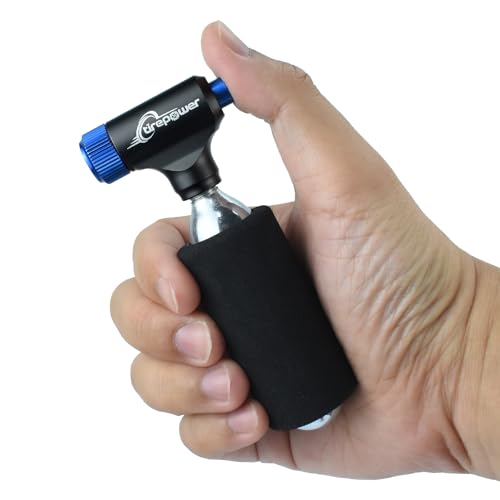
Quick Inflation in Seconds: Ctrepower co2 bike tire inflator can fill your bike tire in just a few seconds ; Perfect for cyclists in a rush or those who need fast tire fixes to keep their ride going without delay
Pressure Recommendations for Optimal Performance
When we consider pressure recommendations for ideal performance in tubeless bike tires, it’s crucial to understand the impact of tire size and rider weight. For 32-mm tires, a pressure range of 50 to 70 PSI suits most riders. Lighter riders should aim for 50–60 PSI, while heavier riders might prefer 65–70 PSI to maintain optimal balance and avoid deformation.
Adjusting tire pressure also depends on riding surfaces. Higher pressures are better for smooth pavement, while lower pressures enhance traction on rough or wet terrain. Remember, sticking to the manufacturer’s guidelines for maximum and minimum pressures will help us avoid risks like overinflation. By considering these pressure variations, we can guarantee our tubeless tires deliver peak performance every ride. Additionally, adjustable fit systems in helmets can improve comfort and performance, helping riders maintain focus on the road.
Troubleshooting Common Inflation Issues
Troubleshooting common inflation issues with tubeless bike tires can considerably enhance our riding experience.
Valve Core Issues
First, we must verify the valve cores are clean and free from dirt. When we remove the Presta valve core, it increases airflow, helping with bead seating during inflation. Specialized pumps that take out valve cores can improve inflation speed. High-quality tools can also assist in maintaining a properly inflated tire.
Bead Seating
If the tire bead doesn’t seat properly, it may be due to rim contamination or tolerance mismatches. To seat the bead effectively, we can inflate the tire horizontally with the loose bead facing down. Applying a strap around the tire during inflation also helps. After pumping, we should listen for the “pop” indicating proper bead seating and check for evenness to avoid wobbles.
Recommended Products
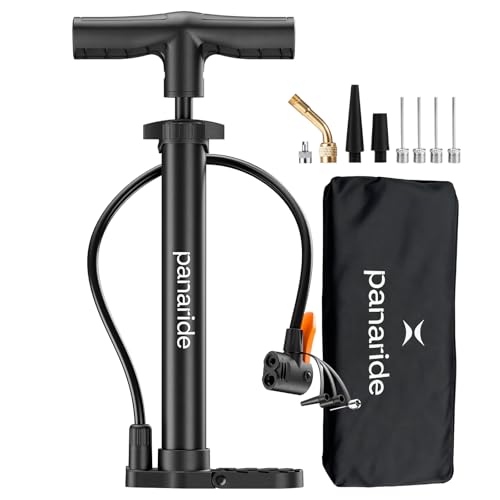
EXCELLENT COMPATIBILITY: Our versatile bike air pump seamlessly accommodates both Presta and Schrader valves, making it a perfect choice for various tasks including bicycles, baby stroller tires sports equipment, or inflatables. Ideal for use with BOB, Bumbleride, Joggers, Thule, Graco, Bugaboo, Trend strollers, and more.

Easy & Effective Tubeless Tire Inflation: Simply charge the tank to 150 PSI with a high-pressure pump (160 PSI or higher recommended). Then connect the tank to your tubeless bike tire and turn the quarter-turn valve to a horizontal position to blast high-pressure air into the tire, quickly seating and inflating it in one step.

Jet-inflate continuous work: with 5000 mAh battery, X9 Ace can inflate 8 tires in a single charge; Also this electric bike pump features a cooling system, allowing it to operate continuously for 25 mins without the need for any mid-session breaks
Routine Maintenance for Tubeless Tires
Maintaining routine care for tubeless tires is essential to guarantee peak performance and longevity. We should start with sealant maintenance, topping it up every 3 to 6 months. Additionally, we must perform a full tire inspection by removing the tires and replacing the sealant every 12 to 18 months. The drying speed of sealant varies based on climate and riding frequency, so it’s critical to use fresh sealant appropriate for our tires. Furthermore, ensuring proper air retention through regular checks can prevent unexpected flat tires and enhance overall riding experience.
For tire inspection, we should clean the interior and check for cuts, punctures, or any damage affecting sealing. Moreover, inspecting the rim tape is important to verify no leaks are present. By adhering to these steps, we can make certain our tubeless tires remain efficient and reliable.
Safety Precautions When Inflating Tires
Inflating tubeless bike tires requires careful attention to safety precautions to guarantee both effective inflation and rider safety. We must avoid inflation risks by using the right tools and procedures, such as floor pumps or regulated air compressors. Positioning the valve stem at 3 or 9 o’clock helps with bead seating. Always wear protective eyewear and gloves, and make certain the tire is secured to prevent it from slipping during inflation. Additionally, using a pump with smart valve heads can enhance the ease of connection and prevent air leakage.
In case of problems, knowing emergency procedures is crucial. Inflate tires in an open space, standing to the side to minimize injury from sudden bead releases. Post-inflation, we should ride a short distance to check for pressure loss, making certain greater safety before longer rides.
Frequently Asked Questions
Can I Use a Regular Air Compressor for Tubeless Tires?
Can we really rely on a regular air compressor for tubeless tires? Yes, it’s compressor compatible for tire inflation. Just guarantee it delivers enough pressure and flow for efficient bead seating—trust us, it works!
How Often Should I Check My Tubeless Tire Pressure?
We should check our tubeless tire pressure before every ride for ideal performance. At least weekly pressure monitoring guarantees proper tire maintenance and compensates for air loss, helping us avoid issues during our adventures.
What Sealant Is Best for Tubeless Tires?
When we evaluate sealant types, Silca Ultimate and Stans No Tubes shine for their performance comparison, sealing quickly and effectively. For budget riders, Muc-Off offers solid value without sacrificing too much on effectiveness.
Can Tubeless Tires Be Used on Any Bike Rim?
No, we can’t use tubeless tires on any bike rim. We must guarantee proper rim compatibility, especially for tubeless conversion. Always check if our rims meet E.T.R.T.O. standards for safe and effective performance.
How Do Temperature Changes Affect Tubeless Tire Pressure?
Temperature changes greatly affect tubeless tire pressure, causing pressure fluctuations. As temperatures rise, we’ll notice our tire pressure increases too, while drops can lead to lower pressure, impacting performance and safety on our rides.