As an Amazon Associate, we earn from qualifying purchases. Some links on this site are affiliate links at no extra cost to you. Our recommendations are based on thorough research and editorial judgment.


What Are the Best Bike Light Combinations for Commuting?

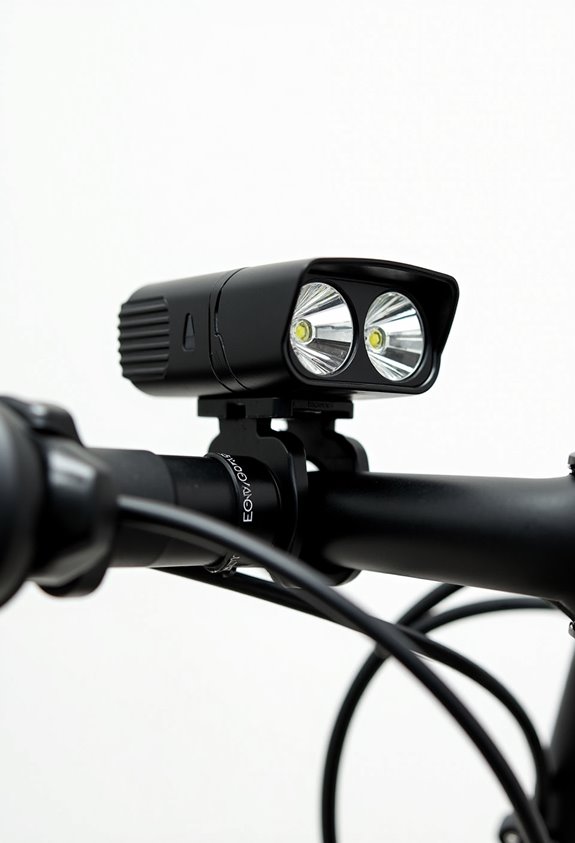
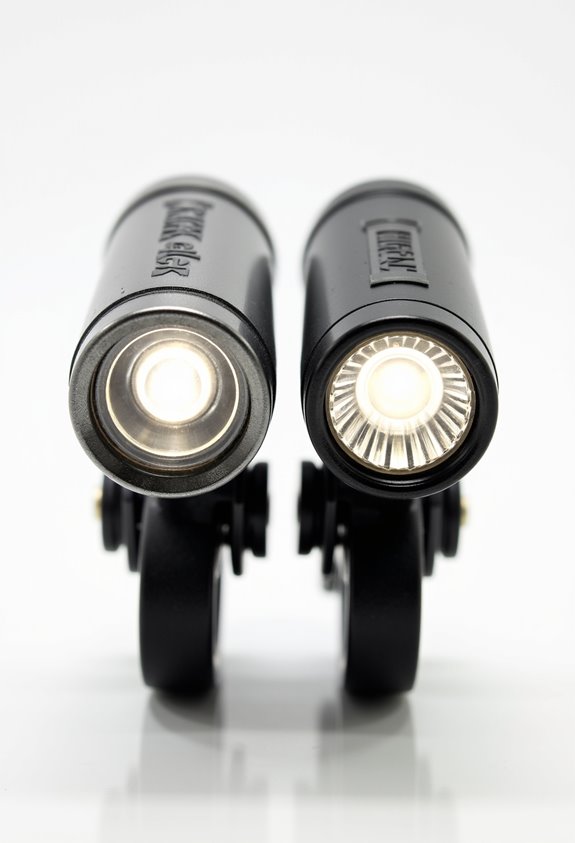
For effective commuting, we recommend combining front lights with 800-900 lumens brightness and rear lights over 200 lumens, preferably with flashing modes. Front lights like the Cygolite Metro offer multiple output settings while rear options like Lezyne Strip Drive Pro guarantee high visibility. Look for models with easy mounting systems and long battery life, ideally 2-3 hours at moderate brightness. Consider smart technology integrations for adjustable brightness and alerts. These factors enhance safety and efficiency; there’s more to discover.
Key Takeaways
- Combine a front light with a brightness of 800-900 lumens for urban commuting for optimal visibility in low-light conditions.
- Use a rear light with at least 200 lumens and flashing modes to ensure you’re seen from behind while riding.
- Select lights with adjustable mounting systems for easy attachment and aiming based on your bike’s setup.
- Opt for lights with multiple brightness settings and long battery life to adapt to various commuting durations and environments.
- Consider smart technology features like smartphone compatibility and sensor integration for enhanced safety and convenience while commuting.
Essential Features of Commuter Bike Lights
You may be interested

Brightness Levels
For urban environments, a range of 100–400 lumens is sufficient. In dim or rural areas, 600–1000 lumens is preferable, while rear lights should emit 200+ lumens with flashing modes. Additionally, many lights offer a high-lumen output that significantly enhances visibility during nighttime rides.
Beam Patterns
An effective beam pattern combines a narrow center spot and a wide flood, ensuring we’re visible at intersections. This design helps identify obstacles like potholes.
Mounting Systems
Reliable mounting systems are critical. They should be secure, enabling easy attachment and removal while minimizing movement during rides. Adjustable mounts enhance aiming for optimal visibility based on varying road conditions.
Choosing lights with these features will greatly improve our commuting safety.
Recommended Products

🔋🔋【Dual Battery E Bikes Provide Extended-Range】The 2*48V 30AH battery(weights 33LBS)covers a range of 100-160 miles per full charge, its waterproof removable battery pack adopts high-performance & cold-resistant batteries from world-class battery manufacturers, reduces the long-term usage cost caused by frequent battery replacements. Conquer any terrain with this high-performance electric dirt bike, featuring all-weather reliability and zero range anxiety.
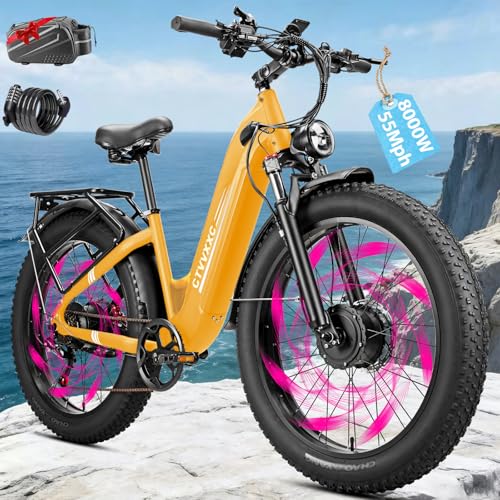
Upgraded 8000W Peak Power Dual Motors: This powerful electric bike is equipped with dual peak power 4000W high-speed brushless motors, delivering high speed, improved speed, and high torque. It effortlessly tackles diverse terrains—even 45° steep slopes—this 8000W peak power electric bike reaches 55 Mph unloaded and 50 Mph when carrying 165 lbs (75kg) and a high torque of 222 N·m. Its speed is intelligently adjusted in real-time based on battery level and load

【8000W Peak Power Motor – Strong Performance for Every Terrain】The electric bike equipped with dual 4000W peak brushless high-speed motors (that’s 8000W combined power) and 200NM torque, this ebike hits a max speed of 50mph. It breezes through city roads, slight slopes and park trails, and tackles rugged off-road terrains, moderate steep inclines and wild exploration paths with equal ease—no extra effort required for your outdoor adventures
Top Front Light Recommendations
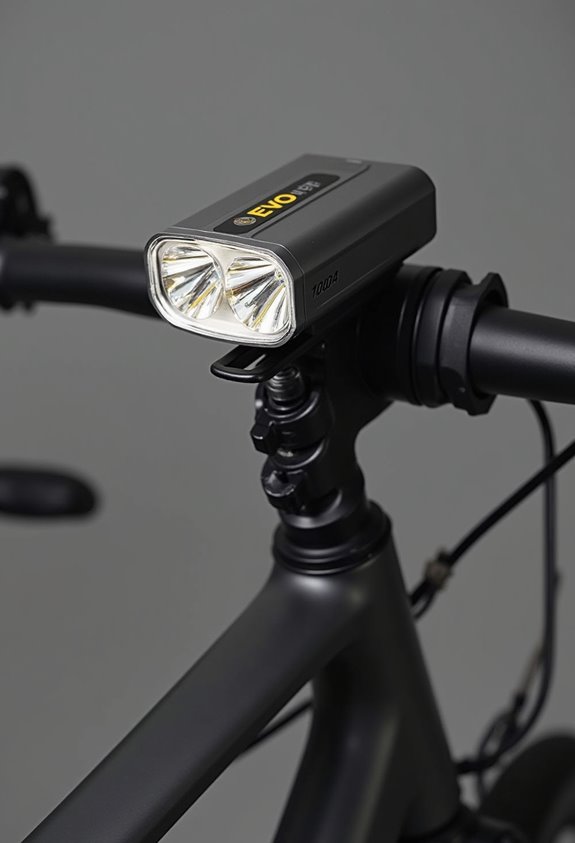
Selecting the right front bike light can greatly impact our commuting experience, particularly regarding safety and visibility. Our top recommendations emphasize ideal brightness for urban commuting, ranging between 800-900 lumens. This guarantees effective visibility without draining the battery too quickly.
Beam Quality
A sharp beam cutoff, like in the Outbound Lighting Detour, directs light efficiently while avoiding glare for oncoming traffic. In contrast, the Cygolite Metro series offers horizontally diffused beams to enhance road safety.
Daylight Visibility
Models with daylight flash modes exceeding 500 lumens boost daytime visibility. Multiple output modes allow us to tailor brightness and runtime for varying conditions, guaranteeing we’re equipped for any ride. Additionally, considering high lumens outputs ensures we have the necessary illumination for both urban and rural environments.
Recommended Products

Bright 7,920 Lumen Output: The RIGID® SR-Series 10” Combo LED Light Bar delivers a powerful 7,920 lumens using patented hybrid flood and spot optics, lighting up the trail up to 1,912 ft. ahead.
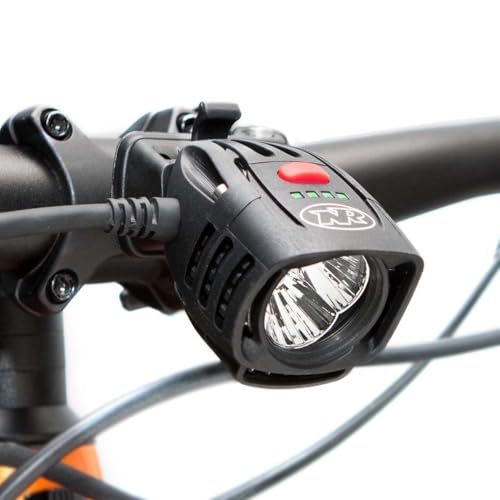

MAXIMUM LUMENS WHEN YOU NEED IT – Previous generation – 2000 lumen of FL1 standard brightness outputs in Boost Mode for intense, daylight-level illumination on trails, roads, or during nighttime commutes.
Recommended Rear Light Options

Choosing the right rear bike light is essential for ensuring safety during our commutes.
High Visibility Enhancements
When selecting a rear light, we should consider the lumen output. For instance, the Lezyne Strip Drive Pro 400+ offers 150 lumens, which greatly increases visibility. Advanced options like the Exposure Blaze Mk3 feature brake sensors that adjust brightness dynamically, enhancing our safety. Models with high lumens are recommended for maximum visibility, particularly in urban environments.
Versatile Mounting Options
We must also look at the mounting options available. Many models utilize silicone straps for tool-free installation, allowing easy transfers between bikes. Compact designs like the Trek Flare RT minimize bulk while maximizing rear visibility.
Recommended Products

DOMINATE ANY TERRAIN WITH 50MPH RAW POWER & 6500W PEAK MOTOR:Unleash explosive torque from the 6500W peak motor to conquer steep hills, sand dunes, and rocky trails. This high-speed electric dirt bike for adults leaves gas bikes and competitors in the dust — experience adrenaline-pumping off-road performance that redefines full-size electric motocross. (Note: Check local laws before purchase.)

【🔥2026 LATEST JULIET PRO II DUAL MOTOR VERSION🔥】2026 Upgraded Juliet Pro II Dual Motors ebike,Peak 5400W Dual High Speed Brushless Motors, 60V/70Ah Ultra Large 200+Miles Battery,Strength Four-link rear suspension, 7A Fast Charge, 20W Lumens Super-Bright Headlight, Multi-Function Colorful LCD Display with password setting and APP Control, Upgradeable Rear Rack Basket & Rear Bag.Unleash superior power and precision for an unmatched riding experience.

【Upgraded Version:Swift Horse Ultra 】: Upgraded to a 35AH high-capacity battery, delivering a significant boost in riding range.
Battery Life and Charging Considerations

Understanding battery life and charging options is fundamental for selecting the right bike light for commuting.
Battery longevity is essential. We need at least 2-3 hours of runtime at moderate brightness (600-800 lumens). Larger batteries, like a 5000mAh in the Cateye AMPP1300, provide extended use but can add weight.
Regarding charging convenience, many lights feature internal rechargeable lithium-ion batteries with USB ports, commonly Micro USB or USB-C. USB-C is increasingly favored for faster charging.
Additionally, some high-end models have removable batteries, allowing for quick swaps. It’s also important to note that many USB bike lights can provide over 10 hours of use on lower settings, enhancing their practicality for daily commuting.
To optimize our experience, we should consider the balance between light size, weight, and battery capacity, ensuring our lights meet our commuting needs without creating unnecessary bulk.
Safety Features to Look For

When biking in low-light conditions, several safety features become essential for our overall protection. First, we must prioritize light visibility. Front lights should emit bright white light, while rear lights must be red. Side or spoke-mounted lights enhance lateral visibility, ensuring we’re seen from multiple angles.
We should also consider light modes and flash rates. Flashing modes increase attention, but the rate must be tested—too fast or slow can confuse other road users. Additionally, choosing lights with minimum brightness requirements ensures adequate visibility in varying environments, making our rides safer.
Lastly, smart integration technology is worth examining. Smart bike lights can adjust brightness based on conditions, while radar lights detect approaching vehicles. These features enhance safety considerably, helping us navigate urban environments with greater awareness and reduced collision risk.
Recommended Products

【4000W PERFORMANCE MONSTER】Equipped with a powerful 4000W top-quality aluminum alloy motor, quiet, sturdy and lightweight, waterproof IP66, M8S electric motorcycle has a maximum speed of 50MPH, experience unparalleled speed and save your commuting time. Peak torque up to 170Nm, easily conquer 30° slopes, weekend excursions to explore the mountains, enjoy its surging power!
![eAhora M1P Pro [2026] Peak 6000W Electric Motorcycle for Adults, 50MPH High Speed Street Legal Electric Scooter, 110 Miles Max Range with Dual Battery, DOT Certified Fat Tire Chopper for Commuting](https://m.media-amazon.com/images/I/41iszPp6uCL._SL500_.jpg)
[Industry-Leading 110-Mile Range: The Ultimate Distance] – Redefine your boundaries. The 2026 M1P Pro introduces a revolutionary dual-battery system, extending your total range to a massive 110 miles. Whether it's a cross-city commute or a weekend road trip through the countryside, this smart design eliminates range anxiety forever. Swap batteries in seconds and keep the adventure going—freedom is now truly limitless.

【𝙂𝙤 𝙁𝙪𝙧𝙩𝙝𝙚𝙧, 𝘾𝙝𝙖𝙧𝙜𝙚 𝙇𝙚𝙨𝙨】Ride up to 300 miles on a single charge with the 72V 70Ah removable battery—perfect for long commutes and weekend adventures. 3000+ charge cycles mean years of reliable use, and the intelligent BMS protects against overcharge and overheating. Remove the 46LB battery easily for indoor charging and security.
Integration With Smart Technology
Smart technology is increasingly becoming integral to enhancing our biking experience, particularly in urban environments. With smartphone compatibility, we can easily control and customize our bike lights. These smart systems connect to apps, allowing us to adjust modes, check battery life, and sync multiple lights for improved visibility.
Sensor Integration
Advanced smart lights utilize sensors to automatically adjust brightness based on surroundings. This feature maximizes battery efficiency and enhances safety. Some systems even detect approaching vehicles, increasing light intensity accordingly. Additionally, motion sensors trigger turn signals based on our bike maneuvers, ensuring better communication with other road users. Many modern lights also incorporate battery level indicators, which help cyclists monitor remaining power effectively.
Budget-Friendly Light Combinations
For those of us commuting on a budget, finding the right bike light combination can be both a necessity and a challenge. Fortunately, there are affordable options available.
Front and Rear Light Sets
Combo sets like the NiteRider Lumina Micro 900 and Vmax+ 150 offer 900 lumens in front and 150 lumens rear for about $105. The quick-release mounts simplify removal and charging, perfect for daily commuters.
Compact Lights
The Lezyne Micro Drive 800+ provides 800 lumens and weighs just 133g. Its six modes adapt to various conditions, offering great versatility for budget-conscious riders.
Basic Visibility Lights
Low-cost options like the Thousand Traveler 2.0 focus on visibility with 100 lumens, featuring USB-C charging and easy mounts, making them suitable for well-lit urban areas. Additionally, prioritizing high visibility is crucial for ensuring cyclists can be seen in low light conditions.
Recommended Products
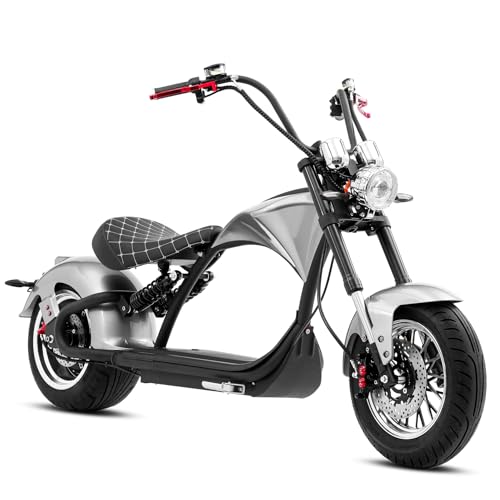
[Iconic Chopper Style at an Unbeatable Value] – Own the road without breaking the bank. The M1P delivers the legendary "Harley" cruiser silhouette that turns heads on every corner. With its signature high-rise handlebars, premium sea-gem blue finish, and classic diamond-stitched seat, you’re not just buying a scooter—you’re investing in a high-end lifestyle at an entry-level price.

This unit will come in almost fully assembled in the crate, with tires, shocks, fenders and etc already assembled.

Please Noted this bike cannot be sold to California.For Factory Package, some assembly required: Assembly for dirt bikes include Handle bar brackets, wheels, brakes, number plate and fender. (May differ per model)
Frequently Asked Questions
Can I Use a Single Light for Both Front and Rear?
Alas, we can’t really use a single light for both front and rear. The front light versatility is crucial for illumination, while rear light options prioritize visibility; compromising one could jeopardize our safety on the road.
How Much Does Brightness Vary by Weather Conditions?
Brightness measurements considerably vary with weather conditions. We’ve noticed weather impacts, like rain or fog, can reduce effective brightness, necessitating adjustments in our bike lights to guarantee safety and visibility during our commutes.
Are There Specific Lights for Off-Road Commuting?
Yes, we’ve found specific lights designed for off-road commuting that enhance off-road visibility. These lights offer adjustable light orientation and multiple brightness modes, ensuring we navigate uneven terrain safely and effectively during our rides.
What Materials Are Best for Light Durability?
When it comes to LED durability and battery lifespan, we find aluminum and titanium shine like stars. Their strength resists corrosion and fatigue, offering us reliable lights that endure through every adventure we undertake.
How Do I Properly Mount Bike Lights?
To properly mount bike lights, we should use secure mounting techniques and position them correctly. Front lights should aim slightly down, while rear lights face directly back, ensuring maximum visibility without blinding others.