As an Amazon Associate, we earn from qualifying purchases. Some links on this site are affiliate links at no extra cost to you. Our recommendations are based on thorough research and editorial judgment.

What Resistance Levels Do I Need for Effective Indoor Training?

To achieve effective indoor training, we need to choose resistance levels based on our specific fitness goals. For strength-building, use high resistance to cause muscle fatigue within 8-12 repetitions. For endurance, moderate resistance with a cadence of 75-80 rpm works best. Beginners should start low to enhance endurance safely, while advanced athletes can push for greater strength gains. Monitoring heart rate helps in adjusting resistance efficiently. By exploring more about resistance types, we can optimize our training routines.
Key Takeaways
- Start with moderate resistance for beginners, focusing on endurance to build a strong foundation.
- Aim for high resistance during strength-building sessions, targeting muscle fatigue after 8-12 repetitions.
- Utilize a cadence of 50-60 rpm with increased resistance to maximize muscular strength engagement.
- Adjust resistance dynamically based on perceived effort and heart rate to optimize training intensity.
- Periodically vary your resistance levels to simulate different terrains, enhancing muscle engagement and preventing overtraining.
Understanding the Role of Resistance in Indoor Training
You may be interested


As we explore indoor training, it’s essential to recognize that resistance plays a fundamental role in our fitness journey. Understanding resistance types is important to develop muscle strength effectively. These include body weight, resistance bands, and free weights, each varying in intensity.
Engaging in resistance training aims to create muscle fatigue. This occurs when our muscles tire after 8–12 repetitions, indicating effective resistance levels have been reached. Adequate resistance not only fosters muscle growth but also enhances bone density and joint stability.
Progressive overload is critical; gradually increasing resistance guarantees muscles adapt and strengthen over time. By combining different resistance types, we maximize muscle engagement and achieve well-rounded strength, which is key to preventing injury and improving overall physical performance. Incorporating high-friction outsoles into your training gear can also enhance grip and stability during workouts.
Ideal Cadence and Resistance Settings for Different Workouts

When it comes to maximizing indoor training efficiency, understanding the ideal cadence and resistance settings for various workouts is vital.
Cadence Variations for Workouts
- Strength-building sessions: Low cadence of 50-60 rpm with high resistance targets muscular strength and endurance.
- Endurance workouts: Moderate cadence at 75-80 rpm with moderate resistance is best for building aerobic capacity.
- High-intensity intervals: Cadence of 95-110 rpm with varied resistance maximizes power and neuromuscular adaptation.
- Sprint drills: Very high cadence of 100-120 rpm under low resistance emphasizes explosive power.
Resistance Benefits
Adjusting resistance allows us to mimic various terrains and training demands, enhancing muscular engagement and cardiovascular efficiency. This strategic variation in both cadence and resistance is essential for achieving our training goals effectively. Additionally, utilizing GPS cycling computers can further enhance performance tracking and data analysis during indoor training sessions.
Recommended Products

Dual-Screen Console

Foot Secure System

Club-Quality Design for Home Use – Built with the same durable components found in premium gym equipment, engineered for quiet, comfortable, in-home performance.
How to Adjust Resistance for Individual Fitness Levels

To effectively adjust resistance levels for individual fitness, we must first understand each person’s unique fitness baseline. A fitness assessment helps determine their current aerobic and muscular capacity.
Begin with lower resistance for novices to enhance endurance without risking injury. Advanced athletes should opt for higher resistance to drive strength gains.
We also use personalized resistance by measuring perceived effort and heart rate. This integration allows us to adjust resistance dynamically during sessions, aligning with training goals.
Position plays a role too—standing may support handling higher loads than sitting. By ensuring proper bike fit and monitoring feedback systems, we can systematically adapt resistance levels to meet individual needs, promoting safety and effective training results. Additionally, trainers like the Elite Direto XR provide high accuracy and resistance capabilities that can enhance personalized training experiences.
Recommended Products
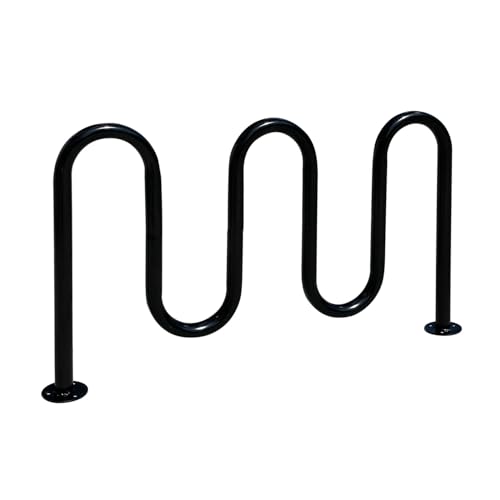
ANTI-THEFT ONE-PIECE DESIGN: Deter theft with a solid, one-piece construction that ships fully assembled and requires zero installation, unlike competitor racks with multiple components that need assembly, making them vulnerable to disassembly and bike theft.

Innovative design creates a realistic feel and accurate-to-life riding position; virtual shifting even simulates the sensation of changing gears

ElliptiGO 11R: The 11R is the only elliptical bike on the market that offers our patented running-like pedaling motion, vibration-dampening carbon-fiber drive arms, and a folding-steering column for easy transport. With 11 gears, the 11R can take on the steepest hills and push the pace on flats. 250lb Weight Limit. Ships Almost Fully-Assembled. No Tools Required.
Managing Training Zones and Intensity Effectively

Managing training zones and intensity effectively enhances our indoor resistance training outcomes. We identify various training zones based on exercise intensity and physiological responses. These zones help us target specific adaptations, such as strength or hypertrophy, by controlling load and repetition ranges.
Utilizing periodization strategies, we structure our training cycles to include heavy and light days. This approach optimizes load progression while facilitating recovery. Regularly monitoring heart rate and perceived exertion allows us to adjust intensity with precision. Additionally, incorporating fluid bike trainers into our routine can significantly improve the overall workout experience and allow for varied resistance levels.
Balancing volume and intensity is essential for adaptation without triggering excessive fatigue. By employing varied intensity levels and adequate rest, we mitigate the risk of overtraining. This structure guarantees that each session contributes positively to our training goals.
Recommended Products

Low impact: inclusive ergonomic design accommodates a wide range of users at various fitness levels. Patented 2: 1 natural stepping motion and comfortable seat provide a low impact total body workout

1. Full Progressive Resistance: Progressive Resistance System for high performance activity. The more speed, the more resistance.

An enhanced version of the Me-Mover Speed, which features upgraded materials and added accessories. Rechargeable light kit, GPS (optional), sports handlebar, foot cushions and more! Each order is custom-built.
Common Mistakes and Risks to Avoid With Resistance Training
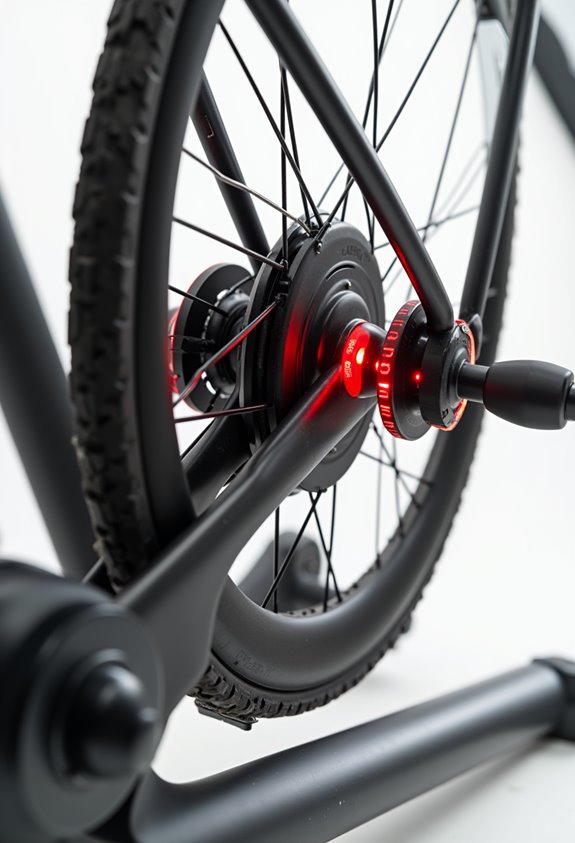
Common mistakes and risks in resistance training can greatly hinder our progress and lead to injuries. To guarantee injury prevention, we must focus on proper form. Neglecting this can result in serious issues like back strains or joint injuries.
Additionally, planning is vital. Without a structured workout, we risk ineffective training. Skipping warm-ups and cool-downs also increases the chance of strains. Overtraining is another concern; rotating exercises and allowing muscle recovery are essential.
Hydration should never be ignored. It plays a key role in muscle function. Finally, utilizing the right equipment with proper technique minimizes accidents. By avoiding these common pitfalls and emphasizing the importance of planning, form, and hydration, we can considerably enhance our resistance training experience. Furthermore, ensuring equipment compatibility with both road and mountain bikes is essential for optimal indoor training.
Frequently Asked Questions
How Do I Determine My Optimal Resistance Level?
To determine our ideal resistance level, we should adjust it based on our training intensity, maintaining manageable cadence. Finding that balance helps us enhance performance while avoiding injury, ensuring efficient workouts for our goals.
Can Resistance Settings Impact Weight Loss During Training?
Yes, resistance settings considerably impact weight loss during training. They enhance caloric burn and promote muscle engagement, helping us maintain lean mass while effectively reducing fat stores. Finding our ideal resistance is essential for better results.
What Equipment Helps Measure My Resistance Needs?
For measuring our resistance needs, we should consider using adjustable weights, resistance bands, a smart trainer, a power meter, a fitness tracker, and a heart rate monitor to optimize our training effectiveness and performance.
Should I Adjust Resistance With Every Workout?
Yes, we should adjust resistance with every workout for ideal resistance progression and to guarantee workout variation. This keeps our sessions challenging, promotes better muscle adaptation, and prevents stagnation in our training results.
How Does Age Affect Resistance Level Selection?
As we journey through life, our bodies become like fine wine, requiring careful selection. Age considerations teach us to embrace moderate resistance, allowing for training adaptations that keep us strong while minimizing injury risks.