As an Amazon Associate, we earn from qualifying purchases. Some links on this site are affiliate links at no extra cost to you. Our recommendations are based on thorough research and editorial judgment.


How Often Should I Service My Bike Professionally?

We recommend servicing your bike professionally based on your riding frequency. Frequent riders should service every 3-6 months, while moderate riders may need yearly maintenance. Occasional cyclists typically require service after 2,500 to 5,000 miles. Off-road riders should aim for every 3 months or every 200-250 miles. Factors like rider weight and bike type can influence these intervals. Regular maintenance guarantees safety and peak performance. There’s more about specific needs and conditions that can affect service frequency.
Key Takeaways
- Frequent riders should service their bikes every 3 to 6 months for optimal safety and performance.
- Moderate riders typically need professional servicing every 6 months to 1 year, depending on usage.
- Occasional riders should aim for annual servicing or after 2,500 to 5,000 miles.
- Off-road riders require servicing every 3 months or after 200–250 miles due to demanding conditions.
- Factors like rider weight, riding style, and environmental conditions can influence your specific service needs.
Understanding the Importance of Professional Bike Servicing
You may be interested


While we might feel confident performing basic maintenance on our bikes, professional servicing is essential for ensuring safety and performance. Understanding the service benefits reveals the crucial role professionals play in maintaining our bicycles.
Safety Assurance
Expert mechanics conduct thorough inspections, identifying potential structural issues after impacts. They use specialized tools to handle intricate components like suspensions and brakes, which helps reduce the risk of failure during rides.
Longevity and Cost Efficiency
Regular servicing extends bike component lifespans, alleviating costly repairs through early detection of wear and tear. Professionals utilize high-quality lubricants and cleaning agents, preserving our bike’s value over time.
Performance Enhancement
Calibration by experts improves comfort and efficiency. They fine-tune critical systems for superior functionality, ensuring optimal breathability ratings and performance during rides.
These factors shatter common maintenance myths, making professional servicing not just beneficial, but crucial for every cyclist.
Frequency Recommendations for Different Riders

Cyclists should adapt their bike servicing frequency according to their riding habits.
Frequent Riders (Commuters, Daily Users)
For us, professional servicing is recommended every 3 to 6 months. Riding in harsh conditions demands even shorter intervals. We must inspect key components regularly, especially the drivetrain. Regular cleaning of the bike chain is essential to maintain performance and longevity.
Moderate Riders (Weekend Cyclists)
We should aim for a service interval of approximately 6 months to 1 year. Routine home maintenance can help extend these intervals.
Occasional Riders
For those of us who ride infrequently, yearly servicing or after 2,500 to 5,000 miles is adequate.
Off-Road and Mountain Bike Riders
If we venture off-road, servicing every 3 months or 200–250 miles is crucial.
Each rider category has specific service frequency needs that guarantee peak bike performance.
Factors Influencing Service Intervals

Understanding the factors that influence our bike service intervals is essential for maintaining ideal performance.
Rider Weight
Heavier riders apply increased braking force, leading to quicker wear on brake pads and frames. This added stress can cause premature service needs.
Riding Style
Aggressive riders experience faster wear on components due to higher power output and sudden stops. In contrast, smooth riders usually have less wear.
Bike Type
E-bikes require more frequent maintenance due to complex electrical systems and greater torque that accelerates drivetrain wear.
Cleanliness Levels
Keeping our bikes clean prevents dirt buildup that can damage moving parts. Regular lubrication extends durability alongside maintained cleanliness. Properly inflated tires also contribute to a smoother ride and reduce wear on components.
Environmental Factors
Harsh weather conditions and poor storage can lead to rust or other damages, necessitating more frequent servicing. Taking care of these factors can greatly optimize our bike’s lifespan.
Recommended Products
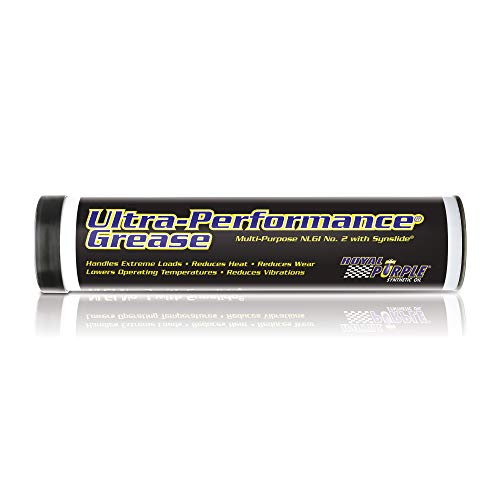
Significantly increases bearing life

FULLY-SYNTHETIC FORMULAS - created from polyol ester base stocks, offer excellent lubrication under extreme conditions

Easier Cleanup - Our original product and bestseller, this Shine Coating spray keeps surfaces looking like new and allows you to apply to the most hard-to-reach surfaces.
The Impact of Riding Conditions on Maintenance Needs

Riding conditions considerably impact how often we need to maintain our bikes.
Riding Terrain
Different terrains affect wear. Rough and uneven surfaces increase strain on tires and suspension, requiring more frequent servicing. Off-road conditions demand regular cleaning due to exposure to mud and water. Regular cleaning enhances bike life significantly.
Weather Conditions
Moist environments elevate corrosion risks. If we ride in heavy rain or store our bikes outdoors, inspections become essential.
Intensity Factors
High-intensity riding means increased mechanical stress. Aggressive biking styles lead to more frequent brake and drivetrain wear.
Urban Environments
City riding presents unique challenges. Debris, road salt, and potholes in urban areas necessitate quicker maintenance intervals to combat grime accumulation and avoid component damage.
Understanding these factors helps us plan effective bike maintenance.
Seasonal Maintenance Considerations

Seasonal changes require us to adjust our maintenance routines for peak bike performance. First, seasonal cleaning is vital. We should thoroughly clean our bikes before and after riding seasons to remove dirt and grime. This prevents corrosive residues from accumulating, ensuring components like the drivetrain and brakes last longer.
When it comes to drivetrain care, lubricating the chain at the start and end of seasons is essential. This reduces wear caused by moisture and grime. Proper lubrication also involves degreasing the chain first, followed by the application of fresh lubricant. Additionally, using a cleaner with biodegradable formulation helps maintain environmental safety while effectively preserving your bike’s components.
Lastly, storing our bike in a cool, dry place during off-seasons inhibits rust and corrosion, protecting our investment for smoother rides ahead.
Key Routine Inspections to Perform
Routine inspections play an essential role in maintaining our bike’s performance and safety. Before each ride, we should perform an ABC check:
- Air: Confirm tires are inflated correctly; look for cracks or debris.
- Brakes: Test levers for proper engagement; inspect pads for wear.
- Chain: Check for rust and lubrication; use a wear tool.
Next, let’s inspect wheels and tires for trueness and damage. Verify brake system effectiveness by checking lever operation and pad alignment.
For the drivetrain, monitor chain cleanliness and shifting accuracy. Finally, examine the frame, confirming no structural issues are present, and check all hardware for tightness. Regular checks are recommended for optimal bike performance, with maintenance intervals dependent on riding frequency and conditions. These routine inspections are crucial for a thorough safety evaluation, confirming we ride with confidence.
Annual Professional Tune-Up Essentials
Brake Cable Replacement
We should replace brake and shifting cables annually to guarantee safety and responsiveness. Even without visible damage, we need to inspect cables for fraying or corrosion. Regular maintenance frequency is suggested for optimal performance, ensuring signs of decreased braking power are promptly addressed.
Tire Inspection
During the tune-up, we conduct a thorough tire inspection for wear, sidewall cracks, and embedded debris. It’s imperative to replace tires when necessary, as proper tire health is essential for a smooth ride. In addition to these items, we should always check all components for wear and adjust as needed. By maintaining these standards, we guarantee a safe and enjoyable cycling experience.
Recommended Products

Electronic shift and braking system for road riders

Astra Depot - Trademark Registration Number: 5528947. Package included: 80X 12-LED Round Truck Tail Light with Wiring Plug

The 8-bolt interface is compatible with power and non-power AXS spiders and integrated chainrings
Common Signs That Indicate Immediate Service Is Needed
When we ride our bikes, paying attention to unusual signs can prevent bigger problems down the road.
Noise Indicators
- Clicking, squeaking, or clunking noises often signal mechanical issues needing inspection.
- Grinding noises suggest worn components or a lack of lubrication.
- Uncommon sounds from the motor reflect serious electric or mechanical problems.
Gear and Chain Malfunctions
- Rough shifting indicates misalignment or cable wear.
- Chain slipping off gears signals urgent maintenance.
Brake Performance Problems
- Delayed braking indicates worn pads.
- Spongy levers can mean fluid leaks.
Electrical Issues on E-Bikes
- Flickering displays suggest wiring faults.
- Sudden shutdowns may stem from battery problems.
Recognizing these urgency signals enables us to act swiftly and maintain bike safety. Additionally, regular maintenance checks can help ensure that your bike’s safety certifications are up to date, enhancing your overall riding experience.
The Benefits of Regular Professional Servicing
Regular professional servicing of our bikes offers significant advantages that enhance both safety and performance. First and foremost, it provides safety guarantee through detailed inspections of all components. This reduces the risk of mechanical failures and accidents. Professionals can identify worn parts early, preventing sudden breakdowns that could compromise our safety.
Additionally, performance optimization is achieved with necessary adjustments tailored to our riding style. Experts ascertain smooth gear shifting and braking responsiveness, enhancing overall control. They utilize specialized tools and techniques that maintain efficiency, ultimately extending the bike’s lifespan. Regular maintenance with a solid four-legged base ensures stability during repairs, further contributing to the bike’s longevity.
Maintenance Checklist for Every Ride
Before heading out on our bikes, conducting a maintenance checklist can greatly enhance our riding experience and safety. Here’s our ride preparation routine:
Visual and Functional Inspection
- Check tire pressure and inspect for damage.
- Verify wheels’ security and brake pad alignment.
- Test shifting for smooth gear changes.
Frame and Component Cleaning
- Clean frame and drivetrain with appropriate products.
- Inspect for cracks or damage.
Lubrication of Moving Parts
– Apply lubricant to the chain and key pivot points.
Tightness and Adjustment Checks
– Tighten all bolts and inspect quick-release levers.
Emergency and Safety Preparation
- Ascertain we carry necessary repair supplies.
- Confirm functionality of lights and adjust brake settings.
Additionally, ensuring that your bike bottle cage is properly secured can prevent bottle retention issues during rides.
Following these safety checks provides confidence on our rides.
Weekly and Monthly Maintenance Tasks
To maintain ideal performance and longevity of our bikes, it’s essential that we incorporate both weekly and monthly maintenance tasks into our routine.
Weekly Maintenance Tasks
We should clean and lubricate the drivetrain, focusing on the chain for smooth shifting. Regularly washing the bike frame helps prevent corrosion. Checking tire inflation is vital; the recommended PSI guarantees peak performance.
Monthly Maintenance Tasks
During these inspections, we can replace worn handlebar tape or grips to enhance control. A thorough cleaning of the drivetrain is advisable, using brushes and degreasers. We must check the chain, chainrings, and cassette for wear while tightening key bolts to prevent mechanical issues.
Specialized Needs for E-Bikes
When it comes to e-bikes, understanding their specialized needs is essential for ideal performance and safety. Proper battery maintenance is important; we need to regularly check battery health, capacity, and establish correct connections. This helps sustain peak e-bike performance while extending battery life.
Electrical systems also require frequent inspections. We should have professionals assess wiring, connectors, and sensors to avoid shorts, which can hinder motor function. Additionally, firmware updates are necessary during tune-ups for improved performance and safety.
Scheduling professional service is critical. For heavy use, we recommend servicing every 3-4 months. Occasional riders may only require a check-up every six months. These specialized needs guarantee our e-bikes operate efficiently and safely for our riding experiences.
Recommended Products

NOTE --- Tricycle and all modification kits are send in separate packages, so items may arrive separately. Separate tracking will be provided when available. The rear basket is an original accessory and fits inside the tricycle box. Whether you purchase the passenger seat kit or the cargo rack kit, you will receive the rear basket.

𝟰𝟬𝗠𝗣𝗛 𝗧𝗼𝗽 𝗦𝗽𝗲𝗲𝗱, 𝗣𝗲𝗮𝗸 𝟰𝟬𝟬𝟬𝗪 𝗗𝘂𝗮𝗹 𝗠𝗼𝘁𝗼𝗿 𝗘𝗕𝗶𝗸𝗲 : 2026 Warrior Pro dual motor e bike is equipped with an unlocked controller and 2 hub motors peak 120N·m each. It is suitable for off-road challenges in complex terrain. Notice: When you turn on the ebike, it is locked mode. Press and hold the "O" button, it will switch to unlocked mode

🚴【3000W Power Unleashed & 37 MPH】The Wildcat-Ultra Electric Bike for Adults delivers extreme performance with a robust 3000W (peak) motor. Conquer 40° slopes and rough terrain effortlessly, making it an ideal Dirt E Bike. Achieve the top speed of 37 MPH in Pedal Assist mode. Five versatile modes include Cruise Control, Walking Assist, Pedal Assist, Pure Electric, and manual biking. Hydraulic brakes provide superior stopping power.
The Role of Mudguards in Extending Maintenance Intervals
Mudguards play a significant role in extending maintenance intervals for our bikes. They effectively shield our drivetrain and components from mud and grit. This protection reduces wear and tear, enhances maintenance efficiency, and keeps essential parts like chains and derailleurs cleaner.
Key mudguard benefits include:
- Reduced Corrosion: By deflecting moisture and debris, they prevent corrosion and mechanical degradation.
- Lower Cleaning Frequency: With less grime buildup, we spend less time cleaning our bikes.
- Increased Service Intervals: Components experience less premature wear, allowing us to push service appointments further apart.
Recommended Products
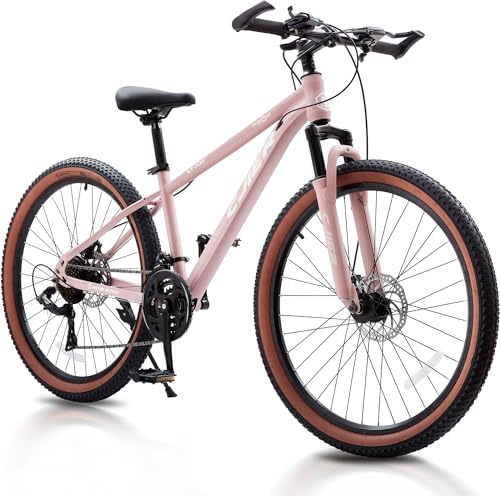
ALL-TERRAIN TIRES WITH VINTAGE STYLE: Premium 2.125" brown-walled mountain bike tires feature anti-slip butyl rubber, conquering mud, gravel, snow, and city roads. Thickened wheel hubs enhance impact resistance for long-lasting trail performance.

ALL-TERRAIN TIRES WITH VINTAGE STYLE: Premium 2.125" brown-walled mountain bike tires feature anti-slip butyl rubber, conquering mud, gravel, snow, and city roads. Thickened wheel hubs enhance impact resistance for long-lasting trail performance.

24/26 Inch mountain bicycle with Perfect Fit: This 24/26 inch mountain bike is designed for adults, suitable for men and women with a height of 4.2”–6.0”, supporting up to 260 lbs. A great adult bicycle choice for everyday commuting and light trails.
Understanding Component-Specific Service Requirements
Understanding the specific service requirements for bike components is vital for maintaining performance and safety. Regular suspension maintenance is essential; we should service fork lowers every 3-6 months, replacing seals and oil as directed by the manufacturer. Checking air pressure and sag on shocks is equally important to guarantee peak performance.
For brakes, a thorough brake inspection is necessary every 3-6 months, including flushing hydraulic fluid and checking pads for wear. Mechanical systems require cable lubrication to maintain responsiveness.
Addressing these component-specific needs not only enhances our riding experience but also increases safety. Regular attention to both suspension and braking systems helps prevent breakdowns and failures, keeping us on the road longer.
Recommended Products

【Package Includes】Chain Lock, Phone Mount, Rearview Mirror, Water Bottle Holder, Rear Storage Bag, Waterproof Bike Cover, Helmet, Cycling Glasses, Headlight, Air Pump, twist throttle. The electric bike and accessories will be shipped separately in different packages.

【𝗣𝗿𝗲-𝗦𝗮𝗹𝗲 𝗢𝗿𝗱𝗲𝗿 】𝗣𝗹𝗲𝗮𝘀𝗲 𝗻𝗼𝘁𝗲 𝘁𝗵𝗮𝘁 𝗶𝘁 𝗶𝘀 𝗰𝘂𝗿𝗿𝗲𝗻𝘁𝗹𝘆 𝗶𝗻 𝘁𝗵𝗲 𝗽𝗿𝗲-𝘀𝗮𝗹𝗲 𝘀𝘁𝗮𝗴𝗲. 𝗧𝗵𝗶𝘀 𝗶𝘁𝗲𝗺 𝘄𝗶𝗹𝗹 𝗯𝗲 𝘀𝗵𝗶𝗽𝗽𝗲𝗱 𝗮𝗳𝘁𝗲𝗿 𝗔𝘂𝗴𝘂𝘀𝘁 𝟭𝘀𝘁.

1. 2022 new fat bike, outstanding appearance is very popular with adults and young people. suitable for daily activities such as work, fitness, commuting, exercise, competition, travel, etc. providing more convenience for your life.
Frequently Asked Questions
Can I Service My Bike at Home Instead of Professionally?
Absolutely, we can tackle home maintenance through DIY servicing! It’s empowering to keep our bikes running smoothly, but let’s remember, complex issues still need professional attention. Balance the two for peak performance and safety!
How Much Does a Professional Bike Service Typically Cost?
Professional bike service costs generally range from $50 to over $350, depending on the complexity. By doing a maintenance price comparison, we can better decide when to invest in services for superior performance.
What Tools Are Needed for Basic Bike Maintenance at Home?
Think of bike maintenance as tending a garden; we need essential tools for basic upkeep. A work stand, chain lube, tire levers, and a torque wrench are just a few we should definitely have on hand.
How Do I Find a Reliable Bike Mechanic Near Me?
To find a reliable bike mechanic near us, let’s check local bike shops and read mechanic reviews. Recommendations from cycling clubs can also help us discover trustworthy professionals who know our bikes well.
Are There Any Warranties for Bikes After Professional Servicing?
Yes, we can get service warranties after professional bike maintenance, but they’re usually short-term. Using genuine parts and keeping service records helps maintain other manufacturer warranties, so let’s stay informed and diligent about them!