As an Amazon Associate, we earn from qualifying purchases. Some links on this site are affiliate links at no extra cost to you. Our recommendations are based on thorough research and editorial judgment.

The 5 Best Triathlon Bike Helmets of 2026 – Safety Meets Speed

In 2026, the top triathlon bike helmets prioritize safety and speed. The SLS3 Triathlon Helmet is ultra-lightweight at 279 grams and features eight vents for superior airflow. The Schwinn Thrasher fits larger head sizes (58-62 cm) with a durable microshell. The Smith Persist MIPS uses advanced impact technology for protection. The SMITH Network Helmet and Giro Vanquish MIPS offer adjustable fits with enhanced ventilation. Choosing the right helmet is vital for performance and safety, especially on race day. Learn more about their features.
Key Takeaways
- The SLS3 Triathlon Helmet is lightweight at 279 grams, designed specifically for triathletes with excellent airflow through eight vents.
- Smith Persist MIPS incorporates advanced safety features, including the MIPS system and Zonal Koroyd coverage for superior impact protection.
- Giro Vanquish MIPS is engineered for triathletes, featuring TransformAir Technology for enhanced ventilation and a magnetic shield for improved visibility.
- Good ventilation is crucial; helmets with multiple vents help regulate temperature and reduce fatigue during long rides.
- Proper fit is essential; helmets should accommodate various head sizes with adjustable systems for maximum comfort and stability.
SLS3 Triathlon Helmet – Aero Bike Helmet for Men/Women
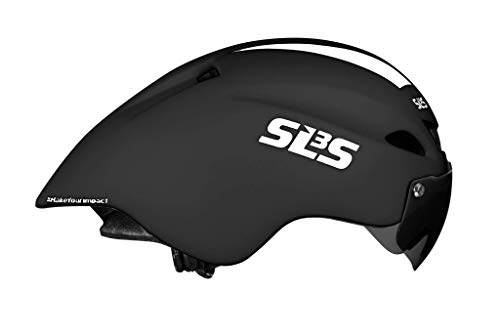
SLS3 Triathlon Bike Helmet - Aero Bike Helmet with Removable Shield Visor for Tri and Time Trial TT...
- ONE SIZE FITS MOST: This triathlon bike helmet fits head circumference from 21 to 23 inches (54-58 cm) - PLEASE MEASURE! THIS IS NOT A VERY BIG HELMET (9.06” x...
- VISOR INCLUDED: The cycling helmet with visor has magnetically fastened shield that provides wraparound eye (UV) protection and it’s easy to flip up or remove with one...
- KEEPING YOU COOL: Your aero cycling helmet is equipped with a total of 8 vents: 4 in the front and 4 in the back, offering optimal airflow and minimal wind resistance to...
You may be interested
The SLS3 Triathlon Helmet is specifically designed for triathletes who prioritize performance and comfort during their races. This aero bike helmet, suitable for both men and women, is lightweight at 279 grams and compact in size. It fits head circumferences of 21-23 inches (54-58 cm).
Key Features
- Ventilation: Eight strategically positioned vents provide ideal airflow, reducing wind resistance.
- Visor: The magnetically fastened shield offers UV protection and can be flipped up or removed easily while wearing the helmet.
- Material: Constructed from low friction, abrasion-resistant PET, it enhances safety while maintaining cushioning with foam lining.
Best For: The SLS3 Triathlon Helmet is best for triathletes seeking a lightweight, aerodynamic helmet that combines safety and comfort during races.
Pros:
- Comfortable fit due to lightweight design and efficient ventilation.
- Versatile visor that can be easily flipped up or removed while riding.
- Aerodynamic efficiency reduces wind resistance for improved performance.
Cons:
- Potential visor issues with comfort and stability during rides.
- Shape deformation if exposed to prolonged sunlight.
- Durability concerns with significant damage reported post-crash, necessitating replacement.
Schwinn Thrasher Helmet for Adults (Size 58-62 cm)

Schwinn Thrasher Helmet for Adults, Black, Size 58 - 62 cm, for Riders Ages 14+, Lightweight...
- ADULT BIKE HELMET: Designed for fitness and recreational rides, this sporty bicycle helmet fits riders ages 14+ with head circumferences from 58 - 62 cm. Wherever the...
- THE PERFECT, SECURE FIT: The adjustable dial retention system offers a snug, secure fit with just a twist, while side and chin straps fine-tune the fit for all-day...
- LIGHTWEIGHT AND COMFORTABLE: This mens and womens helmet features microshell construction for lightweight durability, while full-coverage padding surrounds the head in...

For adults aged 14 and older with head circumferences between 58 and 62 cm, the Schwinn Thrasher Helmet stands out as an ideal choice for both fitness and recreational cycling.
Design and Comfort
The helmet’s adjustable dial retention system guarantees a snug fit. Equipped with side and chin straps, fine-tuning comfort and stability is easy. A lightweight microshell construction enhances both durability and comfort.
Ventilation
With 21 air vents, it promotes airflow, keeping you cool during rides.
Safety Compliance
It meets U.S. CPSC safety standards, highlighting Schwinn’s commitment to rider safety and quality.
Best For: Adults aged 14 and older with head circumferences between 58 and 62 cm who seek a reliable helmet for fitness and recreational cycling.
Pros:
- High comfort level due to a lightweight design and adjustable retention system.
- Excellent ventilation with 21 air vents to keep you cool during rides.
- Safety certified as it meets U.S. CPSC safety standards for added peace of mind.
Cons:
- Potential sizing challenges noted by some customers during selection.
- Delivery issues occasionally mentioned in reviews.
- Limited color options available (only black).
Smith Persist MIPS

SMITH Persist Cycling Helmet – Adult Road Bike Helmet with MIPS Technology + Zonal Koroyd Coverage...
- Down for Whatever Ride You Have in Mind: Whether you’re feeling a fast-paced lunch ride or weekend 60-miler, the Smith Persist road helmet is ready + designed to feel...
- Your Protection at its Core: Our Signal helmet features the MIPS Safety Protection System, Zonal Koroyd Coverage for lightweight, energy-absorbing & ventilated...
- Stay Cool & Eliminate Foggy Lenses: With 21 fixed vents for consistent airflow and the AirEvac system to integrate with Smith eyewear, you’ll stay cool and your glasses...
When seeking a reliable triathlon helmet, the Smith Persist MIPS stands out for its advanced safety features.
Safety and Compliance
This helmet includes the MIPS Safety Protection System, offering enhanced impact protection. It also features Zonal Koroyd Coverage, which is lightweight yet energy-absorbing. The Smith Persist complies with U.S. CPSC Safety Standards, CE EN 1078, and AS/NZS 2063, making it a trusted choice.
Ventilation and Comfort
With 21 fixed vents, airflow remains consistent, preventing overheating. The AirEvac system keeps your eyewear clear from fog, ensuring ideal visibility.
Adjustability
An adjustable dial at the back allows you to customize the fit, ensuring comfort during long rides.
Best For: The Smith Persist MIPS helmet is best for cycling enthusiasts seeking a combination of comfort, safety, and ventilation during both short and long rides.
Pros:
- Enhanced safety with MIPS Safety Protection System and Zonal Koroyd Coverage.
- Optimal airflow due to 21 fixed vents and AirEvac system for fog prevention.
- Customizable fit with an adjustable dial for maximum comfort.
Cons:
- Limited color options may not appeal to all cyclists.
- Potentially higher price point compared to basic helmets.
- Weight might be slightly heavier due to added safety features.
SMITH Network Cycling Helmet with MIPS Technology

Smith Optics Network MIPS Road Cycling Helmet - Matte Spruce/Safari, Medium
- PROTECTION: Zonal Koroyd coverage for lightweight, energy-absorbing and ventilated impact protection, MIPS Protection System reduces rotational forces caused by angled...
- FIT / INTEGRATION: VaporFit dial adjustment system offers 270-degree fit adjustment with the turn of a dial, Designed for ultimate integration with Smith performance...
- FEATURES: 15 fixed vents for consistent airflow, Removable fabric visor, Ionic+ lining offers sweat-activated control, Lightweight, low-bulk single layer webbing
Experience top-tier protection and comfort with the SMITH Network Cycling Helmet featuring MIPS technology. This versatile helmet caters to both road and mountain biking with its lightweight design and Zonal Koroyd coverage, providing effective impact protection. It meets CPSC and CE EN 1078 certifications, ensuring safety.
Comfort and Fit
The adjustable design accommodates various head shapes. With ionic+ lining, it controls sweat effectively. However, some users report issues with strap security over time.
Ventilation and Eyewear Integration
Fifteen fixed vents guarantee airflow, while the AirEvac system eliminates fog on glasses, enhancing visibility. Enjoy a comfortable ride without sacrificing clarity.
Best For: Casual and serious cyclists looking for a lightweight, versatile helmet that offers excellent protection and comfort for both road and mountain biking.
Pros:
- Lightweight design that enhances comfort during long rides.
- Good ventilation with 15 fixed vents and effective airflow management.
- MIPS technology and Zonal Koroyd coverage provide excellent impact protection.
Cons:
- Some users experience issues with straps not remaining secure over time.
- Concerns regarding the longevity of straps and fit after extended use.
- A few users report fit inconsistencies for certain head shapes.
Giro Vanquish MIPS Cycling Helmet – Mens
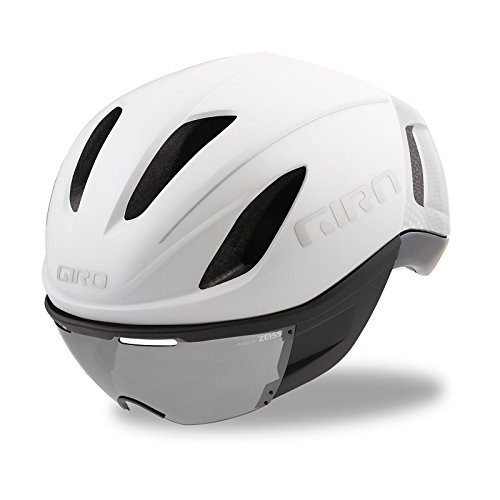
Giro Vanquish MIPS Cycling Helmet - Matte White Silver Medium
- TransformAir Technology
- EPS liner with progressive layering
- Integrated MIPS Technology
The Giro Vanquish MIPS Cycling Helmet stands out as an excellent choice for dedicated triathletes seeking superior performance and safety features. Built with a polycarbonate shell, this helmet weighs only 355 grams. Its dimensions measure 10 x 8 x 5 inches, making it easy to carry and fit.
Key Features
- TransformAir Technology: Enhances airflow for comfort.
- Integrated MIPS Technology: Provides additional protection against rotational impacts.
- Magnetic Vivid Shield: Offers clearer vision and secures easily.
Comfort and Performance
This helmet provides a snug fit, excellent ventilation, and reports of 600+ miles of comfortable wear indicate durability across various conditions.
Best For: The Giro Vanquish MIPS Cycling Helmet is best for dedicated triathletes seeking superior performance combined with safety features.
Pros:
- Snug fit offers comfort during long rides.
- Integrated MIPS Technology enhances protection against rotational impacts.
- TransformAir Technology provides excellent ventilation for improved airflow.
Cons:
- The visor may be delicate and prone to damage.
- Potential for fogging in high humidity conditions.
- Users report noise during airflow which can be distracting.
Factors to Consider When Choosing a Triathlon Bike Helmet

When choosing a triathlon bike helmet, you need to evaluate key factors. Aerodynamics and weight greatly impact your speed, while ventilation keeps you cool during the race. Additionally, make sure the helmet meets safety certifications and fits securely for best performance.
Aerodynamics and Weight
Choosing the right triathlon bike helmet involves a careful examination of aerodynamics and weight, two critical factors that can impact your race performance.
Aerodynamics
A well-designed helmet reduces drag, considerably enhancing your speed during races. Look for streamlined shapes that cut through the air efficiently.
Weight
Lightweight materials, like Polyethylene Terephthalate (PET) and expanded polystyrene, help decrease overall helmet weight. Most triathlon helmets weigh between 250-350 grams, with lighter options offering at least a 25% reduction compared to traditional designs.
Balance
Selecting a helmet that harmonizes aerodynamics and weight promotes better endurance. This balance can directly improve your overall performance throughout the race, allowing you to maintain speed without compromising comfort.
Ventilation and Cooling
Importance of Ventilation in Triathlon Helmets
Adequate ventilation is vital for triathlon bike helmets. It regulates body temperature and keeps you cool during long rides. Helmets with multiple vents—eight or more openings—enhance airflow and minimize heat buildup, making your ride more comfortable.
Airflow Design
An efficient airflow design can improve your performance. Helmets with advanced ventilation systems help reduce drag, boosting aerodynamic efficiency.
Moisture-Wicking Materials
Some helmets use moisture-wicking materials or special linings to improve cooling. This sweat resistance is fundamental for comfort, especially during intense racing.
Focus and Fatigue
Good ventilation also enhances focus. It prevents overheating and fatigue, allowing you to concentrate better throughout your race. Prioritize ventilation for peak performance.
Safety Certifications Needed
Selecting a triathlon bike helmet involves understanding essential safety certifications that guarantee adequate protection. First, helmets should comply with U.S. Consumer Product Safety Commission (CPSC) regulations. This confirms they protect against impacts for both competitive and recreational cyclists.
Additionally, look for helmets with international certifications like CE EN 1078 and AS/NZS 2063. These provide extra assurance of safety standards.
Consider helmets featuring MIPS (Multi-directional Impact Protection System) technology. MIPS reduces rotational forces during impacts, enhancing head protection.
Verify your chosen helmet has undergone crash testing. This testing confirms its effectiveness in minimizing injury risks.
Finally, advanced materials like Zonal Koroyd or EPS foam improve energy absorption and ventilation, further contributing to overall safety during rides.
Fit and Adjustability
When it comes to triathlon bike helmets, fit and adjustability are as important as safety certifications. A proper fit is essential, typically designed for head circumferences of 21-23 inches (54-58 cm) and 58-62 cm.
Retention Systems
Adjustable retention systems, such as dial mechanisms or chin straps, let you customize the fit for snugness and stability. This reduces helmet movement, enhancing your confidence while riding.
Lightweight Design
Opt for lightweight helmets that can be up to 25% lighter than traditional models. This greatly improves comfort during extended races.
Ventilation
Choose helmets with effective ventilation systems featuring multiple air vents. A well-ventilated helmet keeps you cool while ensuring a comfortable fit tailored to your preferences.
Visor and Shield Features
Visors and shields play an essential role in enhancing your experience during a triathlon.
UV Protection
Many helmets feature magnetic visors or shields that provide UV protection. This convenience allows you to flip them up or remove them quickly while still wearing the helmet.
Aerodynamics
A well-designed visor improves aerodynamics. It reduces wind resistance, enhancing speed and efficiency during cycling segments.
Ventilation
Ventilation is vital. Open designs offer better airflow while keeping protective qualities for safety.
Weight Consideration
Opt for lighter visors. Heavier options can affect your performance by adding unwanted weight.
Customization
Look for compatibility and customization options. This allows you to adjust for weather conditions and personal visibility preferences effectively.
Comfort Padding Options
Choosing the right comfort padding in a triathlon bike helmet is essential for enhancing your overall performance.
Liner Options
Look for helmets with removable and washable liners. This feature improves hygiene and comfort during long rides.
Full-Coverage Padding
Choose models offering full-coverage padding for 360° support. This design alleviates pressure points, making it more comfortable during intense activity.
Moisture Management
Consider padding made from sweat-wicking materials. Such materials effectively manage moisture and temperature, adapting to varying conditions.
Customization
Adjustable padding options allow you to achieve a personalized fit for various head shapes, ensuring stability throughout your race.
Weight and Ventilation
Opt for lightweight and ventilated materials. They optimize airflow while minimizing weight, enhancing your performance without compromising comfort.
Sun Protection Capability
Sun protection capability is an essential factor for triathletes, especially during sunny races.
Visor Features
Choose helmets with visors that offer UV protection. These visors shield your eyes and face from harmful rays. Look for magnetically fastened visors, which allow easy flipping or removal without sacrificing fit.
Coverage and Performance
Optimal helmet coverage reduces glare and enhances visibility on sunny days. Improved visibility can lead to better race performance.
Material and Comfort
Select lightweight materials that filter UV rays and prevent overheating. Comfort is significant during intense exertion.
Ventilation
Effective ventilation, combined with sun protection, keeps the helmet cool while minimizing sun exposure. This feature enhances overall comfort during your race, allowing you to focus on your performance.
Compatibility With Eyewear
When selecting a triathlon bike helmet, it’s essential to contemplate its compatibility with eyewear, as this can greatly impact your performance and comfort during the race.
Ventilation and Fogging
Look for helmets featuring integrated ventilation systems like AirEvac technology. These designs minimize fogging on eyewear while ensuring airflow.
Visor Systems
Check if the helmet has a visor system, particularly those with magnetically fastened visors. This feature allows for quick adjustments without removing the helmet.
Fit and Adjustability
Consider helmets with adjustable retention systems. These help achieve a better fit, accommodating different eyewear styles and reducing discomfort.
Eyewear Integration
Choose helmets specifically designed for eyewear integration. They secure glasses without blocking vision or airflow, enhancing overall performance and comfort during a triathlon.
Frequently Asked Questions
How Do I Properly Fit a Triathlon Bike Helmet?
To properly fit a triathlon bike helmet, follow these steps:
- Position: Place the helmet level on your head, a finger’s width above your eyebrows. It should sit snugly without tilting back.
- Adjust the Straps: Confirm the side straps form a “V” shape just below your ears.
- Buckle: Fasten the chin strap while keeping it snug but not overly tight.
- Final Check: Shake your head gently; the helmet shouldn’t move greatly.
What Is the Lifespan of a Triathlon Bike Helmet?
A triathlon bike helmet’s lifespan is like a fine wine—best enjoyed within a certain period. Typically, these helmets last about 3 to 5 years, depending on usage and exposure to elements.
Key Factors:
- Material Degradation: Plastic and foam can weaken over time.
- Accidents: Any impact necessitates replacement.
- Technology Advances: Newer models often include improved safety features.
Regular checks maintain peak performance and safety. Always prioritize your protection on the course.
Can I Use a Road Bike Helmet for Triathlons?
Yes, you can use a road bike helmet for triathlons. However, there are important considerations:
- Aerodynamics: Road helmets are often less aerodynamic than triathlon helmets, which may affect your speed.
- Ventilation: Road helmets typically have better ventilation, but triathlon helmets minimize airflow for aerodynamic efficiency.
- Comfort: Make certain your helmet fits snugly, as comfort affects performance.
Using a road helmet is acceptable, but a triathlon-specific design optimizes your race experience.
How Do Ventilation Features Affect Helmet Performance?
Ventilation features critically enhance helmet performance by regulating temperature and preventing overheating.
- Airflow Design: Optimized vents channel air through the helmet, increasing cooling efficiency during intense efforts.
- Material: Lightweight materials with breathable properties improve comfort without compromising safety.
- Reduced Drag: Well-ventilated helmets often maintain aerodynamic profiles, allowing you to achieve faster speeds.
Are There Specific Certifications for Triathlon Bike Helmets?
Yes, there are specific certifications for triathlon bike helmets. Most helmets you’ll find are tested to meet safety standards set by organizations like the CPSC (Consumer Product Safety Commission) and the EN 1078 in Europe. These certifications guarantee your helmet provides adequate protection during your competition. When choosing a helmet, confirm it displays these certifications. Proper helmets reduce injury risk, helping you focus on performance and speed during your race.


